You may have seen recent news about rabies in Ontario and wondered: could Ontario be facing a shortage of rabies treatments? Sadly, the answer is yes. Experts say there is an Ontario rabies vaccine shortage right now. The rabies treatment demand in Ontario is higher than ever before, and public health officials are trying to keep up.
This issue became urgent after the tragic death of a child in Brantford who came in contact with a rabid bat. That was the first rabies-related death in Ontario in decades. Since then, fear of exposure has grown, and more people are getting checked. Ottawa Public Health has reported record numbers of people needing care. Families want answers, and doctors are being told to watch supply levels closely.
At Skedaddle Humane Wildlife Control in Toronto, we follow these developments closely. Rabies is a serious disease, and prevention is the key. You want your family and pets safe, and we want to help. In this article, we’ll look at:
- Why the Ontario rabies vaccine shortage is happening
- What makes the rabies treatment demand in Ontario so high right now
- What you can do for rabies prevention in Ontario to protect your loved ones
- How companies like Skedaddle can help keep homes safe from animals that may carry rabies
Why the Ontario Rabies Vaccine Shortage Matters
Rabies is rare in people, but it is almost always fatal once symptoms appear. The only way to stop it is with quick treatment after exposure. That treatment includes:
- Rabies Vaccine: Shots that build protection against the virus
- Rabies Immunoglobulin (RIG): Antibodies given right after exposure to fight the virus before the body reacts
Right now, Ontario has enough vaccine supply but is short on immunoglobulin. This medicine is needed most in emergency cases, such as when someone is bitten or scratched by an animal that may be rabid. Without it, the risk is higher. That’s why the Ontario rabies vaccine shortage is such a big deal.
Health officials are prioritizing treatment for high-risk exposures. That means people who get too close to rabid animals could wait longer if demand keeps rising.
Why Rabies Treatment Demand in Ontario Is Rising
So why are more people needing help? A few reasons explain the increase in rabies treatment demand in Ontario:
- More Awareness After Tragedy: The Brantford child’s death was widely shared in the media. People are now more aware and cautious.
- Animal Cases are Climbing: The Canadian Food Inspection Agency reported a 60% jump in confirmed animal rabies cases in Ontario last year. Most were bats, but foxes also tested positive.
- Public Safety Rules: Any time a person is bitten by a mammal, health units must assess the risk. If rabies cannot be ruled out, treatment is often started right away.
You can see how fast numbers add up. In Ottawa alone, over 360 people got rabies treatment this year—more than all of last year. Across Ontario, hundreds more have been treated, and supply is stretched thin.
Why Rabies Is So Serious
Rabies attacks the nervous system. It spreads mostly through bites or scratches from infected animals. Once someone shows symptoms—like confusion, fever, or muscle spasms—there is no cure. That is why prevention is critical.
You need to act fast if there is any chance of exposure. Doctors say rabies shots must start before symptoms appear. That’s why the Ontario rabies vaccine shortage is worrying for families and healthcare workers.
Rabies Prevention in Ontario: What You Can Do
The best way to avoid rabies is to prevent contact with infected animals. You can’t always know if an animal has rabies, so the safest step is to stay away from wildlife. Here are some practical tips for rabies prevention in Ontario:
- Keep Pets Vaccinated: Rabies vaccines for dogs and cats are required by law in Ontario. Make sure your pets are up to date, because even one missed shot can put them at risk if they ever come in contact with wildlife.
- Supervise Pets Outdoors: Do not let dogs or cats roam free. Leashes and fences protect them from contact with wildlife, and they also stop your pets from wandering into areas where rabid animals may live.
- Do Not Touch Wild Animals: Never feed, catch, or try to care for wild animals, even if they look sick or hurt. Wild animals may seem calm or friendly, but they can still carry rabies and spread it through a bite or scratch.
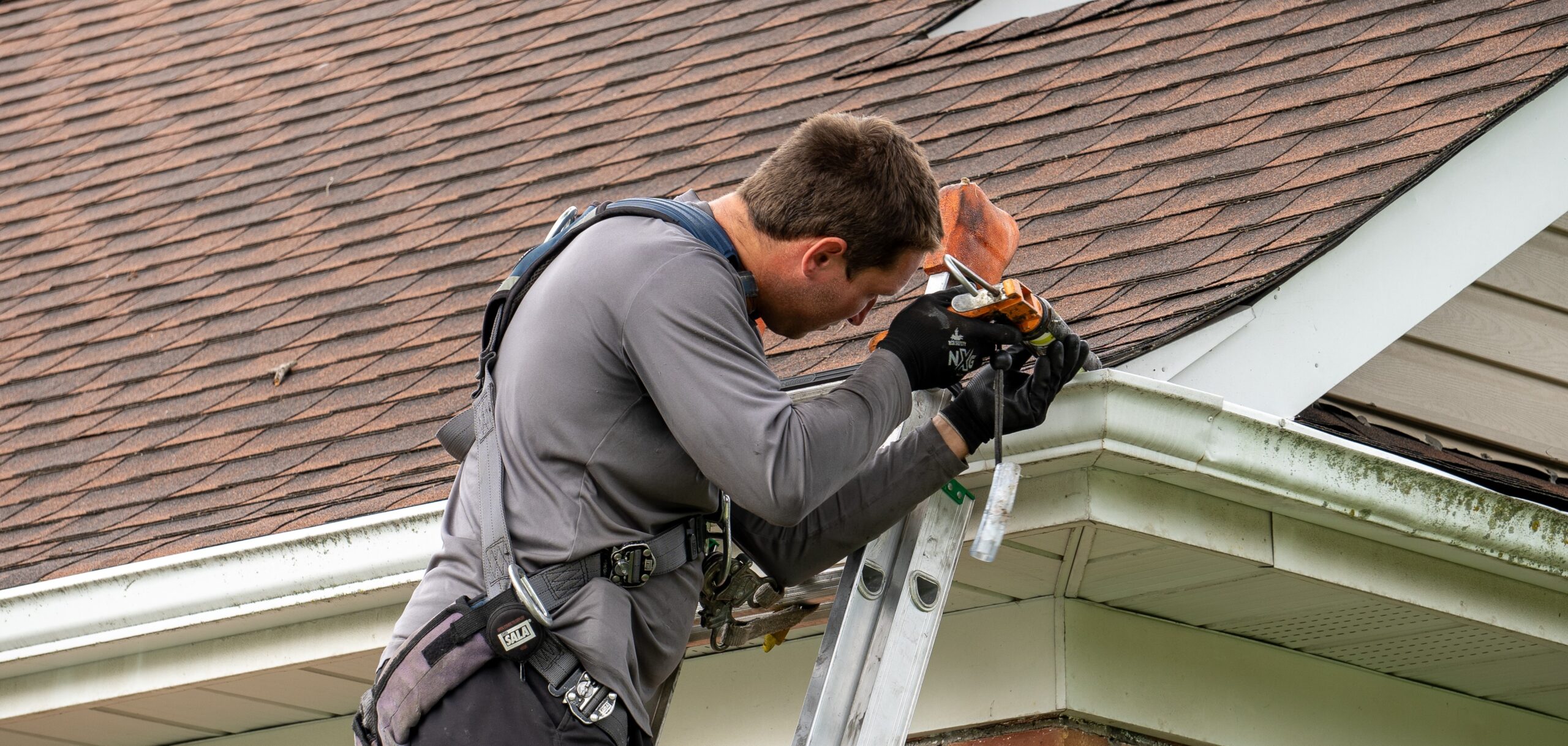
- Seal Entry Points at Home: Close gaps in attics, roofs, or decks where animals could enter and nest. Sealing these spots with our professional services not only keeps your home safer but also lowers the chance of you or your pets running into a rabid animal.
- Teach Children About Safety: Kids should know not to go near or try to pet wild animals. Teaching them early helps build habits that protect them from dangerous contact now and in the future.
When wildlife gets too close to your home, professionals like us at Skedaddle can help. We use one-way doors that let animals leave but stop them from getting back inside. That keeps your home safe without risking direct contact.
What Animals Carry Rabies in Ontario?
In Ontario, the most common carriers are:
- Bats: The majority of cases are found in bats. You may never notice a bite or scratch, which makes them especially risky.
- Foxes: Red foxes have tested positive in recent years.
- Raccoons: While numbers are low right now, raccoons have carried rabies in the past.
- Coyotes: Rare but possible.
If any of these animals bite or scratch you—or even lick a wound—you need to contact public health right away.
How Rabies Affects Families and Communities
The rabies treatment demand in Ontario is not just about numbers. It affects families directly. Imagine waiting in an emergency room, worried that a bite could be deadly. Parents may have to comfort scared children while hospitals check their vaccine stock.
Communities also feel the stress. Health units must track cases, respond quickly, and work with the Ministry of Health to secure more doses. Every new case means more resources used.
How Skedaddle Helps with Rabies Prevention
You do not want wild animals living in your attic, chimney, or under your deck. They can damage property, spread disease, and raise rabies risk. That’s where we step in.
At Skedaddle Humane Wildlife Control, we:
- Safely remove animals using proven methods
- Install one-way doors so animals leave but cannot re-enter
- Protect your home with sealing and prevention steps
- Keep families safe without harmful traps or unsafe contact
We take this responsibility seriously. Our goal is to help you avoid the stress of exposure and keep your home rabies-free.
The Bigger Picture: Staying Prepared
Ontario has not seen rabies this active in years. The recent shortage shows how important it is to stay prepared. Vaccines and treatments save lives, but they are only part of the solution. Rabies prevention in Ontario must happen before anyone is exposed.
When homes are secured, pets are vaccinated, and wildlife is kept outside, everyone is safer. That means fewer emergency treatments and less pressure on limited supplies.
Ontario Rabies Vaccine Shortage: Protect Your Family Now
Yes, Ontario could be facing a shortage of rabies treatments. With the Ontario rabies vaccine shortage, the rising treatment demand, and the urgent need for rabies prevention in Ontario, you cannot take chances.
You deserve peace of mind knowing your home is safe. Request an estimate today to learn how Skedaddle Humane Wildlife Control in Toronto can protect your family, pets, and property.

 Loading...

