If you’ve heard thumping or scratching sounds above your ceiling, you may be worried about squirrels in your attic. In Toronto, many homeowners assume that only one type of squirrel takes residence, but both grey and red squirrels are active during winter, and they can lead to significant issues. Distinguishing which species is nesting overhead can help you decide what steps to take next, from observation to professional intervention. Our team at Skedaddle understands the unique challenges of Toronto winters and squirrel invasions. We’re here to help you protect your home and peace of mind.
Let’s explore how to identify squirrels in your attic, key differences between grey and red species, common winter problems, and how to prevent future issues. We’ll also provide practical steps and demonstrate how our humane removal services can help you reclaim your attic for good.
Understanding Grey vs. Red Squirrels in Toronto Attics
Toronto neighbourhoods are home to both eastern grey and red squirrels. While they’re both highly active, important physical and behavioural differences can help you identify which one is spending winter in your attic.
Physical Differences
Spotting tracks or glimpses of furry tails can provide clues. Grey and red squirrels look quite distinct once you know what to look for:
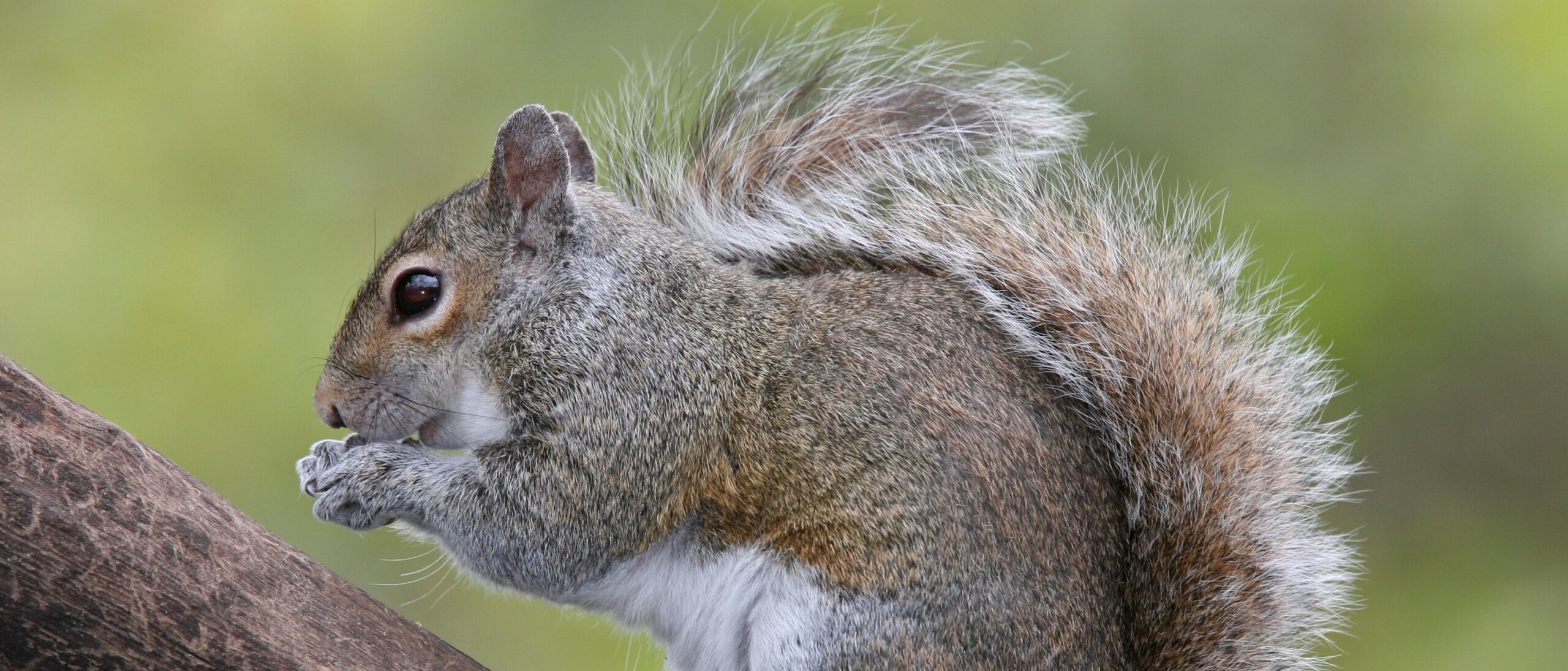
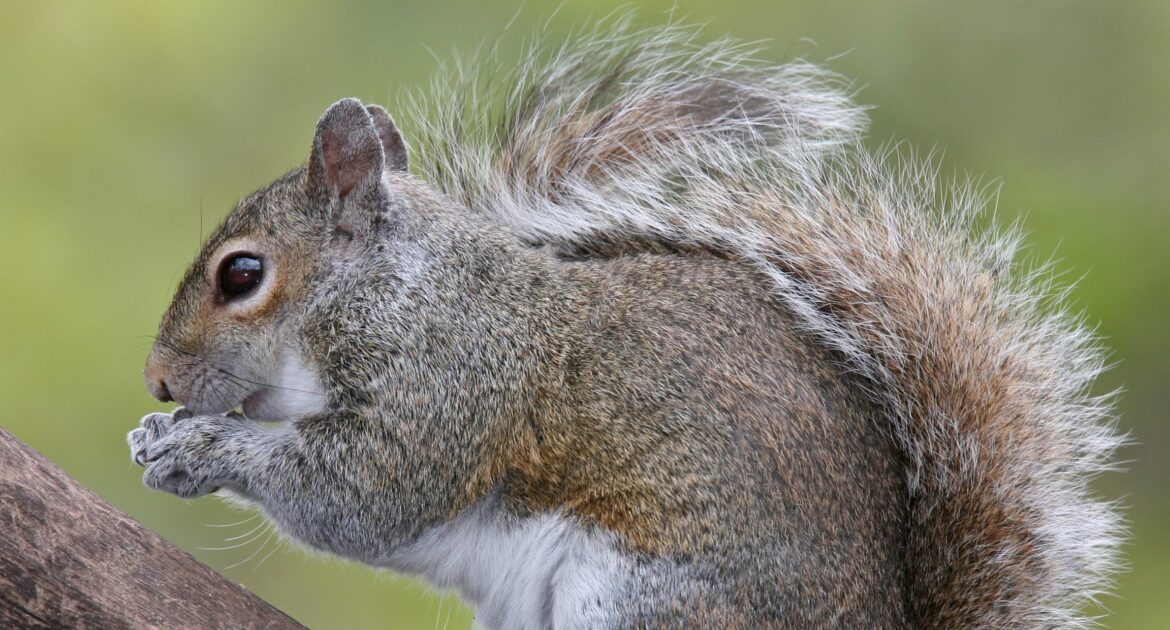
- Grey squirrels are larger, typically 9-11 inches long, with bushy tails that nearly match their body length. Their fur ranges from pale grey to dark charcoal, sometimes with hints of brown.
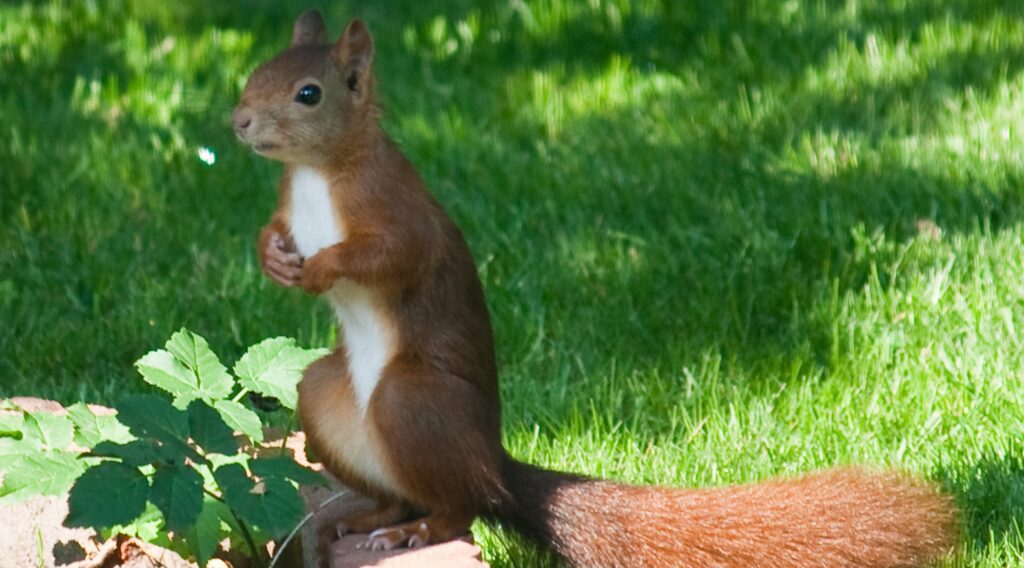
- Red squirrels are smaller, averaging 7-9 inches, and are easily recognized thanks to their reddish-brown fur and white underbellies.
- Grey squirrels’ tails are broad and fluffy, while red squirrels’ tails are slimmer and may appear less bushy.
- Young squirrels of both types are smaller and more difficult to identify until maturing; keeping an eye on tail size and ear shape can be helpful.
Understanding these features makes answering the question, “How can you tell if it’s a grey or red squirrel in the attic?” simpler. When in doubt, consider consulting a wildlife professional for species identification.
Behavioural Differences
Beyond appearance, each species behaves distinctly:
- Grey squirrels are less territorial and can share attics with other squirrels, especially during cold snaps.
- Red squirrels are territorial and often prefer isolation or live in pairs. If only a single squirrel is active in your attic, it’s more likely to be red.
- Grey squirrels are typically heard nesting in larger groups or moving during daylight, particularly at dawn and dusk.
- Red squirrels are noisier when defending their territory and emit rapid, chattering calls to ward off intruders.
Recognizing these behavioural signs can further aid your identification, especially as winter approaches.
Now, let’s look at the main signs that indicate squirrel presence above your head.
Signs of Squirrels in Your Attic This Winter
Colder weather sends both types of squirrels in search of warm nesting sites. Many Toronto homes inadvertently become hosts each year, but how can you determine if your uninvited guests are grey or red squirrels?
Common Indications
Here are some tell-tale signs:
- Rapid scurrying noises or thumping in the attic early in the morning or late afternoon.
- Gnaw marks on roof eaves, soffits, or vents.
- Shredded insulation or piles of nesting material such as leaves, twigs, or torn fabrics.
- Small holes chewed around rooflines or vents—grey squirrels require about two inches to enter, whereas reds can squeeze through even smaller gaps.
- Nests or droppings discovered during a peek into your attic.
Homeowners sometimes overlook these signs, attributing them to normal house settling or other animals. However, any of the issues listed during winter strongly suggest a problem, and not always the species you’d expect.
Unusual Odours and Other Warning Signals
Beyond sights and sounds, pay attention to other telltale signs of wildlife activity. Foul odours from droppings or urine—particularly in enclosed attics—can indicate a persistent presence. Look for evidence of food hoarding, such as acorns, nuts, or pinecones hidden beneath insulation, as red squirrels especially favour pinecones for storage. You may also notice pieces of attic insulation gathered into a single area, used by animals to build nests. Recognizing these subtle clues early can help prevent more extensive damage and guide timely intervention.
If you observe these signs, it’s time to take a closer look at the risk factors and understand why winter issues require prompt attention.
Let’s move on to discuss why squirrels target attics in winter and how their behaviour increases risks for homeowners.
Winter Squirrel Attic Problems
As temperatures drop, squirrels remain active. Neither grey nor red squirrels hibernate; both are expert climbers and can reach even tricky attic corners. But why do attics appeal so much, and what trouble can they cause if left unchecked?
Why Squirrels Choose Attics in Winter
Shelter and warmth are the primary reasons animals target attic spaces. Attics provide reliable protection from wind, snow, and predators, creating a safe environment during harsh winter months. The insulation offers the warmth needed for overwintering and for rearing early spring litters. Additionally, many animals use attics as secure staging areas for storing and accessing their winter food caches, making these spaces particularly attractive during colder seasons.
With homeowners spending more time indoors over winter, you might notice increased activity as they scurry to and from hidden den sites within your house.
Problems Squirrels Cause
The damage caused by squirrels in attics can accumulate quickly. Regular chewing and nesting behaviours lead to:
- Torn insulation, which reduces your home’s heat retention.
- Exposed and chewed wires, increasing the risk of electrical fires.
- Contaminated insulation from droppings and urine, heightening health risks for families and pets.
- Damaged venting and ductwork, negatively impacting furnace or AC efficiency.
- Blocked soffits and vents, which can lead to moisture buildup and potential mould issues.
This combination of chewing, mess, and increased health hazards means resolving winter squirrel attic problems is essential for any Toronto homeowner.
Next, let’s explore how you can identify whether your attic’s uninvited guests are grey or red squirrels with confidence.
How to Identify Squirrels in the Attic
Solving the grey vs red squirrels attic mystery starts with proper identification. Here’s how to quickly narrow down the type of squirrel in your home.
Methods for Identification
If you’re inclined to investigate yourself, consider these practical approaches:
- Visual inspection: Look for tracks or glimpses of a squirrel departing or entering your home (typically during daylight hours).
- Check nearby food caches: Grey squirrels prefer acorns and larger nuts, while red squirrels often stash pinecones and smaller seeds.
- Listen for vocalizations: Red squirrels are typically more vocal and produce chattering or squeaking sounds when disturbed.
- Take photos or recordings: Cameras or motion-activated trail cams focused on entry points may help gather evidence of fur colour and tail shape.
Remember: Never attempt to corner, trap, or handle wildlife on your own, especially in constrained attic spaces. Squirrels can quickly become agitated and may defend their nest aggressively, particularly if babies are present. Calling a professional wildlife technician is the safest approach for identifying squirrels in attic environments and preventing harm to both animals and people.
Now that you know what to look for, let’s consider how to prevent wildlife invasions this winter.
Prevention and Professional Removal Strategies
Prevention is the best defence against recurring winter wildlife issues. By taking proactive measures and understanding when DIY solutions aren’t sufficient, you can keep your attic safe, warm, and wildlife-free.
Prevention Tips
Here are steps every Toronto homeowner can take:
- Inspect attic vents, soffits, and eaves for holes or chew marks every fall.
- Trim back tree branches and shrubs that give squirrels access to the roof.
- Secure garbage bins and pet food storage to limit food attractants.
- Install heavy gauge screens over all attic openings, chimneys, and roof vents.
- Replace damaged shingles or fascia boards promptly to close off entry routes.
Completing these tasks before the first snowfall provides your attic with the best defence against unwanted visitors.
When DIY Isn’t Enough
Some circumstances call for professional help, particularly in challenging scenarios like:
- Repeated entries despite ongoing repairs.
- Multiple entry points scattered across hard-to-reach roof areas.
- Nests located deep within wall cavities or insulation.
- Babies present in the attic (removal requires careful handling and relocation).
With over 30 years of serving the Toronto community, we at Skedaddle specialise in thorough assessments and humane strategies for wildlife removal. Our technicians carefully inspect your property, identify current and potential entry points, and devise a customized removal plan tailored to your home’s unique vulnerabilities. Once wildlife are safely removed, we repair damage, seal entry points, and offer guidance to prevent future invasions—all with a focus on humane and effective solutions.
Take Control of Your Attic This Winter
Whether grey or red squirrels are making themselves at home in your attic, both species come with their own set of challenges for Toronto homeowners—ranging from chewed wires and damaged insulation to unpleasant odours and serious health risks. Early identification and timely action can prevent small issues from escalating into costly repairs during the winter months.
Trusting Skedaddle for humane, hands-on solutions means more than just removal—it’s about achieving peace of mind. Our expert technicians provide thorough inspections, customize removal and exclusion strategies, and use industry-leading materials to ensure your home remains protected against future invasions. Don’t let squirrels disrupt your comfort or compromise your safety. Reach out to Skedaddle today and make sure your home stays secured, warm, and wildlife-free all season long.

 Loading...