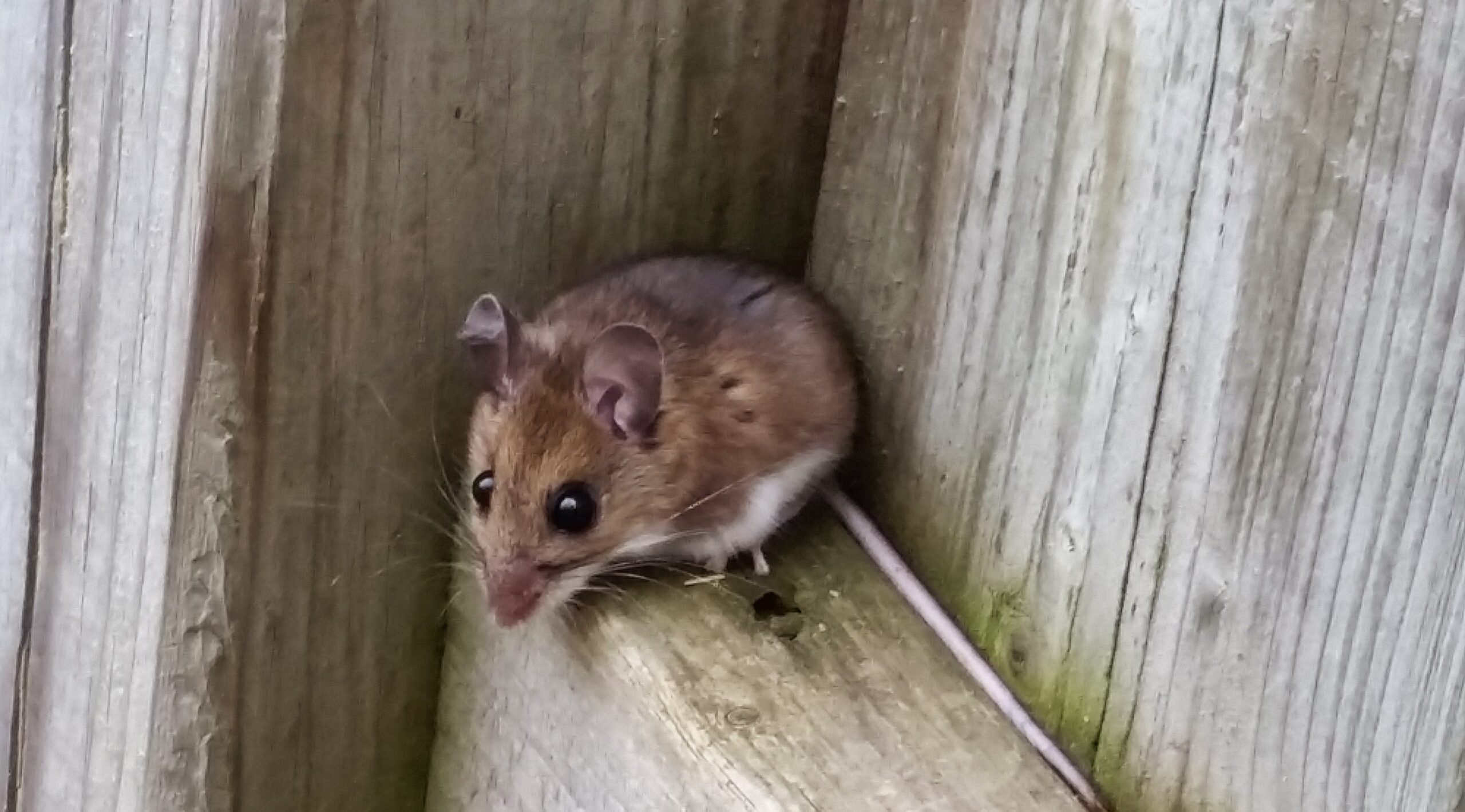
You feel the cold the moment winter hits the city. Sidewalks freeze, snow piles up, and staying warm becomes a daily focus. But while you add layers and turn up the heat, mice face the same harsh conditions outside. One of the biggest questions homeowners ask is how mice survive winter when temperatures drop so low.
You may be surprised to learn that these animals do not hibernate. Instead, mice in winter exhibit behaviour changes in smart and strategic ways. They look for warmth, shelter, and steady food sources, often bringing them closer to buildings.
At Skedaddle Humane Wildlife Control in Toronto, we see how quickly winter pressure leads to mice seeking warmth in homes once outdoor conditions become too hard to handle.
In this blog, you’ll learn how mice survive winter in urban environments, the key reasons they stay warm during harsh months, and why professional support matters when activity shifts toward structures. Let’s walk through each reason one by one.
Urban Heat Keeps Temperatures Higher Than Expected
You might assume winter feels the same everywhere, but cities hold heat longer than open areas. Roads, buildings, and pavement absorb warmth during the day and release it slowly at night. This creates slightly warmer conditions across urban spaces.
You often see this effect in action when snow melts faster near buildings or sidewalks. Even small temperature differences help rodents conserve energy. Instead of battling extreme cold, they move through areas where warmth lingers.
This urban heat effect plays a big role in how mice survive winter. It reduces the energy needed to stay warm and allows activity to continue even when temperatures fall well below freezing.
Sheltered Spaces Block Wind and Snow
You don’t need full warmth to stay safe in winter. You need protection from wind, moisture, and exposure. Cities offer many tight, covered spaces that block harsh weather and stay calmer than open outdoor areas.
Shelter is found in places like:
- Gaps Near Foundations and Utility Lines: These small openings are often hidden from view and stay protected from wind and snow. Heat from buildings can leak into these areas, keeping temperatures more stable. Once rodents slip inside, they are shielded from freezing air and storms. This makes these gaps ideal resting spots during long winter nights.
- Wall Cavities and Crawl Spaces: These spaces stay dark, quiet, and insulated by surrounding materials. Air movement is limited, which helps hold warmth longer. Mice can settle in without being disturbed and avoid constant exposure to cold conditions. This reduces the energy needed to stay warm through winter.
- Garages, Sheds, and Storage Areas: These structures block wind and trap heat from nearby buildings or stored items. Even unheated spaces stay warmer than the outdoors. They also provide cover from snow and ice buildup. Once shelter like this is found, mice often return to it repeatedly.
You may not notice these spaces, but they stay dry and calm during storms. Once mice find shelter like this, they can rest without burning energy fighting the cold. This is a key part of mice in winter behaviour in urban areas.
Insulated Nesting Traps Body Heat
You rely on insulation to keep your home comfortable. These mice use the same idea when building nests. Once sheltered, they gather soft materials to hold warmth close to their bodies.
Nesting materials often include:
- Shredded paper or cardboard
- Fabric scraps and fibres
- Insulation already present in structures
You might not see these nests, but they work like thick blankets. Heat stays inside, and cold air stays out. This nesting behaviour plays a major role in how mice survive winter without needing constant movement.
Grouping Together Reduces Heat Loss
You stay warmer with others nearby, and mice do the same. Group nesting helps reduce heat loss during long cold nights. Shared warmth allows bodies to maintain temperature with less effort.
You may not realize how effective this is. Several mice resting together can raise nest temperature enough to avoid dangerous cold stress. This behaviour limits energy use and supports survival when conditions stay harsh for days.
This social warmth strategy is common during winter and explains why activity often appears clustered once shelter is found.
Food Sources Stay Close in Cities
You struggle more when food is far away in winter. Mice face the same challenge. Urban areas provide steady food sources that reduce travel during cold weather.
Food sources may include:
- Waste and crumbs near buildings
- Pet food stored or spilled nearby
- Pantry access once indoors
You don’t see these as food, but they are reliable and easy to reach. Short trips mean less exposure to cold air. This steady access supports mice seeking warmth in homes during winter months.
Body Changes Help Maintain Heat
You add coats and hats in winter. Mice adjust too. Seasonal body changes help conserve heat and protect vital organs when temperatures drop.
These changes include:
- Slightly Thicker Fur for Insulation: As winter approaches, fur becomes denser and better at trapping warm air close to the body. This added layer slows heat loss and protects skin from cold drafts. Even small changes in fur thickness help maintain a stable body temperature. It works like a built-in winter jacket.
- High Metabolism that Produces Body Heat: A fast metabolism allows the body to create heat quickly. Energy from food is converted into warmth, helping mice stay active even in cold conditions. This constant heat production is important when shelter temperatures drop overnight. It keeps vital organs working properly.
- Fat Reserves that Support Energy Needs: Extra fat built up before winter acts as stored fuel. When food is harder to find, this reserve provides energy to stay warm. Fat also adds a thin layer of insulation under the skin. Together, these benefits reduce the risk of energy loss during long cold periods.
You won’t notice these changes, but they make a difference. Heat is generated faster, and warmth is held longer. This physical support works alongside shelter and nesting to explain how mice survive winter.
Reduced Activity Saves Energy
You rest more when it’s cold, and mice do the same. Winter behaviour often includes shorter active periods and longer rest times. Energy is saved whenever possible.
You may notice activity happens mostly at night or during quieter hours. Movement slows during storms or extreme cold. This pattern prevents heat loss and limits exposure.
By conserving energy, these rodents avoid burning calories needed for warmth. This strategy supports long-term survival throughout winter.
Snow Can Act as Insulation Outdoors
You may see snow as a problem, but it can also help. Snow traps air and forms a barrier against colder temperatures above. Under snow cover, temperatures stay more stable.
You might not expect mice to move beneath snow layers, but tunnels form naturally. These pathways protect against wind and sudden temperature drops. Even brief shelter like this reduces cold stress.
This natural insulation adds another layer to how mice survive winter in city environments.
Quiet Spaces Stay Undisturbed for Long Periods
You move through your home every day, but some areas stay untouched for long periods. Attics, storage rooms, and wall cavities are rarely entered, especially in winter. These spaces stay dark, quiet, and protected from daily activity, which makes them feel safe.
These quiet areas offer steady temperatures, very little noise, and protection from predators. Because nothing changes around them, mice can rest without stress or danger. Once shelter like this is found, it is often used for a long time. This is why mice seeking warmth in homes can remain hidden until clear signs finally appear.
Structures Retain Heat from Daily Use
You heat your home every day. That warmth doesn’t stay perfectly contained. Heat leaks into walls, floors, and nearby spaces.
You don’t feel it, but mice do. Warmth near appliances, pipes, and vents creates ideal resting spots. Even small heat sources can raise temperatures enough to support survival.
This heat leakage is a major reason winter behaviour shifts toward buildings as temperatures drop.
Why Winter Pressure Pushes Activity Closer to Homes
You may notice more activity near homes as winter sets in. Cold weather makes it harder to find food and safe shelter outdoors. When temperatures drop, mice look for places that stay warm, dry, and protected from wind.
This shift often happens when snow covers food sources, sudden cold snaps arrive, or strong winds make open areas unsafe. Buildings offer steady conditions that help mice conserve energy. Early winter pressure pushes activity closer to structures, which is why getting our professional support at this stage can prevent bigger problems later.
Humane Removal With a Professional Wildlife Team
You don’t need to manage this situation on your own. Humane removal focuses on calm exit and long-term prevention, not force or panic.
Our professional approach includes:
- One-way doors that allow wildlife to leave but not return
- Full inspections to identify shelter and movement
- Reinforcement after activity fully ends
You benefit from a process that protects the structure while respecting wildlife. This approach addresses mice seeking warmth in homes without creating new risks.
Stay Ahead of Winter Activity
You don’t need to guess how mice survive winter or wait for signs to worsen. Understanding mice in winter behaviour helps explain why activity shifts toward buildings during cold months.
Skedaddle Humane Wildlife Control in Toronto provides safe, humane solutions designed to protect homes and address mice seeking warmth in homes. Request an estimate to learn more about how our team helps prevent mice. Taking action early keeps winter predictable, protected, and easier to manage.

 Loading...