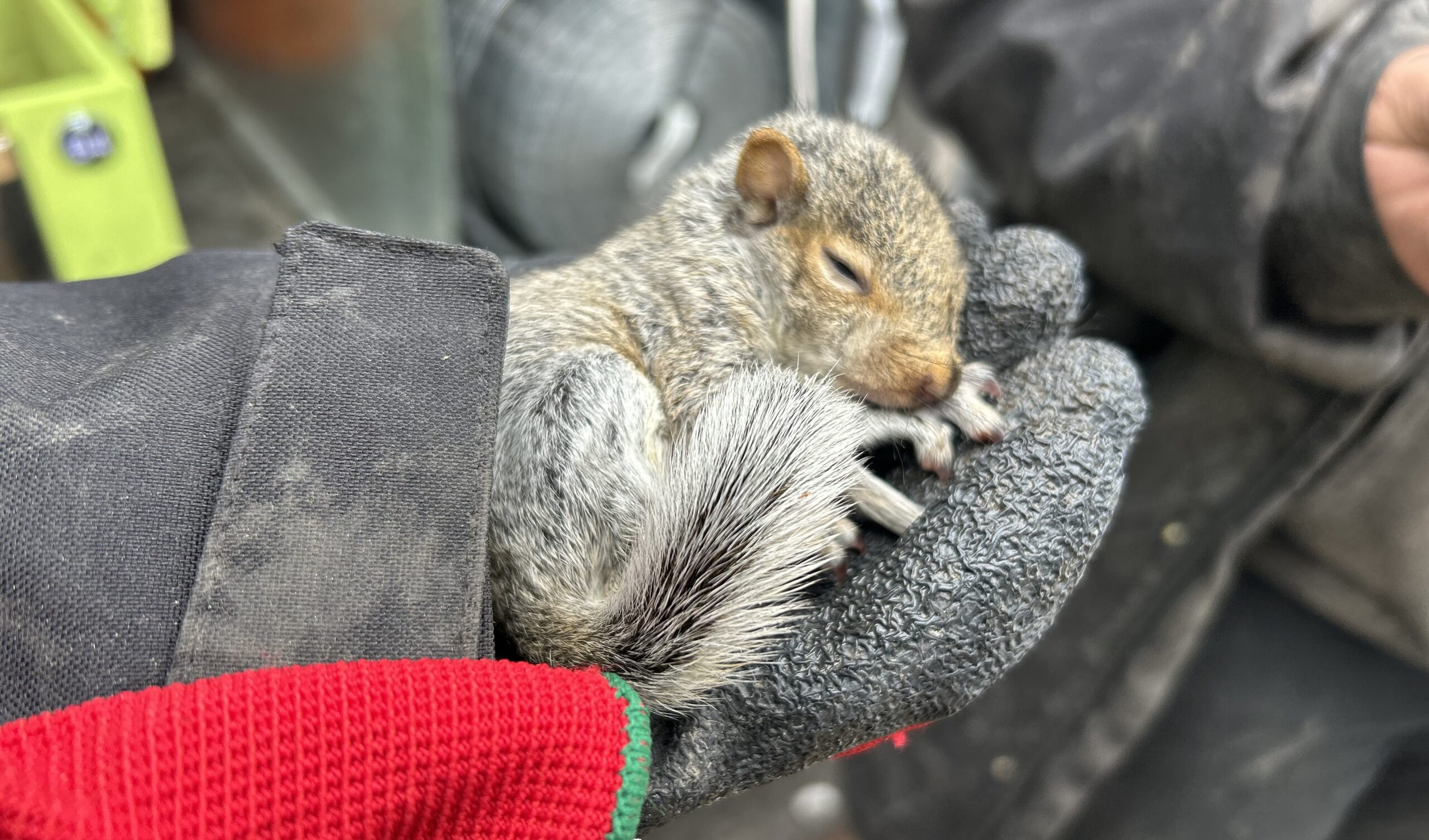

When cold winds sweep through Toronto and ice forms on Lake Ontario, many homeowners find themselves hosting unwanted guests—squirrels in roofs during winter. At Skedaddle, we’ve seen firsthand how these resourceful animals slip into homes along the tree-lined streets near High Park and other neighbourhoods, searching for warmth and safety as temperatures drop. If you’re surprised by the noises overhead or worried about the well-being of your property, you’re not alone. These clever animals have developed effective winter survival tactics, which often put your home at risk.
By understanding their warmth-seeking behaviour, you’ll be empowered to protect your property and ensure your family’s comfort through the coldest months.
Why Squirrels Seek Warmth in Roofs and Soffits
As temperatures in Toronto begin to freeze and the landscape turns white, the instinctual drive for warmth pushes squirrels to seek out new den sites. Roofs and soffits offer ideal shelter, protecting them from the harsh wind, snow, and icy nights. This isn’t simply a matter of convenience for them—it’s a matter of survival.
Squirrels demonstrate clear preferences for structures with certain features: older homes with weathered soffits, roof edges, or vents; easily accessible rooftops thanks to close branches or utility wires; and areas free from human or pet disturbance, offering peace for raising young.
During the coldest weeks, we see evidence of winter squirrel warmth-seeking behaviour on many properties. Squirrels choose the uppermost corners of buildings—the parts that are naturally warmer and better protected from the elements—because these spaces help them maintain their body temperatures without expending excess energy. Once inside, these clever climbers can remain active even when storms rage outside. Eaves, soffits, and attic spaces are a squirrel’s refuge when freezing winds hit Toronto. But as convenient as these spaces are for them, they bring unique headaches for homeowners—a topic we’ll explore next as we discuss problems associated with squirrels in soffits during freezing temperatures.
The Impact of Soffit Squirrel Problems During Freezing Temps
While having squirrels find shelter in your home might seem harmless at first, the reality is that their urgent search for warmth often leads to extensive property damage.
Common issues include:
- Holes and chewing marks along soffits, vent covers, and fascia boards
- Damaged or displaced insulation
- Torn air ducts and wiring
- Water stains from disturbed or missing roof materials
- Unpleasant odours from urine and droppings
- Squirrels gnawing through seemingly sturdy materials like aluminum, vinyl, and metal vent covers
Beyond visible damage, nesting behaviour leads to hidden costs: reduced energy efficiency as insulation is moved or destroyed, leading to higher heating bills; increased fire risk due to chewed wiring; and growth of mould and bacteria where moisture and contamination accumulate. What starts as small, barely noticeable chewing marks can quickly escalate into substantial repair bills by spring. Property owners on streets from downtown to North York have dealt with repairs extending far beyond the initial entry point—all because these persistent animals are so determined to find warmth.
We’ve seen that even after winter, signs of their presence can linger, affecting more than just your home’s structure. Let’s transition to a side of the problem that goes unmapped by repair crews yet deeply affects those who live in the affected homes: the psychological impact.
The Psychological Effects of Squirrels in Roofs
The presence of squirrels in roofs during winter can trigger more than maintenance headaches; it can also have real emotional and psychological effects for homeowners and their families.
Consider the following experiences: interrupted sleep from scampering and scratching sounds above ceilings, especially at dawn and dusk; persistent anxiety over potential health threats and structural damage; feelings of embarrassment when houseguests hear unexplained noises or notice odour; and disruption of peace and comfort within one’s home.
For many, the home is a sanctuary from Toronto’s frigid winter weather. Having squirrels intrude on that safe space can make homeowners feel out of control or anxious about unseen hazards growing overhead. Children may express fear, while adults worry about expensive repairs if the situation isn’t managed quickly. Understanding the emotional toll is important because it often motivates proactive action. Restoring calm and security requires both solving the current problem and preventing future ones. Next, let’s review the steps you can take to prevent and effectively remove squirrels—especially as the city heads into deep freeze.
Practical Strategies: Prevention and Removal
Facing squirrel problems during freezing weather can be unsettling, but effective and humane strategies exist. The most successful approach combines prevention, timely intervention, and the support of trained professionals.
To protect your home this winter, we recommend:
- Schedule a Professional Assessment: Have our wildlife technicians conduct a thorough inspection before temperatures drop further. We’ll identify every potential entry, including hidden cracks and aging soffits, using our experience and specialized equipment.
- Seal Vulnerable Points: Use heavy-gauge screening and sturdy construction materials to securely block all openings. Skedaddle’s technicians professionally install these barriers so that even the most determined squirrel can’t chew through.
- Humane Squirrel Removal: If squirrels are already inside, our team removes adults and babies by hand, keeping family groups together. Babies are placed in safety boxes outdoors so mothers can relocate them naturally—ensuring no animal is harmed.
- Clean and Decontaminate: We complete a thorough cleanup of all droppings, soiled insulation, and nest material. Proper sanitation prevents odours, reduces the risk of parasites, and creates a healthy environment for your family.
- Ongoing Peace of Mind: After the removal, our team deodourizes the area to mask scent trails that might attract new wildlife. We offer long-term repairs and checkups to ensure your home remains protected, even as winter returns year after year.
By following these steps, you can rest easier knowing your home is secured against the unique challenges Toronto winters—and its squirrels—bring.
Winter Squirrel Behaviour: What Every Homeowner Should Watch For
As leaders in humane squirrel removal, we’ve learned that early awareness is key to stopping major problems before they start. Recognizing their warmth-seeking behaviour can help homeowners in Toronto intervene before significant damage is done.
Watch for these telltale signs:
- Odd noises (scratching, running, gnawing) from your ceiling, especially early or late in the day
- Unexplained drafts and fluctuating room temperatures; small holes or chew marks on soffits, vents, or eaves
- Debris piles (twigs, leaves) near attic entries
- Visible squirrels climbing along the roofline or nearby wires.
The sooner these symptoms are detected and acted upon, the less opportunity squirrels have to establish deeper nests or cause hidden damage. Homeowners who reach out quickly often experience a much smoother and less expensive resolution. If you’re uncertain about what you’re seeing or hearing, our technicians can help determine if squirrels are active in your roof environment. Our thorough inspections offer the answers you need, backed by over 30 years of experience serving homes just like yours.
Why Choose Skedaddle for Squirrel Problems in Toronto?
Squirrels in roofs during winter present more than a seasonal inconvenience—they’re an urgent challenge that calls for expert knowledge, thoughtful prevention, and safe, humane intervention. At Skedaddle, we pride ourselves on a process built around your needs as a Toronto homeowner.
By working with us, you’ll benefit from:
- Over three decades of local experience understanding squirrels’ behaviours and den preferences
- Tailored removal and exclusion plans based on each unique property’s construction and vulnerability
- Advanced tools, including thermal imaging and custom-fit barriers
- A commitment to safe, family-focused techniques that respect wildlife
- Genuine customer support, from your first call to final cleanup and repairs
Squirrel problems during freezing temperatures are all too common in neighbourhoods near landmarks like High Park, where large trees meet diverse architecture. We’re here to help you reclaim peace, warmth, and safety—no matter how cold this Toronto winter gets.
By understanding why squirrels choose roofs and soffits for warmth and staying ahead of their winter behaviour, you can protect your home for many seasons to come. If you suspect they have made themselves at home above your ceiling, reaching out for professional support is the next essential step.
Secure Your Home Against Winter Squirrel Intrusions
As winter deepens in Toronto, squirrels become determined to find warmth wherever they can—including your attic, soffits, and roof spaces. Their remarkable ability to squeeze through small gaps, paired with gnawing behaviour, can lead to extensive property damage, health risks, and mounting stress for homeowners. Addressing these challenges promptly not only protects your home from costly repairs but also restores comfort and peace of mind during the coldest months.
Don’t let squirrels turn your home into their winter retreat. Skedaddle’s seasoned technicians understand local squirrel behaviours and use proven, humane methods to remove animals and prevent future invasions. With over 30 years of experience and a dedication to thorough cleanup and long-term exclusion, our team provides the reliable solutions you need. Contact Skedaddle today—let us safeguard your home against unwanted guests and ensure you enjoy a season of warmth and security.

 Loading...







