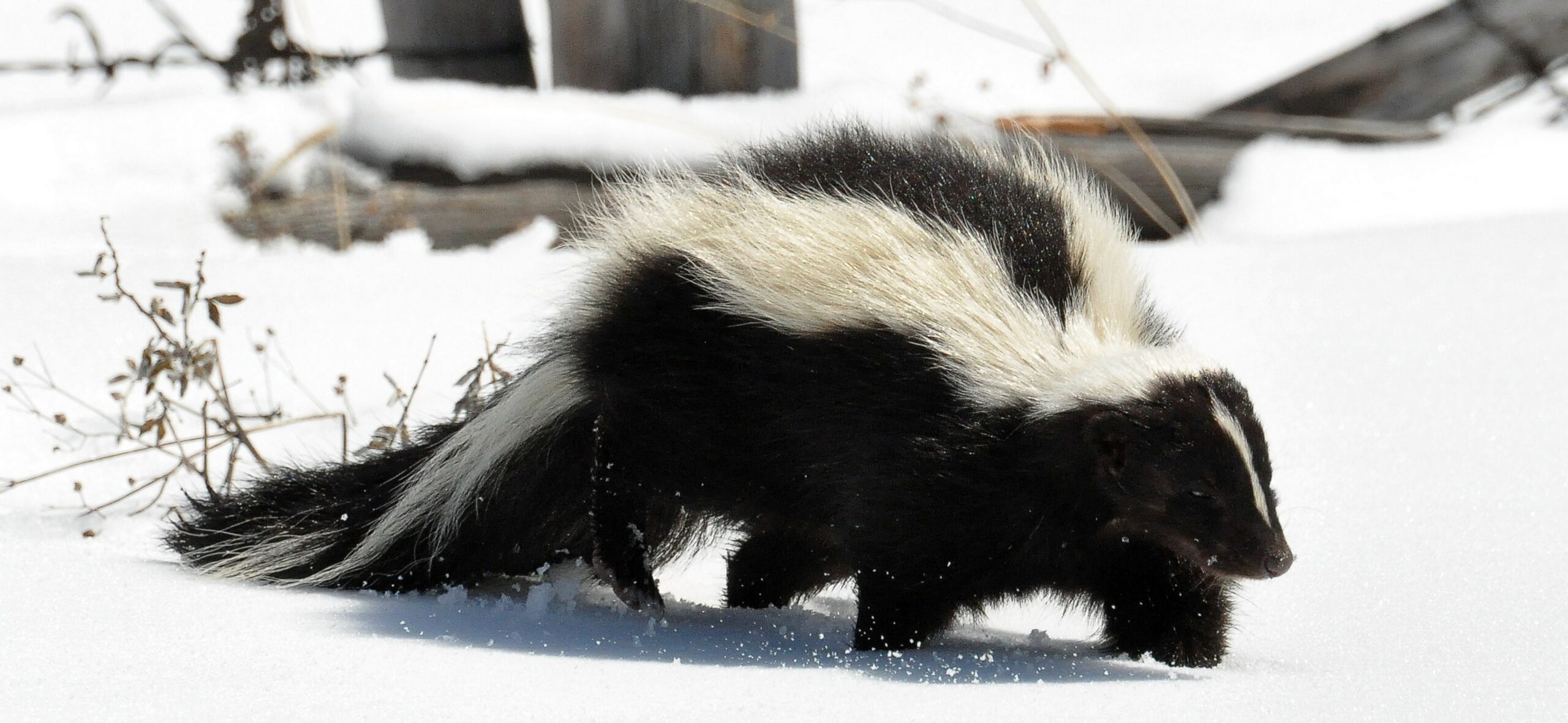
You may step outside one morning and notice small holes in the lawn, a strong smell near the deck, or quiet movement under a shed. At first, it can feel confusing and stressful.
When that activity keeps happening, it often points to a skunk family in your yard. This situation is common in cities, especially where yards offer shelter and food.
You don’t need to figure this out on your own. When a skunk family in your yard settles in, the safest path is professional help. Humane skunk removal focuses on guiding animals out safely, protecting the property, and preventing repeat issues. At Skedaddle Humane Wildlife Control, we handle these situations every day using calm, structured methods designed for urban homes.
In this blog, you’ll learn how professionals handle a skunk family in your yard, what steps are taken to move animals out safely, and how long-term prevention works. You’ll also learn how to deal with skunks outside in a way that protects your home without causing panic or damage.
Professional Inspection of the Yard
You may only see part of the problem from the surface. A professional inspection helps reveal what’s really happening below decks, sheds, and porches. This first step sets the direction for humane skunk removal.
During an inspection, our team looks at how the yard is being used and where shelter exists. We check soil conditions, openings, and signs of repeated movement. These details help confirm whether a skunk family in your yard is present and how long the area has been active.
Key inspection goals include:
- Identifying den locations under structures or ground cover
- Noting travel paths used during evening and early morning
- Checking how close activity is to foundations and entry points
This step ensures the plan fits the property and avoids surprises later.
Assessing Shelter and Den Areas
You may not realize how inviting a yard can be. Low decks, sheds, and loose soil create quiet spaces that feel safe. Professionals focus on understanding why the area was chosen.
Den areas are assessed carefully to confirm active use. This includes watching for signs of a mother and young, which changes how humane skunk removal is handled. Timing matters, and this assessment helps guide every next step.
By understanding shelter conditions, our professionals can plan a safe exit without forcing skunks to panic or spray. This keeps the situation controlled and predictable.
Guiding Safe Exit Using One-Way Doors
You want skunks to leave without stress or damage. That’s where one-way doors come in. These devices allow wildlife to exit naturally but prevent re-entry.
Professionals install doors only after confirming exit routes and activity patterns. Placement matters. When used correctly, skunks leave on their own schedule, often within a short period.
This approach supports humane skunk removal by avoiding direct contact and reducing risk. Once exit activity stops, the area can move to the next phase safely.
Monitoring Until Activity Fully Ends
You may think the work is finished once skunks leave the area, but professionals don’t rush this step. Monitoring helps confirm that the entire family has exited and that no young are still using the space. This protects the skunks and prevents problems later.
During monitoring, professionals check for fresh tracks, digging, or movement around the former den. Even small signs matter, because they show whether activity has truly stopped. Sealing too early can cause stress and damage if skunks try to get back inside.
Patience at this stage makes a big difference. Waiting until activity fully ends keeps the process calm, humane, and effective. It also reduces the risk of repeat visits to the same spot.
Securing Entry Points After Exit
You get the best results when prevention follows removal. Once activity has clearly stopped, professionals move forward with securing access points to stop future use of the area.
This work may include reinforcing soil edges, closing gaps under decks or sheds, and installing barriers that hold up through weather and seasonal changes. These materials are chosen to block access without harming wildlife.
Securing entry points changes how the yard functions as shelter. Instead of feeling safe and hidden, the space becomes uninviting. This step is what turns short-term removal into long-term protection.
Managing Yard Conditions That Attract Wildlife
You may not notice how small details in the yard make it appealing. Professionals look at the entire space to reduce the chances of skunks returning later.
Yard management often focuses on:
- Limiting access under decks and sheds where quiet shelter forms
- Addressing loose soil near foundations that allows digging
- Reducing cover that creates hidden travel paths
These changes make the yard less comfortable as a den site. Over time, this helps ensure a skunk family in your yard does not return once removal is complete.
Protecting Structures Near the Yard
You may first notice activity outside, but how close it is to the home matters. When wildlife stays near structures, the risk of damage increases over time.
Our professionals assess foundations, vents, edges, and nearby access points to reduce that risk. Even if skunks never enter the home, prevention around these areas adds an important layer of protection.
This step helps keep outdoor activity from shifting indoors later. Protecting nearby structures supports long-term success and keeps the situation stable season after season.
How Humane Skunk Removal Protects the Property
You want solutions that respect wildlife while still protecting your yard and home. Humane skunk removal focuses on calm, planned exit instead of panic or force. This approach keeps situations safer, quieter, and easier to manage from start to finish.
This approach helps because:
- Reduces Stress for Animals and Homeowners: Calm methods allow animals to leave on their own without feeling trapped or threatened. This lowers stress for the wildlife and removes fear and uncertainty for you as the homeowner. A calmer process leads to better results.
- Prevents Spraying and Property Damage: When skunks feel cornered, spraying and damage are more likely to happen. Humane skunk removal avoids sudden movement or pressure that triggers defensive behaviour. This protects your yard, nearby structures, and outdoor spaces.
- Supports Predictable Outcomes: A structured, professional approach follows clear steps from start to finish. This makes the timeline easier to manage and avoids surprise issues. Predictable outcomes help ensure the situation is resolved properly the first time.
By guiding skunks out naturally and securing the area afterward, professionals keep the process controlled, respectful, and effective for everyone involved.
Why Timing Matters With a Skunk Family
You may want the situation resolved quickly, but timing plays a big role in keeping the process safe and effective. Wildlife families follow regular daily patterns, such as leaving to forage and returning to rest. Our professionals plan each step around these routines to avoid stress and confusion.
Rushing can cause problems, including incomplete exit or repeated digging as skunks try to return. Waiting for the right moment allows the entire family to leave together without panic. Proper timing also protects young skunks and prevents the yard from being disturbed again.
This careful approach is an important part of how to deal with skunks outside in a calm and humane way.
Long-Term Prevention With a Professional Wildlife Team
You benefit most when prevention is part of the plan, not an afterthought. Once access points are closed and shelter is removed, yards become far less inviting for wildlife looking to settle in. Long-term prevention changes how the space works so the problem does not repeat next season.
Our professional prevention focuses on:
- Reinforcing Weak Areas: Soft ground, gaps under decks, and open edges are strengthened so digging and entry are no longer easy. These reinforcements are designed to hold up through weather changes and regular yard use. Strong barriers reduce the chance of return.
- Protecting Seasonal Den Spots: Areas commonly used for shelter during colder months are secured once activity ends. This prevents skunks from returning to familiar nesting locations year after year. Blocking these spots early lowers future risk.
- Reducing Future Shelter Options: When hiding places are removed, the yard no longer feels safe for long-term use. Wildlife naturally moves on to other areas that offer better protection. This shift helps keep your property clear over time.
By building prevention into the process, our professionals help ensure the issue stays resolved—not just for now, but for seasons to come.
When Yard Activity Signals a Bigger Risk
You may feel relieved when skunks stay in the yard and away from the house, but outdoor activity is often the first step. As seasons change, food becomes harder to find and shelter becomes more important. This pressure can slowly push wildlife closer to decks, sheds, and foundations.
You might notice digging near structures or repeated paths forming along fences and edges. These patterns show that the yard is being used regularly, not just for a quick visit. Over time, this increases the chance of denning near or under built spaces.
Early professional support helps keep the situation from growing. Addressing a skunk family in your yard early limits damage, reduces stress, and keeps control simple and predictable.
A Calm, Professional Way Forward
You don’t need to handle this alone. Humane skunk removal works best when handled by trained teams who understand wildlife behaviour and property protection.
At Skedaddle Humane Wildlife Control, we use proven methods that guide skunks out safely and help prevent repeat issues. If you’re dealing with a skunk family in your yard and want to learn how to deal with skunks outside the right way, you can request an estimate to get clear next steps.
Taking action early helps keep your yard calm, protected, and easier to manage long-term.

 Loading...







