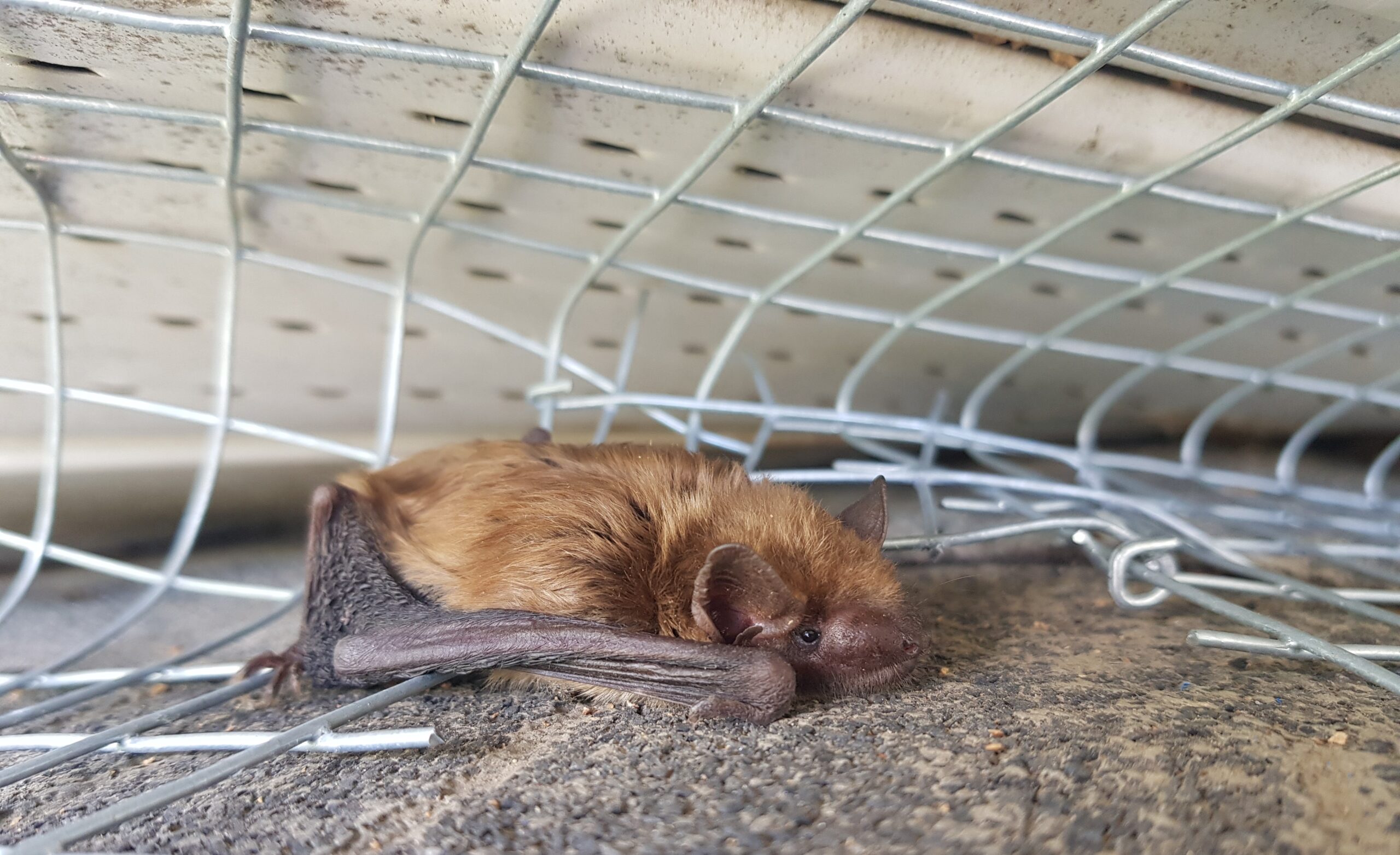
You might think winter keeps wildlife away, but that’s not always true, especially for bats. When temperatures drop, bats look for safe, warm spaces to rest. For many Canadian homeowners, that space ends up being the attic.
How do you tell if bats are roosting in your attic in December? You may not see them flying around, but small signs can reveal what’s really going on. At Skedaddle Humane Wildlife Control in Toronto, we often find bats in the attic in December that homeowners didn’t even know were there.
You can spot the clues if you know what to look and listen for. This guide walks you through how to identify bat roosting in winter, what signs to watch for, and how our professionals can prevent bats in your attic in winter, safely and humanely.
1. You Hear Fluttering or Scratching Sounds
When everything’s quiet at night, small sounds stand out. If you hear soft fluttering, scratching, or squeaking coming from your attic or walls, it might not be the wind.
Bats often shift position or move between roosting spots during mild winter days. You might notice:
- Gentle flapping or rustling after dark
- High-pitched squeaks near ceilings
- Repeated scratching sounds in the same area
These noises can happen when bats wake briefly during torpor, a light sleep that helps them survive cold weather. If you notice these sounds often, it could mean you have bats in the attic in December.
2. You Notice Stains or Marks Near Entry Points
Bats are small, but they leave visible signs behind. As they squeeze through gaps or vents, the oils from their fur can leave brown or black smudges on walls, siding, or soffits.
You may spot these stains:
- Around vents or rooflines
- Near attic windows or gable ends
- On the edges of small holes in the siding
Even tiny gaps, as small as a dime, can be enough for a bat to enter. When our team inspects homes, we look closely at these dark smudges as part of our process to identify bat roosting in winter.
3. You Find Small Droppings (Guano)
Guano, or bat droppings, often collects below entry points or along attic floors. It looks like dark, crumbly pellets; similar to mouse droppings, but it tends to sparkle slightly due to insect shells.
You might spot it:
- On attic insulation or near vents
- Along the tops of beams or rafters
- By windowsills or door frames outside
You should never handle or clean up guano yourself. It can carry health risks, so this is something only professionals should deal with safely. If you see buildup, it’s a strong sign that bats are roosting nearby.
4. You Smell a Strong, Musty Odour
A distinct, musty odour often develops where bats roost. It’s a mix of guano, urine, and body oil,s and it can spread through vents or ceilings.
You might first notice the smell in an upstairs hallway or bedroom near your attic. The scent often grows stronger during warmer days when bats move around more. That odour is another sign of bats in the attic in December and should never be ignored.
5. You See Bats Flying Near Dusk
Even in cold months, bats occasionally fly out on mild evenings to search for food. You may notice movement near your roofline or eaves just after sunset.
They often exit through the same opening each time, so watch for patterns. If you see small, quick-moving shapes flying from your home at twilight, it could mean a roost is active. Our team uses this behaviour to identify bat roosting in winter and find exact entry points before sealing them off.
6. You Find Tiny Gaps or Openings Around the Roof
Your home doesn’t need big holes for wildlife to sneak in. Bats can enter through spaces less than an inch wide. During inspections, we often find openings that homeowners didn’t even realize existed.
Look for these common access points:
- Loose siding or warped soffits
- Gaps around roof vents or chimneys
- Missing or cracked shingles
These entry points are prime spots for bats seeking warmth. Professionals can use humane one-way doors that let bats exit safely but prevent re-entry, an essential part of how we prevent bats in attics in winter.
7. You Notice Temperature Changes in the Attic
Bats choose attics because they hold heat better than outdoor spaces. If you feel warmer air or notice condensation inside during cold months, it could be due to hidden animals generating warmth in their roosting spots.
This temperature shift doesn’t always mean a problem, but when combined with noises, smells, or stains, it points to bat activity. Our technicians use specialized equipment to detect warm areas or nesting clusters without disturbing the animals.
8. You Spot Pet Reactions or Unusual Behaviour
Pets often notice things before humans do. If your dog barks at the ceiling or your cat stares at vents or attic doors, they may be sensing movement or sounds.
Animals have sharp hearing and can pick up frequencies that people can’t detect. If this behaviour continues, especially at night, it could mean there’s wildlife above or behind your walls. Pets can help alert you to hidden bats in the attic in December, even when everything seems quiet.
9. You Find Grease Marks or Rub Stains Indoors
Bats often travel the same paths in and out of their roost. As they brush against wood, drywall, or insulation, they leave faint streaks of dark residue. These marks are easy to miss but become more noticeable over time.
You may notice these stains along attic beams or near small openings in the ceiling. They’re usually soft, oily lines that grow darker the longer bats stay. If you see this, it’s a key indicator that your attic may already be home to a winter colony.
Keep Your Home Safe From Bats This Winter
When you hear unusual noises, notice smells, or find stains near your roof, it could be more than just the season; it could be signs of bats in the attic in December. Knowing how to identify bat roosting in winter helps you act before damage or health risks grow.
At Skedaddle Humane Wildlife Control in Toronto, we specialize in safe, humane bat removal and prevention. Our methods ensure animals can exit without harm and stay out for good.
Request an estimate to learn more about how we can prevent bats in your attic in winter and keep your home safe, clean, and quiet all season long.

 Loading...