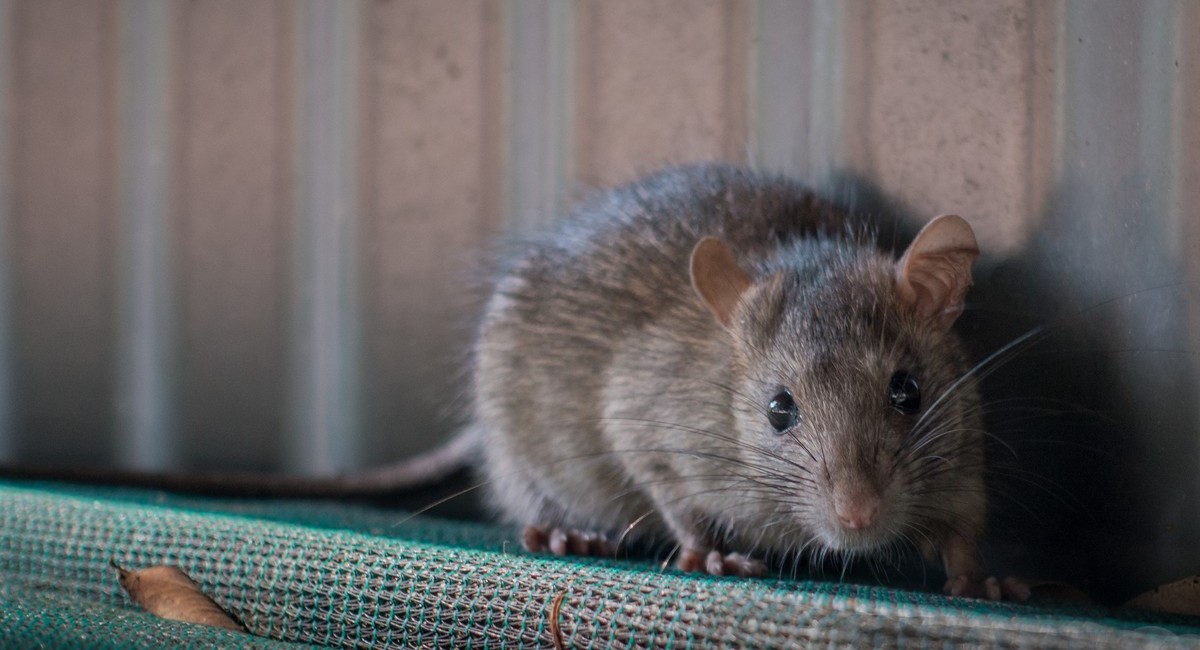
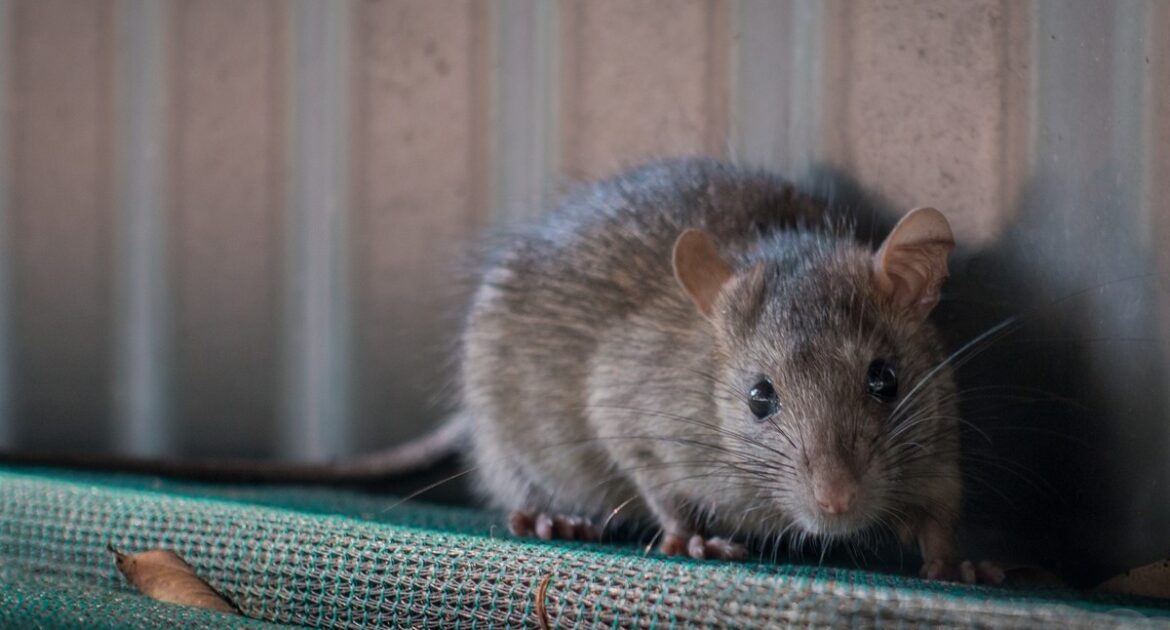
Living in one of Toronto’s beautiful older homes comes with charm and character. However, it could also come with some unexpected visitors. Rats in older homes are a common problem many Torontonians face.
The age and structure of these houses often provide rats with easy ways to get inside. The wear and tear that naturally comes with time can lead to problems like small gaps, cracks, or weakened materials, all of which rats can use as entry points.
Older homes also tend to come with outdated materials and construction styles that rats find attractive. Features like wooden foundations, older pipes, and poorly sealed openings can unintentionally provide rats with exactly what they’re looking for.
Combined with Toronto rat problems, such as high rat populations in urban areas, your older home can seem like an open invitation. Luckily, there are steps you can take to prevent rats in your home and keep them out for good.
At Skedaddle Humane Wildlife Control in Toronto, we’ve seen firsthand how rats get into homes.
Below, we’ll highlight the most common ways older houses invite rats inside and share tips on how to protect your home from these unwelcome guests.
Foundation Cracks and Gaps
One of the biggest culprits in rats entering older homes is the foundation. Over time, even sturdy materials like concrete can crack or shift. Rats only need a gap the size of a quarter to squeeze through. Cracks in the foundation or along the walls aren’t just unsightly; they’re practically doorways for rats.
How can you stop that?
- Inspect your foundation regularly for cracks or holes.
- Seal any small gaps with materials like steel wool or caulk, as rats can chew through weaker substances.
- Larger cracks may require professional repair to ensure the structure is secure.
Taking action now can stop rats in older homes before they have a chance to settle in.
Roof and Attic Openings
Toronto rat problems aren’t just at ground level. Rats are excellent climbers and can easily find their way to the roof or attic of a house. Older homes often have loose shingles, damaged vents, or gaps where the roof meets the walls. These openings make it easy for rats to sneak in and start nesting.
Key tips to prevent this include:
- Checking your roof regularly for damage or missing shingles.
- Sealing attic vents with durable mesh to allow airflow while keeping pests out.
- Trimming overhanging tree branches that give rats easy access to your roof.
If rats have already found their way into your attic, our Skedaddle team can help remove them using humane one-way doors, allowing them to leave but not return.
Gaps Around Doors and Windows
Another common issue in older homes is worn-out doors and windows. Over the years, frames can warp, and weatherstripping may deteriorate. These small gaps may not seem like a big deal, but for determined rats, they’re easy entry points.
Here’s what you can do:
- Check the weatherstripping around all doors and windows and replace it when it becomes loose or brittle.
- Use door sweeps to seal the gap beneath exterior doors.
- Ensure window screens are secure and free from tears.
Simple fixes like these can go a long way to prevent rats in your home.
Poorly Sealed Utility Openings
Utility lines such as gas, plumbing, and electrical wiring often come into our homes through small openings in the walls. Unfortunately, poorly sealed utility openings are an open invitation for rats in older homes. These gaps might be hidden behind appliances or in your basement, making them easy to overlook.
Here’s how to deal with them:
- Inspect areas where utility lines enter the home, inside and out.
- Seal any gaps or holes with steel wool or rodent-proof caulk, which rats can’t gnaw through.
- If sealing large openings yourself seems tricky, our team can safely and effectively handle the job.
Clutter and Poor Maintenance
Clutter, both inside and outside, can also attract rats. Older homes often have nooks and crannies where items accumulate, making perfect hiding spots for rodents. Unkempt yards, woodpiles, or overgrown vegetation can also be a draw for Toronto rats looking for a new home.
To make your property less inviting, follow these steps:
- Keep Your Yard Tidy by Removing Woodpiles, Debris, and Overgrown Shrubs: A messy yard provides the perfect hiding spots and nesting areas for rats. Clearing away woodpiles and cutting back overgrown shrubs will make your yard less inviting. Plus, maintaining a clean yard can also make it easier to spot any signs of rat activity early.
- Store Food in Sealed Containers in the Kitchen and Pantry: Rats are always on the lookout for easy meals, and improperly stored food is a big draw. Use airtight containers to store items like cereal, pet food, and snacks to keep them out of reach. Even foods like fruit on the counter can attract rodents, so be sure to check regularly for any signs of nibbling.
- Declutter Basements, Attics, or Storage Areas: Stacks of boxes or piles of unused items create the perfect hiding and nesting spots for rats. Sort through these areas and get rid of things you no longer need to eliminate potential shelters. A clutter-free space also helps you spot rat droppings or damage sooner, so you can act quickly to solve the problem.
A clean and well-maintained property can make it much harder for rats to find ways in or reasons to stick around.
Outdated Materials in Older Homes
Some materials used in the construction of older homes can attract rats. For example, wooden foundations or older insulation can be tempting to these pests. Over time, wear and tear make these materials even more appealing as they become easier to chew through.
If you suspect your home still has aging or outdated materials, consider upgrading where possible. Insulation, for example, can be replaced with modern options that aren’t attractive to rodents. A contractor or professional wildlife control team, like us at Skedaddle, can help identify vulnerable areas in your home.
How Skedaddle Humane Wildlife Control Can Help
At Skedaddle, we know dealing with rats in older homes can be overwhelming. That’s why our professional team in Toronto focuses on long-term solutions to keep your home rat-free.
When you call us, we assess your home to locate entry points and potential problem areas. We then install our one-way doors, which allow rats to leave the home but prevent them from coming back in. Our goal is to not only get rid of the rats but also make sure they don’t return.
Protect Your Older Home from Rats
If you’ve noticed signs of rats or suspect that your older home might be at risk, don’t wait to address the issue. Rats in older homes are more than just a nuisance; they can cause serious damage to your property and health risks for your family. Gaps, cracks, and outdated construction in older homes create easy entry points, making Toronto rat problems a real concern for homeowners.
Taking steps to prevent rats in your home starts with securing your property. At Skedaddle Humane Wildlife Control in Toronto, we specialize in using humane and effective techniques, like our one-way doors, to safely remove rats and stop them from getting back inside. With our help, you can protect your home and enjoy peace of mind, knowing it’s safe from rat infestations.
Don’t wait for a small problem to become a big one. Contact Skedaddle Humane Wildlife Control in Toronto today to request an estimate. Together, we can secure your home and make rat problems a thing of the past.

 Loading...