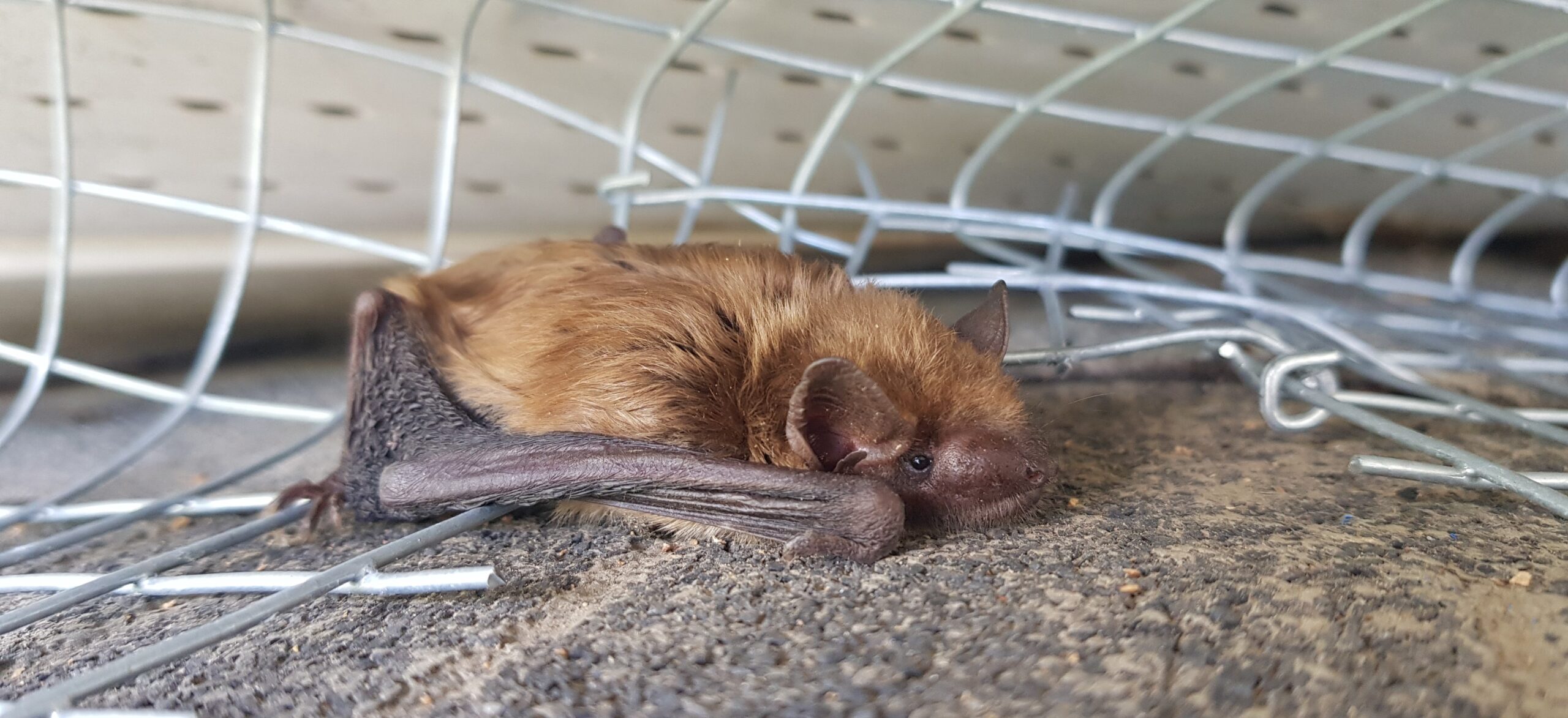
Bats are remarkable creatures that are often misunderstood. While most people know that these mammals eat mosquitoes, many wonder about their dietary alternatives when these flying insects aren’t available. The truth is, bats are highly adaptable predators with flexible feeding habits that allow them to thrive in various environments and seasons. At Skedaddle Humane Wildlife Control in Toronto, we’ve spent over 30 years studying and safely removing bats from homes, providing us with unique insights into their dietary preferences and behaviours throughout the year.
Bat Diet Alternatives: Beyond the Mosquito Menu
When we think of bats, most of us picture them soaring through the night sky, consuming mosquitoes by the thousands. While this image isn’t wrong, it only tells part of the story. Bats are opportunistic feeders with diverse palates that extend far beyond mosquitoes.
Alternative insects: They consume numerous flying insects including:
- Moths
- Beetles
- Flies
- Wasps
- Midges
- Gnats
Seasonal preferences come into play, especially during colder months or in areas with fewer mosquitoes. Bats modify their hunting strategies to target the most abundant insects. A single bat can consume up to 1,200 mosquito-sized insects per hour and may eat up to 3,000 insects in a single night, which equates to approximately one-third of their body weight in food each night.
This dietary flexibility is a key reason for the success of bats as a species, with over 1,400 different types worldwide. Their ability to adapt feeding patterns according to available food sources helps them survive in environments ranging from dense forests to urban areas.
What Bats Eat Without Mosquitoes: Surprising Food Sources
Bats are remarkably resourceful when their preferred food isn’t available. Different species have evolved to specialize in various food sources, making them incredibly adaptable to changing conditions.
Insect Specialists Find Alternative Prey
The most common bats in North America are insectivorous, meaning they primarily eat insects. When mosquitoes are scarce, these bats quickly pivot to other options:
- During mating seasons, bats often feast on termite swarms during their evening flights.
- Many bat species consume beetles, which constitute a significant portion of their diet in agricultural areas.
- Moths, rich in protein and available year-round in most regions, serve as staples for many bat species.
Beyond Insects: Other Food Sources
While most North American bats stick to insects, their diets are diverse worldwide:
Some species mainly eat fruit, particularly in tropical regions. These fruit-eating bats play crucial roles in seed dispersal and forest regeneration. Moreover, certain bats have evolved long snouts and tongues to feed on flower nectar, serving as important pollinators. In extreme cases, some bats may eat small fish, frogs, or even rodents, though such behaviours are rare among North American species.
Understanding what bats eat without mosquitoes illustrates their resilience and adaptability, explaining why you might observe bat activity around your home even when mosquito populations are low. Their capacity to switch food sources means they remain active and may still roost in your attic or walls regardless of local mosquito populations.
Bat Feeding Habits Throughout the Seasons
Bat diets shift throughout the year as insect populations rise and fall. These seasonal changes in feeding behaviour directly impact when and why bats might take up residence in your home.
Spring Emergence and Feeding
By spring, bats emerge from hibernation, desperately hungry from months of dormancy. During this time:
- They initially target whatever early-season insects have emerged.
- Early spring moths become a primary food source.
- Beetles provide substantial nourishment as they emerge from winter hiding spots.
- Bats may fly longer distances until insect populations increase.
Summer: Peak Feeding Season
Summer marks the height of bat activity. During these warm months:
- Bats enjoy feeding frenzies, consuming massive quantities of insects, which significantly impacts local populations.
- Maternity colonies form as female bats group together while raising pups, increasing their collective hunting impact.
- With many insect species active, bats enjoy their most varied diet of the year.
Fall: Preparation for Hibernation
In fall, bats face the dual challenge of decreased insect activity and the need to build fat reserves for winter:
Bats become more efficient and strategic in targeting calorie-dense insects. To prepare for hibernation, they may consume up to 25% more than their regular diet. Many species engage in “swarming” behaviour, where they gather in large groups to intensively feed before winter.
Winter: Limited Feeding
In winter, most North American bats hibernate, dramatically reducing their metabolism and suspending most feeding activities. However:
- On unusually warm days, some may briefly emerge to hunt.
- Bats roosting in heated areas of homes may remain somewhat active.
- In southern regions, winter feeding might continue at reduced levels.
This seasonal knowledge is vital for homeowners as it helps determine the timing of humane bat removal. At Skedaddle, we carefully plan our exclusion work around these natural cycles to ensure we never separate females from their pups or disturb hibernating colonies, which could prove fatal.
How Bats Locate Food When Preferred Sources Are Unavailable
Bats employ sophisticated hunting techniques that allow them to find alternative food sources when their preferred prey is scarce. Their remarkable adaptability stems from these methods.
Echolocation: Nature’s Sonar System
Bats’ primary hunting tool is echolocation, a biological sonar that aids navigation and prey location with incredible precision:
- Bats emit high-frequency sound waves that bounce off objects.
- Their sensitive ears detect these echoes, creating a detailed “sound picture.”
- Distinguishing insect types based on wing-beat patterns, they can detect as small as a mosquito from over 30 feet away.
When hunting non-mosquito prey, bats adjust their echolocation frequencies to detect different-sized insects, demonstrating impressive hunting flexibility.
Hunting Strategies When Prey Changes
When mosquitoes are unavailable, bats adapt by employing various techniques:
Hawking involves flying continuously to catch insects mid-flight, ideal for moths and beetles. Gleaning includes plucking insects directly from vegetation or water surfaces, whereas trawling entails dragging their feet along water to catch aquatic insects or small fish. Some species engage in perch hunting, waiting on a perch to capture detected prey.
Bats also adapt their hunting locations based on available food:
- Agricultural fields for beetles and moths
- Forest edges for flying insects
- Water sources for mayflies and caddisflies
- Urban areas for various night-flying insects
This behavioural flexibility explains why colonies might suddenly appear in your neighbourhood even when mosquito populations are low—they’ve simply adapted to hunt whatever food sources are locally abundant.
The Role of Water in Bat Diet and Behaviour
While discussing bat diets without mosquitoes, we must acknowledge another crucial element of their survival: water. Bats require regular access to water, influencing both their feeding patterns and roosting location choices.
Hydration Requirements
Bats lose significant moisture through respiration during flight, high-energy activities, and maintaining their wing membranes. To compensate, they must drink water daily, typically by skimming over surfaces and scooping it up.
Protect Your Home With Skedaddle
Understanding bat behaviour, including dietary needs and adaptations, is invaluable for those managing properties that may attract these creatures. If bats are frequenting your home or property, it might be time to consult with professionals.
Protect your Toronto home and ensure the safe removal of unwanted visitors by contacting Skedaddle today. With expertly tailored solutions, we can help maintain harmony between your living space and these fascinating creatures of the night.

 Loading...







