You may notice scratching sounds above your ceiling and wonder what is going on. Yes, attics in Toronto often attract squirrels because they offer warmth, safety, and easy access to shelter. These spaces protect them from cold weather, noise, and outside dangers. Once they find a way in, they often stay and return.
You might not realize how appealing your attic is. Soft insulation, quiet corners, and steady warmth make it a perfect place to rest and raise young. Small gaps along your roofline or vents can be all they need to get inside. Over time, these small entry points can turn into larger problems if activity continues.
You also need to understand that food sources nearby can make your home even more attractive. Trees, feeders, and waste around your property can keep them close. When shelter and food are both available, your home becomes a regular stop. This is why activity can grow quickly if not handled early.
At Skedaddle Humane Wildlife Control in Toronto, we deal with this every day using safe and complete solutions. In this blog, you will see what draws squirrels to attics in Toronto, what signs to watch for, and how we help protect your home with long-term prevention.
What Time of Day Do Squirrels Leave the Attic?
They usually leave the attic during the early morning and late afternoon. These are the times when they are most active and looking for food. You may hear movement shortly after sunrise or before sunset.
This pattern can help confirm activity inside your home. If you notice regular noise at these times, it often means something is using your attic. The sounds may stop during the middle of the day when they rest.
You should take this timing seriously. Repeated patterns mean the space is being used often. Early action helps prevent the problem from growing.
Warmth and Shelter in Colder Months
You may not think of your attic as a warm place, but it becomes very attractive during colder months. Heat from your home rises and creates a steady, comfortable space. This makes it much safer than being outside in the snow and wind. The following points explain why warmth plays such a big role:
- Protection From Cold: Attics provide strong protection from harsh weather like snow, wind, and freezing temperatures. This helps squirrels conserve energy and stay safe during winter. A warm space means they do not need to search as hard for shelter. Over time, this makes your attic a preferred place to stay.
- Quiet and Hidden Space: These areas are rarely used, which makes them calm and undisturbed. This quiet setting allows squirrels to rest without being bothered. The lack of noise and movement makes it feel safe. As a result, they are more likely to settle in and stay.
- Consistent Conditions: Indoor spaces stay more stable than outdoor environments. Temperature and safety do not change as much throughout the day. This reliability makes the attic very appealing. Once they find this kind of space, they often return to it again and again.
Safe Places for Nesting and Raising Young
You may not realize how important your attic becomes during nesting seasons. It offers a quiet and protected space that supports raising young safely. This makes it more than just a temporary shelter. The following points explain why this matters:
- Hidden Nesting Areas: Insulation and corners create soft, secure spots that are perfect for nesting. These areas are hard to reach and stay protected from outside elements. This makes them ideal for raising young. The space supports comfort, safety, and growth.
- Reduced Outside Threats: Being inside keeps squirrels away from many outdoor dangers. This lowers stress and helps them feel more secure. A safer space increases the chances of survival for their young. This makes your attic even more valuable to them.
- Repeat Use of Safe Spaces: Once a nesting area is used, it often becomes a regular spot. Familiar places feel safer and more reliable. This leads to repeated use over time. As a result, what starts small can turn into an ongoing activity.
Easy Access Points Around Your Roof
You may not notice where entry is happening right away. Small gaps and weak areas can be easy to miss at first. Over time, these spots become reliable access points. The following areas are often used:
- Roofline Gaps: Worn shingles or loose edges can create small openings. These gaps may seem minor, but they can be used again and again. Over time, repeated use can make them larger. This makes it even easier to get inside.
- Vents and Openings: Roof and wall vents are common weak points around a home. If covers are damaged or loose, they can allow easy entry. These openings often lead directly into attic spaces. This makes them a frequent access point.
- Soffits and Fascia: Older materials can weaken, crack, or break down over time. This creates soft spots that are easier to push through. These areas are often targeted because they are less durable. Once used, they can quickly become main entry points.
Food Sources Around Your Property
You may not realize how much food is available around your home. Nearby food sources can keep squirrels close and active in the area. When food is easy to find, they have a reason to stay nearby. The following points explain why:
- Bird Feeders and Spills: Seeds that fall from feeders can create a steady food source. This keeps squirrels coming back to the same area each day. Easy access to food encourages repeated visits. Over time, this increases activity around your home.
- Garbage and Waste: Loose or open bins can provide quick and easy meals. This makes your property more attractive and worth returning to. Food sources like this help build habits. Once those habits form, activity becomes more frequent.
- Natural Food Nearby: Trees and plants can provide a constant supply of food. This supports daily feeding without much effort. When food and shelter are close together, it creates the perfect setup. This increases the chances of attic entry over time.
Overhanging Trees and Easy Roof Access
You may have trees close to your home that seem harmless at first. These trees can actually make it much easier for squirrels to reach your roof. Branches that hang near your house act like direct pathways. This removes barriers and allows quick and easy access to your attic.
Trees also provide cover while squirrels move toward your home. They can travel along branches without being exposed in open space. This makes them feel safer and more confident as they approach your roof. Covered routes often lead to more frequent visits over time.
Once a path is found, it is used again and again. Squirrels remember safe routes and return to them often. This repeated movement can turn into a daily activity around your home. Over time, your roof can become part of their regular path.
What Attracts Them to Specific Homes
You may not realize why some homes attract more squirrel activity than others. Certain features make it easier for them to find food, shelter, and access. When these factors come together, your home can become a regular stop. Over time, this increases the chance of attic entry.
Food sources are one of the biggest reasons they stay nearby. Bird feeders and spilled seed can act like an all-day food supply. Once they find an easy meal, they will return often. This creates patterns that bring them closer to your home again and again.
Access points also play a major role in attraction. Overhanging branches allow them to jump onto your roof with little effort. Weak vents, chimneys, and worn soffits create easy entry spots. When food and access are both present, your home becomes much more appealing over time.
Squirrel Prevention With Our Team
You do not need to handle this situation on your own. Our team at Skedaddle focuses on safe and complete solutions that protect your home. We remove the activity and make sure it does not return.
Our goal is long-term protection, not a short-term fix.
We begin with a full inspection of your home to understand what is happening. This helps us find entry points and areas of concern that may not be easy to see. Once everything is identified, we create a clear and effective plan. Each step is handled with care and attention.
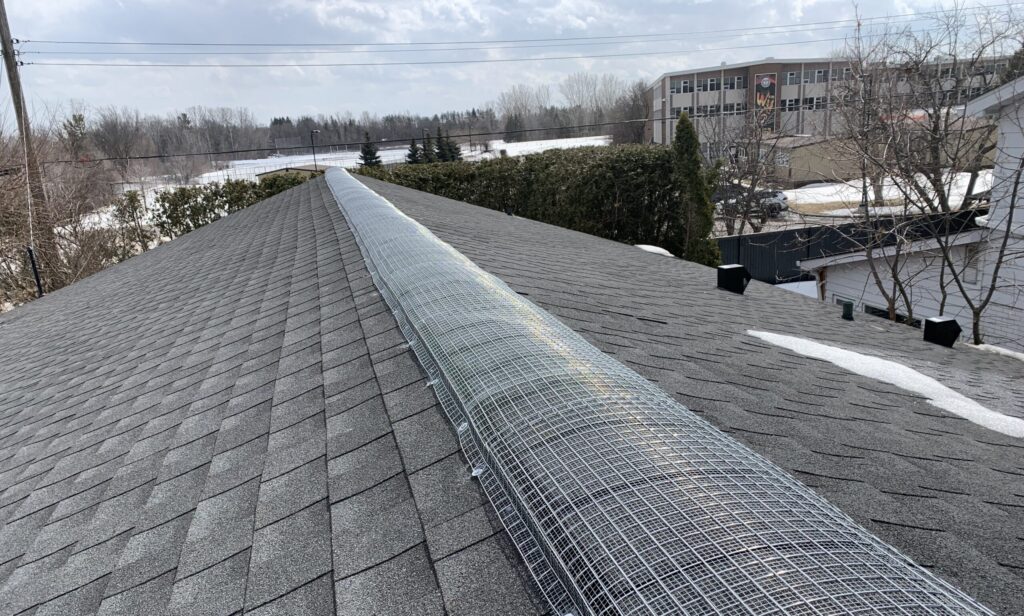
We use one-way doors that allow wildlife to leave safely but not return. After the space is clear, we seal all entry points using strong materials. This prevents future access and repeat problems. Our process helps keep your home protected moving forward.
Toronto Homes and Seasonal Activity
Toronto provides ideal conditions for squirrel activity throughout the year. Older homes often have more gaps and weak areas, which makes access easier. Food sources, shelter, and structure all play a role in attracting them. This increases the chance of attic activity.
Spring and fall are common times for nesting and increased movement. Winter brings a strong need for warmth and protection, which makes attics more appealing. During these seasons, activity can grow quickly. You may notice more signs as the weather changes.
Urban design also supports how squirrels move through the city. Trees, buildings, and nearby food sources all work together to create easy paths. These features make homes more attractive over time. Early attention helps reduce risk and prevent larger problems.
Frequently Asked Questions
Why do squirrels go into attics?
They enter attics for warmth, shelter, and safety. These spaces protect them from the weather and danger. Once inside, they often stay. This can lead to ongoing issues.
What attracts squirrels to a house?
Food sources, trees, and easy entry points attract them. Homes with nearby food and access are more appealing. These factors work together. This increases activity.
Can squirrels damage your attic?
Yes, they can cause damage over time. Insulation, wood, and wiring can be affected. Small issues can grow quickly. Early action helps prevent this.
How do you stop them from coming back?
The key is removal and sealing entry points. If gaps remain, they will return. Long-term prevention is important. Our professional service ensures this is done properly.
Don’t Let a Warm Attic Become a Long-Term Problem
You may not think much about your attic, but it can quickly become a place that attracts unwanted activity. Warmth, safety, and easy access make it an ideal space for squirrels in Toronto. What starts as small noise or minor damage can grow into a larger issue over time. Acting early helps protect your home from further problems.
These situations do not fix themselves. Once a squirrel finds a safe space, it will often return again and again. Their strong memory and ability to adapt make the issue harder to stop without proper action. If entry points are not sealed, the cycle will continue and often get worse.
You also need to understand that prevention is just as important as removal. A complete approach focuses on both solving the current problem and stopping future ones. This is the only way to keep your home fully protected over time.
We provide safe and reliable solutions at Skedaddle Humane Wildlife Control in Toronto. Our team focuses on removal, sealing, and long-term protection using proven methods. You can request an estimate today to keep your home secure, clean, and protected moving forward.

 Loading...