Think your garage is just a place for your car and old boxes? Think again. To a wild animal, your garage looks like a five-star hotel. It is warm, dry, and safe from predators. It is the perfect spot for animals in the garage to set up a home, especially when the weather gets cold.
But is your garage actually safe from these unwanted guests? You might be surprised. Even if you keep the big door closed, there are many sneaky ways for animals to get inside. Once they are in, they can cause a lot of damage and even move into your house.
If you’ve got animals sneaking into your garage, you’re not alone. Many homeowners in Toronto face this problem, especially during colder months. That’s why Skedaddle Humane Wildlife Control is here to help. We specialize in safely and humanely removing unwanted animals from your garage and preventing them from coming back.
In this blog, we will look at how animals get in, why they want to be there, and what you can do about it.
Why Do Animals Want to Be in Your Garage?
You might wonder why a raccoon or squirrel would pick your garage over a tree. The answer is simple: survival.
Wild animals are always looking for three things: food, water, and shelter. Your garage often has all of them. It protects them from rain, snow, and wind. It is often warmer than the outside air. Plus, if you store things like birdseed, pet food, or even grass seed in there, you are offering them a free meal.
Garages are also usually quiet. You might only go in there a few times a day. This gives animals plenty of time to build nests and raise babies without being disturbed. Once they get comfortable in the garage, it is only a short trip for them to find a way into your attic or walls.
How Your Garage Doors Let Animals In
The biggest door in your house is often the weakest one. Your garage door might look strong, but it can have small gaps that are big enough for animals to squeeze through.
Here are a few ways your garage door might be letting animals inside:
- The Bottom Seal: There is a rubber strip at the bottom of your garage door. Over time, this rubber can crack or wear out. Mice can chew right through it. If you can see light coming through the bottom when the door is closed, a mouse can get in.
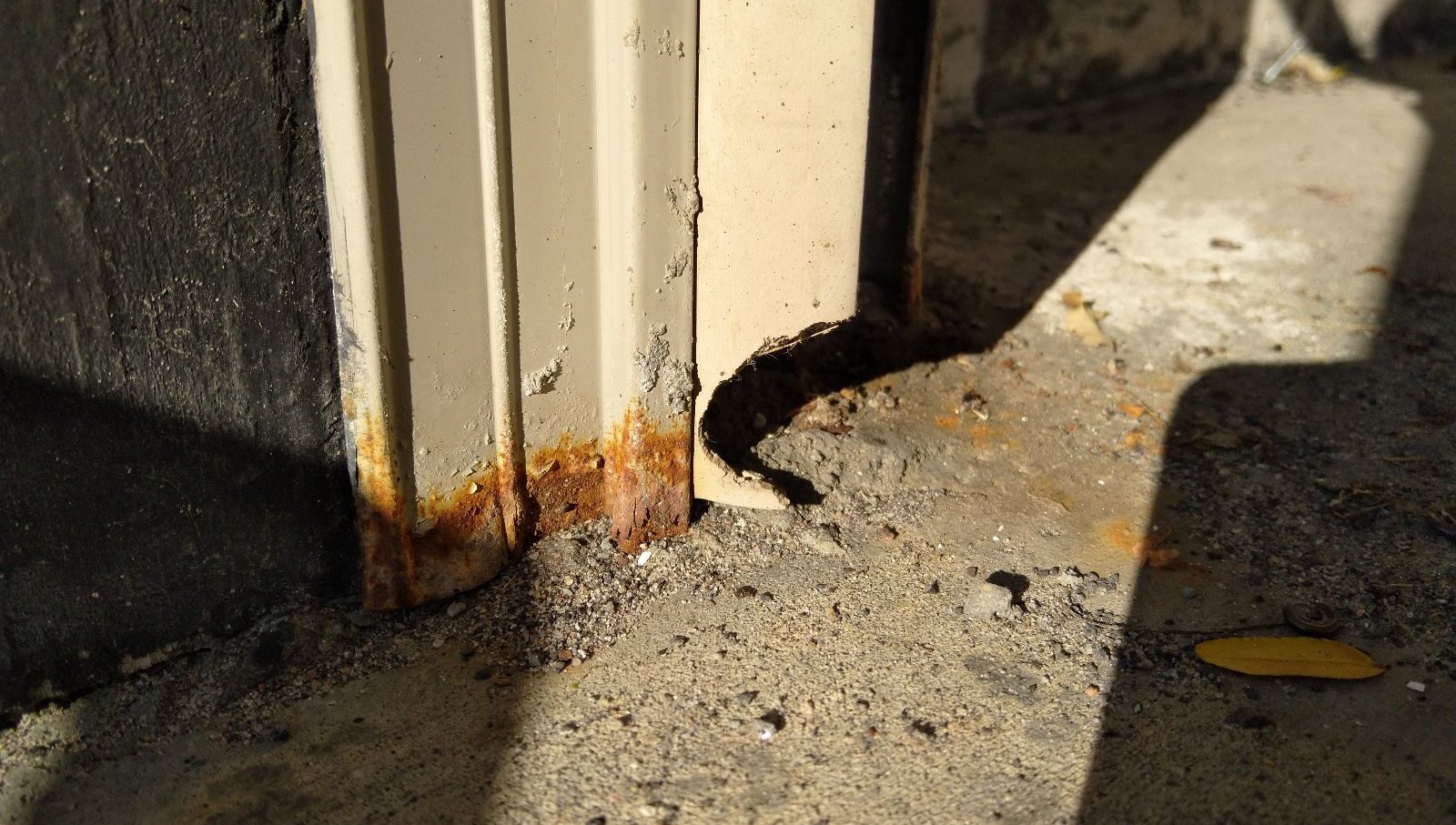
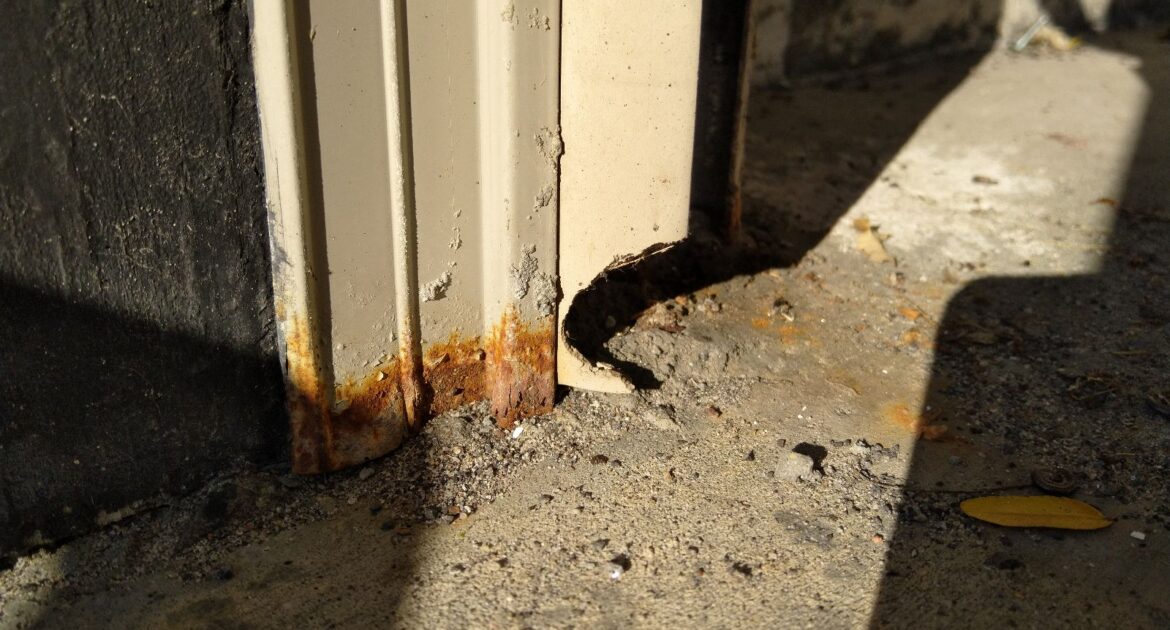
- The Sides: The sides of the garage door can have gaps, too. If the door does not fit perfectly against the frame, animals can use their claws to pry it open just enough to slip inside.
- Leaving It Open: This is the easiest way for a garage wildlife intrusion to happen. Leaving the door open, even for a few minutes while you grab groceries, is an open invitation for a squirrel or raccoon to run in and hide.
Other Sneaky Entry Points
It is not just the big door you have to worry about. Animals are very good at finding weak spots in your garage’s defenses. They can climb, chew, and squeeze their way through tiny holes.
Here are some other common places where animals break in:
- Vents: Dryers and exhaust fans often have vents that lead outside. If these vents do not have strong covers, birds and mice can crawl right in.
- Soffits and Eaves: These are the parts of the roof that hang over the edge of the house. If the wood is rotting or loose, a raccoon can push its way through into the garage ceiling.
- Windows: Broken window panes or torn screens are easy access points. Even a window that is slightly cracked open can be a problem.
- Walls and Foundations: Mice can fit through a hole the size of a dime. Cracks in the foundation or holes in the siding are perfect doorways for them.
The Problems Animals Cause
Having animals in the garage is not just a nuisance. It is a real danger to your home and your health.
Here is a list of problems they can cause:
- Damage to Your Stuff: Animals love to chew. They will chew on electrical wires, which can start a fire. They will also chew on storage boxes, wood, and even your car’s engine wires.
- Health Risks: Wild animals carry diseases. Their droppings and urine can make you sick. A pile of droppings in the corner is not just dirty; it is dangerous to clean up without the right gear.
- Nesting: Animals will tear up insulation, paper, and cardboard to build soft nests for their babies. This ruins your insulation and makes a mess.
- Access to the House: Once an animal is in the garage, it often tries to get into the main part of the house. They can travel through the walls or ceiling to get to your kitchen or attic.
The Signs: What to Look For
How do you know if you have a problem? You might not see the animal itself, but they leave clues behind.
Keep an eye out for these signs:
- Droppings: Look for small, dark pellets on shelves, in corners, or near food.
- Noises: Listen for scratching, scurrying, or chewing sounds, especially at night.
- Chew Marks: Check wires, wood, and plastic storage bins for teeth marks.
- Nesting Material: Look for piles of shredded paper, insulation, or dried leaves in odd places.
- Footprints: If your garage floor is dusty, you might see tiny paw prints.
How We Protect Your Garage
If you think you have animals in the garage, or if you want to make sure you never do, you need professional help. At Skedaddle Humane Wildlife Control, we know exactly how to secure your garage.
We start by inspecting every inch of your garage. We look for the obvious holes and the tiny cracks you might miss. We check the roof, the vents, and the doors.
Once we find the entry points, we use special screening and sealants to block them. We fix the gaps around the doors and secure the vents.
If animals are already inside, we use our special one-way doors. These clever devices let the animals walk out on their own, but they cannot get back in. This is a safe and humane way to clear your garage without hurting the animals. We also offer wildlife exclusion services to make sure your entire home is protected from future visits.
Is Your Garage Safe? Call Skedaddle
So, is your garage safe? If you have gaps under the door, open vents, or cracks in the walls, the answer is probably no. A wildlife intrusion can happen quickly, and the damage can be expensive to fix.
Don’t wait until you find a family of raccoons living in your storage boxes. Protecting your garage now is much easier than dealing with an infestation later.
If you are worried about garage wildlife intrusion, call us today. At Skedaddle Humane Wildlife Control in Toronto, we are ready to help you reclaim your space. We have the tools and the know-how to keep your home safe and animal-free.
Request an estimate to learn more about our wildlife exclusion services and how we can help you get rid of animals in the garage for good.

 Loading...







