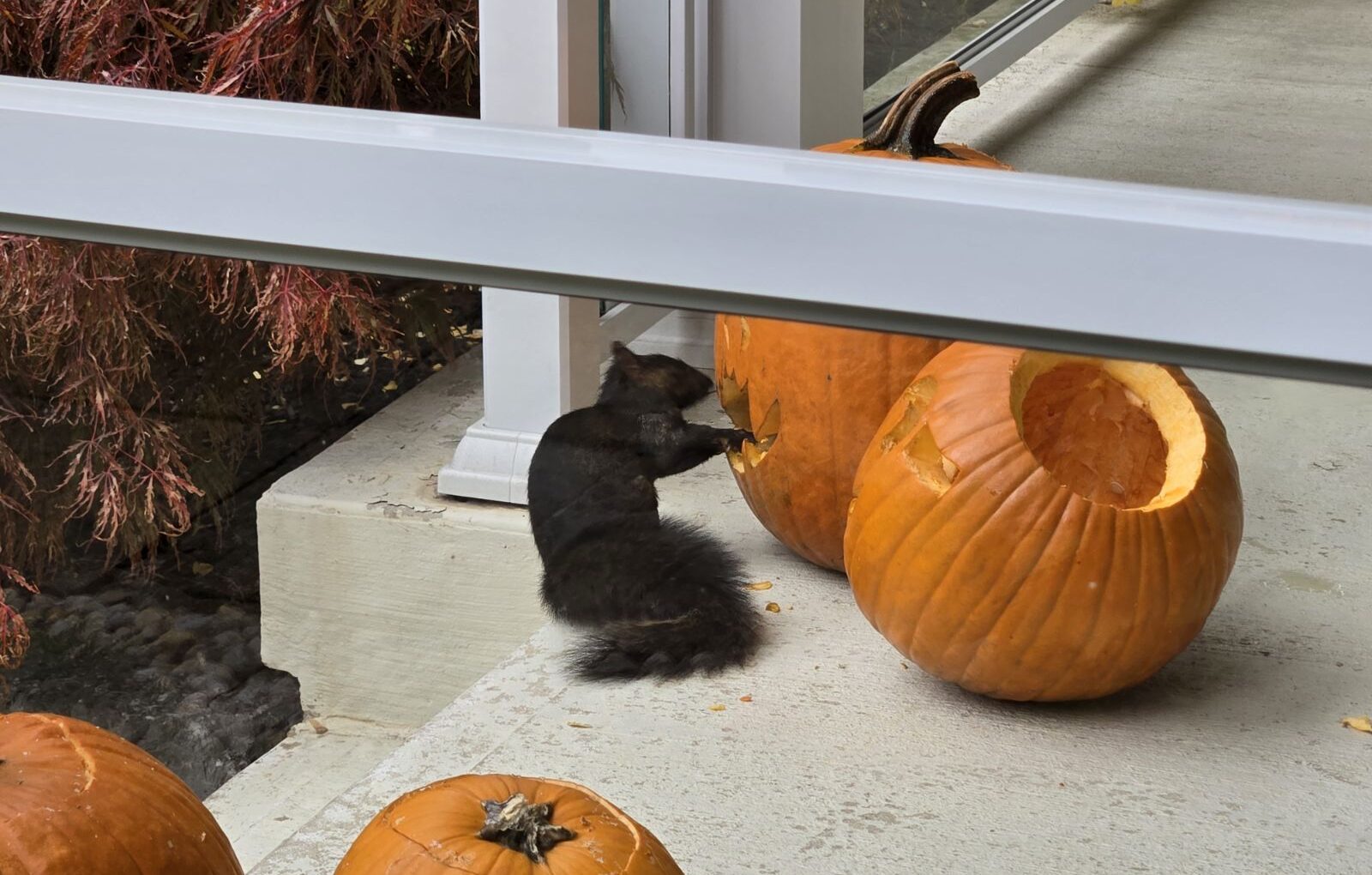
You may notice more running, scratching, or chewing around your Vaughan home as summer ends. This rise in activity is not random. Squirrels can become more destructive in the fall because they are searching for warm shelter and gathering food before winter.
You might first see them crossing your roof, moving along a fence, or carrying nuts through the yard. Soon, one may begin stopping near the same vent, soffit, or roof edge. These repeated visits can lead to chewing and an opening into the attic.
Squirrels do not hibernate through the winter. They remain active and need dependable places to rest, stay warm, and keep food. An attic can provide all three while protecting them from cold weather.
Once inside, they may tear apart insulation, build nests, store food, or chew electrical wiring. Removing the current squirrel without repairing its entrance can leave the home open to another one. A complete solution must address both the animals and the building.
At Skedaddle Humane Wildlife Control in Vaughan, we handle the inspection, humane removal, cleanup, and prevention. In this blog, we explain why fall behaviour can increase property damage, which warning signs matter, and why professional exclusion should be completed before winter.
What Do Squirrels Absolutely Hate?
Squirrels tend to avoid open spaces where they feel exposed and areas with sudden or unfamiliar activity. However, there is no smell, sound, light, or household product that will reliably keep them away from a warm attic. Temporary discomfort does not remove the reason they entered.
Store-bought repellents and noise devices may cause a short change in behaviour. A squirrel can move deeper into the attic or return when the sound or smell fades. These products also do not repair a damaged vent or close a roof opening.
You should not depend on sprays, homemade mixtures, or other deterrents to solve an indoor problem. Once squirrels are inside, professionals must locate the entrance and check for a nest. Humane removal and strong structural exclusion provide a more lasting answer.
The Search for Warm Fall Shelter
Cooler fall weather creates a stronger need for dependable shelter. Squirrels begin exploring places that may protect them when winter arrives. A warm attic can look like a safe place to rest and build a nest.
- Cold Nights Increase the Search: September and October days may still feel warm, but nighttime temperatures begin to fall. Squirrels respond by checking secure spaces before the first deep cold arrives. Your roof and attic may become part of that search.
- Attics Provide Protection: An attic is raised, dry, quiet, and sheltered from wind. Heat from the rooms below may also make it warmer than outdoor spaces. These conditions can make the attic feel like a protected tree cavity.
- Existing Gaps Become Targets: A loose soffit, worn fascia board, or damaged roof vent can provide a starting point. A squirrel may scratch, push, or chew at the weakness until it becomes large enough to use. Repeated visits can make the damage worse.
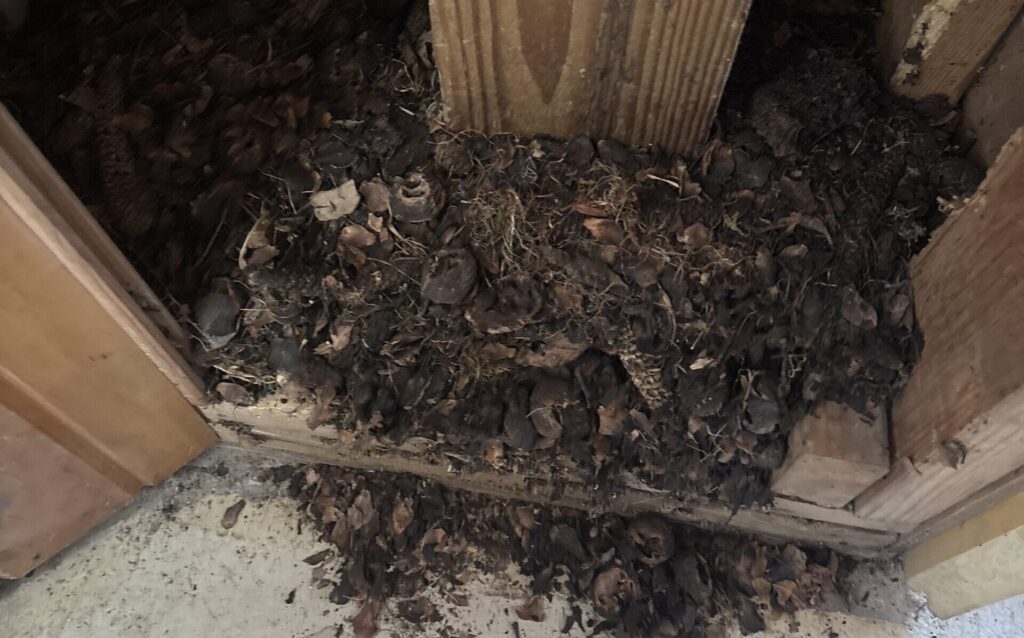
- Nesting Activity Increases: Squirrels may carry leaves, twigs, paper, and other materials into the attic. They can also tear insulation apart to make a soft nesting area. Regular trips through one roof opening may show that a nest is being built.
You should not reach into an opening or try to remove a suspected nest. Dependent young may be inside and unable to leave. Our technicians check the space and choose a humane removal method based on what they find.
Food Storage Creates More Fall Activity
Fall is a busy feeding season because squirrels gather and hide food for the colder months. This behaviour brings them across more yards, fences, trees, garages, and roofs. It can also make them return to the same property many times.
- Frequent Gathering Trips: Nuts, seeds, and other food become important fall resources. Squirrels may make many trips between a food source and a storage area. More trips create more chances for them to explore your roof.
- Roofs Become Travel Routes: A roof may connect two trees or provide a clear route between nearby properties. Brief running across the shingles does not always mean one has entered the attic. Repeated stops near the same vent or soffit are more concerning.
- Indoor Spaces Become Storage Areas: A squirrel may carry food into an attic or wall space after finding an entrance. Nuts and seeds can become mixed with nesting material and insulation. You may hear rolling or movement above the ceiling as food is moved.
- Useful Routes are Remembered: Squirrels can return to places where they found shelter or food. A successful opening may become part of a regular fall routine. The activity can continue until the route is professionally secured.
Food storage may also make the attic attractive for longer than one season. A squirrel can return to check old hiding places even after winter ends. This is another reason the entrance and nearby weak spots must be addressed.
Fall Chewing Can Damage the Structure
A squirrel’s front teeth continue growing throughout its life. Chewing helps control that growth, but it can cause serious damage when it happens around a home. Fall shelter needs may bring this behaviour directly to your roofline.
- Roof Edges Can Be Widened: Wooden roof edges and fascia boards may provide easy places to gnaw. A squirrel can turn a soft or weathered section into a larger opening. The damaged edge may also let rain or melting snow enter.
- Roof Vents Can Be Broken: Plastic and lightweight metal vent covers may bend, crack, or pull away. The space below a vent can lead directly into the attic. This damage may be difficult for you to see from the ground.
- Soffit Panels Can Be Moved: Soffits often contain corners where two roof sections meet. A squirrel may push, pull, or chew at a loose panel in one of these areas. Once part of the panel shifts, the opening can grow with repeated use.
- Electrical Wiring Can Be Chewed: Inside the attic, squirrels may gnaw on electrical cables. Damaged wiring can increase the risk of a short circuit or fire. The affected space should be examined by our trained professionals.
You should never climb onto the roof to inspect chewing or a broken vent. Steep surfaces, fall rain, and loose materials create serious risks. At Skedaddle, we safely examine the roof and determine how the damage connects to the interior.
Attic Occupation Can Damage Insulation
Once squirrels enter an attic, they may change the condition of the insulation quickly. Nest building and regular movement can leave some areas flattened or bare. This can affect comfort and energy use as winter approaches.
- Insulation May Be Torn Apart: Squirrels can pull loose insulation into a nesting area. Pieces may be spread through the attic or pushed toward the entrance. This reduces the amount of material protecting other parts of the ceiling.
- Travel Routes May Become Compressed: Regular movement can flatten insulation along beams and common paths. Compressed material may not hold heat as well as properly installed insulation. Rooms below these areas may become harder to keep warm.
- Waste Can Contaminate the Space: Droppings and urine may collect near the nest and travel routes. This contamination can create stains, odours, and possible health concerns. Homeowners should not touch, sweep, or vacuum the material.
- Damage May Remain Hidden: A nest may sit far from the first place where you hear noise. Open attic areas can carry scratching or chewing sounds across the home. A complete inspection is needed to locate the nest and measure the damage.
Our professional cleanup may include removing nesting debris and contaminated insulation. Skedaddle can also explain whether damaged materials need to be restored. You do not need to enter the attic or handle anything left behind.
Prompt Repairs Help Prevent Repeat Entry
Removing the current squirrel does not repair the opening it created. A damaged vent, chewed fascia board, or loose soffit can remain available after the attic becomes quiet. Another squirrel may find and use the same route.
The opening may also contain scent and marks from repeated use. These signs can help make the route easier to find again. Nesting debris and stored food may add to the appeal of the space.
You should not seal the opening before our professionals confirm that the attic is empty. An adult squirrel or dependent young may still be inside. Our team completes humane removal first and then secures the active entrance and other nearby weaknesses.
Signs Fall Activity Has Moved Indoors
You may hear quick movement above the ceiling during the early morning or late afternoon. Scratching or chewing that stays near one part of the roof may point to an entry area. Rolling sounds can occur when stored food is moved.
Outside, you may see fresh gnaw marks, loose soffit panels, or a bent roof vent. A squirrel may also enter and leave the same opening several times. Twigs, leaves, or pieces of insulation near an eave can suggest nesting.
Indoor signs can include droppings, stains, unusual smells, or damaged insulation. You should not handle or clean these materials. Skedaddle can determine whether the activity is limited to the roof or has moved into the attic.
Why Vaughan Homes See More Fall Activity
Vaughan contains established neighbourhoods, newer developments, parks, ravines, and streets lined with mature trees. Branches, fences, garages, and nearby roofs can create connected travel routes. These routes bring squirrels close to many different types of homes.
As fall continues, natural food begins to change and temperatures fall. Squirrels spend more time collecting food and searching for protected spaces. A small roof weakness can become more important as winter approaches.
Fall weather may also affect the building itself. Wind, rain, freezing temperatures, and early snow can loosen vents, flashing, fascia boards, and soffits. Both older and newer Vaughan homes can develop openings that require professional attention.
Fall Squirrel Removal and Prevention with Skedaddle
At Skedaddle Humane Wildlife Control in Vaughan, our process starts with a detailed inspection. We examine the roofline, soffits, fascia, vents, chimney, attic, and nearby travel routes. Our team identifies active entrances, possible nesting areas, structural damage, stored food, and contamination.
We also determine whether dependent young are present. This allows us to choose a humane removal process suited to the situation and time of year. Homeowners should never reach into an opening or disturb a nest.
When appropriate, we install one-way doors that allow wildlife to leave but prevent re-entry. After the squirrels have left, our technicians secure the active entrance and other vulnerable areas with strong materials. We do not use live trapping and relocation.
Our team can remove nesting material, clean contaminated areas, and replace damaged insulation when required. You do not need to climb onto the roof, enter the attic, or handle waste. We complete the work from the first inspection through long-term prevention.
Frequently Asked Questions
Do squirrels hibernate during the winter?
No, squirrels do not hibernate. They remain active but may spend more time in protected spaces during snow, cold winds, or very low temperatures. Their need for dependable shelter helps explain why they explore attics during fall. Food stored nearby can make the space even more useful.
Why do squirrels chew roofs in the fall?
Their front teeth continue growing, so they need to chew throughout the year. In fall, their search for warm shelter may bring that chewing to fascia, soffits, vents, and roof edges. They may focus on a loose or weathered area until it opens. The damage can then provide direct access to the attic.
What does a squirrel in the attic sound like?
You may hear scratching, chewing, rolling, or quick movement above the ceiling. Activity is often noticeable in the early morning when squirrels leave or later in the day when they return. Sounds may stay near one part of the roof if a nest is close. A professional inspection is needed because noise can travel through the attic.
Can one squirrel cause serious attic damage?
Yes, one squirrel can damage vents, wood, insulation, ducts, and electrical wiring. The problem may grow when the same entrance is used every day. Nesting and food storage can spread debris through the attic. A roof opening may also allow water into the structure.
Should an entry point be sealed right away?
No, it should not be sealed until our professionals confirm that the attic is empty. An adult squirrel may still be inside, or dependent young may be hidden in a nest. Closing the opening too early can trap them and lead to more damage. Humane removal must happen before permanent exclusion.
Should droppings and nesting material be cleaned up?
Yes, but our trained professionals should complete the cleanup. Homeowners should not touch, sweep, or vacuum contaminated materials because doing so may spread dust. The area may also contain hidden waste or damaged wiring. Skedaddle can clean, sanitize, and restore the affected space when required.
Stop Fall Damage Before Winter Arrives
Vaughan squirrels can become more destructive in fall because they are gathering food and searching for warm shelter. Roof chewing, damaged vents, loose soffits, and disturbed insulation can show that their seasonal activity has moved beyond the yard. One small opening may give them access to a large, protected attic.
Removing the current squirrel will not provide lasting protection if the entrance remains open. Another squirrel may find the same route and use the shelter later. Our professional exclusion must address the active opening and nearby weak areas.
You should not climb onto the roof, enter a contaminated attic, seal a possible entrance, or handle nesting debris. At Skedaddle Humane Wildlife Control in Vaughan, we can inspect your home, complete humane removal, clean affected areas, and repair vulnerable entry points.
Contact our professional wildlife team to schedule an assessment before winter arrives. You can request an estimate to learn more about fall squirrel removal and long-term prevention for your Vaughan home.

 Loading...