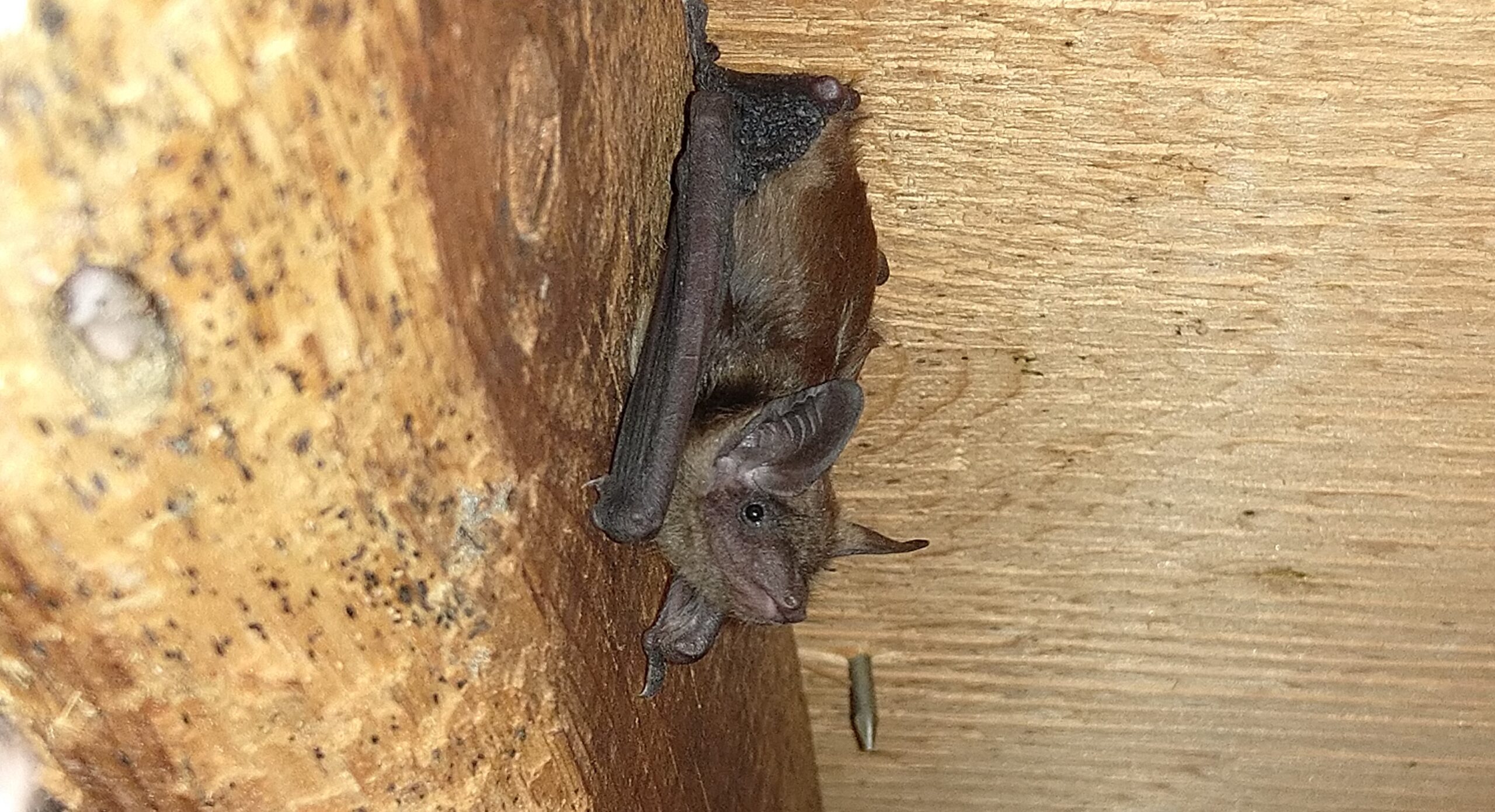
Your attic might be a winter refuge for bats—and if you’re wondering “Where do bats go in Canadian winters?” the answer might be closer than you think. Bats in attics during Canadian winters is a common concern for homeowners, particularly in communities like Whitchurch-Stouffville. With our complex winters, these small, warm-blooded mammals often seek out human buildings—especially attics—as safe havens to survive until spring. We understand that discovering these creatures in your home can cause worry, not only for the health of your property but also for the well-being of your family and the bats themselves. As specialists at Skedaddle, we combine over three decades of expertise in humane bat control with a strong commitment to safety, environmental responsibility, and your peace of mind.
Let’s explore where bats go and what their winter habits mean for your home—then discuss practical, humane solutions to prevent them from roosting during winter without harm.
Understanding Canadian Bat Winter Habits
Canadian bat winter habits are shaped by two main survival strategies: migration and hibernation. Among the eight species found in Ontario, most take one of these paths, but for many, attics are the preferred roosting site during the coldest part of the year.
Migration or Hibernation?
Bats native to our area typically fall into two categories:
- Migratory Bats: These, such as the Eastern Red Bat, fly south to extreme southern Ontario or the United States, following the insects they rely on for food.
- Hibernating Bats: Big Brown Bats and Little Brown Bats are classic examples—these species hunker down and dramatically slow their bodies until spring.
When natural spaces like caves or rocky crevices are scarce, bats look for quiet, undisturbed areas that offer steady temperatures and protection from predators. Attics in Whitchurch-Stouffville, and across Canada become perfect substitutes.
Why Do Bats Choose Attics?
Your attic mirrors the conditions of their traditional winter roosts:
- Consistent warmth above freezing, despite outside temperatures
- Few disturbances from humans, pets, or predators
- Protected, dark spaces
- Access to entry points as small as 6 millimetres (the size of a dime)
Understanding this behaviour helps explain why bats in attics during Canadian winters have become a widespread issue. In fact, many homeowners don’t know they’re hosting a winter colony until warm weather returns. Now, let’s look at how this can affect properties.
The Impact of Bats Roosting in Attics
The presence of bats in an attic does more than create an unsettling feeling—it can have very real effects on your home, your health, and your family’s well-being.
Building Concerns and Health Risks
Bats rarely cause visible structural damage, but their guano (droppings) can build up quickly, especially in larger colonies or when left for several seasons. This leads to several risks:
- Foul odours permeate insulation, ventilation, and living spaces
- Corrosion of insulation and wiring from accumulated droppings
- Increased risk of respiratory issues due to spores causing histoplasmosis
- Unsanitary conditions attract insects or other wildlife
More importantly, bats can carry diseases like rabies. Direct contact is rare, but remains a real concern when these creatures share living spaces with humans or pets.
Questions About Bats’ Habits
Here are a few points to help clarify common concerns about their winter behaviour:
- Most bats hibernate from October through April.
- They enter a deep sleep, lowering their heart and breathing rates to conserve energy.
- Bat colonies will not leave the roost or resume nightly activity until outside temperatures rise and insects return in spring.
If you notice scratching, squeaking, or strange odours during the colder months, it’s likely a sign of bats entering or settling into hibernation in your home.
Preventing Bats from Roosting in Winter
Homeowners often ask, “How can bats in the attic be prevented during winter?” It’s important to note that these creatures are protected in Ontario and across Canada, so interrupting their hibernation is not only unsafe—it’s illegal. Humane prevention must happen before or after the winter months.
The Importance of Fall Preparation
The best time to prevent bats from roosting for the winter is late summer through early fall, when:
- The bat breeding cycle is complete, and baby bats (pups) are flying on their own
- Colonies are still active and haven’t settled into hibernation
- It’s safe and ethical to encourage bats to leave the building
During this critical window, a thorough attic and roofline inspection is essential to identify and seal every gap, crack, or damaged vent that could allow bats inside.
How Skedaddle Humanely Prevents Winter Roosting
Our process for humane bat control is founded on years of hands-on experience and respect for wildlife. Here’s what you can expect when working with our team:
- Comprehensive inspection of your property, including Whitchurch-Stouffville homes and businesses
- Identification of all existing and potential bat entry points, no matter how small
- Use of temporary one-way doors allowing bats to exit the attic but preventing re-entry
- Thorough cleaning and removal of contaminated attic insulation and droppings
- Application of our tested wildlife exclusion sealant to every potential entry point
We guarantee our work with a lifetime warranty, so you know your home will stay protected long after removal. By using this approach, we prevent bats from roosting winter after winter, and help you protect your home, family, and local bat populations—all without resorting to harmful methods.
Secure Your Home and Peace of Mind This Winter
Canadian winters drive bats to seek warmth and safety, turning attics into unexpected hibernation shelters. While these creatures are essential for balanced ecosystems, their presence in your home brings potential health risks, property concerns, and emotional stress. Addressing this issue requires expertise, legal compliance, and humane solutions that protect both your family and local wildlife.
Skedaddle’s decades of specialized experience, thorough inspections, and humane removal methods ensure your attic remains bat-free using proven, environmentally responsible strategies. Don’t wait for spring surprises or the challenges of dealing with an established colony—contact Skedaddle today. Let us create a safer, healthier living space for your family while supporting a thriving community for everyone, bats included.

 Loading...







