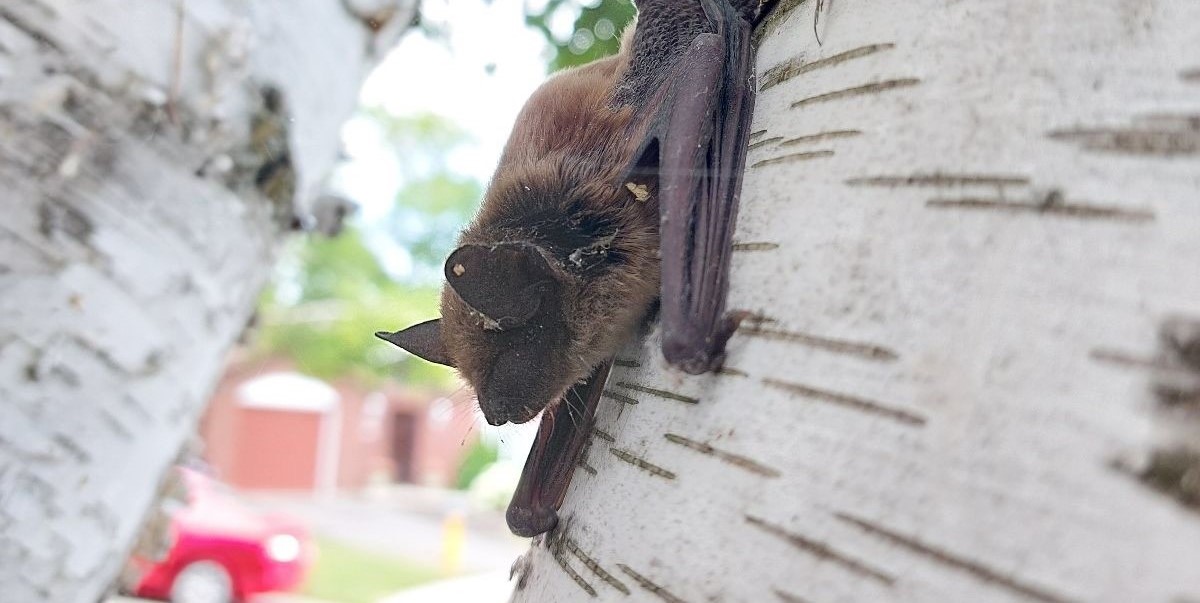
You may hear quiet movement near your roof or chimney as colder weather sets in. You might wonder what is going on and whether food is still available for bats once winter arrives. When temperatures drop in Woodbridge, many people ask the same question: what do bats eat when insects seem to disappear?
You should know that winter changes everything for these animals. Their survival depends on energy use, stored fat, and seasonal behaviour. Understanding bats’ winter diet helps explain why they seek safe shelter and why professional guidance matters when activity happens near your home. At Skedaddle Humane Wildlife Control in Woodbridge, we see these seasonal patterns every year and focus on keeping people safe while respecting bat behaviour.
You will learn how winter affects food sources, how feeding habits change, and how bat behaviour in the winter connects directly to where these bats choose to rest. You will also learn how professional prevention helps protect homes without risk.
Winter Changes Food Availability
Cold weather removes most of the food bats rely on. As winter settles in, flying insects disappear almost completely in Woodbridge. That shift forces bats to adjust quickly or risk not surviving the season.
You should understand that winter does not bring new food options. Instead, it limits them. This is why seasonal preparation is critical.
- Insects Disappear in Cold Temperatures: Flying insects cannot survive freezing weather. Once temperatures drop, they die off or go dormant. This removes the main food source for insect-eating bats. Without insects, feeding becomes impossible outdoors.
- Cold Limits Hunting Opportunities: Snow, ice, and short daylight hours reduce activity windows. Even if insects appear briefly on warm days, access is unpredictable. Energy spent searching often costs more than it provides. That imbalance forces bats to rely on stored energy.
- Seasonal Timing Matters for Survival: Fall feeding is intense because winter offers little food. Fat storage becomes the main fuel source. When winter arrives, eating often stops entirely. This shift explains much of bat behaviour in the winter.
Fat Storage Becomes the Winter Fuel
You might assume bats eat less in winter, but the truth starts earlier. Late summer and fall are critical feeding periods. During that time, bats build fat reserves that must last for months.
You should think of stored fat as winter food. It replaces daily eating.
- Heavy Feeding Happens Before Winter Begins: Bats eat large amounts in the fall to prepare. This feeding builds a fat layer under the skin. That fat supplies energy during cold months. Without it, survival is not possible.
- Stored Fat Fuels All Winter Activity: Heart rate, breathing, and movement rely on fat stores. Even staying still requires energy. When reserves run low, risk increases. This is why winter shelter is so important.
- Energy Loss Must Stay Low: Every movement burns fat. Cold air increases energy loss faster. Safe, insulated spaces reduce that loss. That connection explains why bats in winter diet focuses more on storage than feeding.
Hibernation Replaces Feeding
You may hear the term hibernation and think of deep sleep. In reality, it is a controlled energy-saving state called torpor. During this time, eating stops almost completely.
You should understand this process to see why winter feeding is rare.
- Torpor Slows Body Systems: Heart rate drops dramatically. Breathing slows to conserve energy. Body temperature lowers to match surroundings. This allows fat to last longer.
- Most Winter Time is Spent Inactive: Bats can remain still for weeks. They wake only briefly to adjust position or temperature. These short wake-ups still use energy. That is why stable shelter matters.
- Waking Without Food is Dangerous: If bats wake too often, fat runs out early. Without insects available, survival drops quickly. This is a major concern in winter seasons with disturbance.
How Professional Prevention Protects Homes
You should never try to manage winter activity yourself. Disturbance can increase risk for both people and bats. Professional prevention focuses on timing and safety.
At Skedaddle, we plan around seasonal behaviour. Here is each step we take below.
- Inspection Focuses on Entry Points: We identify how bats access structures. Small gaps near roofs, vents, and chimneys matter. Knowing entry paths prevents mistakes. This protects everyone involved.
- One-Way Doors Allow Safe Exit: Our doors let bats leave on their own. They cannot re-enter once outside. This method respects natural behaviour. It avoids trapping or harm.
- Sealing Prevents Future Use: Once activity ends, entry points are secured. This stops repeat access next winter. Prevention is built into the process. That long-term approach keeps homes protected.
Why Timing Matters in Winter
You may think winter is not the right time for prevention. In fact, timing is critical. Seasonal behaviour determines safe action windows.
You should rely on professionals who understand these patterns.
Working around winter cycles prevents unnecessary disturbance. It protects both the structure and the bats. This approach reduces risk and future issues.
Protect Your Home During Winter From Bats
You deserve clear answers and safe solutions. Understanding what do bats eat helps explain why winter behaviour looks different. Stored fat, torpor, and shelter replace daily feeding during cold months.
When bats’ winter diet shifts from feeding to survival, shelter becomes the priority. If you notice signs tied to bat behaviour in the winter, professional help matters. At Skedaddle Humane Wildlife Control in Woodbridge, we focus on prevention that works with the season, not against it. Request an estimate to learn more about safe, professional protection that keeps your home secure year after year.

 Loading...







