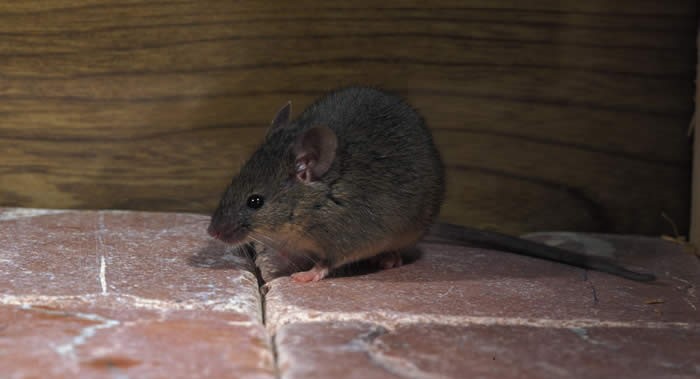
When you see signs of mice in your home, it’s easy to panic. Droppings, scratching sounds at night, and chewed wires all point to a problem you want gone fast. Many homeowners rush to the store for snap traps, glue boards, or even poison, thinking these are quick fixes.
But the risks of DIY mouse traps are bigger than most people realize. From dangers to your family and pets to costly damage that’s left unchecked, traps often cause more problems than they solve. That’s why experts stress safe rodent control methods instead of DIY shortcuts.
At Skedaddle Humane Wildlife Control in Newmarket, we’ve seen firsthand how traps backfire. We’ve also seen how families feel relieved when they understand the hidden dangers. Let’s break down the biggest problems so you know exactly why DIY solutions aren’t the answer.
Traps Rarely Solve the Root Problem
Traps might catch one or two mice, but they don’t deal with where or how they’re getting inside. Mice can squeeze through holes as small as a dime, and most homes have multiple weak spots. Without sealing those gaps, new mice keep coming in.
This is why families are often surprised when the scratching sounds return only days later. You’re not dealing with a single mouse—you’re dealing with an ongoing entry issue. Traps simply make it feel like progress has been made, but the root cause continues to let more rodents inside. Over time, this creates frustration and wasted effort as the cycle repeats.
Poison Creates Hidden Dangers
Some homeowners use poison instead of traps. But when poisoned rodents crawl into walls or attics to die, they leave behind a smell that can last for weeks. Even worse, poison is harmful to children, pets, and even wildlife that may eat a poisoned rodent later.
The mouse trap dangers explained here show how quick fixes can actually create bigger problems than the mice themselves. Poison doesn’t stop the entry points, so new rodents often move in while the old ones are still causing issues behind walls. It also creates unsafe conditions for the whole household, turning a small pest problem into a much bigger health concern.
Snap Traps Risk Injury to People and Pets
Snap traps are one of the most common DIY choices. They’re also one of the most dangerous.
Here are the problems families in Newmarket often face:
- Curious pets get paws or noses caught in traps.
- Children touch traps without realizing the risk.
- Misplaced traps injure homeowners while cleaning or moving furniture.
These traps aren’t just unsafe—they also leave families stressed about where they can safely walk or let pets play. That’s no way to live inside your own home.
Glue Traps Are Cruel and Ineffective
Glue traps don’t always catch mice quickly. Instead, animals suffer for hours while stuck. They often injure themselves trying to escape, leaving behind blood, fur, and noise.
This method isn’t humane, and it’s not effective either. Mice caught this way rarely solve the infestation, since dozens more are often nearby. In some cases, trapped animals even attract other pests like flies, making the situation worse. Families are left dealing with stress, noise, and a mess—without actually solving the rodent problem.
Traps Can Miss Entire Nests
You might think you’ve solved the problem after catching one or two mice, but nests often contain many more. Female mice can have up to ten litters a year, with 5–6 babies each time. Traps can’t keep up with numbers like that.
This is why safe rodent control methods focus on prevention and exclusion, not just removal. A single nest can quickly turn into dozens of new mice moving through your home. Without addressing where they’re nesting and how they’re getting in, traps simply scratch the surface of a much larger issue.
DIY Traps Put Other Wildlife at Risk
Many people don’t realize that traps can harm more than just mice. Birds, chipmunks, and other small animals sometimes get caught in traps set outdoors.
The ripple effects include:
- Injured animals suffering unnecessarily.
- Pets accidentally caught while exploring.
- Wildlife populations harmed by non-target catches.
This shows why our professionals avoid traps and instead use prevention-first approaches that keep all animals safe.
Hidden Costs Add Up Fast
What seems like a cheap fix at first often leads to expensive repairs later. Traps don’t stop mice from chewing wires, shredding insulation, or leaving droppings in vents. By the time you realize the problem isn’t solved, you may be facing repair bills in the thousands.
Homeowners often call us after spending months buying traps without success—money that could have been saved by investing in long-term prevention.
Health Risks Are Real
Mouse droppings and urine carry harmful bacteria and viruses. When you place or empty traps, you’re exposing yourself directly. If droppings dry out and turn to dust, you could breathe them in without realizing.
This is one of the most overlooked risks of DIY mouse traps. Families think they’re saving time and money, but they’re actually putting their health at risk.
Stress and Frustration Build Up
Living with traps around your home is stressful. You never know what you’ll find in the morning. Many families tell us they dread checking traps, only to feel frustrated when nothing’s caught—or worse, when they find a half-caught mouse still alive.
Here’s why this cycle wears people down:
- Constant stress about whether traps are working.
- Ongoing worry about pets or kids getting hurt.
- Sleepless nights listening to scratching noises return.
This mental toll is one of the biggest reasons traps aren’t a good long-term solution.
DIY Fixes Delay Real Solutions
The longer you rely on traps, the longer the real problem goes unsolved. Mice continue breeding, chewing, and spreading through your home. By the time you call for help, the infestation is often much larger than when it began.
At Skedaddle, we’ve seen homes where months of DIY efforts only made the problem worse. Our goal is to step in before that happens and use humane, effective methods to keep homes safe.
Safe Rodent Control Methods That Work
Instead of chasing one mouse at a time, professionals look at the whole picture. That’s why we don’t just remove animals—we identify how they’re getting inside and secure every weak spot. Our one-way doors allow animals to leave safely but stop them from getting back in.
This method is safer, more humane, and much more effective than traps. So what does prevention look like? Here are some examples:
- Inspecting the entire home for small gaps and entry points.
- Sealing holes with chew-proof materials.
- Protecting vents and weak spots without blocking airflow.
- Cleaning and securing areas so mice won’t return.
These steps may sound simple, but they require training and experience to do right. That’s why our team handles every step for you.
The Bottom Line on DIY Mouse Traps: Take Back Your Home With Help From Our Experts
The mouse trap dangers explained above show why traps aren’t the answer. From injury risks to ongoing infestations, DIY efforts often make things worse.
When you want lasting protection, you need experts who focus on prevention and humane solutions.
DIY traps might seem quick, but the risks of DIY mouse traps are too high for families in Newmarket. The smarter choice is to rely on safe rodent control methods that actually solve the problem long-term.
At Skedaddle Humane Wildlife Control in Newmarket, we provide the tools, knowledge, and care to keep homes safe. Don’t wait for the damage to pile up. Request an estimate today to learn more about mouse trap dangers explained and how to protect your home the safe way.

 Loading...







