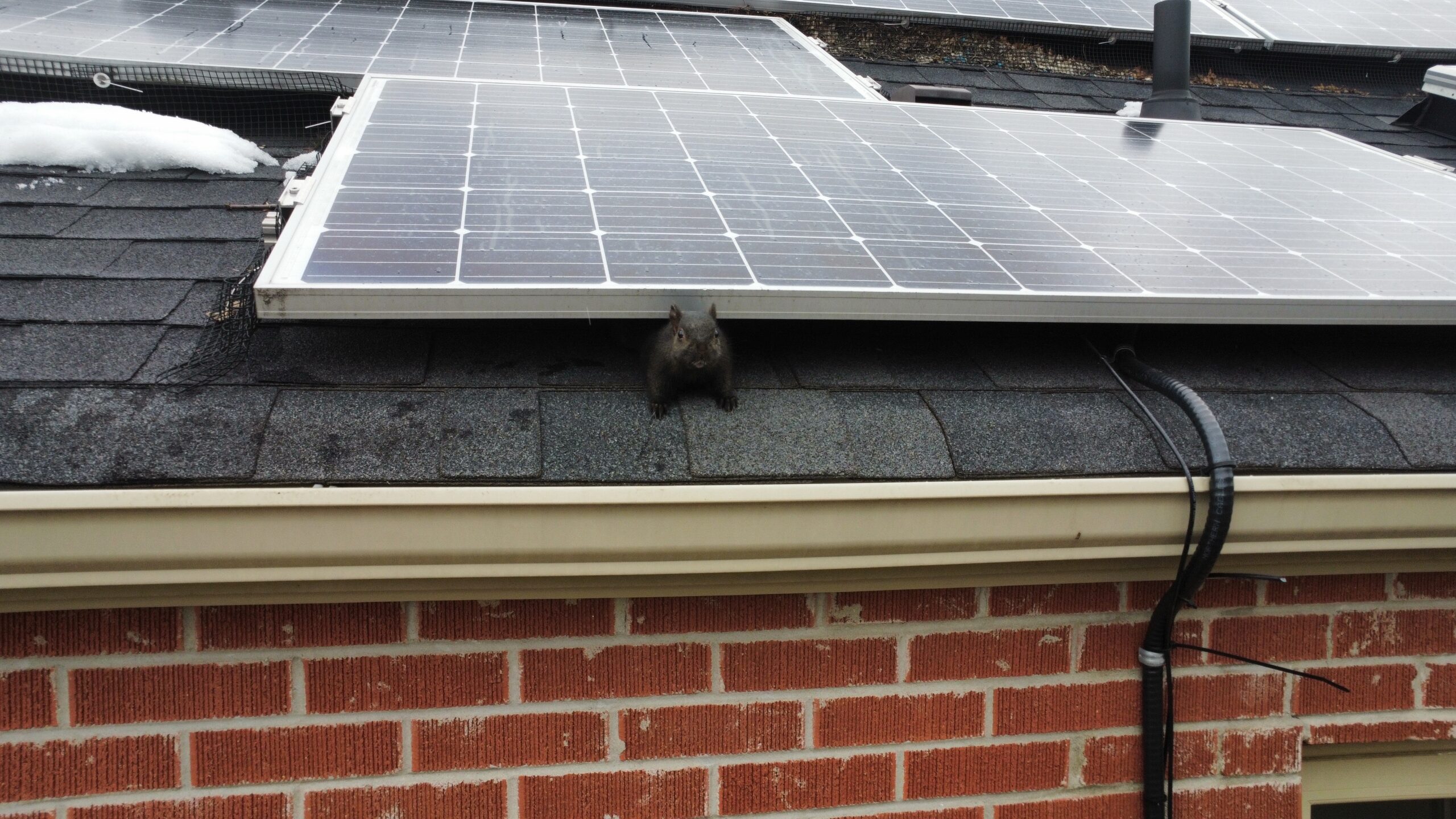
This time of year, visitors from near and far are drawn to the Milwaukee Art Museum’s iconic white wings, especially as its lights sparkle through the city at night. Yet, while the museum’s lighting is protected and well-managed, many homeowners and businesses in Milwaukee face a unique challenge: squirrels chewing holiday lights and outdoor wiring during the festive season.
This issue is more common than you may realize, and it can quickly turn a joyful display into a costly (and potentially hazardous) repair. At Skedaddle Humane Wildlife Control, we regularly help homeowners identify, address, and prevent outdoor wiring damage that properties endure, with solutions that protect both your home and local wildlife.
Understanding why squirrels are so interested in your outdoor lighting sets the stage for long-lasting, humane solutions. In this article, we’ll explain how squirrel instincts drive this behavior, the types of damage they can cause, and most importantly, practical ways to protect holiday lights from squirrels—all backed by our expertise serving the Milwaukee area.
Why Squirrels Chew on Holiday Lights and Wiring
Squirrels are a constant presence in local neighborhoods, bounding across yards and scaling trees year-round. But during fall and winter, their chewing habits become riskier for outdoor decorations and wiring. So, what’s behind this destructive behavior?
Squirrels have teeth that never stop growing. To keep their teeth sharp and at the right length, they gnaw on all sorts of materials—wood, plastic, even metal. Unfortunately, outdoor wiring and holiday light strings offer the perfect size and texture for wearing down their teeth.
There’s another side to this story: as temperatures drop, squirrels also shift into food-storing mode. Research indicates that squirrels are driven by instinct to seek resources, especially during autumn and early winter. Any wiring or light strings coated in food-scented oils or left with food residue become even more tempting.
Several factors can attract squirrels to outdoor wiring and holiday lights:
- Wires made of soy-based or plant-based insulation that mimic natural food smells
- Easily accessible wires draped near trees, fences, or roofs where squirrels travel
- Food residue on decorations or nearby bird feeders
- Warmth generated by some light displays, attracting squirrels seeking shelter
Understanding the natural behaviors that draw squirrels to your decorations helps us form smarter prevention strategies—ones that respect animal instincts while keeping your property safe.
The Consequences of Squirrel Interference
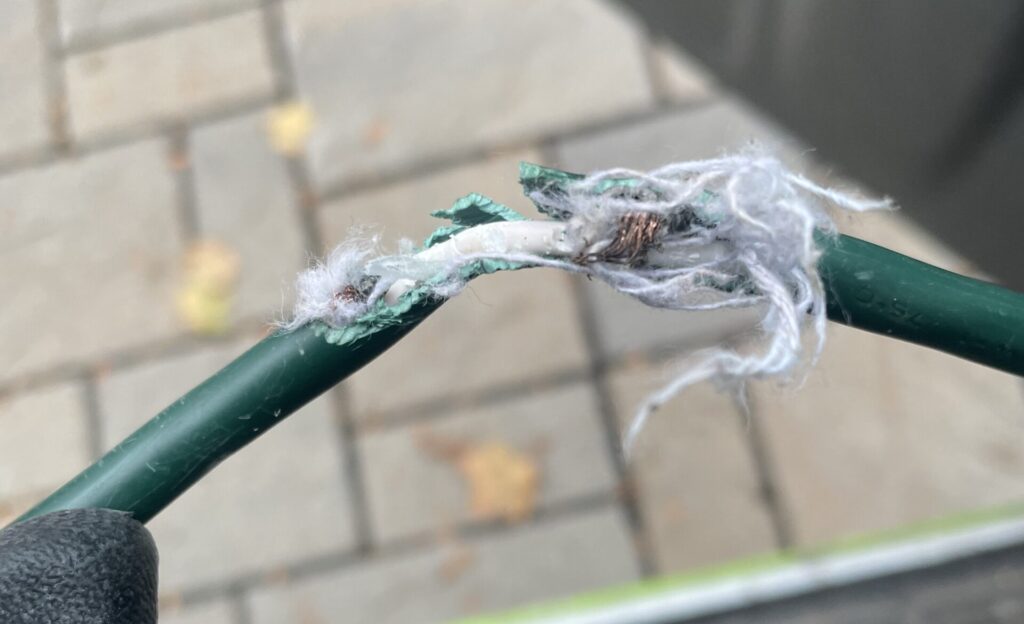
The occurrence of squirrels chewing on your outdoor wiring is more than an inconvenience; it poses real risks. Let’s delve into the specific types of damage these rodents can inflict.
Types of Outdoor Wiring Damage Homeowners May Experience
Squirrel activities around homes can be both persistent and wide-ranging, especially when it comes to electrical and lighting setups exposed outdoors. While holiday lights are a favorite target, they aren’t the only thing at risk.
Common types of outdoor wiring damage local residents might encounter include:
- Frayed or broken holiday light wires, causing outages or flickering displays
- Exposed copper or aluminum wiring, leaving the system prone to short circuits
- Damage to extension cords powering lights or decorations
- Chewed connections at outlets, timers, or junction boxes
- Compromised insulation exposing wiring to moisture, increasing fire risks
The consequences stretch beyond aesthetic problems. Exposed or chewed wires can create a short circuit, leading to:
- Electrical fires, particularly if moisture infiltrates the damaged wiring
- Power outages in displays or property lights
- Increased costs for repairs and replacement light sets
- Frustration from having to repeatedly fix or rehang lights
Squirrel-related damage isn’t exclusive to homes. Businesses, community centers, and places of worship in Milwaukee with outdoor displays also report frequent issues with holiday lighting and permanent landscape lighting.
To minimize both cost and hassle, it’s important to know what draws squirrels in the first place and how to make lights less appealing to them—a topic we’ll cover next.
What Attracts Squirrels to Holiday Lights and Outdoor Wiring
It might surprise you to learn that it’s not just curiosity driving squirrels to your festive setup. Real-world cases across the area show that local squirrel populations are extremely resourceful.
Here’s a closer look at why your setup might become a target:
- Accessible routes: Hanging wires from trees, gutter edges, or fences give squirrels an easy highway to your lights.
- Natural food smells: Soy or plant-based coatings used on some modern wires smell and feel familiar to foraging squirrels.
- Proximity to shelter: Wires near attics, sheds, or dense bushes invite squirrels who already use your property for nesting.
- Nearby food sources: Bird feeders or fallen nuts abound in Milwaukee yards during fall, attracting squirrels and creating more interaction with your decorations.
- Warmth from lights: Older incandescent bulbs produce warmth, attracting chilly squirrels in winter.
Being aware of these attractants allows us to adapt our lighting plans and take preventive measures before the chewing begins.
Let’s explore how to keep your lights safe—and squirrels out of harm’s way.
How to Protect Holiday Lights from Squirrels: Humane and Effective Strategies
You don’t need to abandon your holiday spirit to avoid squirrel damage. With some planning and sound advice, your displays can stay safe and stunning all season long.
Here are tried-and-tested strategies to protect holiday lights:
- Choose LED light strings, which produce less heat and are thus less appealing for chewing.
- Avoid hanging lights on tree branches, fences, or rooftops that act as squirrel pathways.
- Use strong, chew-resistant wiring materials for your displays and extension cords.
- Clean wires with a mild soap-and-water solution to remove food scents and residue.
- Space lights and wires away from nests or known squirrel travel routes.
For homeowners seeking extra peace of mind, there are several additional precautions to consider. Encasing exposed cords and wires in protective tubing or conduit can prevent chewing damage. Installing outdoor-rated, wildlife-safe deterrents near lights can discourage climbing, while regularly inspecting displays for fresh bite marks or other signs of activity helps catch problems early. Storing extra bulbs and wiring indoors, out of squirrels’ reach, further protects your property during the winter months.
If you suspect significant chewing or repeated outages, calling a professional team like Skedaddle can make all the difference. Our technicians are experts at finding entry points, assessing vulnerabilities, and installing barriers that truly keep your property secure from squirrel invasions.
As you make adjustments to your outdoor setup, it’s also important to address the behavior driving squirrels in the first place for long-term success.
Understanding Squirrel Instincts: Coexistence over Deterrence
Approaching the problem solely with deterrents is rarely effective in the long term. Milwaukee’s squirrels are driven by primal instincts—gathering and preparing food for winter, finding safe places to nest, and keeping their teeth filed. Instead of fighting them, understanding these needs helps us develop effective, compassionate solutions.
Coexisting with squirrels involves understanding their behavior and taking proactive steps to protect your property. Squirrels are most active during daylight hours when they gather and stash food, so securing potential attractants such as bird feeders, pet food, and trash bins is essential. Performing seasonal inspections of your home helps identify and address damage early, preventing more serious issues. For the best results, partnering with humane wildlife experts ensures that both your property and the animals are treated safely and responsibly.
At Skedaddle, we believe that managing wildlife in local neighborhoods means blending prevention with respect for local ecology. We always begin with a thorough property assessment to find vulnerabilities, looking at everything from tree lines to attic vents that might enable squirrel activity.
Let’s talk about practical steps any resident can take today, focusing on humane, effective strategies.
Steps to Prevent Outdoor Wiring Damage Homeowners Can Use
The best approaches combine vigilance, prevention, and partnership with experienced professionals. Here’s a straightforward checklist for safeguarding your holiday lights and outdoor wiring:
- Schedule a professional inspection each fall to identify weak spots before the holidays.
- Prune tree limbs and shrubbery away from the house, minimizing “bridges” to your eaves and roof.
- Install chew-resistant coverings or conduits over all exposed cords and wires.
- Store unused wiring and decorations securely in sealed containers when not in use.
- Patch and seal cracks in siding, soffits, and vents where squirrels may enter seeking warmth.
- Ask technicians about odor-neutralizing sprays that can mask the scents attracting wildlife.
If you see signs like gnawed wire coatings, scattered droppings, or sudden outages in displays, it’s time to act quickly. Skedaddle’s wildlife technicians are trained to thoroughly assess your property, remove any active squirrel problems humanely, and install reinforcements that last. Our team uses a detailed inspection process to spot every potential entry or risk.
Protecting your home extends beyond one holiday season—it’s about creating a squirrel-safe, hazard-free property year-round. By teaming up with Skedaddle, you’ll keep both your decorations and local wildlife secure.
Understanding how squirrels behave and why they do what they do lays the groundwork for effective prevention measures. By taking a well-rounded approach to protecting your holiday lights and wiring, you not only safeguard your home but also support a healthy balance with Milwaukee’s urban wildlife.
Safeguard Your Holiday Lights—and Your Home—This Season
The allure of festive lights can quickly fade when squirrels set their sights on your outdoor wiring. Understanding the natural behaviors that attract these agile rodents is the first step in preventing damage, outages, and potential safety hazards. Humane, proactive strategies—like choosing chew-resistant materials and maintaining a tidy, inaccessible setup—protect your decorations while coexisting respectfully with local wildlife.
Don’t let squirrels disrupt your holiday spirit or compromise your property’s safety. Trust Skedaddle’s proven expertise for thorough inspections, humane removal, and lasting exclusions tailored to Milwaukee’s unique challenges. Reach out today for a professional assessment, and let our team help you enjoy a worry-free, brilliantly lit holiday season—while keeping squirrels and their mischief at bay.

 Loading...