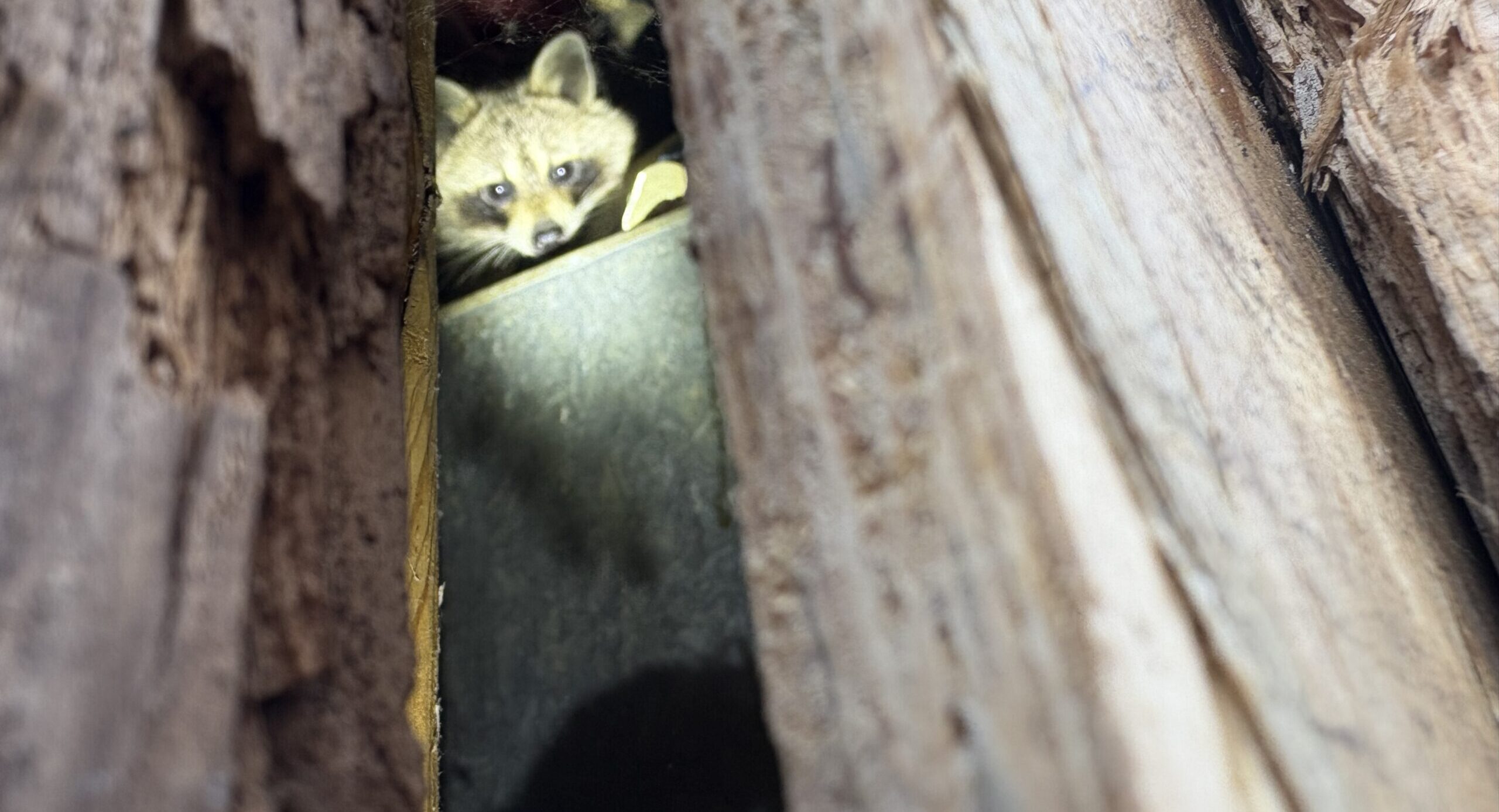
During the cold Ohio winters, raccoons look for warm, safe spaces to rest and conserve energy. Homes, especially rooflines and chimneys, can provide the quiet, protected spots they need. Understanding raccoon behavior and common entry points can help homeowners protect their homes while keeping wildlife safe.
At Skedaddle Humane Wildlife Control, we often see how raccoon entry points allow winter raccoons in chimneys and attics to gain access to houses. Recognizing these entry points early can prevent damage, unpleasant odors, and safety concerns, making it easier to address potential issues safely and effectively.
Many homeowners are surprised to learn that raccoons are active during winter months. While they are less active than in spring or summer, raccoons still explore for warmth and shelter. By knowing the common entry points and observing subtle signs, homeowners can prevent minor issues from turning into costly repairs.
How Raccoons Behave in Ohio During Winter
Raccoons are highly adaptable animals. Unlike true hibernators, they do not sleep all winter. Instead, they enter a state of torpor during the coldest months, reducing activity to conserve energy. This means they still move around to find safe, warm resting spots.
- Many raccoons seek shelter in elevated or protected areas, such as rooflines, attics, or chimneys.
- Winter weather in Ohio sees raccoons becoming more cautious and selective about where they rest.
- According to the Ohio Department of Natural Resources, raccoons are active year-round, but over 60% of reported raccoon issues occur in fall and winter, demonstrating their tendency to use homes for shelter.
- Raccoons are nocturnal, so most activity happens at night, making it easier to miss early signs of entry.
Understanding this behavior helps homeowners recognize potential raccoon entry points before the animals can cause damage or disturbances. At Skedaddle, we guide homeowners in observing activity safely, without disturbing the animals during their winter resting period.
Why Rooflines and Chimneys Are Top Winter Raccoon Entry Points
Rooflines and chimneys offer many of the conditions raccoons seek during winter. They mimic natural dens, providing dark, enclosed spaces that are safe from cold weather and predators.
- Rooflines provide elevated, less-disturbed access points with overhangs and gutters that allow climbing.
- Chimneys are naturally enclosed and insulated, making them ideal resting areas for winter raccoons in chimneys.
- Raccoons prefer areas that feel like hollow tree cavities, and these structural features in homes closely replicate those conditions.
- Overhanging eaves and untrimmed trees near rooflines make access even easier.
Warmth, safety, and seclusion make these areas attractive, especially when outdoor temperatures drop below freezing. At Skedaddle, we regularly find roofline raccoon problems during inspections, and homeowners often notice only subtle signs before issues escalate.
Common Raccoon Entry Points in Ohio Homes You Should Check
Recognizing raccoon entry points is essential for preventing unwanted indoor activity. Raccoons are surprisingly agile and can squeeze through openings as small as four inches. Rooflines and chimneys are particularly vulnerable because they offer height, shelter, and access to food sources.
Some of the most common entry points include:
- Gaps in soffits, fascia boards, and roofline edges
- Loose or damaged shingles and flashing around chimneys
- Open or unsecured attic vents or ridge vents
- Cracks or gaps near dormers, skylights, or overhangs
- Unsealed gaps around utility vents or pipes that penetrate the roof
Routine inspections before and during winter can help identify these weak points. Addressing these areas early is one of the best ways to prevent roofline raccoon problems. At Skedaddle, we help homeowners by performing professional inspections to pinpoint raccoon entry points and provide recommendations for securing vulnerable areas.
Key Signs Winter Raccoons in Chimneys Are Active
Even when raccoons are cautious, they often leave clues that indicate winter activity. Homeowners should look for subtle signs that may point to winter raccoons in chimneys or along rooflines.
- Noises at night: Scratching, thumping, or movement sounds in the attic or roofline are a clear indicator of activity.
- Droppings or stains: Dark pellets or grease marks near suspected entry points suggest repeated visits.
- Roof or gutter damage: Dislodged shingles, torn flashing, or dented gutters can indicate climbing activity.
- Unusual odors: Musty smells from nesting or resting raccoons may develop over time.
- Displaced insulation: Areas of insulation that appear disturbed or scattered are another common sign.
Statistics from wildlife control reports indicate that over 50% of Ohio homeowners who notice attic noises during winter have raccoon activity nearby. At Skedaddle, we help homeowners interpret these signs and determine the most effective prevention strategies.
Prevention Tips for Roofline Raccoon Problems
Preventing roofline raccoon problems begins with proper home maintenance and regular inspections. Early action can save homeowners from costly repairs and prevent extended periods of indoor raccoon activity.
Key prevention measures include:
- Inspecting roofs, soffits, and chimneys for gaps or damage
- Repairing shingles, flashing, and fascia boards promptly
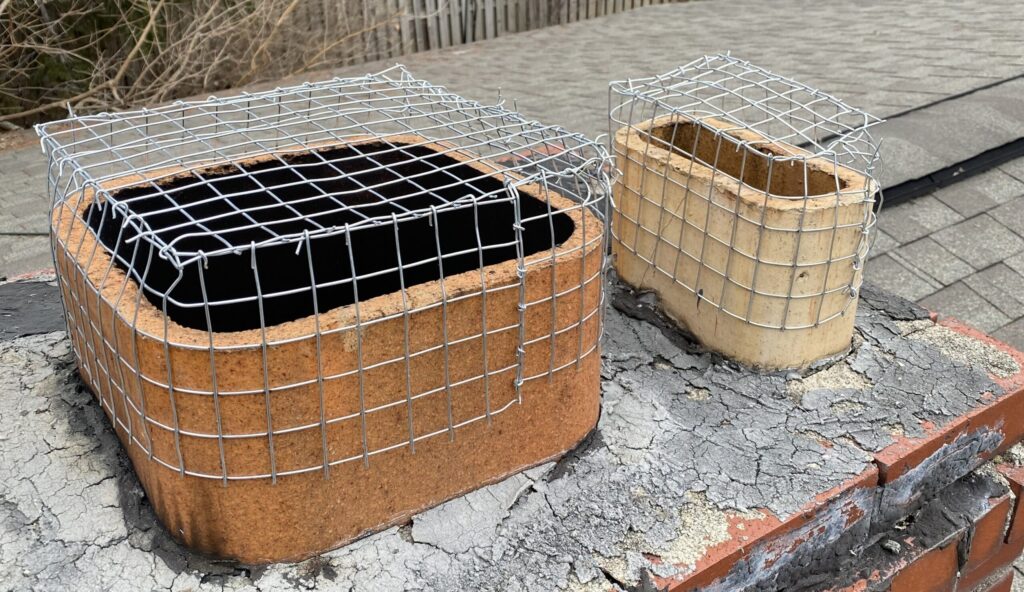
- Installing chimney caps and vent covers to prevent entry
- Keeping rooflines clear of debris and trimming overhanging tree branches
- Consulting with wildlife professionals like Skedaddle for a thorough assessment and preventive advice
Professional support ensures that raccoon entry points are identified accurately, and solutions are implemented safely. Preventive measures not only protect the home but also safeguard the wildlife that may seek shelter nearby.
Safe Observation and Professional Support
It’s important to remember that winter raccoons in chimneys and rooflines should not be disturbed. Agitating or waking them during winter can be stressful and potentially dangerous for the animals.
At Skedaddle, we guide homeowners on safe observation and provide professional recommendations for prevention and maintenance. Our team can:
- Identify vulnerable areas and raccoon entry points
- Offer advice on long-term prevention strategies
- Help maintain home safety without harming wildlife
Following our guidance allows homeowners to address roofline raccoon problems efficiently and responsibly. Professional support ensures that homes remain safe while respecting the animals’ natural behaviors.
Protecting Your Home and Local Wildlife
Raccoons are an essential part of Ohio’s ecosystem. While their winter activity may create challenges, understanding raccoon entry points and signs allows homeowners to coexist safely.
- Regular inspections and preventive maintenance reduce the likelihood of winter raccoon access.
- Recognizing signs of activity early prevents damage and stress for both homeowners and wildlife.
- Working with professionals like Skedaddle ensures solutions are effective, safe, and humane.
By staying informed about raccoon behavior and taking proactive steps, homeowners can protect their homes while respecting Ohio’s wildlife.
Secure Your Rooflines While Keeping Raccoons Safe
Raccoon entry points, especially along rooflines and chimneys, are a common concern for Ohio homeowners during winter. These areas provide warmth, safety, and shelter, making them highly attractive to raccoons.
Homeowners should be aware of subtle signs like noises, droppings, and roofline damage. Preventive measures, inspections, and professional advice from Skedaddle can help reduce the risk of unwanted indoor activity while keeping raccoons safe.
We at Skedaddle Humane Wildlife Control are dedicated to helping Ohio homeowners understand raccoon behavior, identify entry points, and implement effective preventive strategies. By working with us, you can protect your home while supporting local wildlife responsibly.

 Loading...