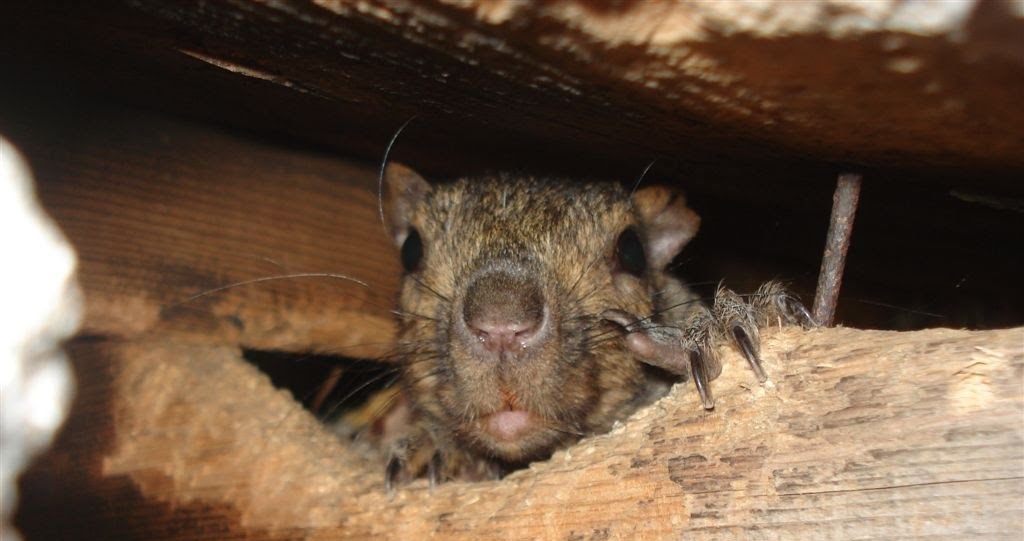
You know that feeling when the snow starts to fall, the air gets sharp, and you can’t wait to cozy up indoors? Well, animals feel the same way, especially squirrels. When the temperature drops in January, your warm attic can look like the perfect place to hide from the cold.
At Skedaddle Humane Wildlife Control in Oshawa, we see it every year. Squirrels in the attic in January are one of the most common calls we get from homeowners. These small animals don’t truly hibernate, so when food is scarce and trees are icy, they search for shelter wherever they can.
If you’re hearing scratching above your ceiling, there’s a reason. Let’s look at why this problem happens, how Canadian squirrel attic issues develop, and what we do to help remove and prevent them safely.
1. Cold Weather Pushes Squirrels Indoors
When the deep freeze hits, animals need warmth. Tree cavities and nests can only offer so much protection. Your attic, on the other hand, is dry, insulated, and full of trapped heat.
That’s why January brings an increase in calls for squirrels in the attic in January, they simply want to survive the coldest part of winter. Our team understands this natural instinct and uses humane methods to get them out safely without harm.
2. Roof Damage from Ice and Snow Creates Openings
Heavy snow and ice buildup can pull shingles, loosen vents, and open small gaps along the roofline. To a squirrel, those gaps look like doorways.
During our inspections, we often find:
- Lifted shingles or broken flashing near eaves
- Torn soffits from freeze-thaw cycles
- Open vents or damaged screens
- Small chew marks where insulation meets the roofline
Once an animal finds its way through, it can quickly create a nest inside. We locate and seal these weak points before they become bigger problems.
3. Female Squirrels Start Nesting Early
Even though January feels like the heart of winter, females are already preparing for spring births. They search for safe, warm spaces to give birth and your attic fits the bill perfectly.
We often find soft insulation pulled into piles or shredded materials around beams. That’s a sign a nest is forming. Our team uses one-way doors that let animals exit safely while preventing them from returning, keeping your home protected as the season changes.
4. Food Is Hard to Find Outside
Snow covers their natural food sources: nuts, seeds, and acorns. Hungry squirrels explore homes, following the smell of stored food or garbage bins. Once near your house, they’ll check for any warm, accessible space to hide in.
We recommend keeping outdoor areas clean and lids tightly shut, but the real key is preventing entry. Sealing every gap ensures those searching for food don’t also find shelter inside your attic.
5. Attics Provide Perfect Nesting Materials
Your attic offers more than just warmth, it’s full of nesting supplies. Insulation, cardboard, and old clothing make cozy layers for winter dens.
Typical materials used for nesting include:
- Fiberglass insulation and shredded paper
- Soft fabric or stored clothing
- Plastic bags or packaging
- Old blankets or furniture stuffing
Once settled, they chew wires or wood for extra padding, which can cause damage. Our cleanup process removes nesting material and replaces insulation safely once animals are gone.
6. Tree Branches Create Easy Roof Access
Branches hanging close to the roof make perfect bridges. Squirrels jump from limbs to shingles with ease, especially after a snowfall when branches bend lower.
During prevention visits, we often point out overhanging limbs that need trimming. It’s one of the simplest steps in winter squirrel removal tips, helping reduce access without any disruption to trees or wildlife.
7. Attics Offer Safety From Predators
Hawks, owls, and foxes all hunt through winter. High, enclosed spaces like attics offer total safety for smaller animals. Once inside, they stay put, often through multiple cold spells.
That’s why you shouldn’t ignore even light scratching sounds. What starts as a single animal can quickly turn into a family if left unchecked.
8. Older Homes Have Weak Rooflines
Many older Canadian homes still have aging wood, vents, or aluminum flashing. Over the years, expansion and contraction from temperature swings create small cracks that animals can widen.
You might not spot these openings, but our technicians know exactly where to look. We photograph and document each access point before sealing, so you see exactly how the problem was solved.
Winter Squirrel Removal Tips (What You Should Know)
When you hear noises in your ceiling or walls during winter, you might feel worried or unsure. You want a safe and fast solution, but you also want to protect your home. We get it. That’s why winter squirrel removal takes care and skill, especially in January when young ones may be present or nests are being built.
Here are a few things you should keep in mind:
- You should act fast if you hear scratching or thumping in your attic. The longer you wait, the more damage can happen.
- You don’t want to block openings yourself. If an animal is still inside, sealing holes can trap them and create a bigger problem.
- You want to protect babies if a nest has already been formed. Safe handling always matters.
- You want the job done humanely so the animal leaves without harm and cannot get back inside.
You don’t need to try anything on your own. Winter removal calls for proper tools, one-way doors, and expert knowledge. That’s why calling our trained professionals makes the whole process smooth, safe, and stress-free for you and your home.
Professional Prevention With Skedaddle
At Skedaddle Humane Wildlife Control, we don’t just remove animals. We protect your home from future problems. Our prevention process is designed for harsh Canadian winters and includes:
- Full roofline and attic inspection
- Safe use of one-way doors for humane exits
- Sealing and reinforcing of entry points
- Cleaning and insulation replacement if needed
You don’t need to do anything yourself. We handle the hard work from start to finish. Our process ensures long-term protection so you can focus on staying warm, not worrying about noises in your ceiling.
Stay Warm, Stay Protected This Winter
Squirrels in the attic in January become one of the most common problems for homeowners across Canada. Cold weather, damaged roofs, and easy access points make your home a target. But with winter squirrel removal tips from professionals, you can protect your attic before the next freeze.
At Skedaddle Humane Wildlife Control in Oshawa, we specialize in humane, lasting solutions for Canadian squirrel attic issues. Our experts know how to stop entry, remove animals safely, and seal your home for good.
If you suspect scratching or movement overhead this season, don’t wait. Request an estimate to learn more and let us help you secure your home the safe, humane way.

 Loading...