You hear less noise outside when the weather gets cold, but that doesn’t mean wildlife disappears. If you’re wondering how raccoons in the winter manage to stay active and survive freezing temperatures, you’re not alone.
Many homeowners are surprised to learn how well these animals adapt. You also want to know what this means for your home, especially if warm spaces like attics or rooflines are nearby.
Raccoons stay active through the cold by slowing down their bodies, finding warm shelter, and using smart survival habits. When you learn more about winter raccoon behaviour, you get a better understanding of why they look for dens, how they make it through storms, and why they sometimes choose homes for shelter.
At Skedaddle Humane Wildlife Control in Oshawa, we study raccoon survival in the winter so we can keep homes protected while removing animals safely and humanely. This blog will walk you through the key raccoon hibernation facts, the survival habits they use, and how our humane methods keep them out of your space.
They Use Stored Fat to Keep Themselves Going
As cold weather approaches, raccoons start eating more than usual. They focus on high-calorie foods that help them build fat reserves for the winter. This extra layer helps them stay warm and gives them energy when food becomes harder to find.
Raccoons rely on these fat reserves during long stretches of inactivity. Their bodies burn energy slowly, which lets them stay inside dens for days or even weeks at a time. This is one of the most important raccoon hibernation facts, because fat storage is key to making it through harsh winter conditions.
Raccoons also use this energy when they wake during warmer days. Instead of hunting constantly, they use stored calories to stay alert and conserve strength.
The weeks before winter help prepare them for survival. When raccoons find steady food sources like garbage, outdoor pet food, gardens, or compost, they bulk up even more. Extra weight means extra protection.
This strategy explains a big part of winter raccoon behaviour. They don’t simply sleep all season; they prepare carefully by storing the energy they need.
They Find Warm Dens to Conserve Heat
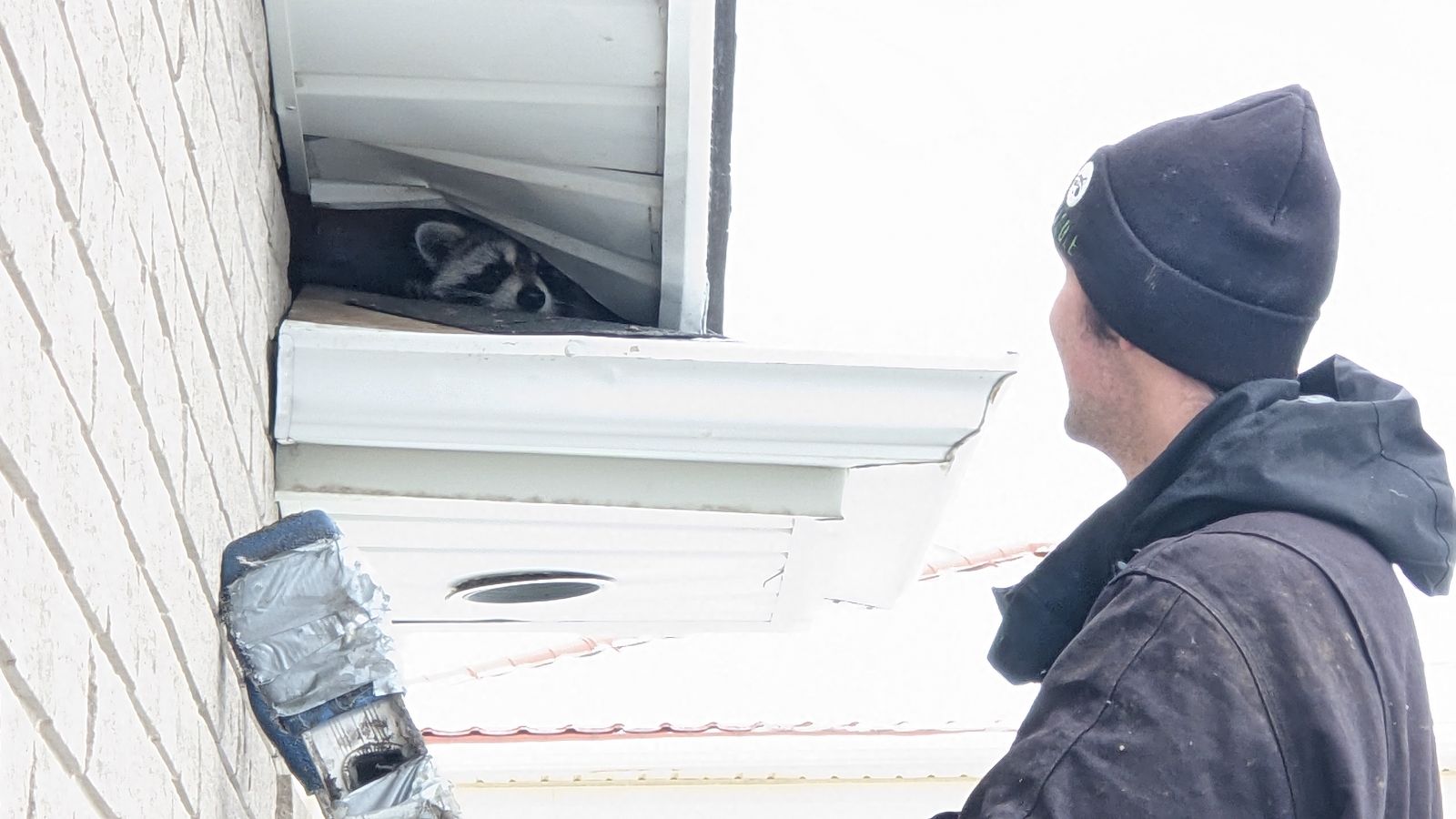
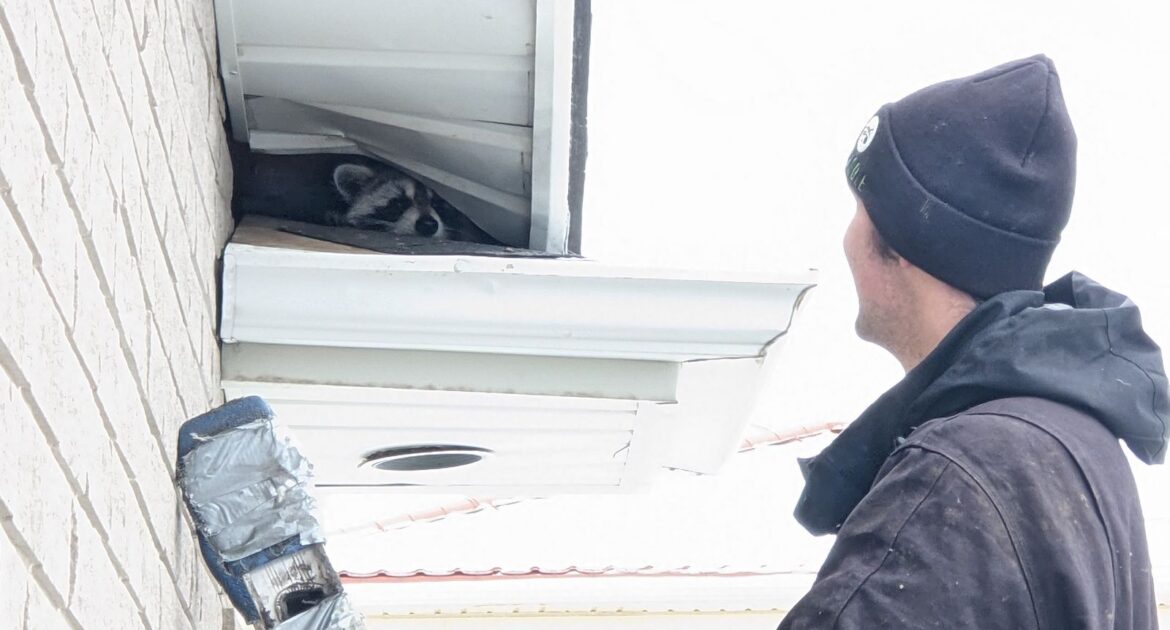
Shelter plays a major role in winter raccoon behaviour. These animals need warm, dry places so they can rest, save energy, and stay safe during long stretches of cold weather. When natural spots aren’t enough, they start looking toward homes, barns, and sheds. Our team in Oshawa sees this often during the coldest months.
Here’s what makes shelter so important for raccoon survival in the winter:
- Location Matters: A protected den helps them keep in body heat when food is harder to find. Hollow logs, old trees, and natural rock spaces work well in the wild. In neighbourhoods, they may choose attics, chimneys, or roof gaps because these areas offer strong insulation and steady warmth.
- Temperature: The inside temperature of a den matters more than most people think. A warm, enclosed space lets them rest for long periods without losing too much energy. It also lowers their risk of frostbite on their paws, tails, and faces, which can happen fast in freezing wind.
- Close to Home: Winter often pushes raccoons closer to homes. When outdoor shelter is limited, they use their strength to widen small openings and create a way inside. This can lead to damage that spreads quickly. Our humane approach, including one-way doors, lets them exit safely while stopping them from coming back.
Shelter is one of the strongest survival tools these animals have, which explains why they stay determined when temperatures drop.
They Enter Torpor Instead of True Hibernation
Many people think raccoons hibernate, but they actually enter a lighter state called torpor. This is one of the most misunderstood raccoon hibernation facts.
What is Torpor? How Does It Work?
Torpor slows down the raccoon’s breathing, heart rate, and overall energy use. They sleep more deeply, stay still longer, and keep their bodies warm with less effort. But unlike true hibernators, raccoons can wake up quickly when temperatures rise.
Why Torpor Helps Raccoons Survive?
Torpor allows raccoons to save energy while still staying alert enough to wake up and forage when needed. This flexible sleep pattern is what makes winter raccoon behaviour so unique. They may be invisible for days, then suddenly active again during mild weather.
How Often Do Raccoons Wake Up?
During warm spells, raccoons leave their dens to look for food or water. They may travel farther than usual because winter food sources are scarce. When temperatures drop again, they return to their den and re-enter torpor.
Torpor keeps their bodies functioning, warm, and ready for the next weather change.
They Grow Thicker Fur for Extra Protection
Raccoons develop a thicker coat as winter approaches. This fur is one of their best natural defences against cold weather.
Their winter coat traps heat close to the skin, helping them stay warm even when the temperature drops. The fur also repels snow and ice, which keeps their bodies dry. This thicker layer is part of why raccoons stay active and alert during mild winter days—they’re built for it.
In urban areas, raccoons often stay even warmer because homes, garages, and sheds create heat pockets. These extra-warm areas give them a better chance of surviving.
A thick winter coat is another smart part of raccoon survival in the winter, giving them the tools they need to manage changing weather.
They Use Their Survival Skills to Find Food When They Wake
Food is scarce in the winter, so raccoons must be smart and resourceful. Their ability to adapt is one reason they thrive in both forests and cities.
- In Search of Food: Because they wake during warmer days, raccoons take advantage of whatever food they can find. This can include wild plants, nuts, insects, bird feeders, garbage bins, compost, or pet food left outside. Their strong memory helps them return to places where they’ve found food before.
- Urban Areas for Winter Feeding: Cities provide many easy food sources. Warm homes create more animal activity, more garbage, and more shelter options. Raccoons take advantage of this and may remain active longer.
- Food behaviour and Home Impact: A raccoon that finds steady food will return often. This increases the chance that it will try to den nearby. At Skedaddle, we use humane strategies to move the animals out and keep homes protected.
Understanding where raccoons find winter food helps explain how they behave and why they sometimes move closer to people during the cold season.
How We Help Prevent Raccoons from Entering Homes in Winter
At Skedaddle, we focus on humane solutions that protect both the home and the animals. Prevention always starts with identifying weak points that raccoons use to enter.
- Inspect Common Entry Points: Our team looks at rooflines, vents, chimneys, soffits, and any gaps large enough for entry. Raccoons can push through surprisingly small spaces, so detailed inspection is key.
- Installation of One-Way Doors: These devices let raccoons exit safely while preventing them from coming back. This keeps families together and avoids harm while restoring the home’s safety.
- Secure Against Future Attempts: After raccoons leave, we seal openings with strong materials. This helps prevent another roof raccoon infestation in the future and gives homeowners peace of mind through the winter season.
- Clean and Restore Affected Areas: Droppings, nesting spots, and damaged insulation can create long-term issues. Our team restores these areas safely and professionally.
Prevention keeps raccoons outside where they belong while protecting your living space.
Protect Your Home This Winter
When you understand winter raccoon behaviour, it becomes easier to see why these animals search for warm places and how they make it through the season. Many facts about raccoon survival in the winter show just how smart and adaptable they are. But these habits can also bring them closer to homes, where they may try to create dens.
If you notice activity or signs of a roof raccoon infestation, our team at Skedaddle Humane Wildlife Control in Oshawa is ready to help with humane, effective solutions. Request an estimate today to learn more about how we can protect your home safely and naturally.

 Loading...







