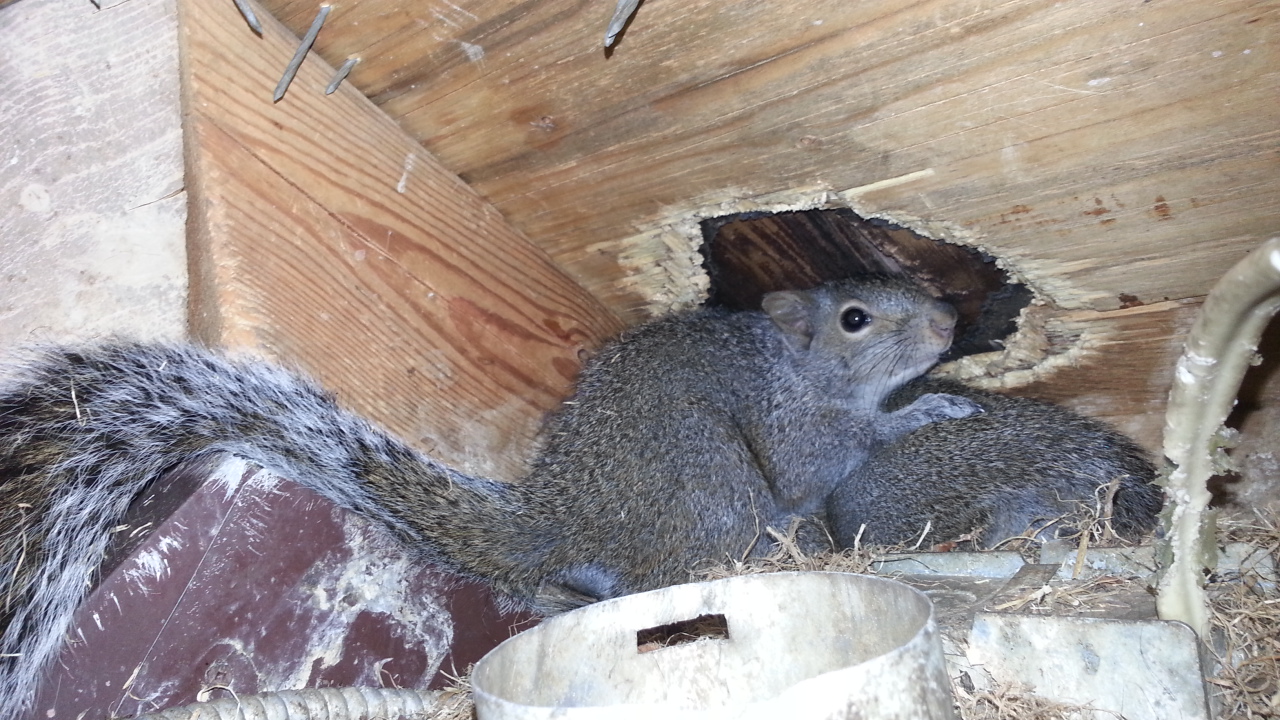
You hear something moving above your head or notice scratching in the walls, and you start to wonder what is happening inside your home. When you look closer, you may discover a squirrel home invasion. You might not see these animals right away, but you can feel the signs they leave behind. When you think about inside the mind of a squirrel, you realise your home may offer more comfort, warmth, and safety than anything they find outside. That’s why they move in, and that’s why you want to know why your home becomes their top pick.
You want clear answers about what draws squirrels inside. Their choices are not random. They follow instincts that help them survive, raise their young, and stay warm. When you learn why squirrels nest indoors, you can understand their patterns and protect your home.
Skedaddle Humane Wildlife Control in Whitby helps homeowners stay ahead of these problems, and we see the same signs again and again. Every home that becomes a target offers a few key things that squirrels love.
In this blog, you’ll learn the main reasons your home becomes a top choice, how squirrel behaviour explained makes the patterns easier to see, and how our team prevents future invasions safely and humanely.
Warmth Is the First Thing They Look For
Warmth is one of the biggest reasons a squirrel chooses a home. Outdoor temperatures drop fast during fall and winter, and young squirrels need a steady heat source to survive. Attics, wall spaces, and rooflines hold warm air that escapes through small cracks. When a squirrel feels that heat, it follows it straight to your home.
These animals also use your insulation as a nesting base. Insulation stays soft, holds warmth well, and offers protection from wind and rain. A nest built outdoors cannot match the comfort of a dry attic. This is why squirrels return to the same indoor spots every year. They learn which places work and stick with them because they know their young will be safer inside.
When you look at squirrel behaviour explained through the lens of survival, you see how warmth guides many of their choices. Your home becomes a perfect shelter during storms, cold mornings, and early spring when newborns need extra care.
Food Sources Make Your Property Attractive
Food plays a major role in wildlife decisions. When you offer easy access to something they can eat, squirrels remember it and return often. Over time, this builds a pattern, and those repeat visits may lead to a squirrel home invasion.
Why do yards draw squirrels closer?
- Bird Feeders Bring Them Back Every Day: Feeders spill seeds and nuts onto the ground, and this becomes a reliable food source. Even if you remove the feeder later, squirrels may stick around because they expect more food.
- Fruit and Nut Trees Offer Constant Snacks: Fallen fruit and nuts create a buffet on the grass. Squirrels hide these extras for winter, and many of their hidden stores end up near or inside homes.
- Open Garbage or Compost Piles Invite Curious Animals: Squirrels are fast learners. If they find food in a bin once, they will check it again and again, especially during seasons when food is scarce.
These food sources make your home a frequent stop. After enough visits, the animal starts looking for warm shelter nearby, which increases the chance of nesting indoors.
Entry Points That Are Easy to Reach
One of the biggest factors behind why squirrels nest indoors is simple: they are skilled climbers, jumpers, and chewers. They use their natural abilities to turn tiny weaknesses into open invitations.
What are common weak spots squirrels use?
- Unprotected Roof Vents: Thin plastic vents are no match for strong front teeth. Squirrels chew through them quickly and slip inside without hesitation.
- Gaps in Soffits and Fascia Boards: These gaps start small from age or weather. As soon as a squirrel notices the space, it widens it enough to squeeze through.
- Overhanging Branches for Roof Access: When a branch touches the roof, a squirrel has a straight path onto your home. Once it reaches the roofline, it searches for any flaw it can open further.
Your home becomes the top pick because these animals do not need a large hole. If they can fit their head inside, their flexible body can follow. Their strong teeth allow them to widen cracks in only a few minutes.
Safe Shelter for Raising Young
Safety is a major reason behind a squirrel home invasion. Indoors, these animals face fewer predators, warmer air, and steady protection from storms. This makes attics and wall spaces ideal places for raising their young.
Squirrels give birth twice a year: once in late winter and once near the end of summer. During these times, they need a dry space where newborns can stay protected until they grow strong enough to climb. Homes provide the perfect cover because they offer stability. Outdoor nests in trees can fall or be exposed to harsh weather. Inside your home, these risks disappear.
When you look at squirrel behaviour explained through parenting needs, you can see why they work so hard to stay hidden indoors. Their goal is to create a nest that gives their young the highest chance of survival.
Homes Mimic Their Natural Nesting Spots
Tree cavities are a squirrel’s favourite outdoor nesting place. But not every tree has the right shape or depth. When natural cavities are hard to find, squirrels turn to homes because they offer the same enclosed space.
Attics mimic tall tree hollows. Wall voids mimic tight cavities where animals feel protected. Chimneys mimic deep, vertical spaces that trap warm air. When a squirrel explores your property and notices these features, it may treat your home like an upgraded version of a tree.
Beyond shelter, your home offers something trees cannot: predictable warmth. Even on the coldest days, heat from your living space rises upward, filling attic corners with warmth. To a squirrel, this makes your home one of the safest nesting options available.
Why Squirrels Come Back to the Same Homes
Squirrels are creatures of habit. Once they find a safe, warm location, they store the memory and return in future seasons. This behaviour is part of what makes a squirrel home invasion so persistent.
Why do squirrels revisit specific homes?
- Scent Trails From Past Nests: Their old nesting material leaves a familiar smell. This helps them locate the same entry point again.
Teach Their Young of Safe homes: Young animals learn shelter patterns from their parents. If your attic was safe once, future generations may come back to the same spot.
Warm Homes: Squirrels notice heat escaping along roof edges. If your home gave them warmth before, they assume it will again.
This behaviour shows why sealing all entry points matters. If even one small gap stays open, the cycle continues.
Prevention: How Skedaddle Keeps Squirrels Out
Before we begin any prevention work, we look closely at how squirrels are using the home and why they were drawn in. Every property has different weak spots. Some attract animals with food sources. Others offer warmth or gaps that make entry easy. Our goal is to close these openings and guide the animals out in a safe, humane way.
Here is what we do:
- Seal Weak Points with Strong, Durable Materials: Thin wood, worn vents, and loose screens can be pushed open or chewed through. By reinforcing these areas, we block re-entry and protect the home long term.
- Install One-Way Doors When Animals Are Inside: These devices let squirrels exit but stop them from coming back in. This keeps the process calm and avoids stress for the animals.
- Explain Attractants Around the Yard: Things like open garbage or fallen nuts can draw wildlife closer. We help homeowners understand what is drawing animals in so small changes can reduce the interest over time.
Prevention turns your home from a top pick into a place squirrels cannot use again, giving you long-lasting peace of mind.
Keep Your Home Safe From a Squirrel Home Invasion
When you understand squirrel behaviour explained, it becomes easier to see why these animals choose warm homes with easy food and shelter. When squirrels nest indoors, they follow natural instincts, but the impact on your home can grow quickly.
Our team at Skedaddle Humane Wildlife Control in Whitby uses humane tools, including one-way doors, to guide animals out and keep them from returning. If you want long-lasting protection from a squirrel home invasion and expert help with prevention, request an estimate to learn more today.

 Loading...