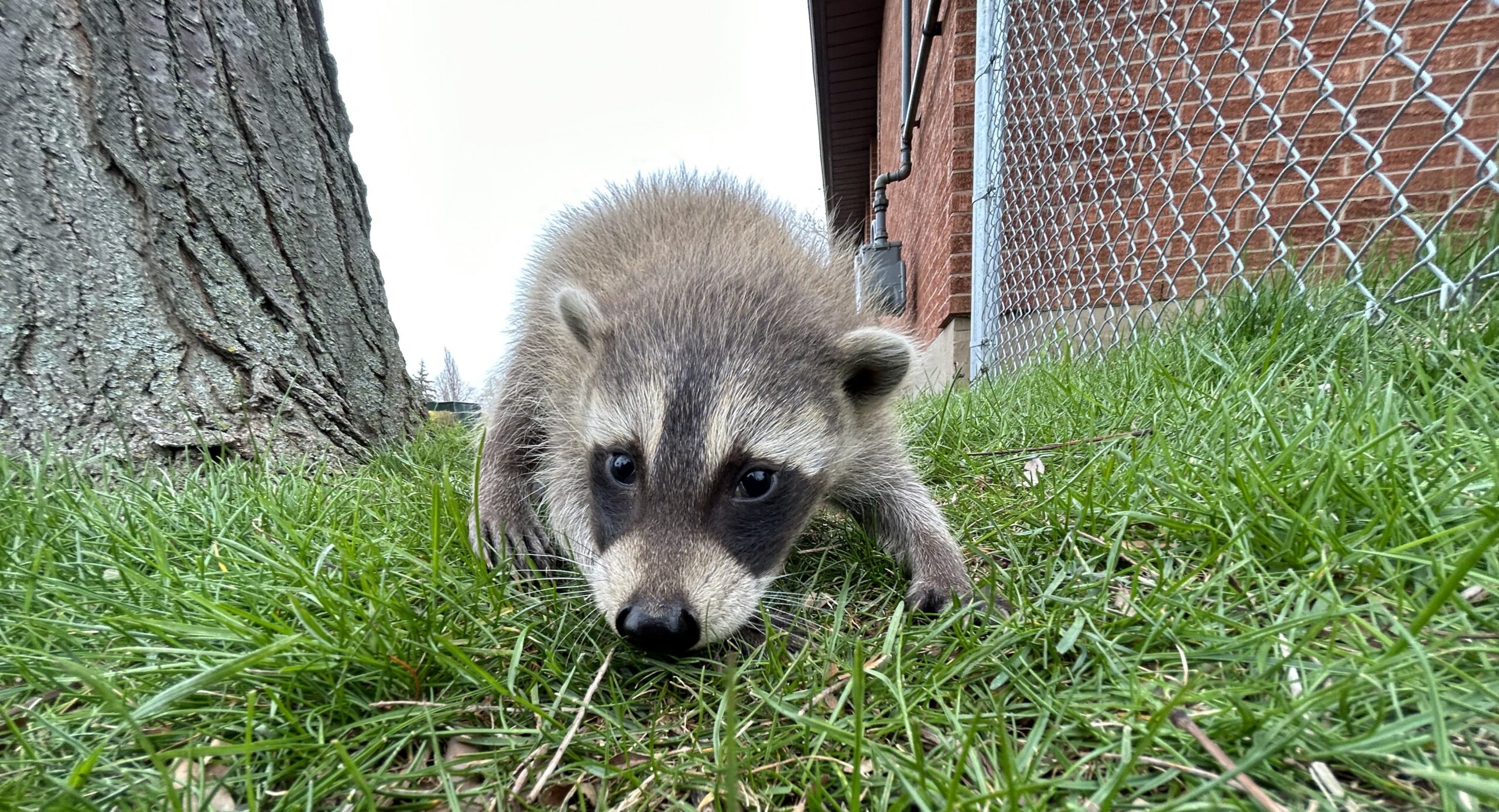
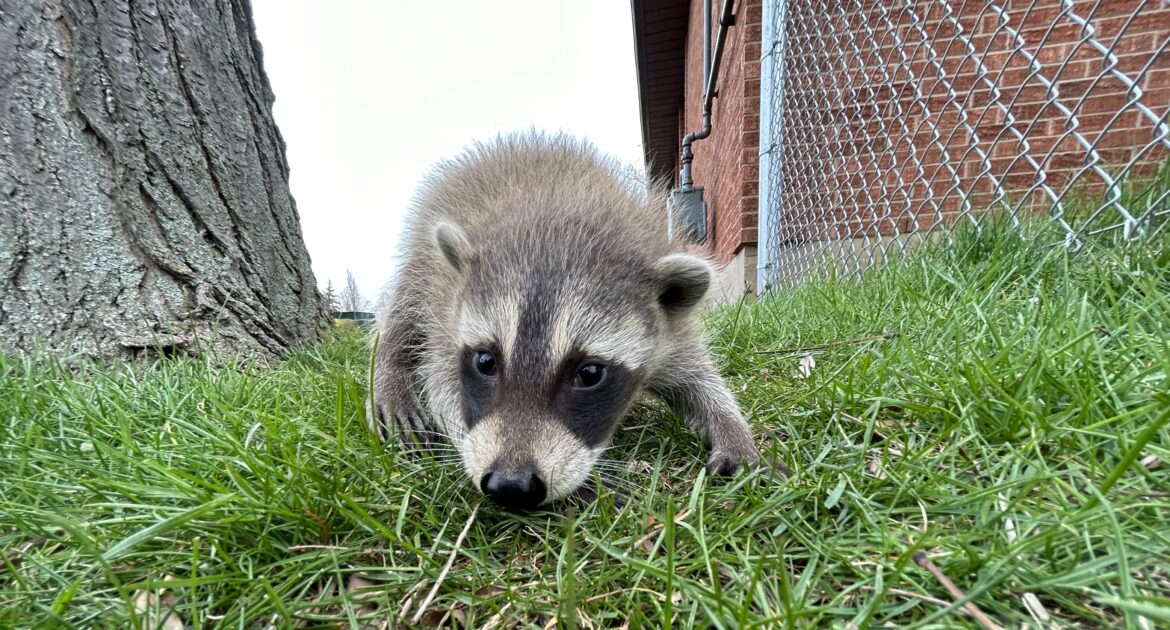
If you’re wondering whether you might have raccoons in your shed, the honest answer is yes—it’s very possible, especially here in Montreal. Sheds offer shelter, warmth, and protection from predators and harsh weather. In neighbourhoods across the island, from NDG to Ahuntsic-Cartierville, raccoons regularly look for quiet structures where they can nest, particularly in the spring when females are searching for safe places to raise their young.
At Skedaddle Humane Wildlife Control in Montreal, we’ve seen just how common shed intrusions can be. The good news is that there are clear warning signs to watch for and safe, humane solutions available. Acting quickly can prevent damage and protect your family’s health.
Why Raccoons Choose Sheds
Raccoons are highly adaptable animals. As the city grows and green spaces overlap with residential areas like Verdun, Rosemont–La Petite-Patrie, and near Mount Royal Park, raccoons have learned to live comfortably alongside people.
Your shed checks all the boxes for what a raccoon needs:
- Shelter from weather, including heavy spring rain and lingering winter cold
- A quiet, enclosed space away from predators
- Access to nearby food sources such as garbage bins, compost, bird feeders, and pet food
- Safe nesting areas in stored boxes, insulation, or clutter
Spring is an especially high-risk time. Female raccoons search for protected spaces to give birth and raise their kits. A backyard shed is often more secure than a hollow tree. If they get inside before you notice, they can settle in quickly.
Signs You May Have Raccoons In Your Shed
Sheds are often detached from the main house, so it can take time to realize something is wrong. If you live near areas like the Lachine Canal, Rivière-des-Prairies, or close to wooded parks, it’s even more important to stay alert.
Here are some common signs:
- Noises at night, including thumping, scratching, or vocal sounds
- Strong, musky odours from urine or droppings
- Tipped-over storage bins or disturbed items inside
- Visible droppings in or around the shed
- Damage to vents, siding, or door corners where raccoons may have forced entry
- Tracks or hand-like paw prints in dust or mud
Raccoons are mostly nocturnal, so you may not see them during the day. Instead, you’ll notice the aftermath of their activity. If you hear movement after sunset or early in the morning, it’s a strong indicator that wildlife has taken up residence.
The Dangers of Raccoons in Your Shed
It may be tempting to ignore the issue if the animals are “only” in the shed and not inside your house. However, raccoons can create serious problems even in detached structures.
First, there’s the risk of property damage. Raccoons are strong and persistent. They can tear insulation, chew wood, damage wiring, and break vents to expand their nesting space. Over time, this can weaken the structure of your shed.
Second, there are health risks. Raccoon droppings can contain harmful parasites. Their urine and feces can contaminate stored items, gardening tools, and even the soil around your yard. If your shed stores children’s toys, sports equipment, or seasonal decorations, contamination becomes a real concern.
There is also the issue of aggressive behaviour, particularly in spring. A mother raccoon protecting her babies may react defensively if she feels threatened. Attempting to approach or remove her on your own can lead to injury.
Finally, once raccoons feel safe in a shed, they may look for additional shelter options nearby. That could mean your attic or garage is next.
Why DIY Wildlife Removal Is Not Safe
We understand the urge to handle wildlife issues yourself. Many homeowners think they can scare the animals out or block the entry point. Unfortunately, DIY removal often makes the situation worse.
Here’s why:
- You may not see baby raccoons hidden inside. Sealing an entry hole without checking for young can separate a mother from her kits, leading to distress, noise, and further damage as she tries to get back in.
- Raccoons can become defensive. Cornered wildlife may scratch or bite.
- Improper handling can expose you to parasites and bacteria.
- Temporary fixes rarely work. Raccoons are persistent and can reopen weak repairs.
Using amateur methods can escalate the problem and increase long-term repair costs. Wildlife removal requires experience, training, and a clear understanding of animal behaviour.
Our Humane Approach to Raccoon Removal
At Skedaddle Wildlife Control in Montreal, humane removal is at the core of what we do. We do not use harmful methods. Instead, we focus on solutions that allow animals to leave safely while preventing them from returning.
One of our most effective tools is the one-way door system.
Here’s how it works:
- We inspect the shed thoroughly to confirm all entry and exit points.
- We make sure any babies are safely removed and reunited with their mother outside the structure.
- We install a one-way door over the main entry point.
- The raccoon exits through the door but cannot re-enter.
- Once we confirm the animals are gone, we permanently secure and seal all vulnerable areas.
This method respects wildlife while protecting your property. It’s a long-term solution designed to stop repeat intrusions.
We also clean and sanitize affected areas when necessary, helping restore your shed to a safe condition.
Springtime: A Critical Season for Shed Intrusions
Spring in Montreal is beautiful. But for homeowners, it’s also the start of peak wildlife activity.
During this season:
- Female raccoons are actively searching for nesting sites.
- Young animals are born and remain hidden for several weeks.
- Food sources become more available, increasing wildlife movement.
If you’ve noticed activity in March, April, or May, there’s a high chance it involves a mother and her babies. This makes professional handling even more important. Removing wildlife improperly during baby season can create serious complications.
Being proactive in early spring can prevent months of ongoing problems.
Other Wildlife Commonly Found Around Montreal Sheds
Raccoons aren’t the only animals that target sheds in our city. Montreal’s mix of urban and natural spaces makes it a hotspot for many species.
We regularly help homeowners with:
- Skunks nesting under sheds or decks
- Squirrels chewing through wood and nesting in walls
- Bats roosting in rooflines or vents
- Birds building nests in rafters
- Rats and mice seeking food and warmth
Each species requires a specific humane removal strategy. Our team is trained to identify the animal involved and apply the right solution using one-way door systems and proper exclusion techniques.
Wildlife issues are rarely isolated. If your shed attracts one type of animal, it may attract others if access points remain open.
Practical Steps You Can Take Right Now
While professional removal is essential once animals are inside, there are preventative steps you can take to reduce the risk.
- Keep garbage bins tightly sealed.
- Avoid storing pet food in sheds.
- Remove fallen fruit from yards.
- Trim tree branches that hang over your shed.
- Check for small gaps or damaged panels and have them professionally sealed.
Regular maintenance goes a long way in preventing wildlife from viewing your shed as an easy shelter option.
We’re Here to Help Homeowners
Living in Montreal means sharing space with wildlife since animals are part of our environment. The key is managing those interactions safely and responsibly.
If you suspect raccoons in a shed, don’t wait for the problem to escalate. The sooner we assess the situation, the easier it is to resolve.
At Skedaddle Wildlife Control, we bring decades of experience and a commitment to humane removal. Our one-way door systems allow wildlife to leave safely while ensuring they cannot return. We focus on permanent solutions, not temporary fixes.
If you’re hearing noises, noticing damage, or simply want peace of mind, our local team is ready to help. We understand the local neighbourhoods, seasonal wildlife patterns, and how to protect your property effectively.
Your shed should be a place to store tools and equipment—not a nesting site for wildlife. Let us help you keep it that way.

 Loading...