




Humane wildlife removal and prevention for Montreal homes and businesses, backed by proven methods and local experience.
Skedaddle proudly serves homeowners and businesses across Montreal and surrounding communities with over 30 years of humane wildlife control experience, trusted prevention strategies, and a lifetime guarantee on workmanship.
Montreal’s mix of older duplexes and triplexes, dense neighbourhoods, mature trees, laneways, parks, riverfront areas, and changing seasons creates ideal conditions for urban wildlife. Homes near Mount Royal, the Lachine Canal, the St. Lawrence River, and green spaces throughout the island can experience activity from raccoons, squirrels, bats, birds, mice, rats, and skunks. Attics, chimneys, vents, sheds, rooflines, garages, and commercial buildings often provide the warmth and shelter animals look for, especially during nesting season or colder weather.
Skedaddle understands how wildlife behaves in urban environments and uses humane removal, cleanup, and prevention to solve the problem at the source. Montreal’s own resources identify species such as raccoons, squirrels, skunks, rats, bats, pigeons, and other birds as common urban wildlife, and note that feeding wildlife is prohibited because it can create nuisance and safety issues.
What is the best way to remove wildlife from a home?
The best way to remove wildlife from a home is to use a humane wildlife control service that identifies entry points, safely removes animals, cleans contaminated areas, and installs prevention materials to stop re-entry. Skedaddle’s process focuses on long-term protection, not quick temporary fixes.

Urban Wildlife Challenges in Montreal Homes and Businesses
Montreal’s wildlife activity is shaped by its dense neighbourhoods, older housing stock, cold winters, humid summers, and access to green space and waterways. Duplexes, triplexes, row houses, flat roofs, aging brickwork, roof vents, soffits, chimneys, garages, and commercial buildings can all provide entry opportunities when animals are searching for shelter. In spring and summer, many species look for quiet nesting sites to raise their young, making attics, wall voids and rooflines especially attractive. In fall, wildlife becomes more active around food sources and potential winter shelters. Once temperatures drop, mice, rats, squirrels, raccoons and other animals may move closer to buildings for warmth, protection and easier access to food.
Common wildlife problems Skedaddle helps solve include:
- Bats: Often found roosting near rooflines, vents, chimneys, soffits and attic spaces during warmer months.
- Mice and rats: Common in older buildings, basements, garages, restaurants, laneways and areas with easy food access.
- Squirrels: Known for chewing through roof edges, fascia, vents and soffits to reach warm nesting areas.
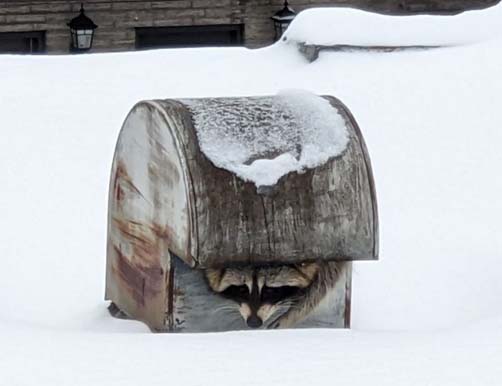
- Raccoons: Strong, determined animals that can damage vents, shingles, chimneys and attic access points.
- Skunks and birds: Skunks may den under porches, decks and sheds, while birds can nest in vents, signs and roof openings.
Early action is important because wildlife issues rarely stay small for long. Animals can nest, reproduce, contaminate insulation, chew wires or building materials, and create new access points as they move through a property. What begins as a noise in the attic or a few droppings near a wall can become more disruptive and expensive if the source is not addressed properly.
Seasonal Wildlife Activity in Montreal
Montreal Fall Wildlife Protection for Rooflines, Balconies and Older Homes
As temperatures cool in Montreal, wildlife looks for dependable shelter before winter. Squirrels chew into rooflines and soffits, raccoons investigate attics, chimneys and garages, and mice and rats squeeze through small gaps around foundations and shared walls. The city’s duplexes and triplexes, with their flat roofs, balconies and older masonry, offer many access points, and homes near Mount Royal, the Lachine Canal and the St. Lawrence River see frequent activity. Across the West Island, Laval and the South Shore, homeowners often report scratching in the ceiling, chewed trim and droppings in basements and sheds.
Animals that settle in during the fall usually stay all winter, and the damage builds over time: torn insulation, chewed wiring and contaminated attic and wall spaces. Skedaddle’s humane wildlife control in Montreal starts with a full inspection of rooflines, vents and foundations, then removes animals safely, cleans affected areas and seals entry points before winter arrives.
Winter: Warmth, Shelter and Hidden Activity
Winter wildlife problems can be harder to detect because animals often stay tucked inside warm, protected spaces. Mice and rats remain active indoors, while squirrels and raccoons may use attics or wall voids as shelter during harsh weather. Even if activity seems quiet, contamination, chewing and insulation damage can continue behind the scenes.
Spring: Nesting Season Begins
As snow melts and temperatures rise, wildlife becomes more active across residential streets, parks, alleys and commercial areas. Raccoons, squirrels, birds and skunks begin searching for safe nesting sites, while mice and rats take advantage of new food sources. Attics, vents, sheds, chimneys and wall spaces often become targets because they provide warmth and protection for young animals.
Montreal Summer Wildlife Protection for Rooflines, Balconies and Older Homes
Montreal summers can bring more wildlife activity around homes, duplexes, triplexes, balconies, garages and rooflines. Raccoons may investigate chimneys, soffits and attic openings, squirrels can access roof edges from nearby trees, and birds or bats may use vents or gaps along exterior walls. Mice and rats can also become more visible around foundations, alleys, outdoor waste areas and storage spaces when food and shelter are available. Homeowners may hear scratching, see droppings, notice chewed materials or find damaged vent covers. Older buildings and dense neighbourhoods can make entry points harder to spot, which is why a professional inspection is important.
Skedaddle’s humane wildlife control in Montreal helps homeowners remove animals safely, clean affected areas and prevent re-entry. Summer is the right time to secure vulnerable openings, reduce attractants and protect your property before wildlife activity leads to bigger damage or recurring problems.
Local Wildlife Control Backed by Experience and Prevention
When wildlife gets into a property, homeowners and businesses need more than a quick removal. Skedaddle provides humane service designed for long-term protection.
- Over 30 years of experience helping families and businesses resolve wildlife problems safely and professionally.
- Humane removal methods that account for nesting seasons, dependent young and species-specific behaviour.
- Detailed property inspections to find entry points, damage, contamination and vulnerable areas.
- Prevention-focused repairs backed by a lifetime guarantee on workmanship.
- Local understanding of housing styles, rooflines, weather patterns and urban wildlife pressures.
A Humane Process That Solves the Whole Problem
Skedaddle’s process is designed to remove wildlife safely, clean up the areas animals leave behind, and protect the property from future entry.
Step 1: Inspect and Remove
Every service begins with a detailed inspection of the home or business. Skedaddle technicians look for active entry points, damage, droppings, nesting materials, odours and signs of movement around roofs, vents, chimneys, attics, crawl spaces, garages and exterior walls. Once the source of the issue is identified, animals are removed using humane, species-appropriate methods. When babies or dependent young are involved, Skedaddle takes care to keep wildlife families together while guiding them out safely and effectively.
Step 2: Clear and Clean
Wildlife can leave behind more than noise and damage. Droppings, nesting materials, urine, fur, food debris and contaminated insulation can create odours and health concerns if they are not properly addressed. Skedaddle cleans and clears affected spaces to help restore a safer environment for the people who live or work there. This step also helps reduce scent trails and biological markers that may attract other animals back to the same area in the future.
Step 3: Prevent and Protect
After removal and cleanup, Skedaddle focuses on keeping wildlife out. Technicians repair and secure vulnerable areas using durable prevention materials suited to the species and structure. This may include screening vents, protecting roof edges, sealing gaps, reinforcing access points and addressing areas animals could exploit later. Prevention is especially important in older homes and dense neighbourhoods, where wildlife can move easily between properties. Skedaddle’s workmanship is backed by a lifetime guarantee for added peace of mind.
Health and Safety Concerns Linked to Urban Wildlife
Wildlife inside a home or business can affect more than comfort. In older buildings, tight rooflines, shared walls and enclosed attic spaces can allow contamination, odours and damage to spread before the problem is fully visible. Professional removal helps protect both the structure and the people using it.
Disease
Raccoons, rodents, bats, birds and skunks can leave behind droppings, urine and nesting debris that may carry harmful bacteria or pathogens. These materials should be handled carefully and cleaned with proper protective equipment.
Airborne Contaminants
Dried droppings, nesting materials and soiled insulation can release particles into the air when disturbed. This is especially important in attics, wall voids, vents and other enclosed areas where airflow may carry odours or contaminants.
Parasites
Wildlife may introduce fleas, mites, ticks or other parasites into a property. Once animals are removed, these pests can remain behind and may move into living or working areas if the space is not properly addressed.
Attic Soiling
Urine, droppings and nesting materials can compress insulation, create odours and reduce the comfort of the home. Cleanup helps remove contamination, reduce attractants and support a safer, healthier indoor environment.

Protect Your Property With Humane Wildlife Control
When wildlife gets into your home or business, Skedaddle is ready to help with humane removal, thorough cleanup and long-term prevention. Our team understands local wildlife pressures and building styles, and we focus on solutions that last. Contact Skedaddle today to book your wildlife assessment.
Montreal Insights
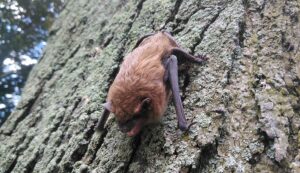
A Bat Flew Into Your Montreal Home: What Should You Do Next?
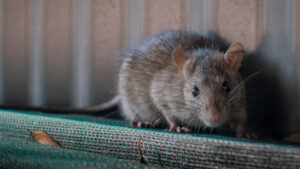
Rat Complaints Are Rising in Montreal: Could Construction Be Driving Them Into Backyards?