







RAT REMOVAL PROCESS

Assess and Remove
Skedaddle begins with a detailed 35-point inspection to identify rat activity, entry points, and nesting areas. Our technicians may use thermal imaging to locate hidden movement and apply humane solutions, including one-way doors where appropriate, to remove rats safely and effectively.

Clear and Clean
After removal, contaminated areas are cleared and cleaned to help restore a safer environment. This step focuses on removing droppings, nesting materials, odours, and pheromone traces that can attract future activity, while supporting better health and safety for people, pets, employees, and customers.

Prevent and Protect
Long-term rat control depends on keeping rodents out. Skedaddle seals vulnerable gaps with durable materials such as galvanized steel screening and completes rat-proofing around foundations, vents, utility lines, garages, crawl spaces, and other access points to help prevent future problems.
Professional, humane rat removal services that protect your home, business, and property from ongoing rodent activity.
With over 30 years of experience, Skedaddle provides rat removal and prevention across Columbus, including Clintonville, German Village, Grandview Heights, Worthington, and Upper Arlington. Our work is backed by a lifetime guarantee.
Rats are highly adaptable, and the mix of older homes, busy commercial corridors, riverfront green space, and dense neighbourhoods throughout the area can create ideal conditions for them to thrive. Properties near the Scioto River, Olentangy Trail, alleys, restaurants, garages, sheds, and aging foundations may be more vulnerable to rodent activity, especially when food, water, and shelter are nearby. Homeowners may hear scratching in walls or ceilings, notice droppings in basements, or find chewed materials around utility lines.
Business owners can face similar concerns around storage areas, dumpsters, kitchens, and loading zones. When rats find a reliable entry point, the problem can grow quickly without professional exclusion.
Rat Removal and Control Services in Columbus
Skedaddle provides professional rat removal in Columbus using a humane, prevention-focused approach. Our technicians inspect the property, identify entry points, remove active rodents, clean contaminated areas, and seal access points to help stop rats from returning. Rat activity is common in urban and suburban areas where older construction, food sources, waterways, and hidden shelter are present. Skedaddle’s process is designed for long-term protection, helping homeowners and businesses address the source of the problem rather than relying on temporary fixes.

How Rat Activity Changes Throughout the Year
Summer: Warm Weather, Food Sources, and Fast Growth
Summer is one of the busiest seasons for rat activity in Columbus. Warm temperatures, outdoor dining, backyard barbecues, gardens, compost bins, and overflowing garbage areas can all attract rodents. Around neighbourhoods near ravines, creeks, parks, and dense commercial corridors, rats may travel between outdoor shelters and nearby buildings in search of food.
Their breeding cycle can also accelerate when conditions are favourable, meaning a small problem can become more noticeable quickly. Homeowners may spot burrows near sheds, garages, patios, or retaining walls, while business owners may see signs around dumpsters, storage rooms, or loading areas. Because rats are mostly active at night, daytime sightings can suggest a larger or more established issue nearby.

Fall: Searching for Shelter
As temperatures cool, rats begin looking for warmer, safer nesting sites. Homes and businesses with small openings near vents, pipes, doors, or rooflines can become targets. Fall is often when property owners first hear scratching in walls or notice droppings indoors.
Winter: Indoors for Warmth and Survival
During winter, food becomes harder to find outside, and rats are driven toward heated structures. Basements, wall voids, crawl spaces, and utility rooms can provide warmth and protection. Professional exclusion is especially important before activity becomes established indoors.
Spring: Nesting and New Litters
As temperatures rise, rats become more active around homes, alleys, garages, and commercial areas. Spring is a key breeding season, and rats look for quiet, protected spaces near reliable food and water. In older neighbourhoods, gaps around foundations, utility lines, and porches can provide easy access.
Why Rats Choose Columbus Properties
Rat problems often develop where food, water, and shelter are easy to access, and the local landscape offers all three in many different ways. Columbus has a mix of dense residential neighbourhoods, older homes, busy restaurants, commercial districts, river corridors, and green spaces connected by the Scioto and Olentangy waterways.
Rats can move between alleys, dumpsters, basements, garages, sheds, and utility corridors while staying close to cover. In areas with mature trees, aging infrastructure, shared walls, and frequent construction, small gaps can become reliable entry points. Once rats find warmth, nesting material, and a steady food source, they may settle in quickly and become difficult to control without professional exclusion.
- Structural Vulnerabilities: Gaps around foundations, vents, pipes, garage doors, crawl spaces, and utility lines can give rats direct access to hidden areas inside a property.
- Reliable Food Sources: Garbage bins, compost, birdseed, pet food, restaurant waste, gardens, and outdoor dining areas can attract rats and keep them returning.
- Nearby Water and Travel Routes: Rivers, creeks, drainage systems, alleys, fence lines, and retaining walls can help rats move quietly between shelter and food.
- Thermal Protection: Basements, wall voids, attics, crawl spaces, garages, and commercial storage areas offer warmth and protection during cooler Ohio weather.
- Safe Nesting Areas: Cluttered storage rooms, sheds, woodpiles, dense landscaping, and spaces beneath decks or porches can provide cover for nesting and breeding.
What to Watch For
Early signs of rat activity can include dark smudge marks along walls or baseboards, droppings near food storage areas, gnaw marks, scratching sounds at night, burrows near foundations, or damaged insulation. Around businesses, watch for activity near dumpsters, loading areas, and storage rooms before the issue spreads indoors.

Signs Rats May Be Living In or Around Your Property
Identifying rat activity early can help prevent property damage, contamination, and a growing infestation inside your home or business.
- Droppings in hidden areas: Small, dark droppings may appear in basements, garages, cabinets, storage rooms, utility spaces, or along walls where rats travel.
- Gnaw marks and damaged materials: Rats constantly chew to control tooth growth, leaving marks on wood, plastic, wiring, insulation, food packaging, or stored belongings.
- Scratching or movement sounds: Noises in walls, ceilings, crawl spaces, or attics at night may indicate that rats are nesting or travelling indoors.
- Burrows near the foundation: Outdoor rat activity may show up as small holes near sheds, decks, gardens, retaining walls, garages, or building edges.
- Greasy rub marks and pathways: Dark smudges along baseboards, pipes, vents, or exterior walls can form as rats repeatedly follow the same routes.
Seeing one sign of rat activity often means more are nearby. Rats tend to live and travel in groups, and visible evidence may only represent part of the problem. A professional assessment can identify entry points, nesting areas, contamination risks, and the best ways to humanely remove and prevent rats.
A Complete Rat Removal Plan Built for Long-Term Protection
Skedaddle’s process is designed to do more than remove rats from the property. We focus on identifying how they got in, cleaning areas affected by activity, and protecting the structure against future problems. With over 30 years of experience, our technicians use proven methods that prioritize humane removal, detailed exclusion, and long-term results.
Step 1: Inspect & Remove
Our technicians begin with a detailed 35-point inspection, using tools such as thermal imaging to locate activity, entry points, and nesting areas. Most wildlife removals can be completed in one day. Every property receives a customized solution and written quote before work begins.
Step 2: Clear & Clean
Once the rats are removed, affected areas are cleared and cleaned to reduce contamination concerns. This may include removing nesting materials, droppings, odours, and pheromone traces that can attract future wildlife activity. Decontamination helps restore a safer, healthier space for your family, staff, or customers.
Step 3: Prevent & Protect
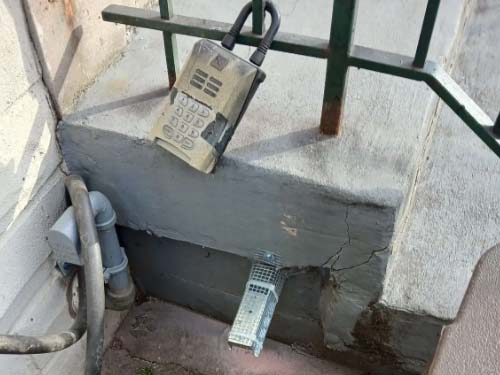
Prevention is the most important part of long-term rat control. Skedaddle seals vulnerable areas using durable materials such as galvanized steel screening, focusing on wildlife-proofing gaps around vents, foundations, utility lines, and other access points. This helps protect the property from repeat activity.
By combining removal, cleanup, and prevention, Skedaddle provides a complete solution rather than a temporary fix. Our approach helps property owners feel confident that the source of the rat problem has been addressed and that their home or business is better protected moving forward.
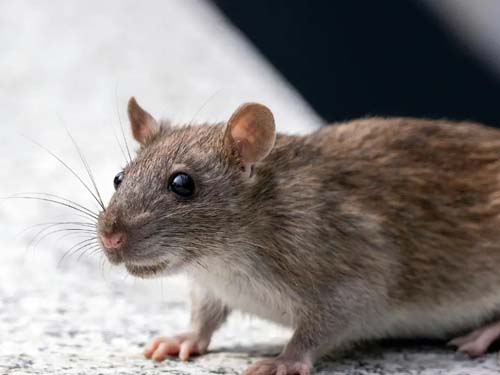
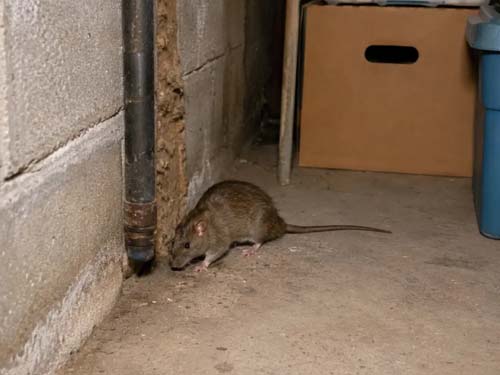
Health and Safety Concerns Linked to Rat Activity
Rat problems can affect more than the structure of a home or business. In busy Columbus neighbourhoods with alleys, restaurants, older basements, garages, and shared walls, rodents can move through hidden spaces and leave contamination behind. Addressing the health and safety risks early helps protect people, pets, employees, and customers.
Contamination From Droppings and Urine
Rats can leave droppings and urine along travel routes, nesting areas, storage spaces, and insulation. These materials can contaminate surfaces, stored belongings, food areas, and hidden building cavities.
Airborne Particles in Enclosed Spaces
When contaminated insulation, nesting material, or dried droppings are disturbed, particles can become airborne. This is a concern in attics, basements, crawl spaces, and utility rooms where ventilation may be limited.
Parasites That Travel With Rodents
Rats may carry fleas, mites, ticks, or other parasites into indoor spaces. These pests can spread beyond nesting areas and create additional concerns for people and pets if activity is not addressed properly.
Chewing Damage and Fire Risk
Rats chew constantly and may damage wiring, insulation, plumbing lines, wood, and stored materials. In homes and businesses, chewed electrical wiring is one of the more serious safety concerns linked to rodent activity.
Book a Professional Rat Assessment in Columbus
Rat activity is stressful, but it does not have to become a long-term problem. Skedaddle provides humane rat removal, detailed cleanup, and prevention-focused exclusion designed to protect your property at the source. If you have noticed droppings, sounds, burrows, or damage, book an assessment with Skedaddle in Columbus today.
Why Urban Homes Are More Vulnerable to Rats Than Suburban Ones
Roof Rats in Attics: A Hidden Cold-Weather Threat
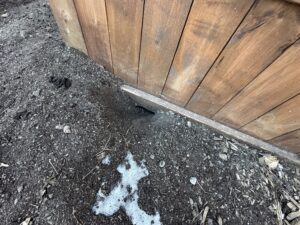
Delaware Wildlife Control: How Norway Rats Tunnel Beneath Homes
Columbus Rat FAQs: Did You Know?
Common signs of rat activity include droppings, gnaw marks, scratching sounds at night, greasy rub marks along walls, damaged food packaging, and burrows near foundations or sheds. In Columbus properties, activity is often noticed in basements, garages, crawl spaces, storage areas, and around dumpsters. Because rats are skilled at staying hidden, even a few signs can point to a larger issue behind walls, under floors, or outside near the building.
Rats stay where they can find food, water, and shelter. Around local neighbourhoods, they may be drawn to garbage bins, pet food, compost, birdseed, restaurant waste, gardens, and protected spaces beneath decks or porches. Older homes, shared walls, utility gaps, and foundations with small openings can also make it easier for rats to move indoors. Once they find a safe nesting area close to food, they can remain active year-round.
The timeline depends on the size of the property, the number of entry points, contamination levels, and how established the activity is. Many wildlife removals can be completed in one day, but prevention work may vary based on the structure. Skedaddle begins with a detailed inspection and provides a written quote so homeowners and business owners understand the recommended plan before work begins.
Yes. Skedaddle focuses on humane rat removal and long-term prevention rather than temporary fixes. Our technicians identify where rats are entering, remove active rodents, clean contaminated areas, and seal vulnerable access points. The goal is to address the source of the problem while reducing risks to people, pets, and the property. This approach helps prevent repeat activity without relying only on short-term control methods.
Yes, rats can access upper areas of a structure if they find routes through climbing surfaces, utility lines, vents, soffits, roofline gaps, or overhanging branches. While many rat problems begin near foundations, basements, garages, or crawl spaces, they can move through walls and voids into attics. Scratching overhead, damaged insulation, or droppings in upper storage areas may indicate rats are travelling through hidden parts of the building.
DIY rat control often addresses visible activity but misses the reasons rats are there in the first place. Traps or repellents may not locate entry points, nesting areas, contamination, or hidden damage. A professional assessment looks at the full property, including access points, food sources, travel routes, and prevention needs. Skedaddle’s process helps remove rats, clean affected areas, and protect the structure against future rodent activity.
CALL US TODAY
1.888.592.0387
OR
Request for Services

