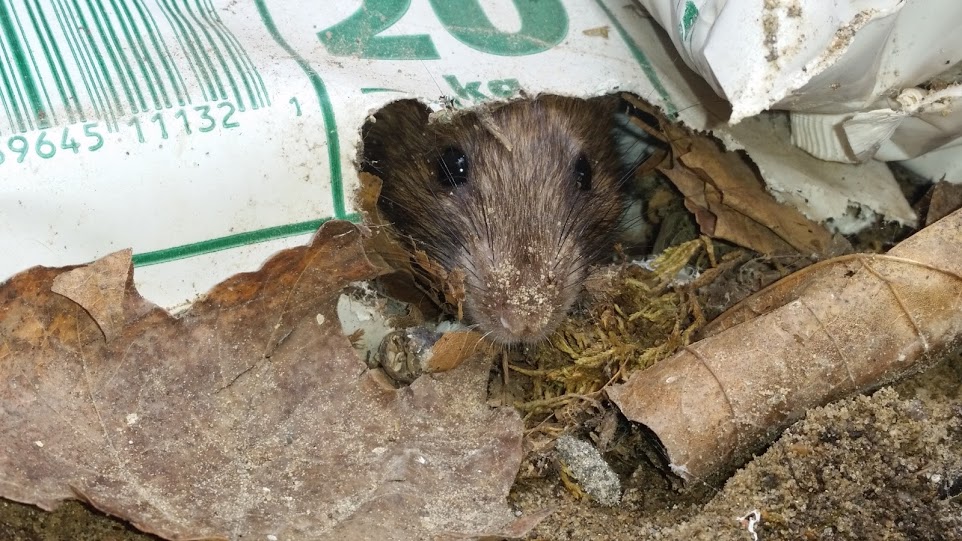
You might work hard to keep your house clean and tidy, but you may still spot signs of rats. If you live in a city, you are actually at a higher risk for rodent issues than people who live in the quiet suburbs. The reason isn’t about how clean your house is. It is because of the way cities are built and how they operate. Urban homes are more vulnerable because they are often closer together, the buildings are older, and there is a constant supply of food nearby.
Rats are smart survivors. They know that cities offer warmth and safety that open fields do not. In a busy area, rats can travel from building to building without ever touching the ground. They use pipes, wires, and shared walls to move around. This makes it very hard for a single homeowner to stop them alone. If your neighbour has a problem, you might have one too.
In this blog, we will explain exactly why rats in urban homes are so common and what makes city living more attractive to these animals. We will also look at how our team at Skedaddle Humane Wildlife Control in New Albany can help you protect your home without using harmful traps or poisons.
How Do Rats Get into Houses?
This is one of the most common questions we get from homeowners. You might look at your brick walls or your solid doors and wonder how an animal the size of a rat could possibly get inside. The answer is that rats are incredibly flexible and strong.
A full-sized rat can squeeze its body through a hole the size of a quarter. If they can fit their head through, they can usually pull the rest of their body through, too. They are also excellent chewers. If a hole is too small, they can use their sharp teeth to make it bigger. They often enter through:
- Cracks in the foundation of the house.
- Gaps around pipes that lead into the basement.
- Vents on the roof that are not covered with a strong screen.
- Gaps under garage doors.
Once they find a small opening, they follow the scent of warm air coming from your home and move right in.
High-Density Living Makes Travel Easy
One of the biggest urban rat infestation causes is how close everything is in the city. In the suburbs, houses often have large yards separating them. In the city, homes are often attached, like row houses or semi-detached homes. Even if they are not attached, they are only a few feet apart.
This density creates a “superhighway” for rats. They do not have to run across open ground where a predator might see them. Instead, they can travel safely inside the structures.
Here is why high-density living helps rats:
- Shared Walls: Rats can chew through drywall and insulation to move from one unit to the next.
- Connected Utilities: Pipes and wire conduits often run through multiple buildings, giving rats a clear path.
- Safety in Numbers: With so many buildings close together, there are endless places to hide if one nest is disturbed.
Older Buildings Have More Entry Points
Many cities have beautiful, historic neighbourhoods. While these older homes have a lot of character, they are often more vulnerable to rats in urban homes. Over time, building materials settle and crack.
A brand-new suburban home usually has a solid, poured concrete foundation. An older city home might have a foundation made of stone or brick. As the ground shifts over decades, mortar falls out and bricks crack. These small shifts create perfect doorways for rodents.
Older infrastructure in the city also plays a huge role. City sewer systems and underground tunnels can be hundreds of years old. If these systems have cracks or breaks, rats can use them to travel underground and pop up near your home. They can even swim through sewer pipes and enter homes through toilet drains in rare cases.
The “Urban Heat Island” Effect
You may have noticed that the city always feels a bit warmer than the countryside. This is called the “Urban Heat Island” effect. All the concrete, asphalt, and buildings in the city absorb heat from the sun during the day. At night, they release that heat slowly.
This is a major reason why cities have more rats. In the wild, winter cold is a natural way to control animal populations. Many animals cannot survive the freezing temperatures. However, the extra warmth in the city helps rats survive the winter.
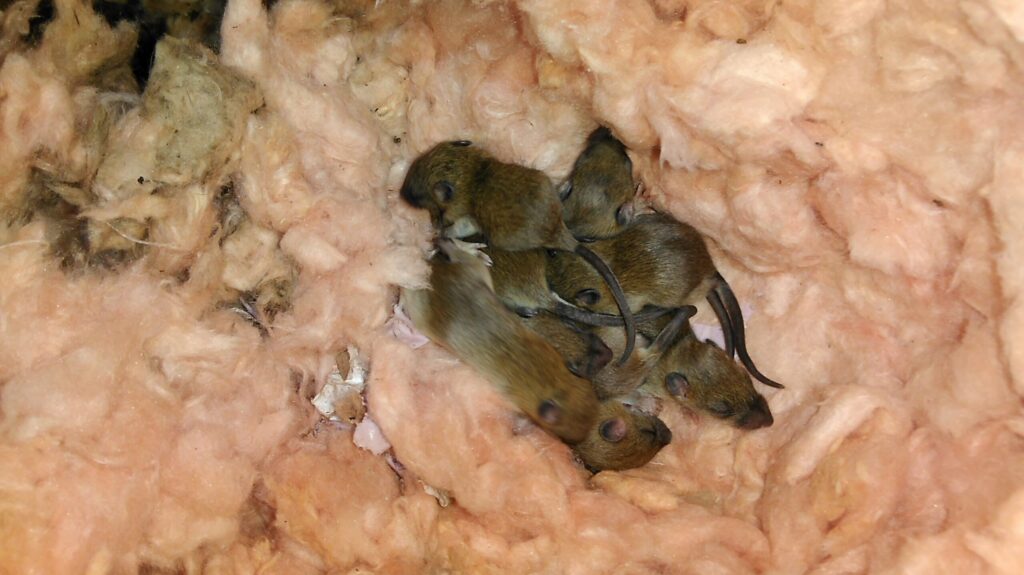
Because it stays warmer, rats do not just survive; they thrive. They can continue to reproduce and have babies throughout the colder months. This means the population never really drops off like it might in a rural area. Your home acts as part of this heat island, leaking warm air that attracts them to your foundation.
Cities Provide an Endless Food Buffet
Rats need three things to survive: food, water, and shelter. Cities provide an unlimited supply of food. In the suburbs, food sources might be scarce, especially in winter. In the city, there is always something to eat.
Because there are so many people in a small area, there is a lot of waste. Restaurants, grocery stores, and apartment complexes all generate trash. If this trash is not secured perfectly, it becomes a feast for rodents.
Here are the most common urban food sources for rats:
- Garbage Bags: Bags left on the curb for pickup are easy for rats to chew through.
- Dumpsters: overflowing dumpsters behind businesses provide a constant supply of food.
- Bird Feeders: Spilled seeds in backyards attract rats just as much as birds.
- Pet Waste: Believe it or not, rats will eat dog waste left in yards or parks.
Construction Drives Rats Into Homes
Cities are always changing. You will often see old buildings being torn down and new condos or offices going up. While development is good for the city, it is bad for the rats living in those old buildings. When a building is demolished, the rat colony living there doesn’t just disappear. They run.
This construction vibration and noise forces rats to find a new home immediately. If you live near a construction site, you are at high risk. The displaced rats will look for the closest quiet, warm place to hide. Often, that place is your attic, basement, or garage.
Construction also digs up the earth. This disturbs rats that have burrowed underground. Once their tunnels are destroyed, they surface and start looking for new shelter. This is why you might suddenly see rats even if you have lived in your home for years without an issue.
Fewer Natural Predators
In a forest or a rural suburb, there are many animals that hunt rats. Owls, hawks, foxes, and coyotes all help keep the rodent population down. In the middle of a dense city, you see fewer of these predators.
Without natural predators to scare them or catch them, rats feel much safer. They are willing to travel further and take more risks. This lack of danger allows them to focus entirely on eating and breeding.
This safety allows them to explore your property more thoroughly. They have the time to inspect your home for weak spots without worrying about being snatched up by a hawk.
How We Protect Your Home
At Skedaddle Humane Wildlife Control, we understand that you want these animals gone, but you also want a long-term solution. We do not use traps that hurt the animals, and we do not use poisons that can be dangerous to your pets or family.
Our process focuses on the building itself. Since we know rats are entering through specific holes, our goal is to find those holes. We start with a complete inspection of your home. We look at the roof, the foundation, and everything in between.
Once we find the entry points, we install special one-way doors. These devices are clever. They allow the rats to push their way out of your home to find food, but the door will not open to let them back in. This gently locks them out. Once all the animals are out, we seal the entry points with strong materials that rats cannot chew through. This protects your home for the future.
Frequently Asked Questions
Can rats climb walls?
Yes, rats are amazing climbers. They can climb brick walls, trees, stucco, and drainpipes. This is why we often find them in attics, not just basements. They can easily scale the side of your house to find a gap in the roofline.
Do I need to clean up the droppings myself?
No, you should never touch rat droppings. Rats can carry diseases that are harmful to humans. When you disturb the droppings, dangerous particles can get into the air. Our team has the proper safety equipment to clean and sanitize the area for you.
How fast do rats reproduce?
Rats breed very quickly. A female rat can have up to six litters a year, with up to 12 babies in each litter. A small problem can turn into a major infestation in just a few months if it is not handled by a professional.
Will rats leave on their own?
It is very unlikely. Your home provides warmth and safety. Rats have no reason to leave a perfect habitat. They will usually stay and grow their family until they are physically removed.
Protect Your Investment Today
Understanding the risks is the first step in protecting your home. It is clear that urban environments are built in a way that helps rats thrive. From the heat island effect to the aging brick of historic buildings, city living comes with a higher risk of unwelcome guests.
It is important to remember that spotting a rat is not a reflection of your cleaning habits. It is a result of geography and biology. However, ignoring the problem can lead to serious damage to your wires, insulation, and health.
If you suspect you have rats in urban homes, do not wait for the problem to get worse. You need a team that understands how these animals think and how to keep them out for good.
At Skedaddle Humane Wildlife Control in New Albany, we are ready to help you reclaim your home. We will assess the situation, remove the animals humanely, and seal your home against future invasions.
Contact us today to request an estimate and protect your home from urban rodents.

 Loading...







