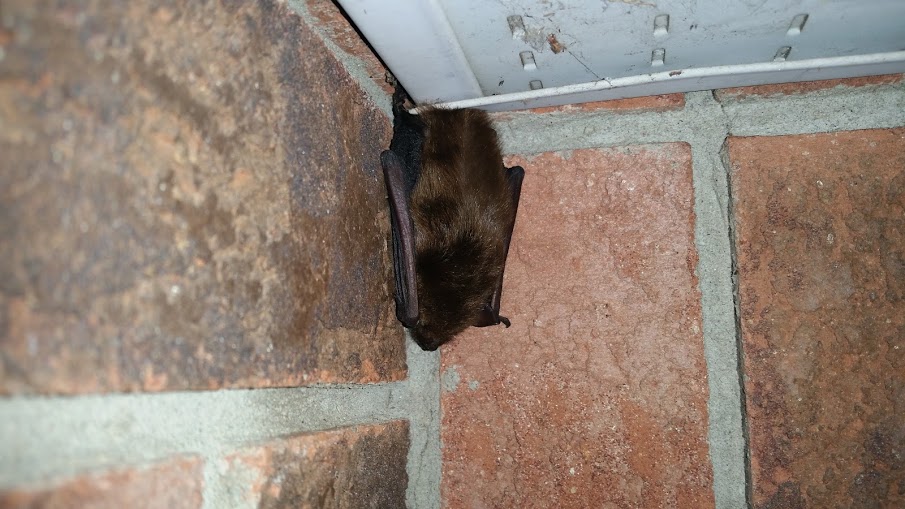
You have probably seen it in a movie or a nature show. A bat hanging from a cave ceiling or a dark beam, perfectly still, completely upside down. It looks strange. It might even look uncomfortable. But for these animals, hanging upside down is not just normal. It is one of the smartest things their bodies do.
Bats hang upside down because of the way their bodies are built. Special tendons in their legs lock their claws closed automatically when they relax, so holding on takes zero energy. Their leg bones are too light and thin to support standing or walking on the ground. And hanging high up gives them a safe, clean place to rest that is out of reach from most predators. Everything about this position is designed to help them survive.
At Skedaddle Humane Wildlife Control in Brookhaven, we work with bats every season and know their behavior well. In this blog, you will learn exactly why these creatures hang the way they do, what makes their biology so unique, and what to do if they have found their way into your attic or roofline.
Why Do Bats Hang Upside Down?
Bats hang upside down because of a built-in locking system in their legs and feet. When they relax, their tendons automatically pull their claws into a closed grip around whatever they are hanging from. Holding on does not take any muscle effort at all. Letting go is actually the part that requires effort. This means they can hang for hours or even months during hibernation without using any energy to stay in place.
Beyond the energy savings, hanging upside down also solves two other big problems bats face. First, they cannot take off from the ground the way birds can. Their wings do not generate enough lift from a flat surface. By hanging high up, they can simply let go and drop into the air, and they are flying in an instant. Second, high ceilings in caves, attics, and other enclosed spaces keep them out of reach from most ground-based predators and away from dirt and insects below.
Your attic replicates all of those conditions perfectly. It is high up, dark, enclosed, and largely undisturbed. That is exactly what a roosting colony looks for and it is why Brookhaven homes with any gap or opening along the roofline are at real risk of becoming a roosting site, especially during the warm summer months when maternity colonies are most active.
Automatic Lock
The locking system in bats’ feet is one of the most energy-efficient designs found in any mammal. Here is how it works and why it matters:
- Their Tendons Do the Work, Not Their Muscles: When bats relax their legs, the tendons running through their feet automatically pull the claws into a tight, closed grip. There is no active muscle engagement required to hold on. Think of it like a ratchet that locks into place when you stop pushing, the grip holds itself. This passive locking system is what allows them to hang completely still for hours or sleep through the day without any physical effort.
- The Grip Gets Tighter Under Their Own Weight: The heavier the bat, the tighter the grip becomes. Their body weight actually works in their favor, the more weight pulling down, the more the tendon pulls the claw closed. This means they are not fighting gravity to stay in place. Gravity is doing the work for them. It is the opposite of how most bats have to use their muscles to grip a surface, and it is one of the reasons these animals can roost for such long periods without fatigue.
- Letting Go Requires Active Effort: Because the resting position is closed, opening the claws and releasing the grip is what actually takes muscle work. This means if a bat dies while roosting, it stays in place. The grip does not relax when the animal is no longer active. This passive hold is one of the most unique biological features among flying mammals and is a big part of why hanging upside down is not just natural for them, it is the easiest position their body can be in.
Light Bones
Bats’ skeletons are built for flight, not for standing. That design makes hanging upside down not just a preference, it is a necessity. Here is what their bone structure means for how they rest:
- Their Leg and Hip Bones Are Too Thin to Bear Weight Normally: The bones in their hips and legs are extremely lightweight, built to reduce the total weight of the bat so it can fly efficiently. Those thin bones cannot support the animal’s body weight in an upright standing position the way a bird’s or mammal’s legs typically do. Standing on the ground is not just difficult for bats, it is biomechanically not how their skeleton works. Hanging inverted is the only resting posture their body is designed for.
- Their Wing Structure Takes Up Most of Their Body Design: The majority of their skeletal structure is devoted to the wings elongated finger bones with a thin membrane stretched between them. That design gives them incredible flight control but leaves very little structural support for ground-based movement. Their hind legs are positioned in a way that makes upright standing or normal walking almost impossible. Every part of their body is optimized for flight and inverted roosting, and neither of those things requires strong, weight-bearing legs.
- Lightweight Bones Mean They Cannot Push Off the Ground: Even if bats tried to launch from a flat surface, their light leg muscles and thin bones would not generate enough force to push them upward into flight. Birds have strong chest muscles and leg power that allow a ground launch. These animals do not. Their anatomy requires them to start from a height and drop into the air, which is exactly why they roost up high and why hanging from a ceiling or beam is not a quirk but a biological requirement.
No Ground Launch
Bats cannot take off from the ground. That single fact shapes everything about where and how they roost. Without height, they cannot fly and without flight, they cannot survive.
A bird can spread its wings and push itself into the air from almost any surface. These animals cannot do that. Their wings are not built to generate lift from a standing start on flat ground. If one of bats finds itself on the floor, it is in serious trouble, it has to crawl to an elevated surface or find something to grip and pull itself up before it can get airborne again.
This inability to launch from the ground is one of the main reasons they always roost up high. An attic beam, a cave ceiling, or the inside of a roofline gives them the height they need to drop into flight the moment they release their grip. Without that height, they have no way to escape quickly if something threatens them. High roosting spots are not just comfortable, they are essential for survival.
Gravity Drop
Once bats let go of their roosting spot, gravity does the rest. Here is why this drop-to-fly system works so well for them:
- Dropping Into the Air Is Faster Than Any Ground Launch: The moment bats release their grip, they fall. Within a fraction of a second, they spread their wings and that falling speed becomes lift. The whole process happens almost instantly. No running start, no pushing off, no wind-up, just release and fly. This is one of the most efficient takeoff systems found in any flying animal, and it is only possible because of their inverted roosting position.
- The Drop Gives Them an Immediate Speed Advantage: When they drop from a height, they already have downward momentum before their wings even fully open. That initial speed helps them generate lift much faster than if they were trying to build up speed from a standstill. By the time they level out, they are already moving at hunting speed. This efficient launch system is a big part of why these animals are such effective nighttime hunters, they go from completely still to full flight in less than a second.
- Height Gives Them Time to Correct If Something Goes Wrong: Dropping from a high ceiling or beam gives bats a small window of time to adjust if the initial drop does not go perfectly. A few feet of open air below the roosting spot is enough for them to spread their wings, correct their angle, and pull out of a drop that started wrong. Roosting from just a few inches off the ground would not give them that buffer. The higher the roost, the more margin they have to recover and get into controlled flight.
Hidden Spots and Clean Space
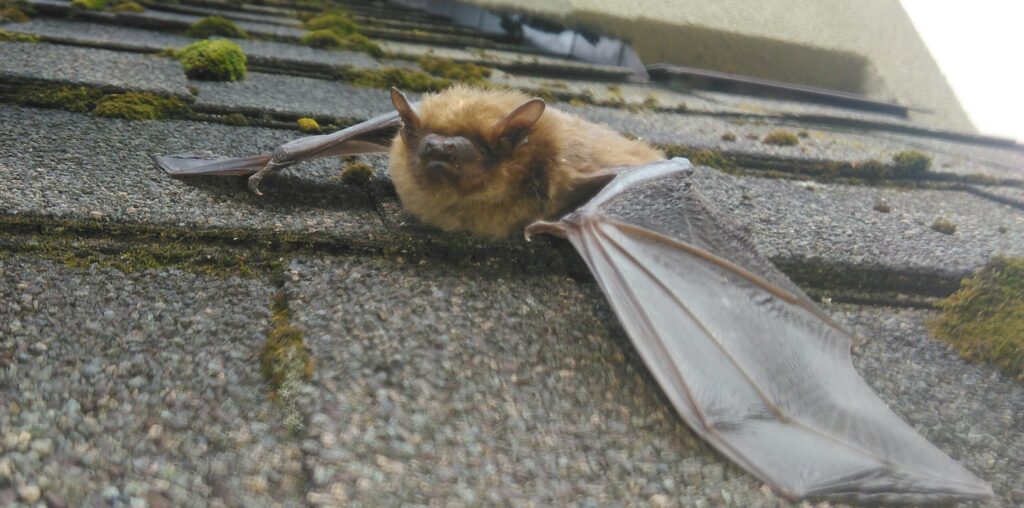
Where bats choose to roost is just as important as how they hang. High, enclosed, dark spaces give them two things that are critical to their survival: safety and cleanliness. Here is why those things matter:
- High Roosting Spots Keep Them Away From Predators: A ceiling or high beam in a cave or attic puts bats out of reach from almost everything that would try to eat them. Ground-based predators cannot reach them. Most birds of prey are not built to navigate tight enclosed spaces. The combination of height and enclosure makes a high roost one of the safest places these animals can be during the hours they are not flying. Your attic provides exactly that level of protection — which is a big part of why it is such an attractive roosting site.
- Being Elevated Keeps Them Away From Ground-Level Contamination: Hanging from the ceiling keeps bats above the floor where dirt, moisture, insects, and parasites accumulate. This separation from the ground keeps their fur cleaner and reduces exposure to ground-based pests that could carry disease or cause irritation. Even inside an attic, being suspended from the highest point of the space keeps them in the cleanest, driest part of the structure. That cleanliness matters for a colony where bats are in close contact with each other for extended periods.
- Dark, Enclosed Spaces Support Their Daytime Rest: Bats sleep during the day and need darkness and quiet to do that effectively. High, enclosed spots like the peak of an attic or the interior of a roofline are naturally dark and shielded from outside noise and light. That consistent, undisturbed environment is exactly what a roosting colony needs to rest through the daylight hours and be ready to hunt again at dusk. An attic that is rarely accessed by the homeowner becomes one of the most reliably undisturbed roosting environments available in a residential neighborhood.
Bat Concerns in Brookhaven
Brookhaven’s warm summers, mature tree canopy, and mix of older and newer homes create ideal conditions for roosting colonies in the area. Summer is when maternity colonies are most active: females gather in warm, enclosed spaces to give birth and raise their young, and residential attics provide exactly the environment they look for.
Older homes in Brookhaven are especially vulnerable. Gaps along aging rooflines, worn vent covers, and deteriorating wood trim create small openings that bats can squeeze through easily. These entry points are often nearly invisible from the ground, which means a colony can be established in an attic for weeks before the homeowner notices any signs of activity.
Georgia law protects bats during maternity season, which means exclusion work cannot be done while young are present and unable to fly. Timing matters as much as technique when it comes to handling a roosting situation in Brookhaven. Our team at Skedaddle knows the seasonal regulations and always schedules work to stay in full compliance with state law while resolving the situation as quickly and completely as possible.
Bat Removal and Prevention with Skedaddle
When you call our team at Skedaddle, we start with a full inspection of your roofline, attic, and exterior. We find every active entry point, check for the presence of young, and assess the full picture before any work begins. That inspection is what allows us to plan the removal correctly and make sure nothing gets missed.
Once the timing is right, we install one-way exclusion devices over the active entry points. These let the bats fly out at dusk but stop them from getting back in. After the colony has fully left, we seal every opening with materials that hold up long-term. Homeowners should never try to seal any entry point on their own without a professional inspection, you have no way of knowing whether young are still inside.
Cleanup and prevention are the last steps. Our team removes built-up droppings, treats affected areas, and fixes every roofline condition that made your home a target. Do not enter the attic, handle any droppings, or disturb the roosting area under any circumstances. Call our team at Skedaddle Humane Wildlife Control in Brookhaven the moment you notice bats flying from your roofline at dusk and let us handle every step safely.
Frequently Asked Questions
How do I know if bats are roosting in my Brookhaven attic?
The clearest sign is watching them fly out from the same spot on your roofline at dusk, night after night. You may also hear faint squeaking or scratching in the attic during warm evenings, notice a strong ammonia smell coming from the attic, or find small dark droppings along the exterior walls near the roofline.
Is it dangerous to have bats in my attic?
Yes. Their droppings can grow a fungus that causes a lung illness called histoplasmosis. They can also carry rabies, though transmission to humans is rare. Homeowners should never enter an attic with an active or recent roosting situation without proper protective equipment. Our team handles all inspection and cleanup safely.
Can bats get into my home through a very small gap?
Yes. These animals can squeeze through a gap as small as a dime. That means tiny openings along the roofline, around vent covers, or in deteriorating wood trim are all potential entry points. A full professional inspection is the only reliable way to find every opening.
Will bats leave my attic on their own in fall?
The colony will leave when temperatures drop, but they will return the following spring if the entry points are not sealed. Leaving for winter is not the same as the problem being resolved. Our team performs exclusion work in late summer and early fall so the home can be sealed before the colony returns next year.
Are bats in Georgia protected by law?
Yes. Bats in Georgia are protected under state wildlife regulations. Exclusion work cannot be performed during maternity season when young are present. Our team knows Georgia's rules and schedules all work in full compliance with state law.
How long can a bat colony stay in an attic before being noticed?
Colonies can be in place for weeks or months before homeowners notice signs. These animals are quiet, use very small openings, and are active only at dusk and dawn. By the time sounds or smells alert a homeowner, the colony is usually well established and droppings have been building up for some time.
Bats Are Built for the Ceiling, Your Attic Is Not Their Home
Now you know why bats hang upside down and it really is impressive. Their bodies are built for it in a way that nothing else in nature quite matches. But impressive biology does not make a roosting colony in your attic any less of a problem that needs to be dealt with.
Droppings build up fast. Entry points stay open. The same colony comes back to the same spot every spring if nothing is done. What starts as a small number of animals in summer can become a well-established colony by the time fall arrives.
The good news is you do not have to figure any of this out yourself. At Skedaddle Humane Wildlife Control in Brookhaven, our team handles every step: inspection, exclusion, sealing, and cleanup. We know Georgia’s seasonal regulations, we find every entry point, and we make sure the job gets done the first time, completely. You do not need to go into the attic or touch anything. Request an estimate today and let our team take care of it the right way.

 Loading...