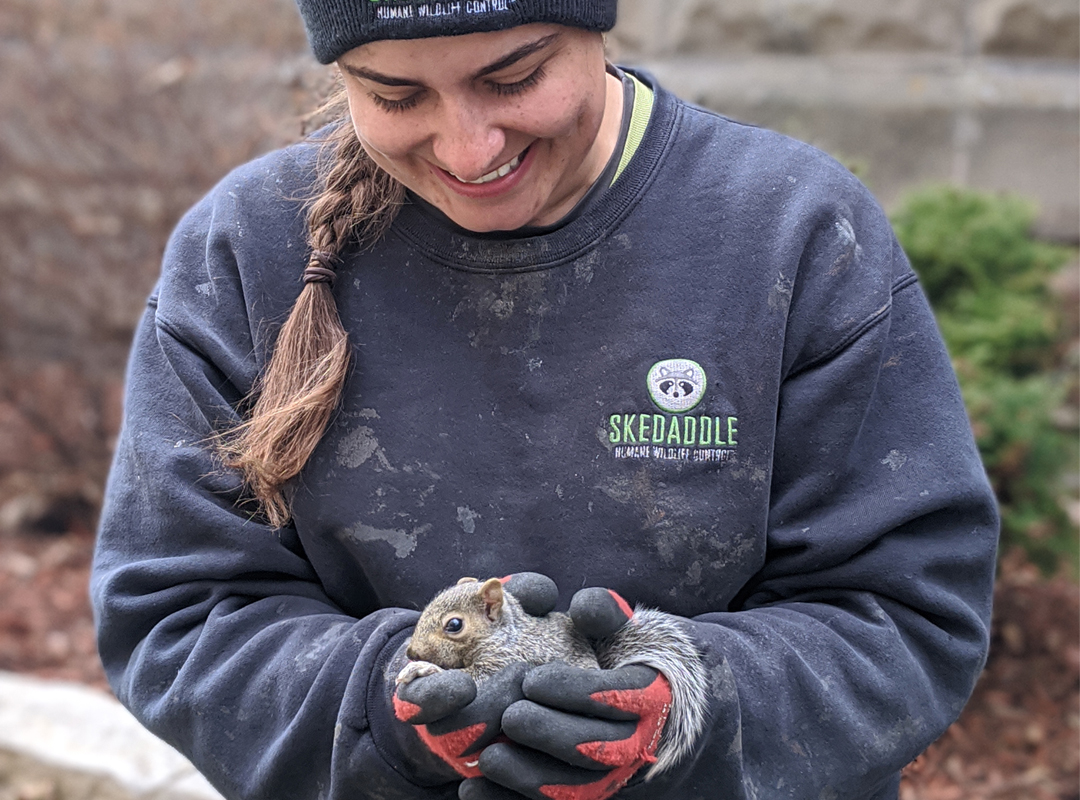

Squirrels can cause a lot of damage to homes, which is why it’s essential to contact professionals for squirrel removal if you suspect you have them inside your walls. However, these rodents are more than pests — they have fascinating behaviours that serve them well in the wild. If you’ve ever wondered about the secret life of squirrels, here are six facts to know.
1. Squirrels Go Into Torpor
Instead of hibernating through the winter months, squirrels use their stores of nuts and periodical deep sleep states known as torpor to survive. They also eat as much as possible in the months beforehand to build body mass, which simultaneously acts as a reserve when food runs low and keeps them warm in freezing temperatures. When it gets too cold to venture out, squirrels huddle in dens, sometimes with other squirrels.
2. Squirrels’ Teeth Grow Throughout Their Lives
Like rats and mice, squirrels have teeth that grow throughout their lifespans. Squirrels typically have 22 teeth, four of which are incisors. The incisors are essential tools, which is why they keep growing — if they wore out, squirrels would be unable to do the following:
- Defend themselves
- Shred bedding
- Crack nuts and seeds
Of course, the incisors can overgrow, causing pain and disability. As a result, squirrels have an instinct to gnaw, which can cause trouble if they get into your home, as they can chew through wires, wood and aluminum.
3. Meat Is Part of the Squirrel Diet
Like humans, squirrels are omnivores. They’ll happily consume any of the following:
- Insects
- Small snakes
- Mice
- Lizards
A lack of edible plants may drive squirrels to eat more meat; the need for protein during pregnancy may also be a factor. In fact, houses can be incredibly appealing to expectant mothers for several reasons:
- Warmth
- Safety
- Readily available food
4. They Can Live a Surprisingly Long Time
In the wild, squirrels have a very short lifespan, though the specifics vary by species. For example, ground squirrels can live up to four years in their natural habitat, while the eastern grey squirrel only lives two. However, this is generally due to predation, as squirrels have many natural predators:
- Snakes
- Hawks
- Bobcats
- Coyotes
- Owls
Parasites and diseases also pose a risk to squirrels. Each year, these factors eliminate about 50% of the squirrel population.
However, squirrels in captivity can live much longer. For example, ground squirrels can live between six and 10 years, while eastern grey squirrels can live up to 20 years.
5. Squirrels Have Intricate Communication Methods
Like many animals, squirrels make noise to communicate. For example, they bark to warn other squirrels of danger. However, they also utilize their bushy tails for flag-like communication. Tail waving can signal fear or a threat. Since it can be seen from a distance, it’s an effective way to tell others to stay away.
6. You Can Find Squirrels All Over the World
With the exception of Antarctica and Australia, squirrels live all over the world. There are over 200 species, each adapted for its environment. For example, ground squirrels lack a bushy tail, while flying squirrels have special membranes that facilitate gliding. These rodents can flourish in humid forests, cold mountains and even scorching deserts.
Do you need wildlife removal on Vancouver Island? If so, Skedaddle Humane Wildlife Control can assist. We’re dedicated to effective removal while safeguarding your home against future infestations. In addition to squirrels, we can help with skunks, mice, rats, birds and even bats. Give us a call or contact us online to schedule an appointment.

 Loading...