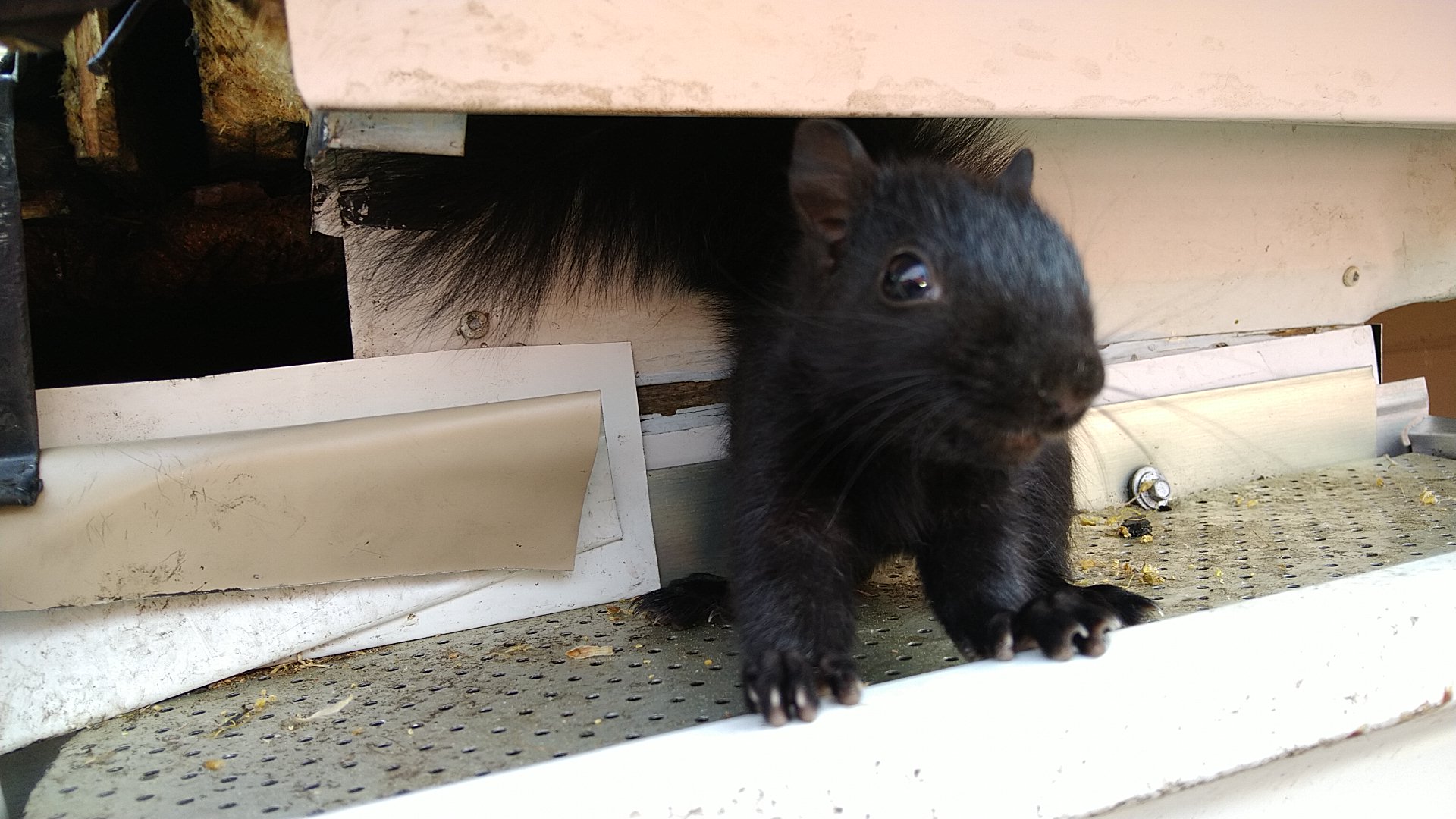

Seeing wildlife up close can be exciting. Many people enjoy watching birds at a feeder, squirrels darting across a fence, or raccoons passing through a yard in the evening. Because of this, feeding wildlife is often viewed as a harmless—or even generous—act. For many people, it feels like a simple way to connect with nature and help animals survive.
Unfortunately, when a neighbour regularly feeds wild animals, the situation can quickly spiral into something far more serious than an occasional backyard visitor. What starts as casual feeding can unintentionally encourage animals to linger, return frequently, and depend on human-provided food sources. Over time, this can create significant problems for surrounding homes, properties, and the animals themselves.
Wild animals do not understand property lines. Once food is introduced into an area, animals will travel freely between yards, rooftops, decks, and structures in search of shelter and additional resources. This means a neighbour’s decision to feed wildlife can directly impact your home, your safety, and the overall health of the animals involved—even if you’ve done nothing to attract them.
If you’re dealing with increased wildlife activity because of a neighbour’s feeding habits, it’s important to understand why this happens and what steps you can take to protect your property—without escalating conflict or creating tension within your community.
What You Can Do If Your Neighbour Feeds Wildlife
While it can feel frustrating to deal with a situation you didn’t create, there are constructive and effective steps you can take to reduce risk and protect your home. Addressing the issue early can help prevent more serious wildlife problems from developing over time.
Start With a Thoughtful, Respectful Conversation
In many cases, neighbours are unaware of the impact their actions are having. Feeding wildlife is often motivated by kindness, curiosity, or habit—not negligence. A respectful, calm conversation can sometimes resolve the issue without involving authorities or escalating tensions.
When approaching your neighbour, it’s important to keep the discussion focused on shared concerns rather than blame. This helps keep the conversation productive and increases the likelihood of cooperation.
When starting the conversation:
- Keep the tone calm and non-confrontational
- Avoid accusing or shaming language
- Focus on shared concerns like safety, property damage, and neighbourhood impact
- Explain how the feeding is affecting the broader area, not just your home
For example, mentioning animals walking across roofs, damaged garbage bins, increased rodent activity, or concerns about pets can help illustrate the real-world consequences. Many people are more open to change when they understand how their actions affect others.
Take Strong Preventative Measures on Your Own Property
Even if your neighbour continues feeding wildlife, you can still reduce your home’s attractiveness to animals by eliminating other food sources and securing potential access points. Wildlife will always choose the easiest option, and homes that offer shelter, warmth, or additional food quickly become targets.
Effective prevention measures include:
- Using wildlife-resistant garbage containers
- Cleaning up fallen bird seed and food scraps daily
- Feeding pets indoors only
- Securing compost bins with tight-fitting lids
- Cleaning BBQs thoroughly after every use
- Trimming trees and branches away from the roof
- Sealing gaps around vents, soffits, chimneys, siding, and foundations
By making your property less accessible and less rewarding, you reduce the chances that wildlife drawn to a nearby food source will choose your home as shelter.
Learn About Local Bylaws and Regulations
Many cities and municipalities prohibit feeding wildlife because of the risks it poses to public safety, property, and animal welfare. These regulations exist to prevent exactly the kinds of problems that neighbourhood feeding can create.
If wildlife activity becomes excessive or dangerous:
- Contact your local bylaw or animal services department
- Ask about education-based solutions or warnings
- Keep records of repeated issues if the problem persists
In many cases, a simple bylaw reminder or educational notice is enough to stop the behaviour without creating long-term conflict between neighbours.
Avoid DIY Traps and Deterrents
When wildlife problems escalate, it can be tempting to try quick, do-it-yourself solutions. Unfortunately, DIY traps, poisons, and deterrents often fail to address the root cause of the issue and can make things worse.
Improper wildlife control methods:
- Can be illegal or unsafe
- May injure pets or non-target animals
- Often cause unnecessary suffering
- Do nothing to prevent new animals from arriving
Removing one animal without removing the food source simply opens the door for another. Without proper prevention, wildlife problems become a cycle rather than a solution.

Call a Humane Wildlife Control Professional
If wildlife has already entered your home or damage is occurring, professional help is the safest and most effective option. Humane wildlife control professionals understand animal behaviour, local regulations, and how to prevent re-entry.
A professional can:
- Identify why animals are being drawn to your property
- Remove animals safely and legally
- Secure entry points to prevent re-entry
- Provide long-term prevention strategies
Humane wildlife control focuses on protecting homes while allowing animals to return safely to their natural environment.
Monitor Wildlife Activity and Patterns
Paying attention to when and where wildlife activity occurs can help you identify risks early. Signs of repeated activity often include roof access, fence movement, and animal paths across decks or sheds.
Helpful steps include:
- Noting the time of day wildlife activity happens most often
- Watching for repeated travel routes (fence lines, roof edges, decks)
- Looking for tracks, droppings, disturbed insulation, or scratching sounds
- Taking photos of damage or entry points as they appear
- Keeping a simple log of recurring activity to share with professionals
Documenting changes early can prevent bigger issues and support a faster, more accurate assessment if service is needed.

Protect Pets and Outdoor Spaces
Pets, gardens, and outdoor living areas can unintentionally attract wildlife. To reduce wildlife interest and avoid negative encounters, homeowners should:
- Supervise pets outside, especially at night
- Keep pet food and treats indoors
- Store bird seed, grass seed, and animal feed in sealed containers
- Remove outdoor toys, bowls, or items that may hold food smells
- Secure gardens and sheds where animals may seek shelter
- Keep outdoor areas well-lit and tidy to reduce hiding spots
These steps help protect pets and reduce wildlife exploring close to the home.
Act Early if Wildlife Enters the Home
If wildlife gains access to an attic, walls, chimney, or other interior space, acting quickly is critical. Waiting can allow animals to establish nests, cause more damage, or introduce health risks.
If you suspect wildlife inside, consider:
- Avoiding DIY trapping or blocking exits (this can trap animals inside)
- Limiting access to the affected area to reduce stress and exposure
- Listening for patterns of movement to help identify where activity is concentrated
- Contacting a humane wildlife control professional as soon as possible
- Scheduling an assessment to identify entry points and prevent re-entry
Feeding Wildlife Is a Community Issue With Long-Term Consequences
Feeding wildlife can feel like a personal choice, but its impact often spreads far beyond one yard. If you’re seeing increased wildlife activity because of a neighbour’s feeding habits, the most effective approach is to stay proactive and focused on what you can control. Start with a respectful conversation when possible, reduce attractants on your own property, and reinforce vulnerable areas of your home before animals have the chance to settle in.
If the issue continues or wildlife activity becomes persistent, don’t wait for it to escalate. Document what you’re seeing, learn what local bylaws allow, and reach out to a humane wildlife control professional for support. With the right prevention steps and an early response, homeowners can reduce risk, protect their property, and manage the situation without unnecessary conflict—while keeping the solution safe for both people and wildlife.Contact us to learn more about our services or to book your property assessment today.

 Loading...







