Finding wildlife in your home can be stressful and unsettling. Scratching sounds in the walls, thumping or scurrying in the attic, unpleasant odours, or even a direct encounter with an animal can quickly cause concern. Many homeowners are left wondering how the animal got inside, whether there is more than one, and how serious the situation might be. In these moments, it’s natural to want a fast solution. However, how wildlife is removed matters just as much as getting it out. That’s where humane wildlife removal comes in.
Humane wildlife removal is a responsible, ethical approach to resolving human–wildlife conflicts without causing unnecessary harm to animals. It prioritizes safety, prevention, and long-term protection for the home while respecting wildlife and their natural behaviours. Rather than relying on quick fixes or harmful methods, humane removal focuses on understanding why animals entered the space and addressing the root cause of the problem.
As wildlife habitats increasingly overlap with residential areas, humane wildlife removal has become an essential part of managing these interactions responsibly. Homes provide warmth, shelter, and safety, which can unintentionally attract animals seeking a place to nest or raise young. Humane wildlife removal recognizes this reality and works to resolve conflicts in a way that protects both people and wildlife.
Understanding Humane Wildlife Removal
Humane wildlife removal is not about trapping animals and relocating them far away or using lethal methods to eliminate the problem. While these approaches may seem effective at first, they often create new issues and unnecessary suffering. Instead, humane wildlife removal works with animals’ natural instincts and behaviours to safely and effectively remove them from homes and buildings.
At its core, humane removal is built on the idea of exclusion and prevention. Animals are encouraged to leave on their own terms, without panic or injury, and entry points are secured to ensure they cannot return. This method minimizes stress for wildlife and reduces the risk of property damage, health hazards, and recurring infestations for homeowners.
Key principles of humane wildlife removal include:
- No poisons or lethal traps
- No unnecessary handling or relocation
- Respect for wildlife life cycles, especially during baby season
- Respect for wildlife protection laws
- Permanent prevention, not temporary or reactive solutions
By following these principles, humane wildlife removal protects animals while also ensuring they do not re-enter the home. It addresses the underlying causes of wildlife activity rather than simply treating the visible symptoms.
How Humane Wildlife Removal Works
While every wildlife situation is unique, humane wildlife removal generally follows a proven and methodical process designed to achieve lasting results. This approach ensures that animals are removed safely and that homes are properly protected moving forward.
Inspection and Identification
The process begins with a thorough inspection and identification phase. Wildlife professionals assess the home to determine which species are present, how they gained access, and whether babies or dependent young are involved. This step is critical, as different species require different approaches, and timing plays an important role in humane removal.
Identifying the presence of babies is especially important. Removing an adult animal without addressing dependent young can lead to orphaned wildlife, increased damage as the parent attempts to return, and unpleasant odours or health concerns if young animals are left behind. A detailed inspection allows professionals to create a plan that protects both the animals and the home.
Safe and Ethical Removal
Once the situation is fully understood, humane removal methods are put into place. Animals are encouraged to leave the structure on their own using one-way doors or similar exclusion techniques. These devices allow wildlife to exit safely but prevent re-entry, eliminating the need for trapping or handling.
This approach aligns with animals’ natural behaviours. Rather than causing stress or panic, humane exclusion allows wildlife to leave when they are ready, reducing the risk of injury and ensuring a calm transition back outdoors.
Protection of Babies
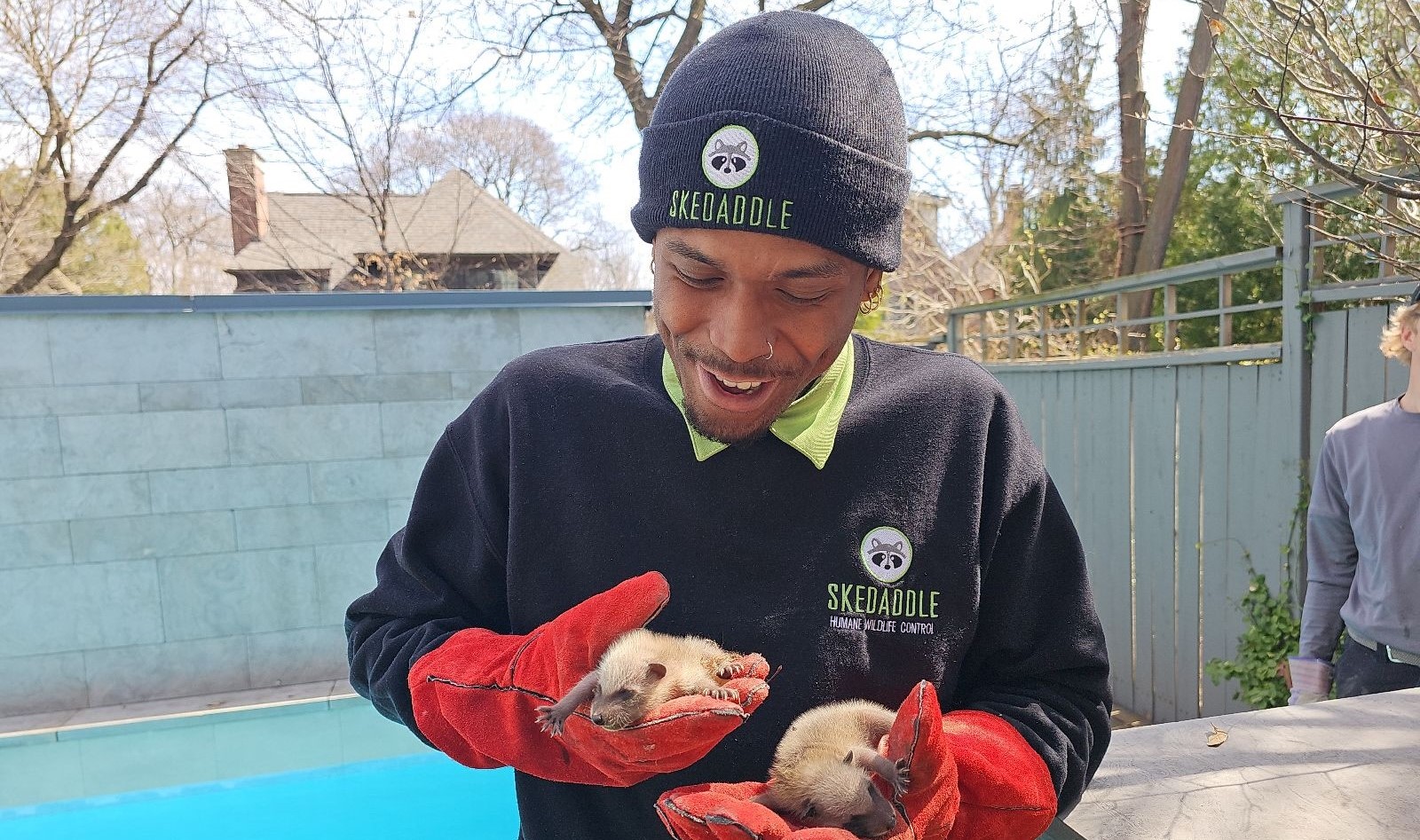
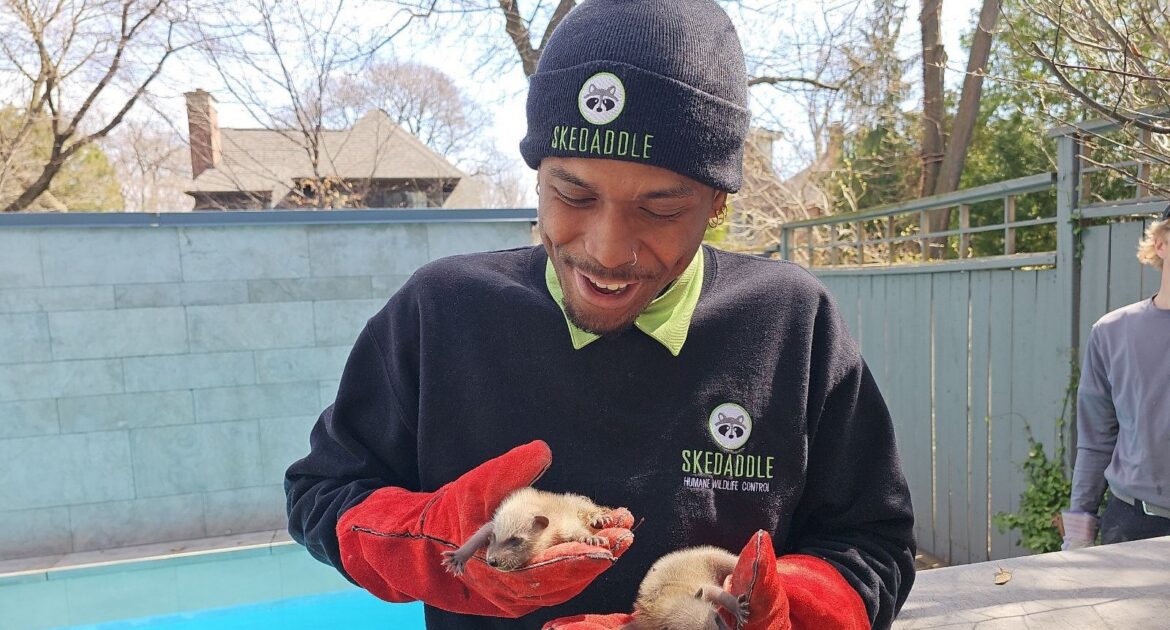
If young animals are present, humane wildlife removal ensures they are protected throughout the process. Depending on the species and stage of development, this may involve temporarily delaying removal, reuniting babies with their mother outside the home, or safely housing them until they can leave on their own.
Respecting wildlife life cycles is a cornerstone of humane removal. By prioritizing family units and natural development, professionals prevent unnecessary harm while still resolving the issue responsibly.
Sealing Entry Points
Once animals have exited the home, all entry points are sealed using wildlife-proof materials. This step is essential to preventing future wildlife activity. Gaps, damaged vents, roofline openings, and other vulnerabilities are reinforced to ensure animals cannot regain access.
Without proper sealing and exclusion, wildlife issues often return—sometimes with new animals taking advantage of the same weak points. Humane wildlife removal focuses on making the home secure for the long term.
Cleanup and Restoration
Wildlife can leave behind droppings, nesting material, and contamination that pose health risks to homeowners. Humane wildlife removal often includes cleanup and restoration services to address these issues.
Professional cleanup ensures affected areas are sanitized, damaged insulation is replaced if necessary, and the home is returned to a safe and healthy condition. This final step completes the process and restores peace of mind.
Why Humane Wildlife Removal Matters
It’s Better for Animals
Wildlife enters homes unintentionally, usually in search of shelter, warmth, or a safe place to raise young. Humane removal methods prevent unnecessary suffering by allowing animals to leave safely and continue living in their natural environment. Avoiding harmful methods respects wildlife and supports ethical coexistence.
It’s Safer for Homeowners
Poisons and traps can create serious risks inside a home. Animals may die in inaccessible areas, leading to strong odours, insect infestations, and sanitation concerns. Trapped animals can also become aggressive, posing safety risks. Humane removal avoids these hazards entirely by using controlled, non-lethal methods.
It’s More Effective
Relocation and trapping often fail to solve the root of the problem. Animals may not survive relocation, or new wildlife may move in through the same entry points. Humane wildlife removal focuses on exclusion and prevention, addressing why the animals entered the home in the first place and stopping the issue from recurring.
It’s Environmentally Responsible
Humane wildlife removal supports local ecosystems by allowing animals to remain in their natural habitat. It avoids disrupting wildlife populations and aligns with conservation best practices, promoting a balanced and responsible approach to wildlife management.
Common Myths About Wildlife Removal
“Relocating animals is humane.”
In reality, relocation often results in animals being injured, killed, or unable to survive in unfamiliar territory. Many animals are territorial and struggle to find food or shelter when displaced.
“Trapping solves the problem.”
Trapping may remove an animal, but it does not address how or why the animal entered the home. Without sealing entry points and addressing vulnerabilities, the problem almost always returns.
“DIY solutions are just as good.”
Improper removal attempts can lead to injured animals, trapped babies, increased damage, and health risks. Professional, humane wildlife removal ensures the problem is handled safely, ethically, and completely.
A Better Way to Live With Wildlife
Humane wildlife removal recognizes that wildlife belongs outdoors—but in a way that is safe, ethical, and permanent. By prioritizing animal welfare and home protection, this approach resolves conflicts without creating new problems or unnecessary harm.
As communities continue to grow alongside wildlife habitats, humane wildlife removal provides a responsible path forward. It balances the needs of homeowners with respect for animals, creating solutions that work for everyone involved.
If wildlife has found its way into your home, choosing humane removal is the smartest, safest, and most responsible solution—for you, your home, and the animals themselves. Contact us today to learn more about how we can humanely protect your property.

 Loading...







