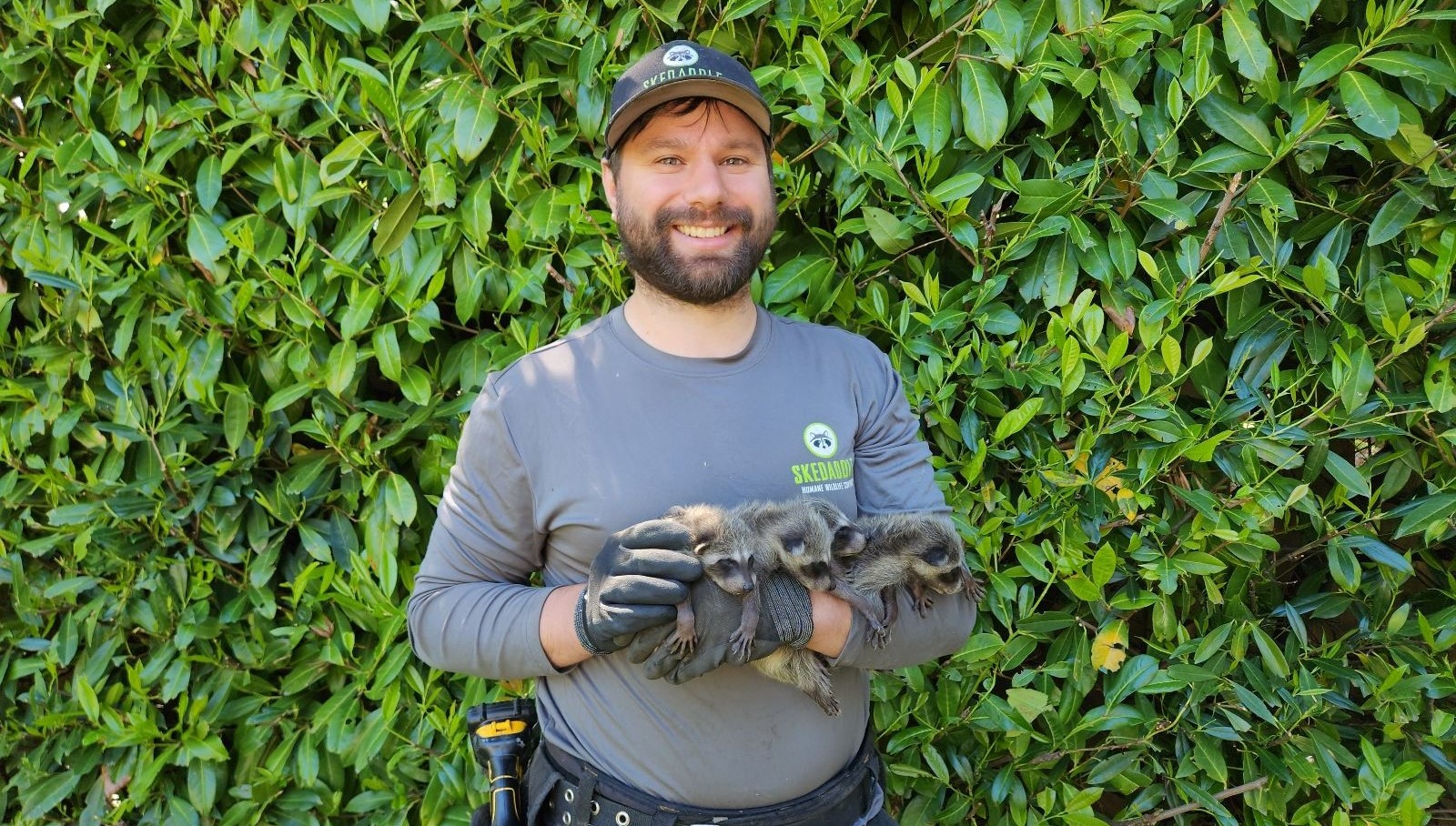
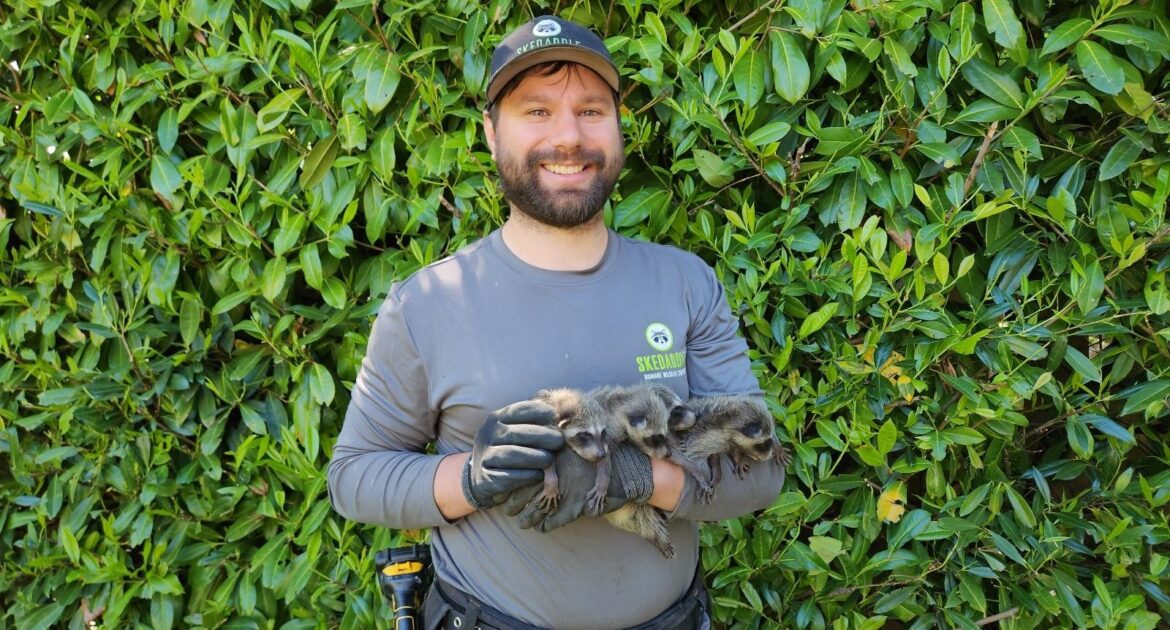
When wildlife enters a home, the situation can be stressful for homeowners who may be unsure what is happening, how serious the issue is, or how it will be resolved. Unfamiliar sounds, visible damage, or concerns about health and safety often leave people feeling overwhelmed and uncertain about what to do next. A great Skedaddle technician understands that their role goes far beyond wildlife removal alone. They are responsible for not only delivering a humane, long-term solution, but also to provide support to homeowners experiencing a stressful time.
Professionalism, safety, experience, and customer care all come together to define what truly makes a Skedaddle technician great. Each visit requires technical skill, attention to detail, and the ability to communicate clearly with homeowners who may be anxious or frustrated. The goal is not just to remove wildlife, but to restore peace of mind by providing a solution that is thoughtful, effective, and built to last.
Skedaddle technicians don’t work with wildlife by chance. Many come to us with a deep connection to nature and animals, with backgrounds ranging from wildlife rehabilitation to conservation work. They’re passionate about protecting wildlife, and the gentle, hands-on approach they bring to every removal reflects that commitment.
Our technicians are trained to see the home as a system rather than a single problem area. Wildlife issues rarely stem from just one weak point. Entry points, damage, and vulnerabilities are often connected, and addressing only part of the issue can lead to recurring problems. With the training and education that each Skedaddle received, we ensure the job is done safely and efficiently. Every assessment, repair, and recommendation is part of a broader strategy designed to protect the structure of the home and prevent future wildlife activity. This holistic approach is what allows Skedaddle technicians to deliver solutions that last.
We Understand That Our Clients Needs Come First
Our technicians understand that homeowners are an essential part of the assessment process. Clients often notice sounds, smells, or patterns of activity that provide valuable insight into what is happening inside the home. Taking the time to listen carefully helps technicians form a more accurate understanding of the situation while making homeowners feel heard and respected.
These observations can point technicians toward specific areas of concern, such as when activity occurs, where noises are most noticeable, or whether conditions have changed recently. This information is often critical in identifying entry points or nesting areas that may not be immediately visible.
As Ben Duke explains, “Listening to the homeowner is always one of my first steps. When they’re home and able to share what they’ve noticed—where the noise is coming from, when it happens, or what’s changed recently—it gives us information we can’t always get from the outside. It helps us focus the assessment and make sure we’re addressing the full picture.”
Building on these observations, technicians ask clear, practical questions to confirm details—when the activity began, how often it occurs, and whether the homeowner has noticed changes inside or outside the home. This approach helps narrow down likely entry points and allows the inspection to focus on the most relevant areas.
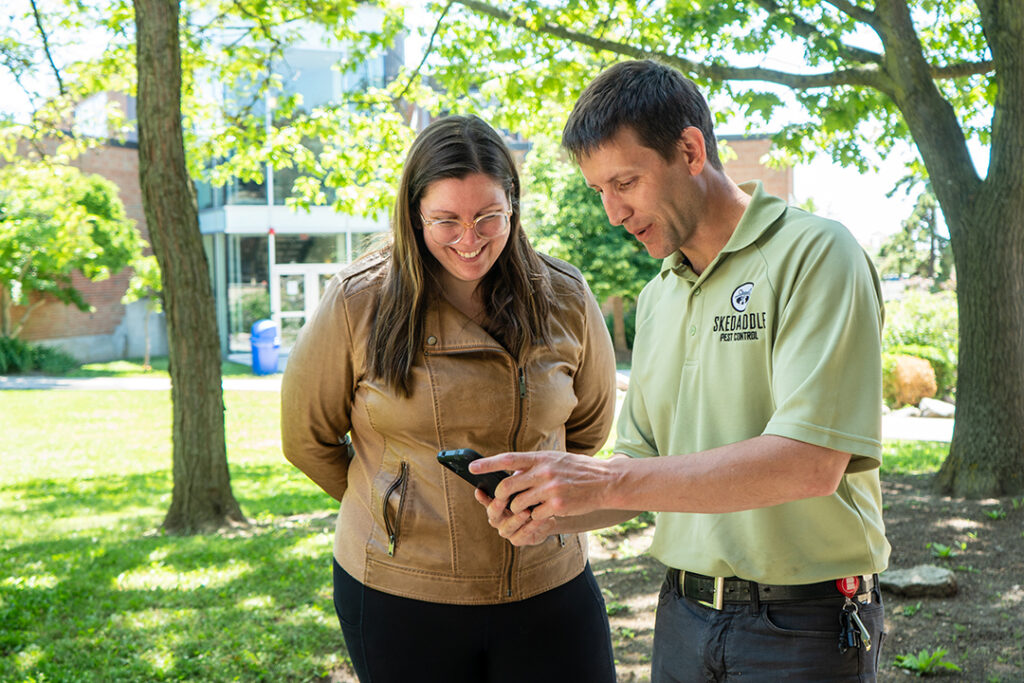
A customer-first approach also means communicating calmly and clearly throughout the visit. Technicians explain what they are seeing in plain language, avoid unnecessary jargon, and take the time to answer questions thoroughly. By outlining next steps and setting clear expectations, homeowners feel informed, supported, and confident in the recommended solution.
Listening carefully also builds trust. When homeowners feel comfortable sharing concerns and asking questions, technicians gain a fuller picture of the situation. That collaboration leads to better outcomes and ensures the solution aligns with both the technical needs of the home and the homeowner’s priorities.
We Provide Ongoing Support Homeowners Can Rely On
Our technicians combine safety training, hands-on experience, and clear communication to deliver a humane solution that is thorough and built to last. From completing a detailed property assessment to arriving with the right tools, identifying every entry point, and guiding homeowners through each step, the goal is always the same: solve the problem properly and prevent it from coming back. “A proper assessment means we show up prepared. We know where the entry points are, what materials we’ll need, and how complex the job will be. That preparation is what keeps the work efficient and thorough,” Ben Duke explains.
This level of preparation and follow-through allows homeowners to trust Skedaddle’s process and feel confident in the outcome. Our technicians treat your home as their own, they ensure not only that the wildlife issue is resolved —they provide reassurance, education, and long-term protection for your home, ensuring you feel supported well beyond the initial visit.
Skedaddle Technicians Walk Homeowners Through Every Step of the Process
Transparency and education are key components of Skedaddle’s service model. Each technician takes the time to walk homeowners through every step of the process, from the initial property assessment to wildlife removal and full exclusion. Clear communication helps homeowners understand not just what is happening, but why each step is necessary.
During the assessment, technicians explain how wildlife entered the home, where damage has occurred, and what vulnerabilities exist. During removal, they outline the humane methods being used and what homeowners can expect during and after the process. During exclusion, they describe the repairs being completed and how those measures prevent future entry.
This step-by-step guidance gives homeowners confidence that the solution is thorough and designed to last. It also reduces uncertainty and helps homeowners feel more in control of the situation.
To support clarity, technicians often review:
- Where wildlife activity has been confirmed
- How entry points developed over time
- What exclusion materials will be installed
- How repairs support long-term prevention
This level of communication ensures homeowners understand the full scope of the work and feel confident in the long-term protection of their home.
Skedaddle Technicians Have the Experience That Makes the Difference
Many Skedaddle technicians bring years of training and hands-on experience to every job. Wildlife damage is not always obvious, and entry points can be small, hidden, or disguised by previous repairs. Experienced technicians know how to spot subtle signs of activity and understand how different species behave around homes. With over 30 years of industry experience behind the Skedaddle brand, every team member is well versed in how to complete a job the right way.
This depth of experience is what sets Skedaddle apart. Technicians develop a strong understanding of wildlife behavior, how animals exploit structural weaknesses, and how to permanently seal homes to keep wildlife out. That knowledge allows them to recognize patterns that less experienced providers may miss.
Experience also enables technicians to think proactively. Rather than addressing only the immediate issue, they assess the full structure and identify areas that could become future access points. By doing so, they help prevent recurring wildlife problems and reduce the likelihood of repeat visits.
Technicians are trained to understand how animals adapt to human structures and how seasonal behavior influences entry patterns. For example, certain species are more active during breeding seasons or colder months when shelter becomes a priority. Recognizing these patterns allows technicians to anticipate vulnerabilities before they become active problems.
Experience also helps technicians recognize when damage has been present longer than expected. Subtle signs such as staining, worn materials, or compacted insulation can indicate long-term activity that requires a more comprehensive solution. This insight leads to more accurate recommendations for repair, exclusion, and restoration.
Our Technicians Have Comprehensive Roof and Ladder Safety Training
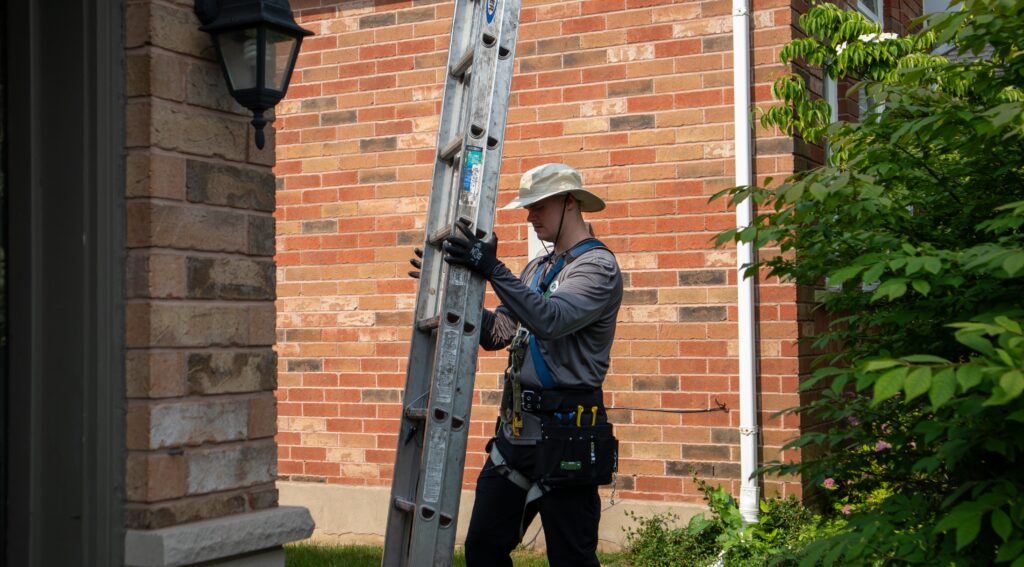
Wildlife commonly accesses homes through elevated and hard-to-reach areas such as rooflines, chimneys, vents, soffits, and fascia. These locations require technicians to work at heights while maintaining full control of their equipment and surroundings. Every Skedaddle technician receives extensive roof and ladder safety training to ensure inspections and repairs are completed safely, efficiently, and without risk to the structure of the home.
This training allows technicians to confidently access every area of a property, ensuring no entry point is overlooked. It also reflects Skedaddle’s commitment to safety—not only for technicians, but for homeowners as well. Proper training reduces the risk of accidents, property damage, and incomplete inspections, all of which can compromise the quality of the solution.
As wildlife technician Ben Duke explains, “When I first started, I was trained by supervisors who had years of hands-on experience. They showed me how to move safely on roofs and ladders, but also how to slow down, be thorough, and never take shortcuts.” That foundation helps ensure every job is completed to the highest standard, even in challenging conditions.
Roof and ladder safety training goes beyond basic technique. Technicians learn how to evaluate roof pitch, material condition, weather factors, and access limitations before beginning work. This preparation allows them to adjust their approach based on the specific home and conditions on the day of the inspection. It also ensures repairs are completed carefully, without causing damage to shingles, siding, or surrounding structures.
To support safe, consistent work at heights, training focuses on:
- How to assess roof conditions before stepping onto a surface
- Proper ladder setup and stability on different terrain types
- Maintaining safe movement and positioning while working at height
- Identifying hazards such as weather, roof pitch, or limited access points
This level of preparation allows technicians to work confidently and thoroughly, even in complex or elevated areas where wildlife activity often goes unnoticed.
Skedaddle Technicians Have the Right Tools to Access Every Area Safely
Wildlife control work often involves attics, crawl spaces, tight rooflines, and other difficult or confined areas of a home. Every Skedaddle technician arrives with the specialized tools and equipment needed to access these spaces safely and efficiently. Proper equipment allows technicians to complete detailed inspections, perform high-quality repairs, and maintain safety throughout the process.
Having the right tools also ensures that no part of the home is ignored. Areas that are difficult to reach are often where wildlife activity is most likely to occur. Professional equipment allows technicians to inspect these spaces thoroughly without compromising safety or quality.
These tools may include safety harnesses, specialized ladders, wildlife-proof exclusion materials, and inspection equipment designed to locate hidden activity. When combined with training and experience, the right tools allow technicians to deliver consistent, reliable results while protecting both the structure of the home and the people inside it.

 Loading...







