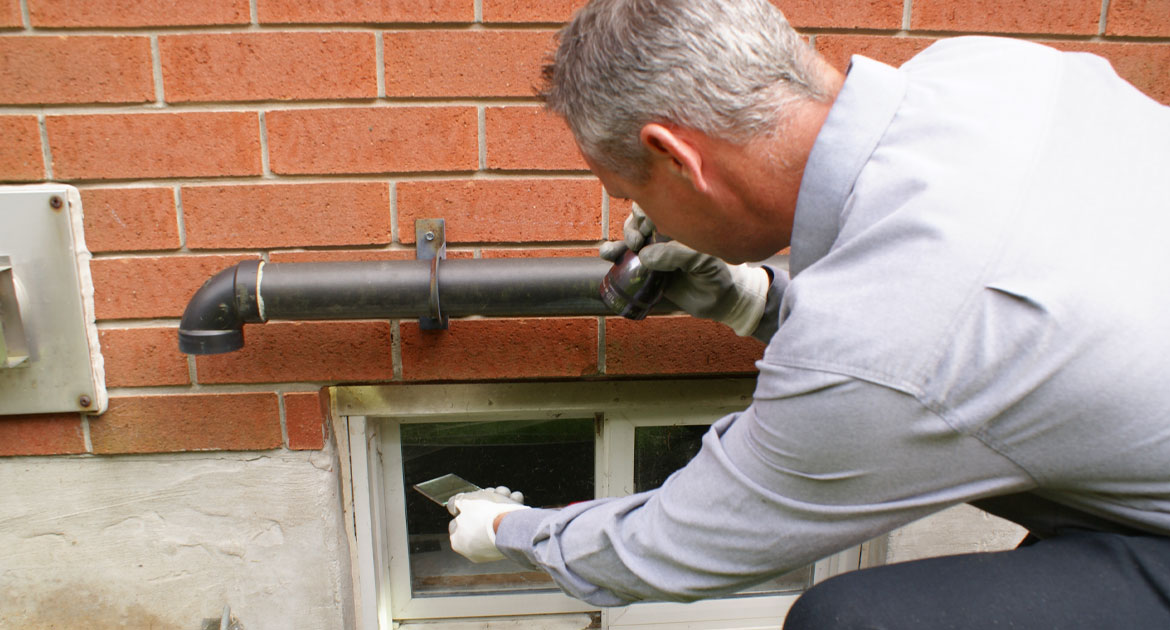
When homeowners discover wildlife activity in or around their home, one of the first questions we hear is why an inspection is necessary before any removal or prevention work begins. Scratching noises, movement in the attic, or visible damage around vents and rooflines can create a strong sense of urgency, and many people want the issue addressed immediately. At Skedaddle Humane Wildlife Control, we understand that concern. However, we also know that addressing wildlife problems properly starts with a clear understanding of the situation.
That’s why we refer to this step as a property assessment. It goes beyond simply identifying the animal involved. A property assessment is a comprehensive evaluation of the home that allows us to understand how wildlife is getting in, what impact they’ve had on the structure, and what will be required to resolve the issue properly. It gives us the full picture—how the problem began, how far it has progressed, and what steps are needed to protect the home moving forward.
As Skedaddle Supervisor Keith Packer explains, “A property assessment is where we slow things down and get the full story, because if you miss how they got into, or you miss a second access point, you’re setting the homeowner up for the problem to come right back.”
This isn’t a formality or a quick check—it’s the foundation of the entire solution. Without a complete understanding of the situation, it’s easy to miss key entry points, underestimate damage, or overlook signs of dependent young. In wildlife control, those details matter. A thorough assessment ensures the plan is humane, effective, and designed to prevent the same problem from returning.
By starting with an inspection, we can confirm exactly what’s happening inside and around the home rather than making assumptions based on limited signs. That careful approach helps avoid rushed decisions and ensures the solution addresses the root cause of the problem, not just the most obvious symptoms.
We Need to Ensure We Arrive Prepared for Your Situation
Wildlife issues are rarely one-size-fits-all. The tools and materials needed can change significantly depending on the species involved, where animals have gained access, and the design, height, and condition of the home. A raccoon entering through a roofline presents very different challenges than squirrels accessing soffits or bats roosting behind siding.
During an inspection, our technicians determine exactly what equipment and materials will be required to complete the job safely and efficiently. This planning stage allows us to evaluate access points, assess safety considerations, and identify any challenges before the work begins.
That preparation might include selecting the right ladder height to safely reach a roofline, bringing specialized exclusion materials designed for specific openings, or using thermal imaging technology to check for hidden animals and dependent young. In some cases, the layout of the home or the surrounding environment may also influence how the work is approached.
Arriving prepared reduces surprises on the day of service. It helps prevent delays, limits disruptions for the homeowner, and ensures our technicians can proceed with confidence once the work is scheduled. When we know exactly what the job requires ahead of time, we can complete it efficiently and correctly.
We Need to Understand the Full Scope of Damage
A wildlife problem often comes with hidden impacts that aren’t immediately visible from the ground or from inside the home. Animals may enter through a relatively small opening but cause widespread damage once inside, especially if they’ve been present for weeks or months.
Common areas affected by wildlife include vents, soffits, rooflines, insulation, and interior spaces such as attics or wall cavities. Animals may tear or compress insulation to create nesting areas, chew on wood or wiring, and leave behind nesting material, droppings, and urine. These issues can create unpleasant odours, health concerns, and even safety risks if left unaddressed.
A detailed inspection allows us to identify what damage has occurred and what restoration steps may be needed to return the space to a safe, healthy condition. Without that assessment, important details can be overlooked—leading to incomplete repairs, lingering contamination, or conditions that continue to attract wildlife long after the animals are removed.
During a property assessment, we look closely for issues such as:
- Damage to vents, soffits, fascia, and rooflines
- Contaminated nesting materials, droppings, and urine
- Compromised or flattened insulation affecting energy efficiency
- Chewed wiring or other potential safety hazards
- Areas that may require sanitization or restoration after removal
By identifying these concerns early, we can build a plan that addresses both the wildlife issue and its impact on the home.
We Must Find Every Entry Point—Not Just the Obvious One
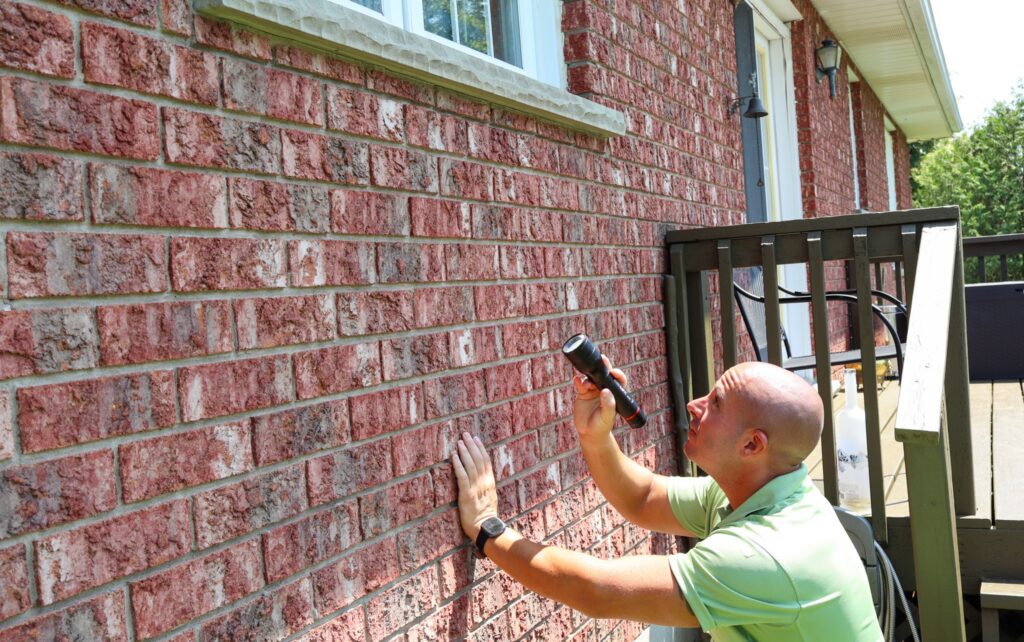
One of the most important reasons Skedaddle performs a full inspection is to identify all entry points and vulnerable areas—not only the opening that first drew attention. Wildlife rarely relies on a single access point. A home may have multiple weak spots that animals are already using or could use in the future.
Even small gaps or construction gaps can allow animals to get back inside after removal, especially if the area remains accessible or attractive. If an entry point is missed or not properly secured, the issue can return quickly—sometimes with a different animal taking advantage of the same weakness.
Our inspection helps us locate both active entry points and additional risk areas around the home. By addressing all of these areas as part of a comprehensive prevention plan, we reduce the likelihood of repeat wildlife issues and provide long-term protection rather than a temporary fix.
Areas we commonly evaluate include:
- Rooflines, vents, and attic access points
- Soffits, fascia, and corner returns
- Chimney caps and flashing points
- Foundation gaps and utility penetrations
- Attached structures such as decks, porches, and garages
Finding and securing every vulnerable area is essential to ensuring wildlife stays out for good.
We Plan the Job Properly, Including Timing and Scheduling
Every wildlife job varies in complexity. Some removals can be completed in a few hours, while others may take a full day or more depending on the species involved, the amount of damage, the number of entry points, and the size, age, and structure of the home. Multi-storey homes, steep rooflines, or older properties often require additional time and planning.
The inspection allows us to estimate how long the work will take and schedule the job appropriately. That means the right technicians are assigned, the correct equipment is available, and enough time is set aside to complete the work properly without rushing.
Clear planning also benefits homeowners. Knowing what to expect—from how long the work will take to what areas of the home will be accessed—helps reduce stress and uncertainty. The inspection sets clear expectations and ensures the service runs smoothly from start to finish.
We Ensure Clarity and Confidence for Homeowners
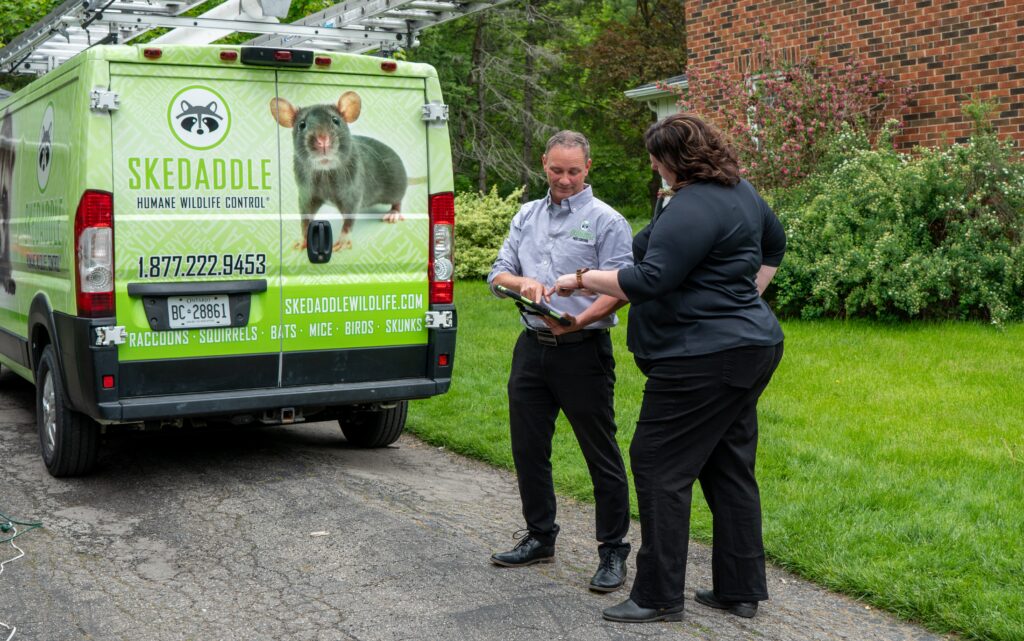
Inspections also give our technicians the opportunity to walk homeowners through what we’ve found and explain what will happen next. We take time to show where animals are getting in, point out signs of activity, and explain what repairs or exclusions are required.
This transparency helps homeowners feel informed and involved in the process. Instead of guessing or worrying about what might be missed, they can see that there’s a clear plan in place. Understanding each step of the process helps build confidence in the solution and reassurance that the issue is being handled thoroughly.
During the assessment, technicians typically explain:
- What evidence confirms wildlife activity
- Where and how animals are gaining access
- What the removal process involves
- What repairs or exclusion work will be completed
- How prevention measures will protect the home long-term
Clear communication helps homeowners feel more in control of what’s happening in their home.
Property Assessments Support Our Lifetime Guarantee
Keith Packer explains, “A detailed inspection is the step that prevents things from being missed. It allows us to identify every entry point, assess the full extent of the damage, and build a plan that ensures the job is done thoroughly and correctly.” That level of detail is what turns a short-term fix into a lasting solution.
This approach is also why Skedaddle can stand behind our work with a lifetime guarantee. Since we start with a thorough inspection and address the full scope of the issue—not just the immediate animal activity—we’re able to deliver results that last. The inspection ensures repairs and exclusions are planned correctly and completed with long-term prevention in mind.
By investing time in the assessment stage, we reduce the risk of future wildlife challenges and provide homeowners with lasting peace of mind.
Book an Assessment to Get Started
If you suspect wildlife activity in your home, an inspection is the best place to start. It allows our team to fully understand the situation, develop the right plan, and provide a humane, effective solution designed to keep wildlife out for good.
Even if the signs seem small—noises in the attic, scratching in the walls, or damaged vents—early assessment can prevent bigger problems later. A property assessment confirms what’s happening, reveals what needs to be addressed, and sets the project up for a smooth, thorough service from the very beginning. Reach out to learn more about our services or to book your property assessment today.

 Loading...







