Many homeowners wonder if wildlife can truly impact the value of their property. From squirrels nesting in attics to raccoons exploring crawl spaces, signs of wildlife can raise concerns during home inspections or appraisals. At Skedaddle Humane Wildlife Control in Andover, we often hear this question: can wildlife damage home value? The answer is yes—but understanding how and why can help you protect your property.
We work with homeowners to assess and prevent wildlife issues safely and humanely. Our goal is to preserve your home’s integrity and market appeal while ensuring the animals remain unharmed. In this blog, we’ll explore the different ways wildlife can affect property value and what steps homeowners can take to maintain both their investment and peace of mind.
How Structural Damage Can Lower Your Home’s Value
Wildlife can cause damage that directly impacts the structural integrity of a home. Animals in attics, crawl spaces, or roofing areas can:
- Chew through wood, insulation, and wiring
- Dislodge shingles or siding, allowing water intrusion
- Damage ventilation or soffits
Even minor damage can lead to long-term problems. For instance, water leaks caused by broken shingles can result in mold, rot, or weakened framing. According to a 2022 real estate study, homes with visible structural issues from wildlife or moisture damage sold for an average of 10-15% less than comparable properties.
Evidence of Wildlife Can Be a Red Flag for Buyers
Even if damage is minimal, the presence of wildlife signs can affect potential buyers’ perceptions. Home inspectors routinely look for droppings, gnawed materials, or nests during appraisals.
Key points:
- Signs of animals can suggest ongoing problems, even if repairs have been made
- Droppings, tracks, or nesting materials in attics, garages, or crawl spaces raise concerns
- Homes with visible signs may take longer to sell or require price adjustments
Addressing these signs with professional evaluation and prevention can reassure buyers that the home is safe and well-maintained.
Health and Safety Concerns Affect Marketability
Beyond structural issues, wildlife can introduce health and safety risks that affect resale. Animals can carry allergens, bacteria, or parasites, and nesting materials may contribute to poor indoor air quality.
Buyers may hesitate if:
- There is a history of contamination in attics or basements
- The home shows evidence of repeated wildlife activity
- Potential safety risks are apparent, such as damaged wiring or weakened structural areas
A 2021 survey of homebuyers found that 48% would either lower their offer or reconsider a home if evidence of animal infestation was present. This highlights the importance of proactive assessment and prevention.
Insurance and Disclosure Considerations
Insurance companies often require disclosure of wildlife-related damage, and repeated issues can affect coverage or premiums. A documented history of wildlife damage to property may influence both insurance and buyer decisions.
Points to consider:
- Some policies require repairs to maintain coverage after wildlife-related damage
- Homes with recurring issues may see higher premiums
- Buyers and appraisers may treat prior damage as a risk factor during transactions
Professional inspection and prevention not only protects your home but can also maintain insurance compliance, which helps safeguard your home’s value.
Preventative Measures That Protect Property Value
Proactive measures are critical for maintaining a home’s market appeal. While DIY methods are not recommended, professional assessment and humane prevention can make a significant difference.
Key preventative steps we implement at Skedaddle include:
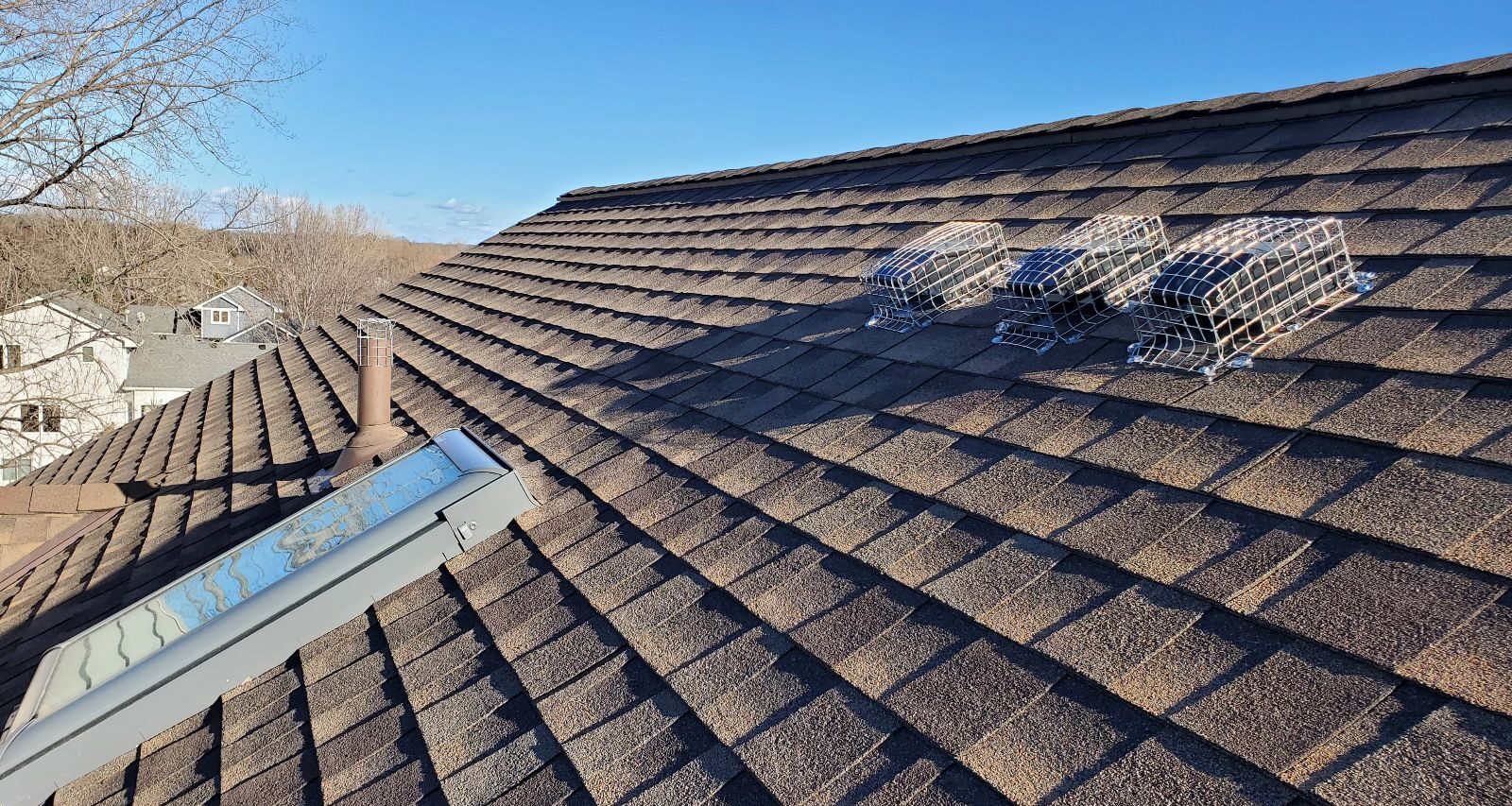
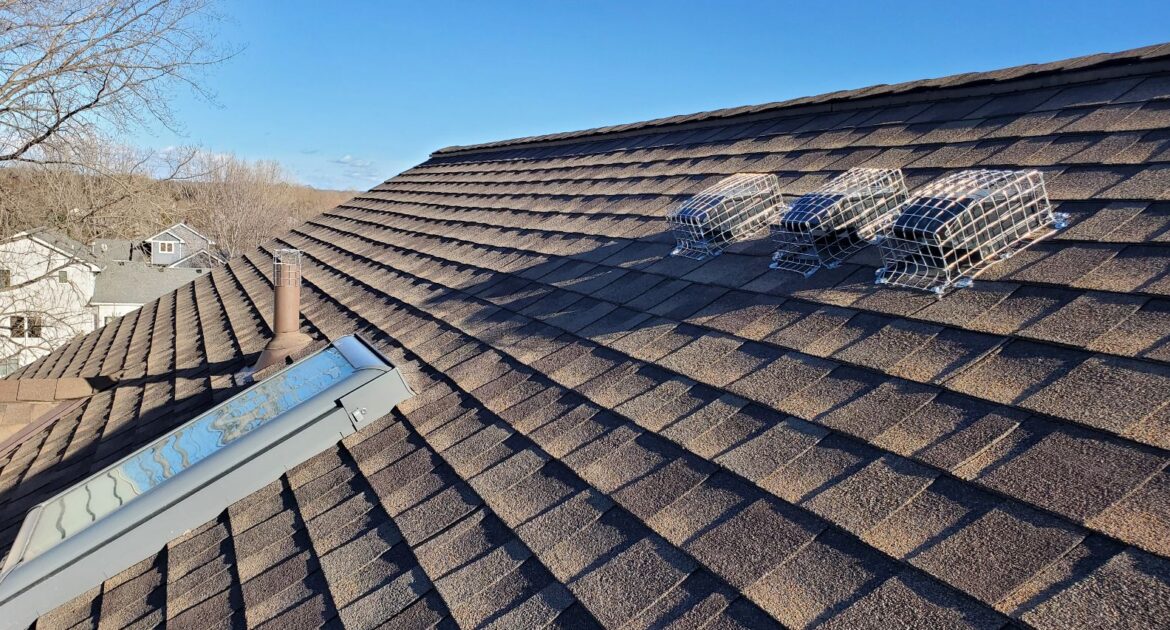
- Sealing entry points like vents, soffits, and gaps around eaves
- Inspecting roofs, chimneys, and attics for potential vulnerabilities
- Evaluating landscaping or tree branches that provide access to your home
- Implementing humane deterrents and ongoing monitoring
Properties maintained with professional prevention strategies are far more attractive to buyers and appraisers, and they significantly reduce the risk of wildlife damage to property.
The Financial Impact of Ignoring Wildlife
Ignoring wildlife issues can lead to escalating costs that affect both repairs and resale value. Small damages can compound into more serious structural problems over time.
Consider these examples:
- Chewed wiring can cause electrical issues costing thousands to repair
- Roof or siding damage can lead to water infiltration and mold remediation
- Damaged insulation reduces energy efficiency, increasing utility costs
According to the National Association of Realtors, homes with unresolved damage—whether from moisture, pests, or wildlife—can experience a 5-12% decrease in resale value. Early intervention protects your home’s condition and its financial worth.
Why Professional Assessment Matters
Professional wildlife assessments are essential in maintaining your home’s integrity and market appeal. At Skedaddle Humane Wildlife Control, we provide expert evaluation and prevention without harming the animals.
Benefits of professional evaluation include:
- Accurate identification of vulnerabilities before damage occurs
- Customized solutions for each property type and wildlife scenario
- Documentation for insurance and resale purposes
- Long-term protection for your investment
By taking a professional approach, homeowners can minimize the impact wildlife has on home value while ensuring humane treatment of animals.
Protecting Your Home’s Value the Humane Way
So, can wildlife damage home value? The truth is yes—structural issues, visible signs of activity, and health or safety concerns all play a role in how your home is perceived and appraised.
At Skedaddle Humane Wildlife Control, we work with homeowners to prevent wildlife-related damage safely and humanely. Homes with proactive, professional prevention strategies maintain their structural integrity, reduce long-term repair costs, and are far more appealing to buyers.
Investing in prevention today is an investment in your property’s value tomorrow. With our guidance, you can protect your home, maintain marketability, and rest easy knowing that wildlife are treated ethically.

 Loading...







