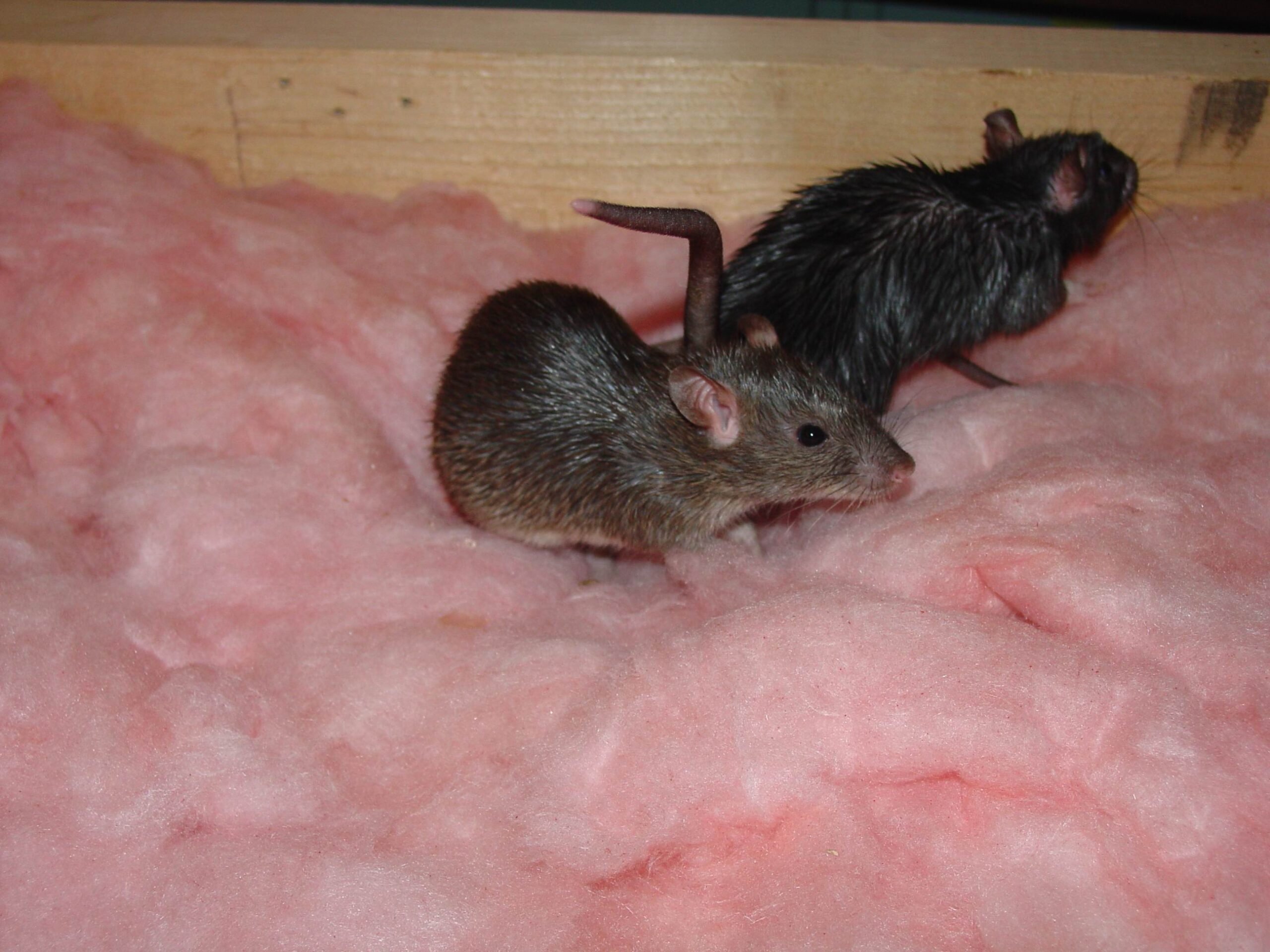
As the chill of winter settles over Anoka County and the riverbanks of the scenic Rum River turn icy, many homeowners and businesses in communities like Coon Rapids discover a troubling problem: the resilience of rodent colonies. Understanding rat behavior during cold weather is key to protecting your property and health. Winter habits evolve as these rodents band together, using surprisingly sophisticated communication and teamwork to survive freezing Minnesota nights. By shedding light on how rats survive winter—and how their colonies operate beneath our feet or behind our walls—Skedaddle Humane Wildlife Control aims to empower home and business owners with the knowledge needed to keep their spaces secure and healthy year-round.
Understanding Rat Colony Behavior
Rats are not lone animals—especially during the colder months. Instead, they thrive by forming colonies—a tightly organized social system that increases their chances of survival. Each colony is a dynamic community, structured to maximize safety, warmth, and resource sharing.
Hierarchy plays a crucial role in these groups:
- Dominant rats typically claim the safest, warmest nesting spots, ensuring their continuous comfort.
- Subordinate rats support key tasks like scouting for food or digging new tunnels.
- Older, experienced rats often lead the group in seeking out new resources, harnessing their experience for the colony’s benefit.
In winter, this hierarchy becomes even more important:
- Leaders coordinate movement and assign roles for gathering scarce food.
- Young rats are kept sheltered, increasing survival rates within the group.
- Cooperation ensures that even weaker individuals can survive the harshest months.
Rat colony behavior also involves a constant negotiation of rank, with frequent low-level skirmishes, grooming rituals, and alliances forming along family lines. Homeowners in Coon Rapids or along the Rum River may not see these social dramas, but they impact how quickly a colony can establish itself in your attic, garage, or basement. Colony members often choose nesting locations based on protection from the elements and proximity to reliable food sources. This is why they are so attracted to homes and businesses during the frostiest months.
Transitioning from social structure, let’s see how rats adapt their day-to-day actions for winter—central to their survival in Anoka County’s climate.
How Rats Survive Winter: Adaptation Strategies
“How do rats adapt their behavior to survive harsh winters?” This common question is especially relevant for Minnesota property owners facing increasingly clever rodents. Winter habits shift dramatically as temperatures drop.
Key winter adaptations include:
- Building nests from shredded insulation, paper, and fabric to retain body heat.
- Choosing spaces with steady warmth, such as attics, inside walls, or around hot water pipes.
- Storing food for lean months by hoarding scraps and debris they collect.
- Staying largely hidden and reducing outdoor activity to conserve energy and minimize freezing risks.
In Coon Rapids and nearby areas, environmental factors increase the urgency for finding safe, warm spaces. Nearby rivers and urban landscapes don’t just offer food and shelter—they create travel corridors and hiding places that shield rats from predators and cold snaps.
Rats reproduce rapidly, even during winter months. If left unchecked, colonies can double or triple in size by spring. Babies born in warm, protected nests have a higher survival rate, contributing to exponential population growth and making early intervention crucial for homeowners.
The combination of resourcefulness and teamwork lets rats quickly turn a small opening in a home’s foundation or a forgotten food stash into a winter fortress. Seeing one rat in your home typically indicates many more hiding nearby.
The next section explores a remarkable, lesser-known side of rat colony behavior: communication. This is the hidden force enabling such effective survival through even the hardest Minnesota winters.
Winter Rat Habits: Communication as a Survival Tool
Effective survival in harsh conditions depends on more than just strong nests or quick breeding. The hidden insight that sets rats apart is their highly developed communication system—a key driver of winter colony success.
Rats communicate in the following ways:
- High-frequency vocalizations, out of range of human hearing, warn of danger or signal food sources.
- Scent markings with glands around their bodies leaves trails for others to follow safely.
- Physical contact through grooming and nudging reinforces social bonds and reduces stress.
- Ultrasonic squeaks convey complex information about threats or resources.
During winter, communication among rats becomes even more important. They rely on scent trails to navigate indoor spaces, even in complete darkness, while alarm vocalizations warn colonies of potential predators or areas with traps. Frequent grooming also helps maintain group cohesion, keeping the colony calm, limiting panic, and conserving valuable energy during the colder months.
Understanding these communication methods can help property owners interpret the signs of a thriving colony—such as persistent scratching noises behind walls or new gnaw marks along food storage.
This advanced social system explains why rats are so difficult to control using simple DIY traps or poisons. They learn quickly and share information, steering clear of hazards while growing their numbers all winter long.
Next, it’s essential to consider the environmental factors unique to Anoka County—and how nearby features like rivers, busy neighborhoods, and fluctuating temperatures can make rat colonies especially tenacious.
The Local Environment and Its Impact on Rat Populations
Local conditions shape how rat colonies survive winter in places like Coon Rapids and Anoka County. The presence of rivers, changing temperatures, and easy access to human shelter all influence rat activity.
Factors increasing the risk of winter infestations:
- Proximity to the Rum River, which serves as a natural highway for rodents.
- Urban density that provides frequent food waste and hiding spots.
- Homes with aging insulation or gaps along foundations, decks, or vents.
- Lengthy periods of subfreezing temperatures, forcing rats indoors.
Environmental pressures drive rats to exploit structural weaknesses in homes for nesting and movement. They increasingly rely on stored human food and outdoor garbage for sustenance, and heightened interaction within the colony makes scent trails and vocal warnings even more critical for communication and survival.
For property owners, these factors underscore why professional identification and repair of entry points is essential. Around Coon Rapids, rats are well-adapted to both urban and semi-rural terrain. Their winter habits—especially their tendency to communicate about new resources—make infestations a persistent challenge for local families and businesses.
Understanding the unique risks posed by your environment is one half of the solution. The other half is learning to detect early signs and taking action before winter colonies become established.
Skedaddle’s Approach to Winter Rat Removal and Control
With over 30 years of experience in rat removal across North America, Skedaddle understands the unique social and survival tactics of rat colonies. Our team doesn’t just remove unwanted rodents—we address the root causes of infestation and equip homeowners for lasting peace of mind.
Our comprehensive services involve:
- Detailed property assessments, using thermal imaging and advanced tools to locate colonies and access points.
- Humane, effective removal using one-way doors and exclusion tactics, ensuring no rats are trapped inside.
- Thorough cleaning and sanitation of all affected areas, removing hazardous waste and odors.
- Professional sealing of every current and potential entry point using rat-proof materials.
After removal, we educate our clients on how rats survive winter by finding and exploiting overlooked entryways, the importance of food and water management around the property, and steps for long-term maintenance to limit future infestations.
Our technicians have seen firsthand how quickly rat colonies can grow if left unchecked, particularly after a mild fall or early winter cold snap near Coon Rapids or along the Rum River.
Choosing professional and preventive services is the most effective way to protect your property and family from the risks associated with rat colonies—from structural damage to health hazards. By understanding their behavior and working with our experienced team, Minnesota homeowners and business owners can face winter with greater confidence and peace of mind.
Safeguard Your Home from Winter Rat Invasions with Skedaddle
Winter in Anoka County tests the remarkable adaptability of rat colonies, as these clever rodents use teamwork, resourcefulness, and sophisticated communication to thrive indoors. Their ability to exploit even the smallest cracks and their rapid reproductive rate make early detection and prompt action essential for protecting your home and health. Left unchecked, these colonies compromise structural integrity and introduce serious health risks to families and businesses alike.
Don’t allow rat colonies to gain the upper hand this winter. Skedaddle’s expert technicians bring decades of experience, advanced equipment, and a proven, humane approach to remove unwanted rodents and fortify your property against future invasions. Reach out to Skedaddle today for a thorough inspection and comprehensive solutions—because peace of mind is always in season.

 Loading...







