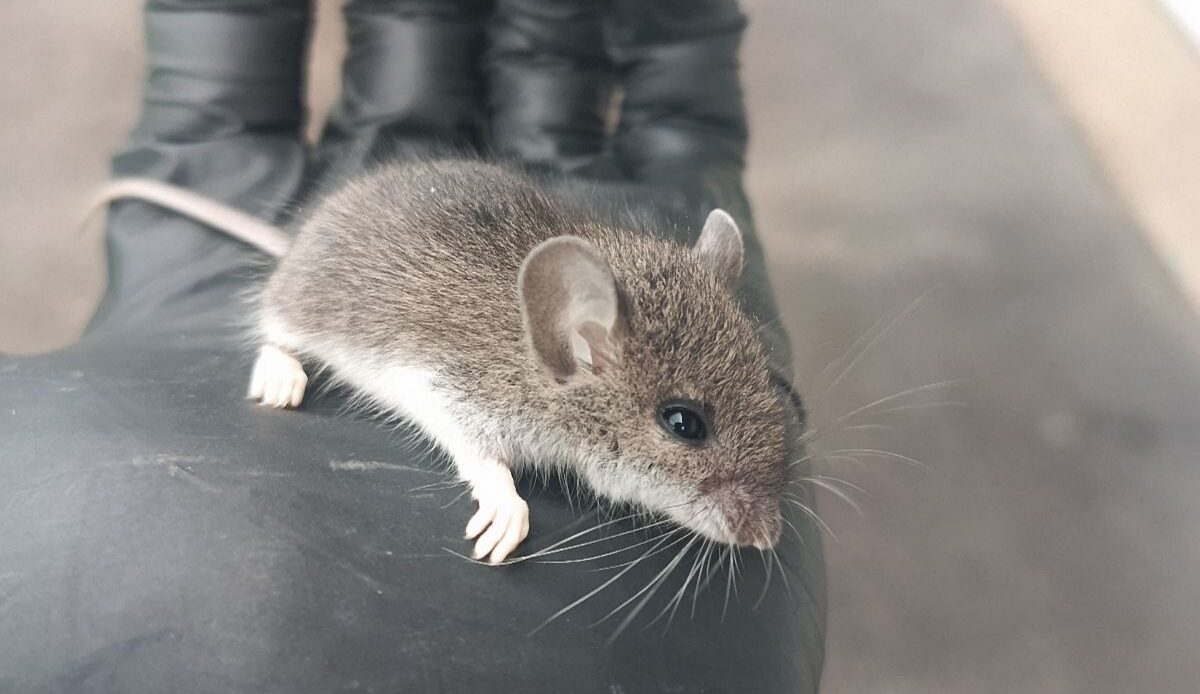
If you have ever heard scratching behind your walls or noticed unexplained damage, mice may be the cause. One of the most common and dangerous issues homeowners face is mice chewing wires, which can create serious safety risks inside the home. While chewing is natural behavior for mice, it becomes a costly and hazardous problem once it happens indoors.
At Skedaddle Humane Wildlife Control in Anoka County, we help homeowners understand why this behavior occurs and how it can impact their property. By recognizing the risks early and relying on professional support, homeowners can protect their homes from damage that often goes unseen until it becomes severe.
Why Mice Chew So Frequently
Mice chew constantly because their front teeth never stop growing. To keep their teeth at a manageable length, they must gnaw on materials every day. In the wild, this behavior helps them survive. Inside a home, however, it creates problems.
Homes offer an abundance of chewable materials and quiet spaces. During colder months in Anoka County, mice are especially drawn indoors for warmth and shelter. Once inside, they explore wall voids, basements, and attics, chewing as they go. This behavior is not driven by aggression, but it can lead to widespread damage over time.
Common Materials Mice Chew Inside Homes
Mice do not discriminate when it comes to chewing. Many everyday household materials are vulnerable, and damage often occurs out of sight.
Common targets include:
- Electrical wiring behind walls and ceilings
- Insulation in attics and crawl spaces
- Wood framing, baseboards, and cabinets
- Cardboard boxes and stored belongings
Among these, mice chewing wires poses the most serious concern. According to the U.S. Fire Administration, rodents are responsible for up to 25% of unexplained electrical fires in residential buildings. This makes chewing damage not just inconvenient, but potentially dangerous.
The Safety Risks of Mice Chewing Wires
When mice gnaw through electrical wiring, they expose live electrical currents. This increases the risk of sparks, short circuits, and fires. Many homeowners are unaware this is happening until an electrical issue appears or damage is discovered during repairs.
Beyond fire hazards, damaged wiring can lead to:
- Power outages or flickering lights
- Malfunctioning appliances
- Expensive electrical repairs
- Increased insurance claims
Statistics show that homes with hidden wiring damage face repair costs that can exceed thousands of dollars. Addressing mouse damage to home early is critical to reducing long-term safety risks.
Signs of Mouse Chewing Activity
Chewing damage often occurs in areas that are not immediately visible. That is why recognizing early warning signs is so important.
Some common signs of mice infestation include:
- Small chew marks on baseboards or stored items
- Bits of insulation or debris near walls
- Faint scratching or gnawing sounds at night
- Burning smells or unexplained electrical issues
When these signs appear, damage may already be underway. Acting quickly can help limit the extent of repairs needed.
How Mouse Chewing Affects Your Home’s Structure
Beyond wiring, chewing can weaken parts of your home’s structure. Insulation damage reduces energy efficiency, allowing heat to escape during winter months. Over time, this can increase heating costs and place strain on HVAC systems.
Chewed wood and building materials may also compromise the integrity of walls, floors, and storage areas. Studies suggest that homes with ongoing rodent activity can lose up to 10% of their energy efficiency due to insulation damage alone. This type of mouse damage to home is often hidden until utility bills rise or renovations begin.
Long-Term Impact on Home Value
Chewing damage does not only affect daily comfort. It can also impact your home’s resale value. Home inspections frequently uncover wiring issues, insulation damage, or structural wear caused by mice.
Unresolved wildlife activity can lead to:
- Delays during home sales
- Reduced buyer confidence
- Negotiated price reductions
- Increased repair demands from lenders or insurers
Addressing chewing behavior early helps protect both your safety and your investment.
Why Professional Wildlife Control Is Essential
Managing mice activity requires more than surface-level solutions. Without professional insight, chewing damage often continues unnoticed behind walls or in attic spaces.
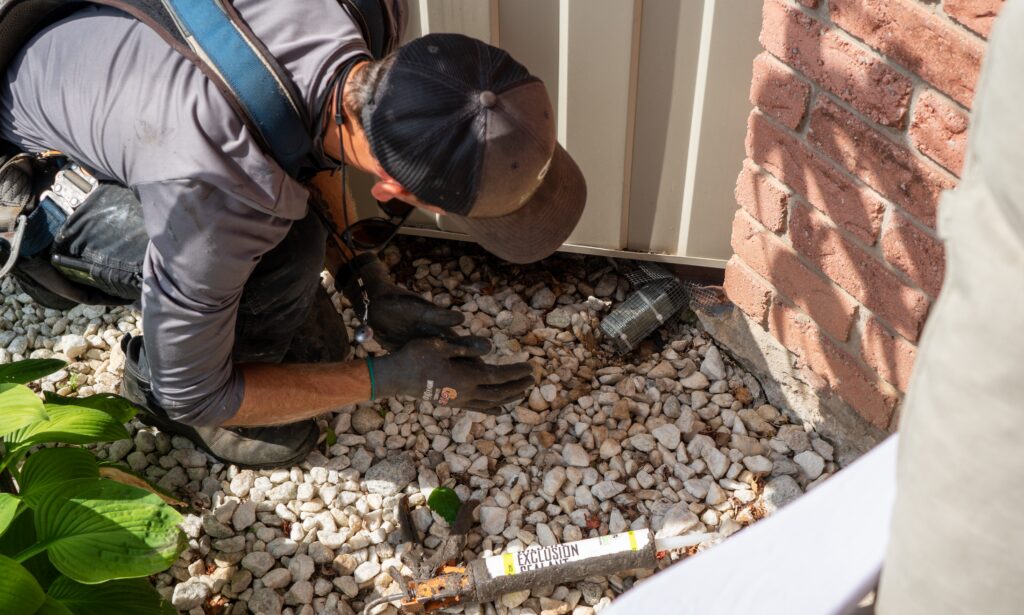
At Skedaddle, we take a comprehensive approach. We assess the extent of damage, identify how mice are entering the home, and focus on long-term prevention. Our process is designed to reduce ongoing risks without exposing homeowners to safety hazards.
Professional services are especially important when dealing with mice chewing wires, as electrical systems require careful evaluation to ensure the home remains safe.
Preventing Future Chewing Damage
Prevention plays a major role in protecting your home. Once access points are addressed and activity areas identified, the likelihood of repeat issues drops significantly.
Effective prevention strategies include:
- Sealing gaps and openings around the home exterior
- Addressing vulnerable rooflines, vents, and foundations
- Monitoring attics, basements, and crawl spaces
- Maintaining clean, organized storage areas
Industry data shows that homes with professional wildlife prevention measures experience up to 70% fewer repeat incidents compared to untreated properties.
Seasonal Considerations in Anoka County
Mice activity often increases during fall and winter as temperatures drop. Homes in Anoka County are particularly vulnerable during these seasons when mice seek warmth indoors.
Cold-weather entry points include:
- Foundation cracks caused by freeze-thaw cycles
- Utility line openings
- Aging siding or roofing materials
Seasonal inspections help identify these vulnerabilities before chewing damage escalates.
Protecting Your Home From Chewing Damage
Understanding why mice chew and how that behavior affects your home is the first step toward prevention. From fire risks to structural damage, mice chewing wires and other materials can create serious safety concerns if left unaddressed.
At Skedaddle Humane Wildlife Control in Anoka County, we help homeowners protect their properties through professional, humane solutions that focus on prevention and long-term results. By identifying risks early and addressing them properly, we help keep homes safe, secure, and comfortable year-round.
Taking action sooner rather than later can prevent costly repairs and protect what matters most—your home and the people inside it.

 Loading...