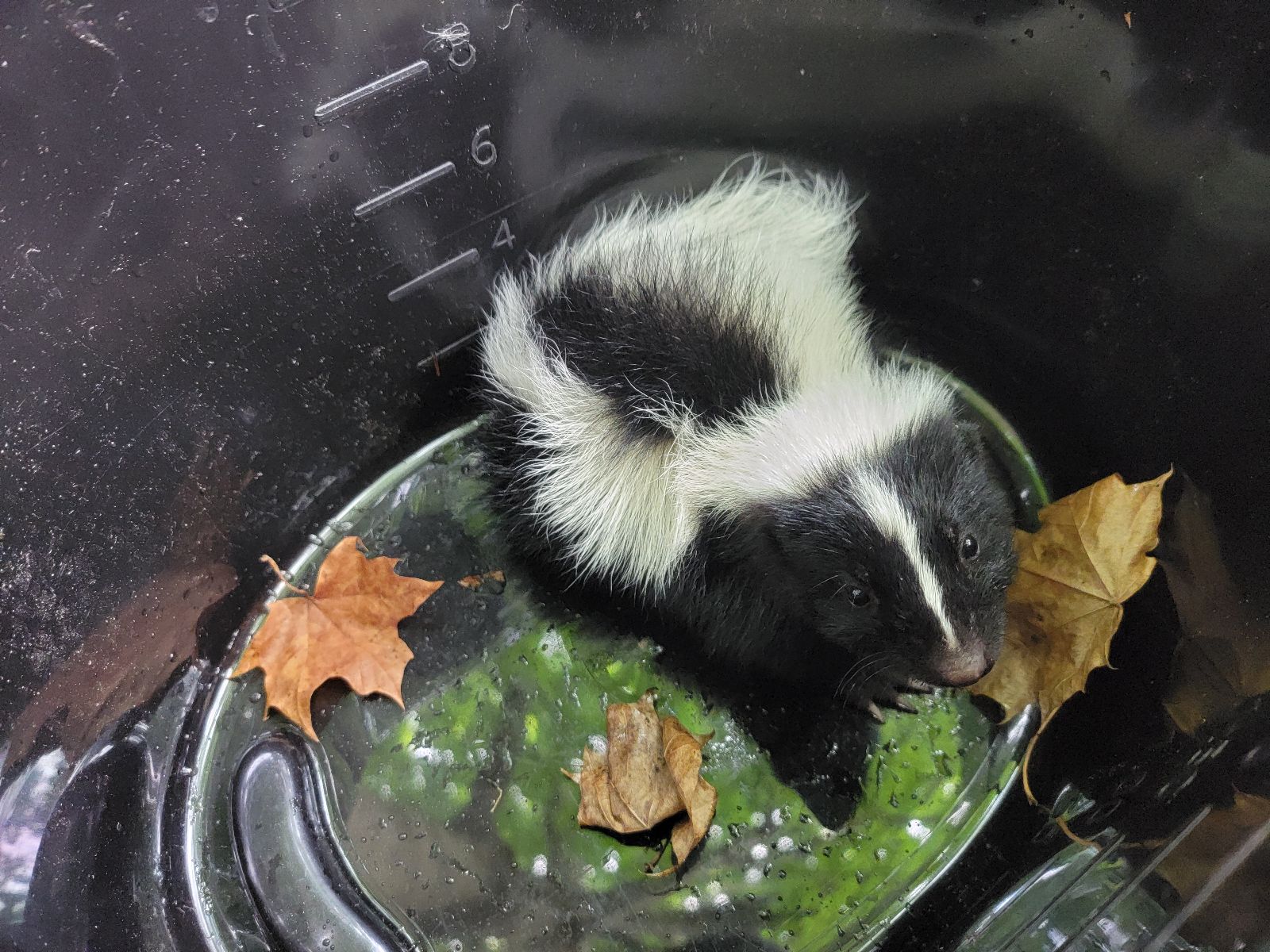
If you live in Anoka County—whether near the bustling shops of downtown Anoka, the peaceful woods of Ramsey, or the growing neighborhoods of Andover—you have likely spotted that familiar black-and-white animal shuffling through your yard at dusk. There are often complaints about strong odors and surprise appearances under porches, but one question arises consistently: What does the skunk diet consist of in the suburbs?
Understanding what skunks eat and how environments like ours influence their feeding habits can help homeowners and businesses reduce property damage, prevent unwanted encounters, and promote safer living spaces for everyone.
What Skunks Eat: An Overview of Suburban Diets
Skunks are notorious for being opportunistic feeders, and suburban Minnesota offers a perfect buffet. Often described as “nature’s clean-up crew,” skunks have a diverse diet that includes natural resources and human leftovers.
During our inspections throughout Anoka, we consistently observe the following key elements of a skunk’s diet:
- Insects and larvae, including beetles, crickets, and grubs found in lawns and gardens.
- Fruits and vegetables from backyard gardens, compost bins, and fallen produce.
- Small rodents when available, though these are a less common part of the suburban skunk foraging routine.
- Eggs and fledgling birds found in low nests or on the ground.
- Human-related food sources, such as outdoor pet food, unsecured garbage, and compost.
A skunk’s diet changes seasonally; insects and grubs top choices in the summer, while fruits become more important in late summer and fall. Many residents in Andover and surrounding communities notice increased lawn damage as skunks search for grubs before winter sets in.
Changing Landscapes: How Urban Development Shapes Skunk Diets
Urban and suburban development significantly impacts the skunk diet in suburban areas. Older neighborhoods with mature trees and gardens offer different food options compared to new housing developments where lawns are still maturing. Skunks adapt remarkably to these changes.
Skunks are highly adaptable when it comes to their diet, easily switching between natural food sources and human-provided options. They can become reliant on pet food or unsecured trash left near homes, which increases the likelihood of encounters with people. These animals also prefer habitats that offer both shelter and convenient access to food, commonly taking refuge beneath sheds, decks, and porches.
Our team has noticed notable trends in recent years, especially as new construction reaches areas like Ramsey:
- Increased dependence on discarded human food, particularly when insect populations drop.
- Greater activity around compost piles, especially in neighborhoods bordering parks or wooded trails.
- Adaptation to lawn irrigation—manicured, well-watered lawns attract grubs, a staple of suburban foraging.
Suburbs expanding can reduce natural food sources, encouraging skunks to venture further into human territories and increase interactions with properties. This behavior isn’t aggressive; it’s adaptive—a hidden insight often overlooked.
Nutritional Needs and Seasonal Shifts in the Skunk Diet
Understanding what skunks consume goes beyond mere curiosity; it reveals why certain times of the year bring more skunk activity. A healthy skunk diet supports their need for protein, fats, and carbohydrates, which vary by season.
For example:
- Spring: Skunks focus on insects, earthworms, and grubs as these become plentiful in wet soil.
- Early Summer: Continued insect consumption plus potential garden crop raiding.
- Late Summer: Increased fruit and vegetable intake from fallen or ripened produce.
- Fall: Foraging intensifies as skunks prepare for winter, concentrating on calorie-dense foods.
- Winter: Activity slows, but skunks emerge from dens seeking available food—sometimes raiding garbage bins.
Key nutritional components include proteins from insects and eggs, fats from seeds and nuts for winter energy reserves, and carbohydrates from fruits and vegetables to support metabolism. These shifting needs explain sudden skunk appearances, leaving telltale signs such as shallow holes in lawns or tracks around compost bins.
Preventing Skunks from Foraging in Residential Areas
With years of experience across neighborhoods like Andover, we know that prevention is the most effective strategy to keep skunks from making themselves at home. Skedaddle’s recommendations focus on limiting easy access to food and deterring potential denning sites.
Consider these strategies:
- Secure garbage cans with tight-fitting lids and store them indoors if possible.
- Promptly remove fallen fruits and vegetables from gardens and yards.
- Avoid leaving pet food outdoors overnight.
- Seal spaces beneath decks, porches, and sheds using heavy-duty barriers.
- Turn compost piles regularly and avoid adding animal products.
Tackling these attractants can significantly reduce skunk foraging around properties. Simple lifestyle adjustments promote safer, cleaner communities in Anoka County.
If skunks do settle in and find a reliable food source, professional wildlife removal often becomes necessary. Our technicians at Skedaddle can humanely remove skunks, locate baby kits, and secure properties against future visits by installing buried steel mesh barriers—a solution that withstands Minnesota winters.
Suburban Skunk Foraging and Human Interactions
Skunks choose foraging sites based on food availability and shelter. Suburban neighborhoods, with their manicured landscapes and overlooked hiding spots, provide ideal conditions. Common signs of foraging include:
- Persistent digging in gardens and lawns, resulting in clusters of small holes.
- Torn garbage bags or spilled waste, especially after trash pickup days.
- Trails through mulch beds and soft soil along the edge of foundations.
- Disturbed compost piles and pet bowls left outdoors overnight.
These issues become more noticeable in late summer and fall as skunks intensify searches to build fat reserves. While their foraging rarely causes permanent property damage, associated smells and pet encounters often lead residents to seek our assistance.
Skedaddle helps homeowners minimize interactions with skunks through a comprehensive, humane approach. We start with thorough outdoor inspections to identify attractants and potential entry points, then educate property owners on seasonal skunk behaviors so they can better prepare. One-way doors are used to allow skunks to safely exit their den sites, and affected areas are cleaned and deodorized to remove lingering scents that could attract new animals.
Real-World Strategies: Skedaddle’s Approach to Skunk Prevention and Removal
Living alongside skunks in Minnesota doesn’t have to mean constant worry. Skedaddle has served Anoka County for decades with solutions tailored to local landscapes.
Our comprehensive skunk management process involves:
- A thorough inspection of outdoor structures, focusing on areas like porches and sheds.
- Humane removal of skunks and their young using safe, hands-on techniques.
- Installation of buried steel mesh around den sites to prevent re-entry.
- Complete cleaning and deodorization of contaminated areas.
- Expert advice on food waste control, garden management, and landscape adjustments.
Through this approach, we help homeowners regain peace of mind, even during busy skunk seasons.
Skunk foraging is shaped by both human behavior and natural instincts. With the right knowledge—and a little help from professionals—you can keep your property safe, your pets unbothered, and your neighborhood cleaner.

Keep Skunks—and Their Odor—at Bay with Expert Help
Understanding skunk foraging habits in neighborhoods like Anoka County is key to preventing unwanted encounters and costly property damage. Recognizing what attracts skunks, including lawn grubs and unsecured garbage, empowers you to proactively make your property less inviting. However, when skunks find shelter under your porch or shed, the risks extend beyond disruptive digging and lingering smells—they can threaten your comfort and health.
If you’ve noticed signs of skunk activity around your home, don’t wait. Skedaddle’s experienced technicians specialize in humane, spray-free skunk removal and prevention methods, including expertly installed barriers that keep wildlife out for good. Reclaim your yard and enjoy peace of mind—contact Skedaddle Humane Wildlife Control today and let us help you maintain a safer, skunk-free property all year long.

 Loading...







