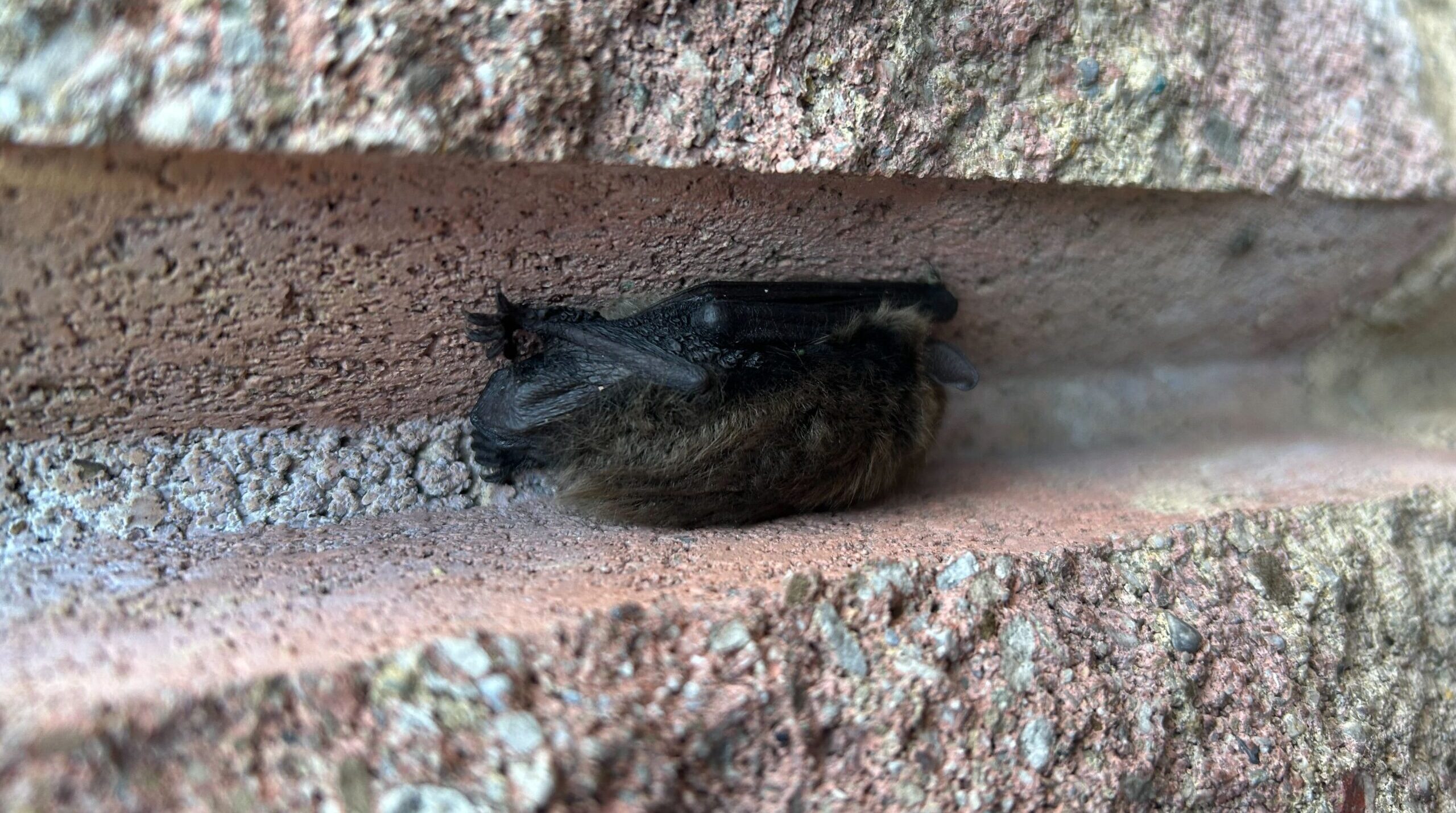
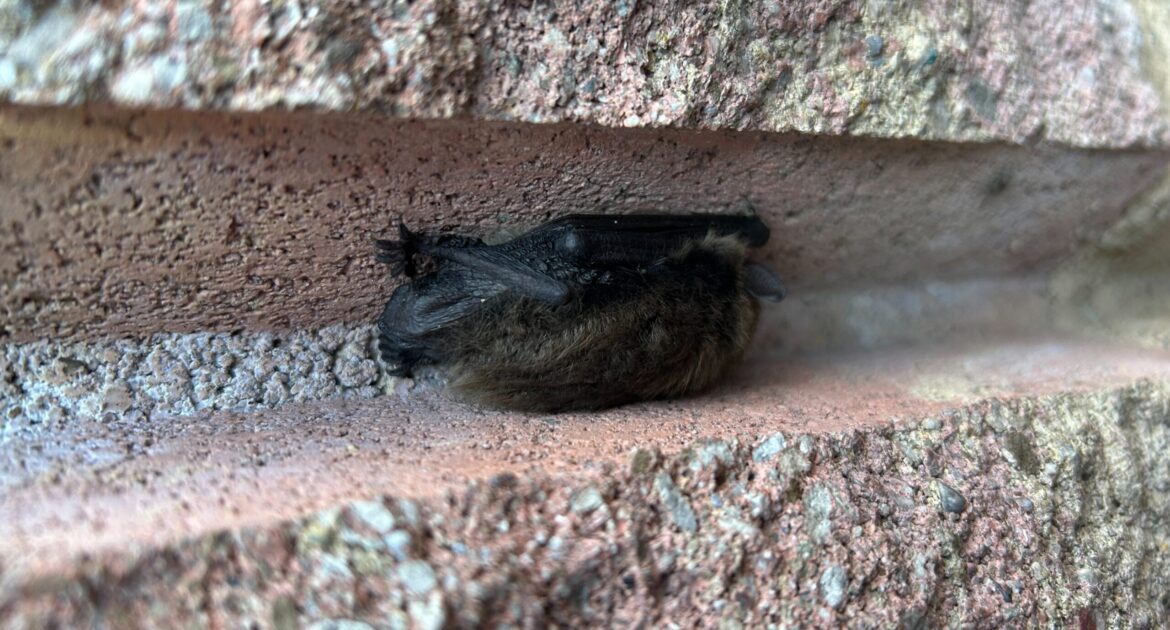
The unpredictability of Anoka County bat infestations during winter has become a growing concern for homeowners and business owners, particularly in areas like Coon Rapids. Many are noticing bats remaining active indoors throughout the colder months and wonder why this is happening. The answer often lies in mild winter conditions—warmer temperatures mean bats are less likely to fully hibernate, prompting them to seek shelter inside homes and buildings for warmth and safety.
At Skedaddle Humane Wildlife Control, we help you understand these changes and provide expert solutions designed to protect your property in Anoka County’s evolving winter climate.
How Mild Winters Keep Bats Active Indoors
Bat behaviors are closely tied to temperature, especially in areas where seasonal hibernation is the norm. Traditionally, these animals prepare for winter by seeking out safe, warm spots to roost. In the past, this often meant deep caves or secluded areas, but with growing urban development around places like Coon Rapids and near busy spots like Mall of America, bats are now drawn to the steady warmth of attics, wall spaces, and other protected structures.
Mild winter bat activity has become more common as climate patterns shift, leading to less severe cold and more frequent temperature swings. These fluctuations disrupt natural hibernation cycles in several ways:
- Warmer spells can wake hibernating individuals, making them more active when food is scarce.
- Once awakened, they waste valuable energy reserves searching for insects that aren’t around.
- Repeated disruptions push bats to find consistently warm areas for shelter—often your home or business.
This cycle increases the odds of winter infestations, causing more bats to move inside and stay active throughout the season. Every winter brings new reports of bats emerging into living spaces, especially where insulation or aging building materials make entry easier. As mild weather becomes the new norm for many winters, these indoor bat problems in Anoka County are only expected to increase.
Understanding these patterns is key to preventing unwanted encounters. As we dig deeper, you’ll see why addressing indoor bat issues quickly and humanely is so important.
Environmental Impacts and Diseases Affecting Bat Hibernation
Changes in the environment aren’t the only force making bats more visible in your home over the winter. Several specific threats affect how and where they hibernate, increasing the likelihood of indoor infestations.
One major factor is the spread of white-nose syndrome, a fungal disease that disrupts natural sleep cycles during hibernation. Infected bats often experience:
- Increased activity during winter months
- Depleted fat reserves, causing them to seek food and warmth at odd times
- Higher risk of entering man-made structures for shelter
Combined with the effects of mild winter activity, these diseases mean they often leave traditional roosts and appear in buildings more frequently than in the past.
Another factor is the changing landscape in areas like Coon Rapids. Loss of natural roosting sites due to construction and urban growth pushes bats into closer contact with people. Human-made shelters, with their constant warmth and protection from predators, become prime alternatives.
This mix of disease pressures and environmental changes creates a “perfect storm” for indoor infestations, raising the stakes for proactive prevention.
With all these factors in play, homeowners need to recognize the signs of indoor bat problems before they escalate. Let’s look at what this means for your safety, health, and property.
Risks to Homes and Health from Increased Indoor Bat Presence
A single bat inside your living space is startling. However, that often signals a larger colony hiding in the attic or walls, and the risks of winter infestations go far beyond nuisance.
There are several key concerns:
- Damage to insulation and attic structures due to the accumulation of droppings and urine.
- Contamination that can lead to serious respiratory illnesses such as histoplasmosis, caused by inhaling spores from guano.
- The potential for rabies transmission through contact, bites, or scratches.
- Unpleasant odors caused by both living individuals and their droppings in enclosed spaces.
Bat colonies can multiply without being noticed, as they prefer quiet corners not often visited, like wall cavities or unfinished attics. Each member of the colony contributes to long-term contamination—meaning clean-up grows costlier and more complicated the longer a problem goes undetected.
It’s also challenging to deal with bats because they’re a protected species. Handling them without professional guidance is both risky and may violate local laws. At Skedaddle, we always stress the importance of using humane and legally compliant removal practices.
Recognizing the signs—noises in the attic, unexplained droppings, or bats emerging from unusual places—should prompt immediate action. Early intervention can make the difference between a quick fix and a complicated restoration project in the spring.
Now let’s explore why mild weather, in particular, drives these issues and what you can do to stay ahead.
Understanding Why Bats Stay Active in Mild Winters
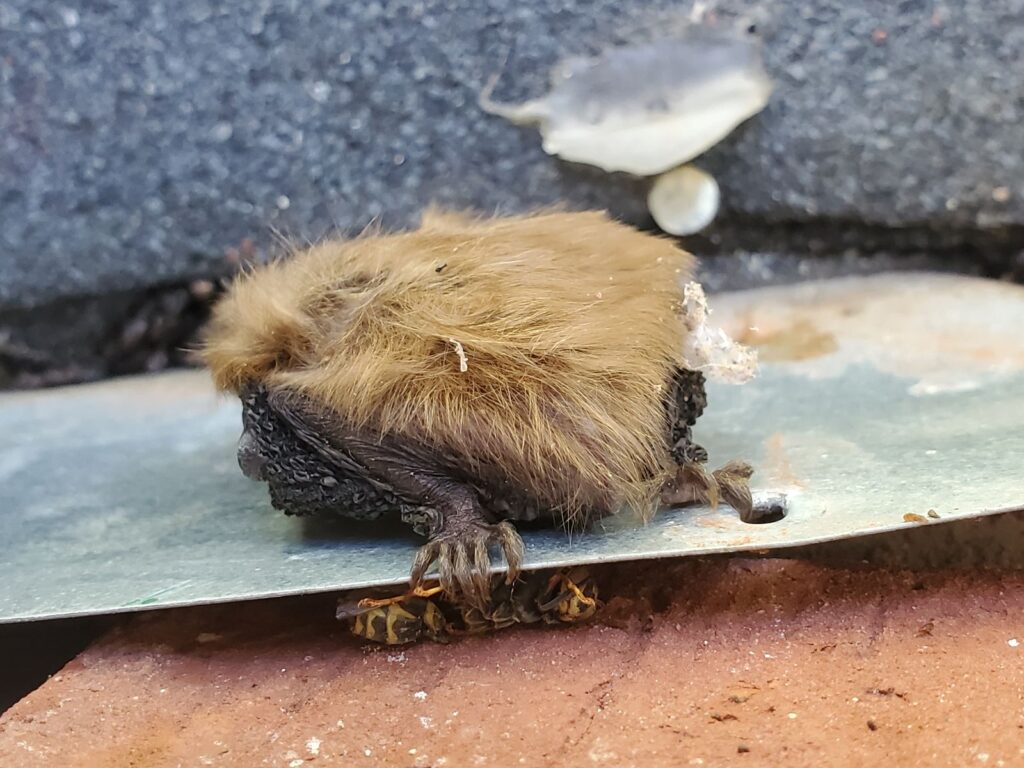
To answer the common question, “Why do bats stay active in mild winters?,” it helps to remember that these mammals rely on two things for winter survival: consistent cold and plentiful fat reserves. When a winter is especially mild or unpredictable, bats:
- Awaken more often, burning through energy needed for the entire season.
- Start moving in search of food or better shelter, often entering homes accidentally.
- Experience changing insect populations, sometimes finding small amounts of food that keep them semi-active instead of fully hibernating.
This shift is why so many homes, including those in Coon Rapids—see spikes in indoor bat problems during milder winters. Bats, desperate to conserve energy, turn to temperature-stable environments like attics, crawl spaces, or basements. Gaps as tiny as a dime let them in, making prevention a serious challenge for even the best-maintained homes.
Our experience has shown that properties with older roofing, numerous vents, or poorly sealed soffits are especially vulnerable. Once inside, bats seldom leave mid-winter unless food becomes available outside, or the interior environment is inhospitable.
We’ve seen these patterns repeat every year—so understanding them puts you a step ahead in protecting your space.
Prevention Tips for Managing Bat Infestations During Winter
Because bat infestations in winter are linked to mild weather and environmental stresses, active prevention is your strongest defense. At Skedaddle, we specialize in guiding homeowners through a full-spectrum approach to keep bats out for good:
- Schedule a professional inspection, ideally in early fall, so that potential entry points are found and addressed before winter hibernation.
- Seal all gaps, cracks, or small holes along roofs, soffits, and vents. Our technicians use specialized exclusion sealant designed to withstand changing temperatures and prevent future entry.
- Make sure attic insulation is intact, as damaged insulation can lead to easy access and hidden bat colonies.
- Monitor for telltale signs such as droppings, squeaking, or scratching sounds in the evening, especially near attics or basements.
- Never attempt to remove bats during their birthing or active hibernation seasons—removal outside the appropriate window can orphan pups or endanger protected populations.
If you discover a bat indoors during winter, avoid contact and close off the room. Contact our team for humane, legal removal. Our process, informed by over 30 years of experience, ensures every entry and exit point is identified, cleaned, and sealed, with a lifetime warranty for peace of mind.
Winter also presents unique challenges. Because bats may move inside at different times due to mild winter activity, autumn remains the most effective time for exclusion. Still, emergencies can be safely managed with care and attention to the laws protecting native bats.
Let’s dive deeper into actionable steps you can take during key seasons to ensure your home stays secure.
Real-World Solutions: When to Seek Professional Bat Removal Services
Anoka County homeowners are no strangers to ever-changing weather, and with iconic landmarks like the Mississippi River serving as natural corridors for wildlife, understanding local behavior is crucial. Residents of communities such as Coon Rapids face unique challenges each season.
If you think your home may be experiencing indoor bat problems, timing is everything. Here’s how we help at each stage:
- Inspection and Assessment: Our wildlife technicians perform thorough 35-50 point inspections, identifying every hidden entry and the full extent of indoor activity.
- Humane Removal: Depending on the season and breeding cycle, temporary one-way doors are installed so bats can leave safely but can’t return.
- Cleaning and Decontamination: After removal, we address droppings and soiled insulation, neutralizing odors and pathogens to safeguard your family’s health.
- Permanent Exclusion: Using Skedaddle’s specialized wildlife exclusion sealant, we close every possible gap—preventing future colonies from taking hold.
- Ongoing Support: Our work comes with a lifetime warranty, offering lasting confidence against future winter infestations.
You’ll know it’s time to contact professionals if you witness any of the following:
- Repeated bat sightings indoors, no matter the season.
- Strange noises, droppings, or odors from attics or walls.
- Evidence of entry points, especially after weather changes or building repairs.
Act fast—prolonged infestations increase damage and health risks. With the right prevention and timely removal, you can safeguard your home from the challenges of winter infestations, regardless of how mild future winters may become.
As winter and spring continue to create new challenges for Anoka County residents, proactive bat control ensures your property stays protected year-round. Understanding the link between environmental changes, mild winters, and enhanced indoor activity puts you a step ahead. With Skedaddle, you have a dedicated team ready to help manage every detail—from the first inspection through final prevention.
Take Charge of Winter Bat Activity—Protect Your Home with Skedaddle
Anoka County’s increasingly mild winters are reshaping bat behavior, driving more colonies into attics and living spaces as they seek warmth and stability. This shift isn’t just a nuisance—it poses real threats to your home and health, from property damage to dangerous contaminants. Rapid response is crucial, as undetected colonies can escalate into extensive repair and health concerns, making early intervention the smartest strategy for long-term protection.
When indoor bat activity becomes apparent, don’t wait for a small problem to become overwhelming. Trust Skedaddle’s proven expertise and humane approach—our skilled technicians will identify every entry point, remove colonies safely, and seal your home to prevent future infestations. Let us help you stay ahead of the risks that mild winters bring. Reach out to Skedaddle now for an inspection, and ensure your property remains a safe haven all year round.

 Loading...

