Key Takeaways
- ✔Dryer vents are a common but overlooked entry point for mice in London, Ontario homes, especially during cooler months when rodents actively seek warmth and shelter.
- ✔Mice can enter through openings as small as 6 millimetres, making damaged vent flaps, loose collars, or deteriorated caulking enough to allow access.
- ✔House mice and deer mice, both common in Southwestern Ontario, are skilled climbers capable of reaching vents located several feet above ground.
- ✔A mouse in a dryer vent poses serious risks, including increased fire hazards from lint and nesting materials, electrical damage from chewing, and compromised indoor air quality.
- ✔Mouse activity inside vents and wall cavities often goes undetected for extended periods, allowing contamination and structural damage to spread throughout the home.
- ✔DIY fixes can increase safety risks if vents become blocked or improperly sealed, potentially worsening fire and air quality concerns.
- ✔Professional inspection and prevention are essential to identify hidden entry points, address internal damage, and secure all vulnerable vents for long-term protection.
Quick Answer:
Mice commonly enter homes in London, Ontario, through dryer vents because these openings release warm air and often develop small gaps over time. Once inside the vent, mice can access wall cavities, spread contamination, damage wiring, and increase fire risk by nesting in lint-filled ducts. Even minor vent damage can allow entry, making professional inspection and prevention essential.
A mouse in a dryer vent situation is far more common than many homeowners in London, Ontario realize. Dryer vents are often viewed as minor exterior features—necessary for airflow, but rarely thought of as potential entry points for wildlife. Unfortunately, for mice, these vents can appear as a wide-open invitation into the warmth, safety, and food-rich environment of a home.
At Skedaddle Humane Wildlife Control, we regularly encounter situations where a single compromised vent has allowed mice to access wall cavities, basements, and upper levels of a house without immediate detection. What makes these cases especially concerning is that the activity is often hidden for extended periods. By the time homeowners notice something is wrong, mice may have already contaminated multiple areas and created serious safety risks.
Homes across Southwestern Ontario are particularly vulnerable due to climate conditions, seasonal temperature swings, and the behaviour of local mouse species. Understanding how mice enter through dryer vents, why these openings are so attractive, and what happens once mice are inside is essential for recognizing the seriousness of the issue and addressing it effectively.
Why Dryer Vents Are a Frequent Entry Point for Mice
Dryer vents are designed to expel warm, moist air from inside the home. They are not designed with wildlife prevention as a primary function. Over time, exposure to weather, temperature changes, and normal wear can compromise their integrity.
In London, Ontario, dryer vents must endure freezing winters, snow buildup, ice, heavy rain, and hot, humid summers. These conditions can cause vent covers to crack, warp, loosen, or pull away from the siding. Even when damage is subtle, it can be enough for a mouse to exploit.
Mice are incredibly resourceful. They do not need a large opening to gain access. Wildlife research shows that mice can squeeze through gaps as small as 6 millimetres—about the width of a pencil. A vent flap that does not fully close, a small gap around the vent collar, or deteriorated caulking can all provide an opportunity.
Once a mouse identifies a vulnerable vent, it will repeatedly test the area. If the material is thin plastic or lightweight aluminum, chewing can quickly make the opening larger. From there, the mouse enters the vent duct and gains direct access to the internal structure of the home.
How Mice Reach Dryer Vents in the First Place
One common misconception is that dryer vents are too high or too exposed for mice to reach. In reality, mice are excellent climbers and problem-solvers.
In urban and suburban areas, we often see mice using:
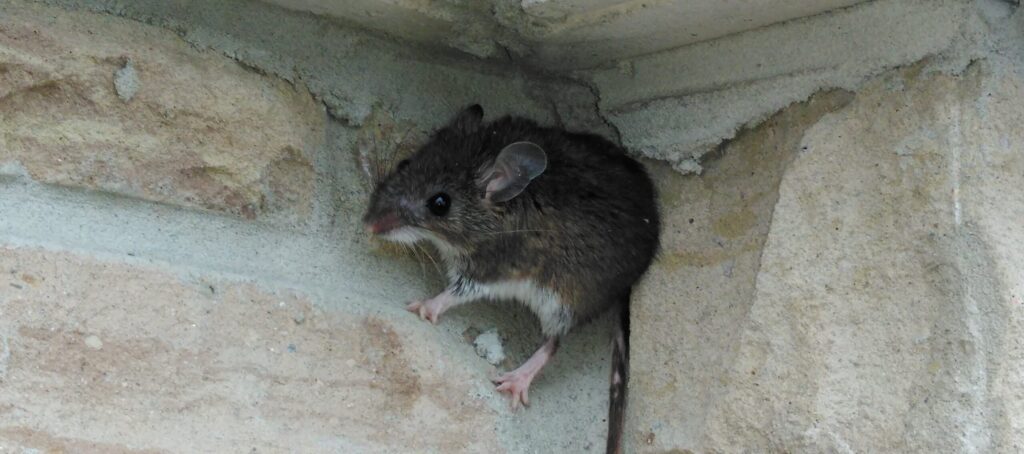
- Brick and stone surfaces with natural texture
- Vinyl or wood siding seams
- Utility lines and cables
- Downspouts and drainage pipes
- Fences and nearby structures
These features act like ladders, allowing mice to reach vents located several feet above ground level. Even smooth surfaces are not always a barrier, especially when weathering has created minor imperfections.
Once at vent height, mice rely on their sense of smell to locate warm air flow. A dryer vent releasing warm air is especially easy for them to detect, particularly during cooler months.
Why Dryer Vents Are So Appealing to Mice in Southwestern Ontario
Dryer vents provide an ideal combination of conditions that align perfectly with mouse survival instincts. As temperatures drop across Southwestern Ontario, mice become increasingly motivated to find indoor shelter.
From a mouse’s perspective, a dryer vent offers:
- Consistent warmth from indoor air
- Protection from predators like birds, cats, and foxes
- Direct access to wall cavities and insulation
- Quiet, dark nesting spaces
- Proximity to food sources within the home
Research shows that rodents actively seek indoor shelter when outdoor temperatures fall below approximately 10°C. In London, temperatures remain below this threshold for much of the year, making dryer vents attractive entry points not just in winter, but also in fall, early spring, and cool summer nights.
Once a mouse successfully enters through a vent, it may continue to use that access point repeatedly. In some cases, multiple mice will use the same vent over time, compounding the issue.
If you suspect mice have gotten into your home, don’t hesitate. Contact our professionals today!
Local Climate Reality in London, Ontario
This area experiences over 130 days per year with average temperatures below 10°C. These prolonged cool periods significantly increase rodent pressure on residential structures, especially homes with exposed or aging vents.
During these extended cooler seasons, mice are actively seeking warmth and shelter. Dryer vents that release warm air become highly visible targets, particularly in neighbourhoods with older housing stock or homes near green spaces.
This local climate pattern helps explain why mouse activity around vents is not limited to winter alone, but can occur throughout much of the year in this area and surrounding communities.
Common Mouse Species Found in London, Ontario Homes
Understanding which mouse species are most commonly involved helps explain why dryer vent entries are such a frequent problem in this area.
House Mouse (Mus musculus)
The house mouse is the most common species we encounter in residential homes. These mice thrive alongside humans and are highly adaptable to indoor environments.
House mice are small, usually grey or light brown, with large ears and long tails. Their small size allows them to exploit extremely narrow openings. They are agile climbers and are comfortable navigating vertical and horizontal surfaces alike.
Once inside a home, house mice tend to remain active year-round. They establish nests within walls, behind appliances, in basements, and in ceiling spaces. Dryer vent access allows them to enter these areas quickly and discreetly.
Deer Mouse (Peromyscus maniculatus)
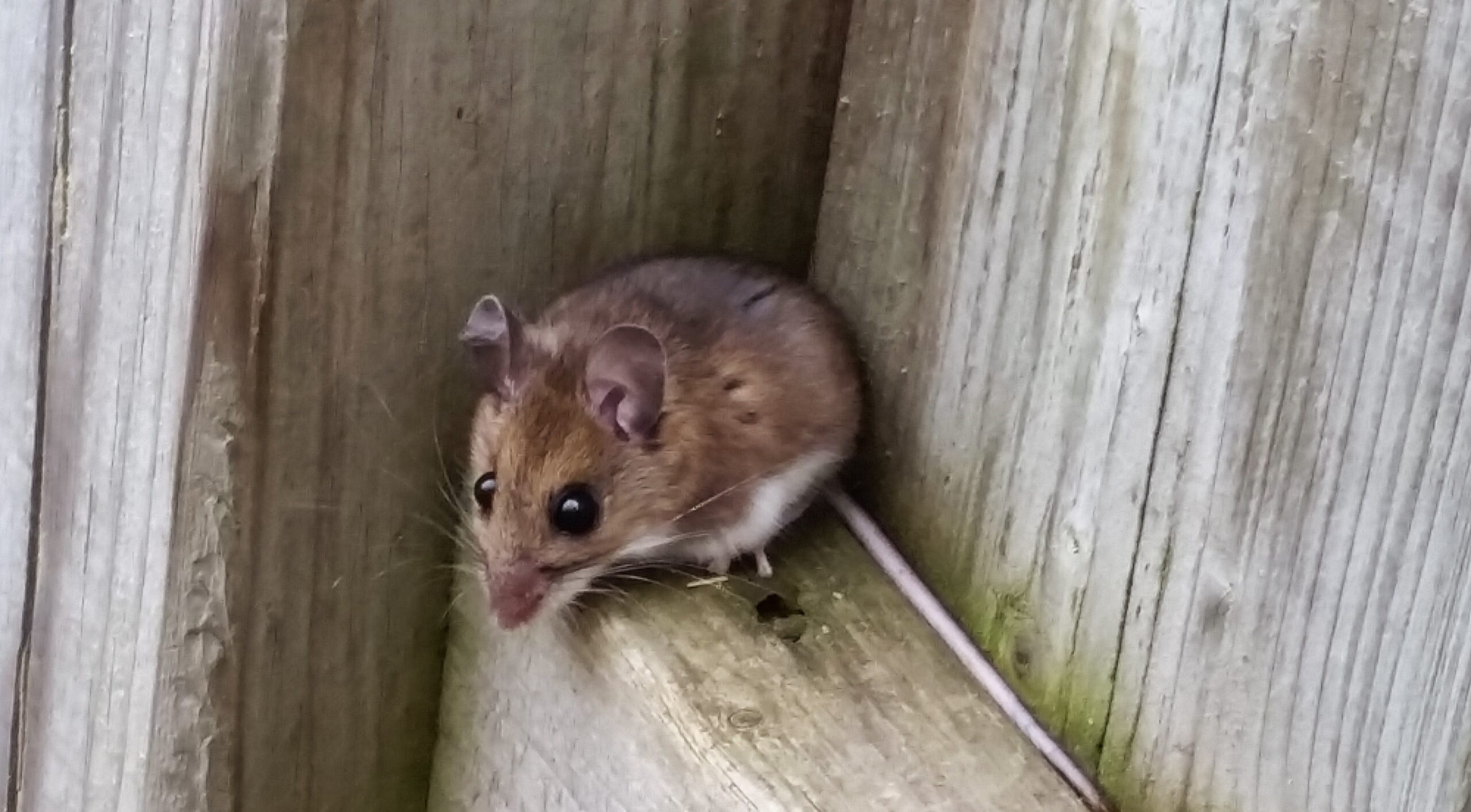
Deer mice are more common in areas surrounding London, including suburban neighbourhoods near parks, fields, ravines, and wooded areas. They are slightly larger than house mice and are identifiable by their white bellies and feet.
Deer mice are strong climbers and jumpers. While they may live outdoors for much of the year, they are highly motivated to enter homes during colder months. Dryer vents provide easy access, especially in homes near green spaces.
Both species are capable of squeezing through very small openings and using vents as reliable entry points.
Mice Entering Your Home Through Vents Is More Common Than Homeowners Expect
Many homeowners are surprised to learn how often mice enter homes through vents. Dryer vents are just one of several vent types found on a typical house, including:
- Bathroom exhaust vents
- Kitchen exhaust vents
- Furnace and intake vents
- Weeping vents along the foundation
From the outside, a home may appear well-sealed. However, each vent represents an intentional opening in the building envelope. Mice do not need to search extensively to find a vulnerable spot.
Because vents are spread across the exterior of the home, mice have multiple opportunities to gain access. Once an effective entry point is found, it can be used repeatedly, often without the homeowner noticing.
What Happens After a Mouse Enters Through a Dryer Vent
Once inside the vent duct, a mouse quickly transitions into the wall cavity or floor space connected to the vent. From there, the internal structure of the home becomes a network of protected pathways.
Mice use:
- Wall cavities
- Floor joists
- Ceiling spaces
- Basements
- Attics
These areas allow them to travel throughout the home without being seen. This hidden movement is one of the main reasons infestations can develop rapidly.
A mouse entering through a dryer vent may initially nest nearby, but it will often expand its range in search of food and nesting materials. Over time, activity may spread to kitchens, pantries, bedrooms, and other living spaces.
The Hidden Risks of Mice Inside Walls and Vents
Can mice in the attic cause house fires? Mice nesting in attics, vents and wall cavities pose serious risks that go far beyond simple inconvenience. Understanding these dangers is crucial for every homeowner.
Fire Hazards in Dryer Vents
Dryer vents are already associated with fire risk due to the natural accumulation of lint. When mice move in, they compound this danger by adding flammable nesting materials like insulation, fabric scraps, paper, and dried plant matter. This combination creates a dense blockage, severely restricting airflow.
With blocked airflow, your dryer is forced to work harder and can quickly overheat. This creates a perfect storm for a fire to ignite within the vent. In Canada, dryers are a leading cause of residential fires, and a vent blocked by a mouse nest is a significant and preventable contributor to this statistic.

Electrical Damage
Mice have teeth that grow continuously, forcing them to chew on hard materials to wear them down. Unfortunately, electrical wiring inside your walls provides an ideal target. Gnawed wires can cause a range of dangerous problems, including:
- Power Outages: Damaged circuits can lead to unexpected blackouts in parts of your home.
- Electrical Shorts: Exposed wires can short-circuit, potentially damaging appliances.
- House Fires: The most severe risk is an electrical fire, which can start silently within the walls and spread rapidly.
Signs of mice nesting in your circuit breaker box include chewed wires, droppings or nesting materials inside the panel, unusual burning smells, frequently tripped breakers, flickering lights, and scratching noises coming from walls near the electrical system. These are symptoms that should be taken seriously, and Skedaddle technicians should be contacted as soon as any appear.
Air Quality and Contamination
When mice live in your vent systems and wall cavities, their droppings and urine accumulate. As your HVAC system circulates air throughout the home, it can pick up microscopic particles from this waste.
This contamination spreads harmful bacteria, viruses, and allergens directly into your living spaces, compromising your indoor air quality. This can trigger allergies, worsen asthma, and pose a health risk to everyone in the household. These hidden dangers are why a mouse in a dryer vent is a serious safety concern, not just a nuisance and why Skedaddle professionals should be contacted immediately.
Why Mice in Dryer Vents Are a Recognized Safety Concern
The risks associated with a mouse in a dryer vent are not just anecdotal. Canadian and international safety agencies have consistently identified rodents as contributors to residential hazards, particularly when they nest inside walls, vents, and utility systems.
According to the Government of Canada, rodents are a known contributor to residential fire risk due to their nesting behaviour and tendency to chew electrical wiring. At the same time, dryer-related fires are identified as one of the leading causes of preventable house fires nationwide. When mice introduce nesting materials into dryer vents, these two risk factors intersect in a way that significantly increases danger to the home.
Public health agencies have also documented the health risks associated with rodent activity indoors. Health Canada, along with the Centers for Disease Control and Prevention (CDC), has outlined how airborne particles from rodent droppings and urine can pose health concerns, particularly in enclosed or ventilated spaces. When mice are active inside dryer vents or wall cavities, contaminated dust can be disturbed and circulated through the home during normal appliance use.
From a building science perspective, organizations such as the Canadian Mortgage and Housing Corporation (CMHC) emphasize the importance of maintaining a secure building envelope. Dryer vents and exhaust openings are intentional penetrations in that envelope, and when compromised, they can allow pests, moisture, and contaminants to enter areas not designed for exposure.
These findings reinforce why mice entering homes through vents should be treated as a serious safety issue, not just a nuisance. What happens inside a vent or wall cavity can have consequences that affect fire safety, indoor air quality, and overall home health.
Health Risks and Diseases Associated with Mice in the Home
Beyond property damage and fire hazards, a mouse in the dryer vent situation also raises important health concerns for homeowners. Mice are known carriers of several diseases that can affect humans, and when they enter a home through vents and wall cavities, the risk of exposure increases significantly.
Mice do not need to be seen for health risks to be present. Droppings, urine, nesting materials, and contaminated dust can accumulate inside dryer vents, wall spaces, basements, and ceilings. When air moves through these spaces—especially through ventilation systems—particles can be disturbed and spread into living areas.
Some of the most commonly associated mouse-related health concerns include:
Hantavirus
Hantavirus is one of the most well-known diseases associated with mice, particularly deer mice, which are found throughout Southwestern Ontario. The virus is primarily spread through contact with mouse urine, droppings, or saliva. When these materials dry out, particles can become airborne and inhaled.
In homes where mice have been active inside walls or vents, cleaning or disturbing contaminated areas without proper precautions can increase the risk of exposure. Dryer vents are especially concerning because airflow can circulate contaminated dust.
Hantavirus symptoms from cleaning mouse droppings include fever, fatigue, muscle aches, headaches, dizziness, nausea, shortness of breath, and, in severe cases, serious respiratory distress requiring hospitalization.
Salmonella
Salmonella bacteria are commonly carried by mice and can contaminate surfaces and food areas. Mice moving through wall cavities often travel between kitchens, pantries, and utility spaces, spreading bacteria along the way.
Droppings or urine near food storage areas, behind appliances, or within cabinets can pose a risk even if mice are rarely seen.
Leptospirosis
Leptospirosis is another bacterial disease associated with rodents. It is spread through contact with urine-contaminated surfaces or materials. In homes where mice have nested inside walls or near vents, contamination can occur in areas that homeowners do not regularly access or clean.
Allergens and Respiratory Irritation
Even when infectious diseases are not present, mouse droppings, urine, and nesting debris can trigger allergic reactions and respiratory irritation. This is particularly concerning for children, seniors, and individuals with asthma or compromised immune systems.
When mice are active inside dryer vents or wall cavities, allergens can be introduced into the home’s air system, affecting overall indoor air quality.
Don’t put your family’s health at risk, contact Skedaddle Humane Wildlife Control in London today!
What Our Technicians Commonly Find During Inspections
At Skedaddle Humane Wildlife Control, our technicians regularly uncover extensive evidence of mouse activity hidden behind walls and inside vents.
Because these areas are rarely inspected by homeowners, activity can continue unnoticed for long periods. During inspections, we often find:
- Droppings inside vent ducts
- Seeds and food debris cached in wall cavities
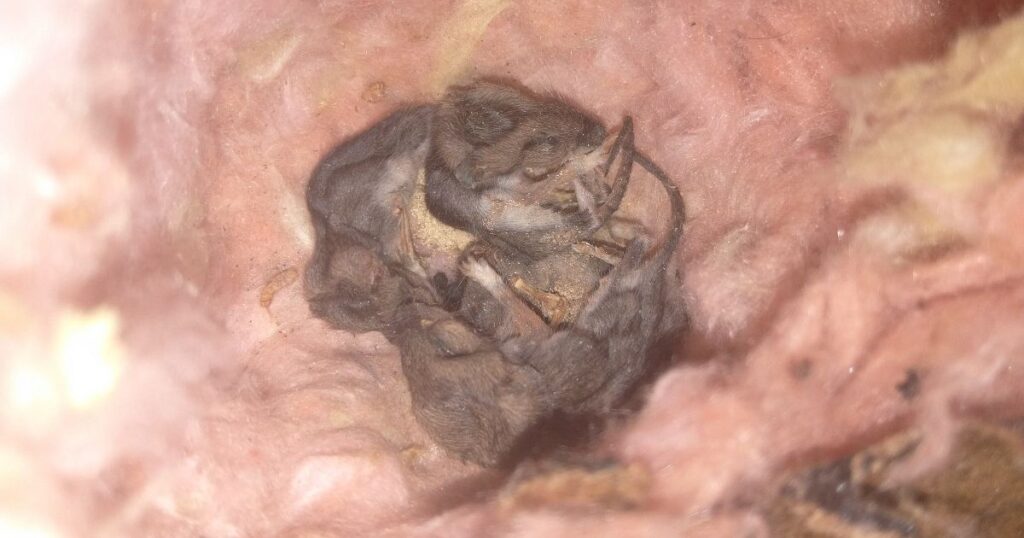
- Nesting materials packed into vents
- Chew marks on vent covers and ducting
- Damage to surrounding insulation
- Hidden structural damage caused by rodents
One of our technicians, Reubin, recently described what he found during a vent inspection:
“If we go down a little ways, this specific weeping vent is full of feces, full of seeds.”
Findings like this indicate repeated use of the vent as part of the mouse’s daily routine. The presence of seeds suggests food caching, while droppings confirm long-term activity.
A Realistic Look at a Dryer Vent Job in London, Ontario
A typical dryer vent-related mouse job begins with a detailed exterior and interior inspection. Our technicians examine the vent itself, surrounding siding or masonry, and the interior spaces connected to the vent.
During one recent job, the dryer vent appeared intact from ground level. However, closer inspection revealed subtle damage to the vent flap and gaps around the vent collar. Inside the wall cavity, signs of mouse activity extended well beyond the vent area.
The job involved identifying all access points, tracing mouse movement through the home, and assessing contamination and safety risks. This process is essential because addressing only the visible issue rarely resolves the problem fully.
Why Homeowners Rarely Identify the Issue Early
Mice are nocturnal and extremely cautious. They prefer to travel through enclosed spaces where they feel protected. Because of this, visible sightings often occur late in the process.
Early warning signs may include:
- Reduced dryer efficiency
- Unusual odours near vents
- Scratching or rustling sounds at night
- Small debris near exterior openings
Even when these signs are noticed, homeowners may not associate them with a dryer vent. As a result, mice entering the home through vents can remain undetected for weeks or even months.
Why DIY Dryer Vent Fixes Can Make the Problem Worse
When homeowners discover or suspect a mouse in a dryer vent, it is common to look for quick fixes. Unfortunately, well-intentioned DIY efforts can often increase risk rather than reduce it, particularly when fire safety and contamination are involved.
Some of the most common mistakes we see include:
Installing Improper Mesh or Screens
Generic mesh coverings are often installed with the intention of keeping mice out. However, many of these materials are not designed for dryer vents. They can trap lint, restrict airflow, and create conditions where heat builds up inside the duct. This significantly increases the risk of dryer fires.
Accidentally Blocking the Vent
Vents must allow unrestricted airflow to function safely. DIY covers, makeshift caps, or poorly fitted components can partially or fully block airflow. Even a small reduction in ventilation efficiency can cause dryers to overheat.
Using Expanding Foam Inside Vent Cavities
Expanding foam is sometimes used around vents or inside wall openings in an attempt to seal gaps. Inside vent cavities, this can interfere with airflow, trap moisture, and create hidden fire hazards. It can also make professional inspection and proper sealing more difficult later on.
Using Poison Near Vent Systems
Poison use near dryer vents or wall cavities creates additional risks. Mice may die inside vents or walls, leading to odours and secondary contamination. There is also the risk of toxins spreading through air movement or affecting non-target animals.
These approaches may seem like quick solutions, but they often fail to address how mice are entering the home and how they are moving through it. In many cases, they make the situation more dangerous by increasing fire and health risks.
Our Approach to Mouse Removal
When it comes to mouse removal, our focus is on understanding the full scope of the issue. Every home is different, and every mouse situation involves unique factors that require a customized plan.
Our comprehensive approach includes:
- Thorough inspection of all vents and exterior openings: We don’t just look at the dryer vent; we examine every potential gap, from the roofline to the foundation, to ensure no entry point is missed.
- Identification of internal travel routes: Mice often use wall voids and insulation as highways. We track these paths to locate nesting sites and high-activity zones.
- Assessment of contamination and damage: Rodents can quickly destroy insulation and chew through electrical wiring. We evaluate the extent of the damage to ensure your home remains safe.
- Detailed sanitization protocols: Beyond removal, we address the pheromones and droppings left behind, which can attract future pests and impact air quality.
- Securing vulnerable areas to prevent re-entry: We use high-quality, pest-proof materials to seal openings, ensuring that once the mice are gone, they stay out for good.
By addressing both the visible entry points and the hidden internal pathways, we ensure the issue is resolved at its source rather than just managing the symptoms. Our goal is to provide a long-term solution that protects your property and your family’s health.
Why Professional Expertise Is Essential
Homes are complex structures, and mice are incredibly adaptable. Dealing with a mouse in a dryer vent requires more than just a quick fix; it demands a deep understanding of rodent behaviour, residential building construction, and critical safety protocols.
Mice are notorious for reproducing rapidly. Without professional intervention, a minor nesting issue can escalate into a full-blown infestation in a very short period. This rapid growth makes it difficult for homeowners to keep up using DIY methods alone.
Our team at Skedaddle brings specialized training and years of experience to every job. We know exactly where to look for the hidden risks that are often overlooked, such as compromised insulation or secondary entry points within the wall cavity.
By hiring experts, you ensure that the removal process is humane and that your home is structurally reinforced. We focus on long-term prevention, protecting your property from repeat activity and the health risks associated with rodent droppings.
Long-Term Protection for London Homes
Preventing future mouse infestations requires a strategy that goes beyond just one entry point or an isolated sign of activity. A holistic approach is essential because mice can exploit numerous vulnerabilities in a home’s structure. Our team conducts a comprehensive assessment to identify and address every potential access point, no matter how small.
We look for gaps in the foundation, openings around pipes and utility lines, and compromised roof vents. This thorough inspection ensures that all entryways are sealed, preventing mice from finding a new way in.
This professional support gives homeowners confidence and peace of mind. You can rest easy knowing your home is fortified against the hidden risks and recurring frustrations that come with rodent infestations. We focus on durable, long-term solutions, not just quick fixes.
Frequently Asked Questions About Mice and Dryer Vents
Can mice climb vertical walls to reach dryer vents?
Yes. Mice are extremely capable climbers and can scale many vertical surfaces commonly found on homes. Brick, stone, textured siding, utility lines, downspouts, and even minor imperfections in exterior materials provide enough grip for mice to climb several feet off the ground.
Because dryer vents release warm air, they are easy for mice to detect once they reach vent height. A vent does not need to be close to the ground to be vulnerable, and elevation alone does not prevent access.
Can a dryer vent cause a house fire if blocked by mice?
A dryer vent itself does not cause a fire, but a vent that becomes blocked by lint and mouse nesting materials significantly increases fire risk. When airflow is restricted, dryers can overheat, which is a leading factor in dryer-related house fires.
Mice often bring insulation, fabric, paper, and other combustible materials into vent systems. Combined with lint buildup, this creates conditions where heat cannot dissipate properly, increasing the likelihood of a preventable fire.
How do I know if mice are in my vent system?
Mice in vent systems are often difficult to detect early because most of the activity happens out of sight. Some common warning signs include reduced dryer efficiency, unusual odours near vent openings, scratching or rustling sounds in walls, and small amounts of debris near exterior vents.
In many cases, homeowners do not notice clear signs until the issue has progressed. A professional inspection is the most reliable way to determine whether mice are using vents as entry points or travel routes inside the home.
Are dryer vent covers enough to keep mice out?
Standard dryer vent covers are designed to allow airflow, not to prevent wildlife entry. Over time, weather exposure can cause vent covers to warp, crack, or loosen, making them vulnerable even if they appear intact.
Mice can push past weak flaps, squeeze through small gaps, or exploit deterioration around the vent opening. While vent covers are an important component of a home’s exterior, they are not always sufficient on their own to prevent mouse entry.
Is it safe to clean a mouse-contaminated dryer vent myself?
Cleaning a dryer vent that has been contaminated by mice carries health and safety risks. Rodent droppings and urine can contain bacteria and viruses, and disturbing contaminated material can release airborne particles into enclosed spaces.
There is also the risk of accidentally blocking airflow or damaging vent components during cleaning, which can increase fire risk. Because contamination and damage are often hidden inside walls or ducts, professional assessment is strongly recommended to ensure the issue is addressed safely and thoroughly.
Protect Your Home from Mice with Skedaddle Humane Wildlife Control
A dryer vent may seem like a minor feature, but it can quickly become a serious issue when mice take advantage of it. From climbing exterior walls to travelling unseen through vents and wall cavities, mice are persistent and resourceful.
At Skedaddle Humane Wildlife Control, we understand how these situations develop and how to resolve them safely and effectively. By identifying access points, addressing hidden damage, and securing the home, we help homeowners protect their property from the risks associated with mouse activity—now and in the future.
If you are concerned about mice entering your home through vents or suspect activity behind your walls, our mouse removal services in London, Ontario, are designed to provide long-term peace of mind and lasting protection for your home.

 Loading...