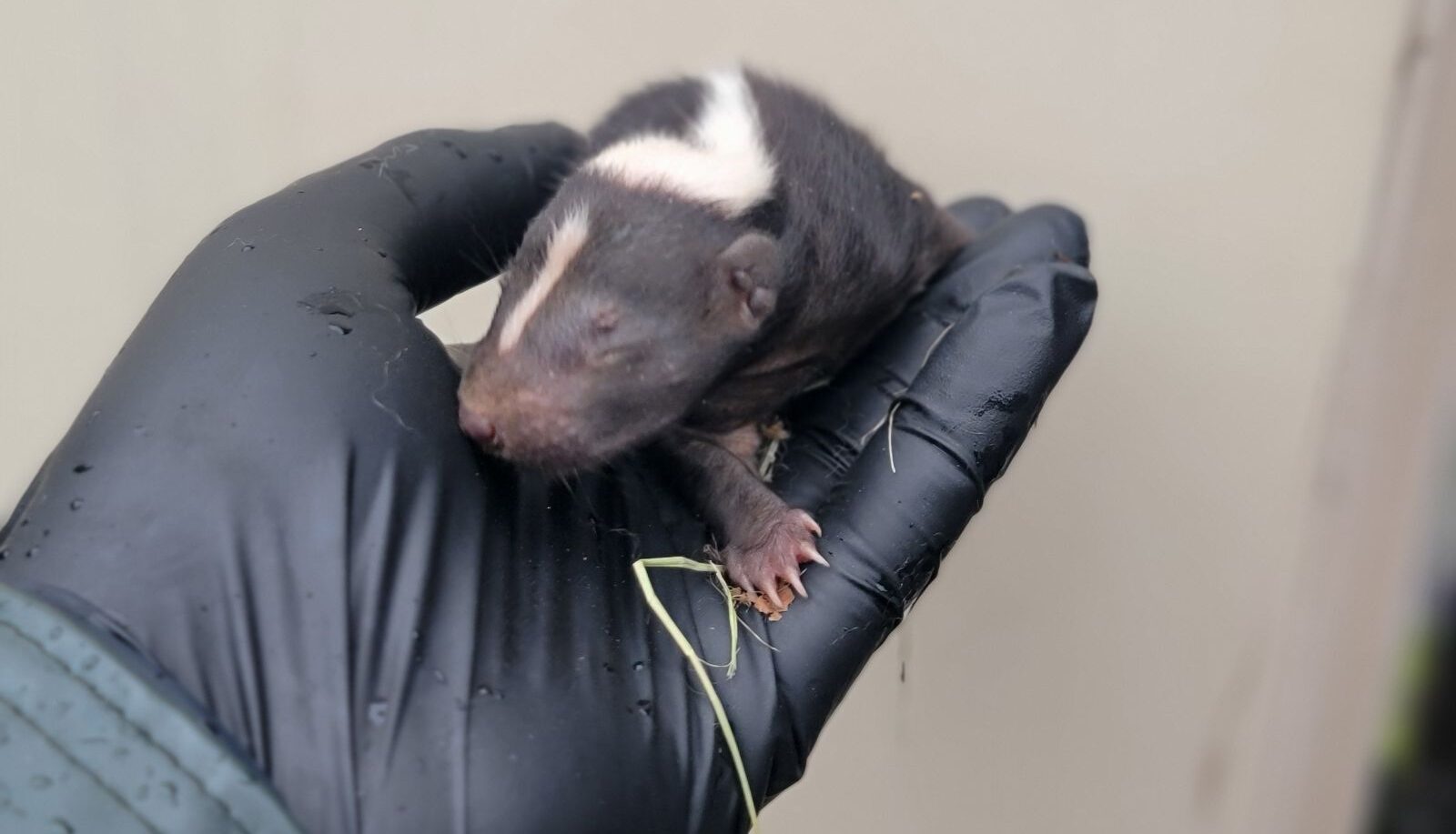
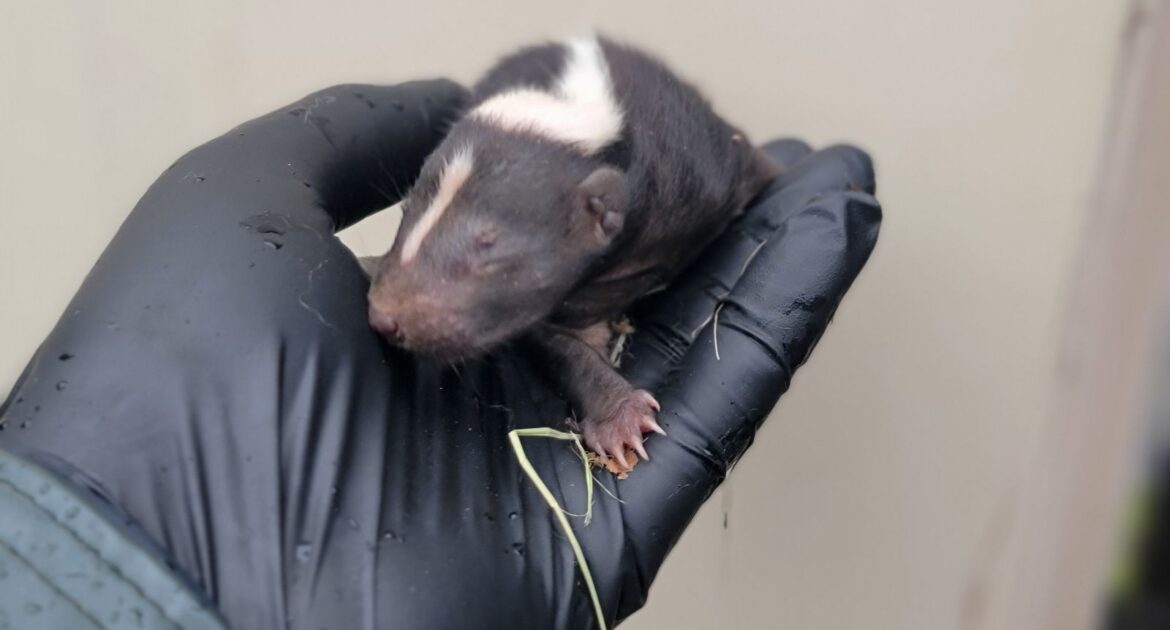
Spring brings warmer temperatures, blooming flowers, and longer days—perfect for enjoying your yard. But it also brings a surge in wildlife activity. Among the most noticeable and sometimes problematic are skunks. Many homeowners ask us at Skedaddle Humane Wildlife Control in Anoka why skunks seem more active in spring than in fall. The truth is, skunk activity in spring increases for natural, biological, and environmental reasons, and understanding them is key to protecting your property.
At Skedaddle, we work closely with homeowners to prevent skunk problems in spring safely and humanely. Our approach focuses on assessing properties, identifying potential attractants, and offering professional guidance to keep both homes and wildlife safe. In this blog, we’ll dive into why spring is the peak season for skunks, what behaviors to watch for, and how proactive measures can help maintain your yard, garden, and home.
Skunks Emerge from Winter Dormancy
During the cold winter months, skunks remain largely inactive. As temperatures rise, they gradually emerge from their winter shelters. This increased movement is the first sign homeowners notice when spring arrives.
Skunks begin searching for food, exploring their surroundings, and establishing territory. These behaviors make spring the season when skunk activity in spring is most visible.
Some facts about early spring movement:
- Skunks increase outdoor activity by approximately 50% in March and April compared to winter months.
- Homeowners often notice freshly dug soil, overturned mulch, or tracks in lawns as the first indicators of activity.
- Skunks’ search for food and shelter can bring them closer to homes than during the fall, increasing the likelihood of property disturbances.
This emergence is natural and not aggressive, but it does mark the start of more frequent encounters with human spaces.
Mating Season Drives Increased Movement
A major reason skunks are more noticeable in spring is skunk mating season. Typically occurring from February to April, this season triggers heightened activity, particularly among males.
During mating season:
- Male skunks travel longer distances in search of mates.
- Skunks may explore new areas, including yards, gardens, and near homes.
- Territorial behavior increases, sometimes resulting in digging or scent marking near human structures.
Statistics indicate that skunk encounters reported to wildlife control services increase by 30–40% during mating season. For homeowners, this means the likelihood of noticing skunk activity in spring is much higher than in the quieter fall months.
Searching for Food Leads to Yard Disturbances
After winter, skunks are hungry and actively forage for insects, grubs, and vegetation. Your yard is an attractive food source, and their digging can be more noticeable due to soft spring soil.
Common signs of skunk activity in spring include:
- Small holes dug in lawns while searching for grubs
- Disturbed garden beds or flower pots
- Scattered mulch or compost
- Access to pet food or garbage bins that aren’t fully secured
Studies show that lawns in North America can experience up to 20% more soil disturbance in spring due to foraging animals. Even seemingly minor disruptions can be concerning for homeowners preparing their yards for summer.
Preparing Dens for Offspring
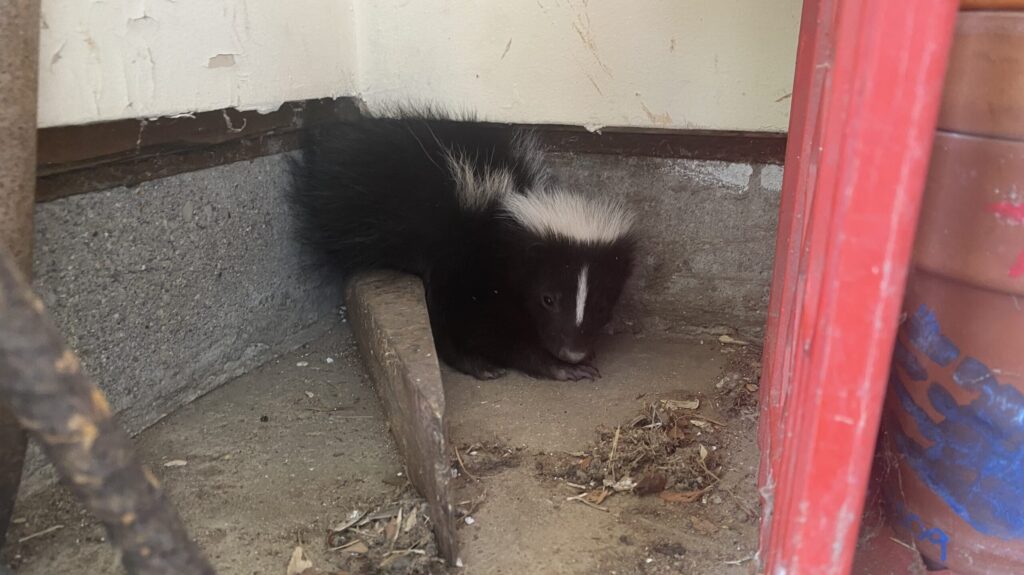
Female skunks use early spring to locate and prepare dens for birthing kits, typically 4–7 young. These dens are often placed in sheltered, quiet areas near homes:
- Under decks or porches
- Inside woodpiles or storage sheds
- Near crawl spaces or foundation edges
The process of preparing these dens increases digging and movement, which homeowners often notice. While this activity is protective rather than aggressive, it can cause minor property disturbances.
Interestingly, early spring is the only time of year when females are preparing dens, making spring activity especially noticeable. By the fall, dens are already established, and skunks are more focused on survival than property exploration.
Rain and Weather Patterns Make Activity More Noticeable
Spring weather further amplifies skunk activity. Soft, wet soil from rain makes digging easier and exposes tracks, droppings, and burrow entrances. Warm temperatures also encourage longer daily activity periods.
Weather-related factors include:
- Moist soil provides easier access to insects and grubs, key food sources for skunks
- Rain can reveal signs of activity that were previously hidden under snow or frost
- Warm, sunny days extend the time skunks spend foraging and exploring
These conditions explain why skunk activity in spring is more visible and more disruptive compared to fall, when weather begins cooling, and food is less abundant.
Fall Activity Is Less Intense
In contrast, skunks are less active in the fall. Their focus shifts toward building fat reserves for winter hibernation. Movement decreases, and they are less likely to disturb yards or properties.
Homeowners may still notice some activity in the fall, but it is generally minimal. Fewer signs of digging, fewer tracks, and less interaction with human spaces mean that spring is the critical season for observing and managing skunk activity in your yard.

How We Help Homeowners During Skunk Season
At Skedaddle Humane Wildlife Control, we provide professional, humane solutions for managing skunk problems in spring. Our approach is focused on prevention, assessment, and ongoing protection rather than removal.
We help homeowners by:
- Conducting thorough property assessments to identify potential attractants or entry points
- Recommending ways to secure yards, gardens, and structures
- Monitoring areas of known activity to prevent disturbances
- Offering guidance on maintaining natural barriers that discourage skunks
Our professional strategies ensure skunks remain safe while your property is protected. Homeowners gain peace of mind knowing their yard is secure and skunks are not harmed.
The Importance of Early Spring Prevention
Spring is the best time to address skunk-related concerns. Proactive prevention helps reduce property damage and limits potential conflicts before kits are born and skunk activity peaks.
Benefits of early prevention include:
- Reduced lawn and garden damage
- Minimized risk of structural disturbances around sheds, decks, or foundations
- Fewer encounters with wildlife around human spaces
- A cleaner, safer yard for family activities
Our experience shows that properties prepared for spring skunk activity remain problem-free throughout the season and into summer.
Protecting Your Property While Respecting Wildlife
Skunks are an important part of the ecosystem, helping control insects and other small animals naturally. However, skunk problems in spring can be disruptive if not managed proactively.
By understanding skunk activity in spring and working with professionals, homeowners can:
- Protect lawns, gardens, and property structures
- Minimize disturbances caused by foraging or den preparation
- Maintain a safe and humane environment for both people and wildlife
At Skedaddle Humane Wildlife Control in Anoka, we combine expert knowledge with humane strategies to ensure skunks are managed safely while property damage is minimized. This approach benefits both homeowners and wildlife alike.
Spring Awareness Is Key
Skunk activity in spring is higher than in fall due to emergence from winter dormancy, skunk mating season, food foraging, and den preparation. Rainy weather further highlights their movements, making early spring the peak period for potential conflicts.
At Skedaddle, we focus on humane prevention and professional assessment to protect homes while keeping wildlife safe. By taking action early in the season, homeowners can maintain beautiful lawns and gardens, prevent structural damage, and enjoy peace of mind knowing skunks are being managed ethically.
Spring is the perfect time to ensure your property is secure and prepared. Contact Skedaddle Humane Wildlife Control in Anoka to schedule a professional assessment and learn how to minimize skunk activity in spring effectively and humanely.

 Loading...