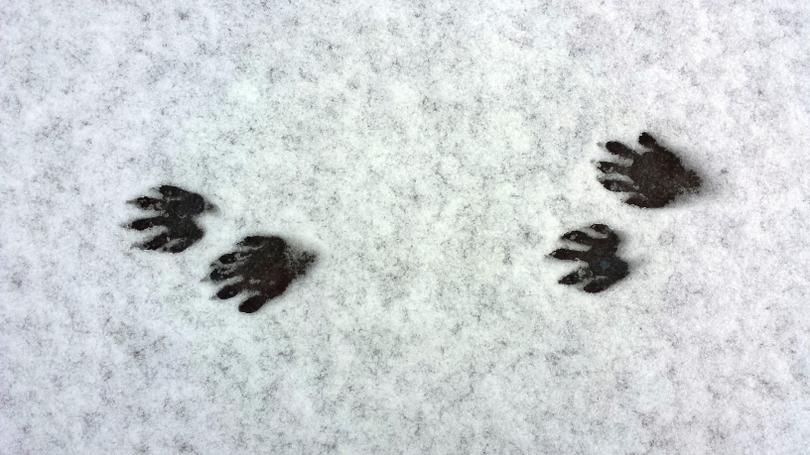
Raccoon tracks in snow are more than just curious marks left behind—they’re clues about winter activity around your Arvada property. As scenic as the views are during the Colorado winter, homes and businesses near Denver often become hotspots for raccoon movement right under our noses.
Spotting and understanding raccoon trails isn’t just about animal watching; paying close attention can help protect your property and avoid costly repairs. Identifying these signs in the snow can be the first line of defense in preventing critters from turning attics, chimneys, or sheds into their winter homes.
Let’s explore in detail how to spot tracks in snow, what these signs reveal about behavior, and how temperature and snow depth shape their winter routines. We’ll also share how we support residents with tailored prevention and removal strategies—before winter guests overstay their welcome.
Identifying Raccoon Tracks and Signs in Snowy Conditions
Recognizing tracks in snow is a valuable skill for any homeowner or business owner—especially in Arvada, where open yards and woodlots meet busy residential streets. Since raccoons are especially active at night and in the early morning, snow cover often records their secret journeys.
What Do Raccoon Tracks Look Like in the Snow?
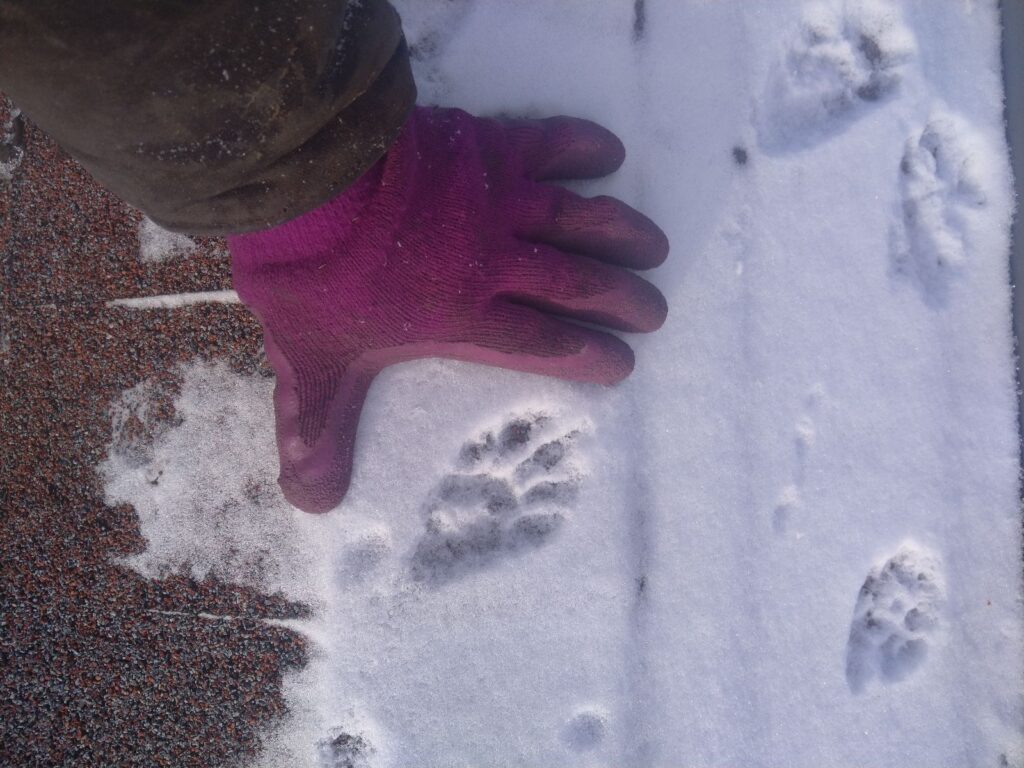
Raccoon tracks are distinct and easy to recognize with a little practice:
- Five long, finger-like toes on each foot (resembling a small human hand)
- Front footprints about 2–3 inches long; rear prints slightly larger
- Claw marks usually visible, especially in firm snow
- Fore and hind tracks often appear side by side, as raccoons move with a shuffling gait
If you look closely, you’ll often spot a “thumbprint” in the snow—a helpful indicator when comparing tracks to those left by other wildlife, such as squirrels or domestic pets.
Other Raccoon Property Signs
Tracks are just one of many clues. You might also notice torn open or tipped-over garbage cans, disturbed compost bins or pet food containers, small holes in the lawn from foraging, droppings left along popular travel routes, and smudge marks on walls or fences where oily fur brushes by. Noticing several signs together—especially within a short timeframe—strongly suggests raccoon presence. Once you see these clues, it’s wise to pay extra attention to potential entry points like soffits, roof vents, or crawl spaces before these animals decide to settle in for the season.
Our technicians regularly help residents assess and secure their properties based on these winter signs, preventing issues before they escalate.
Understanding Winter Raccoon Activity
Raccoons do not hibernate in winter. Instead, they enter a state called torpor, during which their activity slows but doesn’t stop altogether. This unique survival tactic means that homeowners might see sudden bursts of raccoon activity even during the coldest months.
How Do Raccoons Adapt Their Behavior in Winter?
Raccoons change their routines based on seasonal cues. They seek dens in warm, dry places such as attics, sheds, and chimneys. They limit their movement on extremely cold or stormy nights, preferring to remain sheltered. During milder periods, they may venture out to forage for leftover food, compost, or birdseed. In deep snow, raccoons often use the same paths repeatedly, creating visible “runways” along fences or property lines. This adaptable behavior is why you may see a sudden increase in tracks in snow following a few warmer days—a sign they’ve left their dens to refuel.
Typical Den Sites and Entry Points
While woods provide natural den sites, urban raccoons often move into attics with loose shingles or damaged insulation, crawl spaces with weak or open vent covers, chimneys left unprotected by caps, and sheds or garages with damaged doors or siding. Our experience shows that raccoons can squeeze through openings barely wider than a fist, expanding them quickly with their nimble paws. That’s why our thorough assessments are so crucial for long-term prevention.
Now that we’ve covered winter activity and how to spot property signs, let’s look at how environmental conditions shape raccoon movements.
How Snow Depth and Temperature Influence Raccoon Movement
Weather factors like snow depth and temperature play a huge part in winter behavior. Understanding these influences not only explains why activity levels might spike or drop but also helps homeowners time property checks for optimal results.
Hidden Insights on Raccoon Winter Behavior
Research and on-the-ground experience reveal raccoons are smart about conserving energy during harsh winters. They adapt by reducing overall distance traveled in heavy snow to save energy, following packed-down trails created during previous outings, making movement easier and minimizing heat loss, and waiting out the coldest nights, often venturing out only after temperatures rise above freezing. These habits create tell-tale signs such as multiple sets of tracks following the same route in the snow, patterns leading directly between hiding spots and food sources (like dumpsters or compost bins), and evidence of raccoons trying to burrow under snow drifts to reach shelters or access points. Because Arvada winters can fluctuate wildly—warm chinooks one day, deep freezes the next—these patterns change quickly. Spotting and interpreting fresh tracks soon after a snow can reveal recent visitors.
Practical Considerations for Property Owners
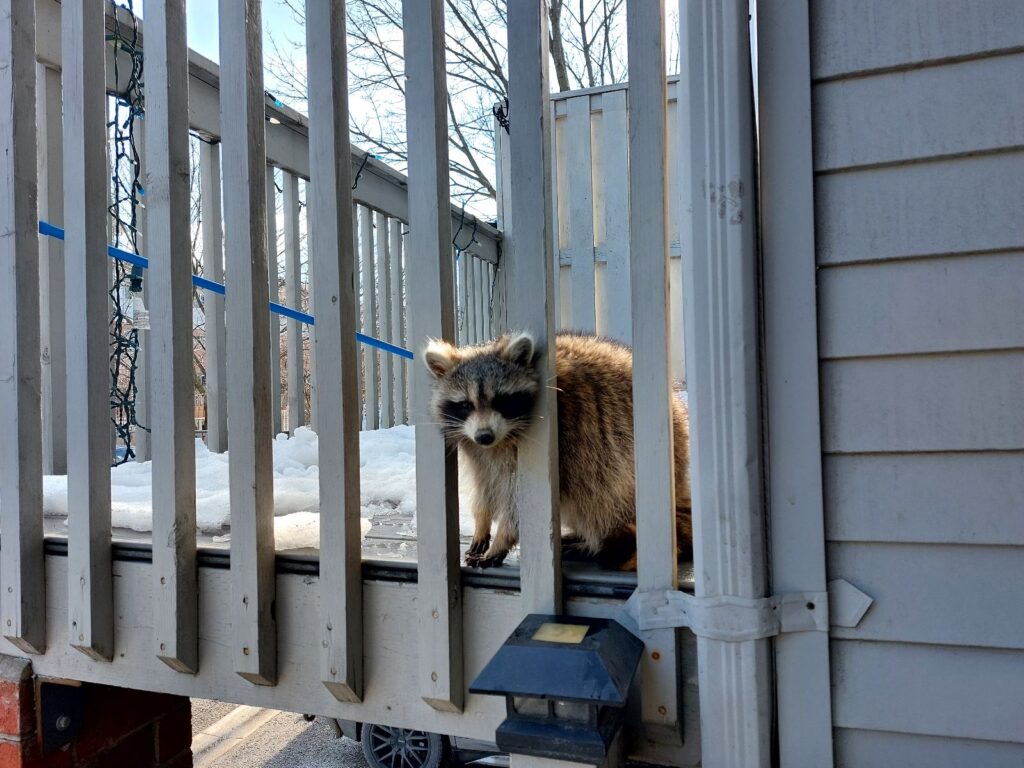
Property owners and neighboring Denver communities can use these insights to stay one step ahead of wildlife intrusions. It’s essential to monitor the perimeter of buildings soon after new snowfalls, pay attention to repeated tracks near one area—this often points to a potential entry point, and double-check roof vents, soffits, and eaves after melting periods, as repeated freeze/thaw cycles can weaken defenses. These routines make it much easier to identify problems early, before raccoons have a chance to settle in.
Skedaddle’s Approach: Humane, Permanent Raccoon Removal and Prevention
Spotting tracks in snow around your property is only the first step. Ensuring those tracks don’t lead indoors requires a comprehensive, humane solution designed for Colorado’s unique conditions.
How We Assess and Secure Your Property
At Skedaddle, our removal service begins with a detailed assessment that pinpoints exactly where raccoons are active and how they might get inside. We thoroughly inspect attics, roofs, and outbuildings for entry points and signs of damage. Our technicians catalogue all property signs, including tracks, droppings, and fur smudges. We use specialized tools—sometimes including thermal imaging—to detect hidden dens and baby animals. Once raccoons are located, our team safely and humanely removes any animals or babies present. All contaminated insulation and materials are removed and replaced as needed. We finish by sealing entry points using durable screens and repair techniques proven to withstand even the most determined raccoon.
Benefits of Professional Raccoon Control in Winter
Investing in our support means:
- Peace of mind knowing every possible entryway is found and secured.
- Reduced risk of property damage, electrical issues, or harmful contamination.
- No exposure to dangerous diseases that raccoons may carry, such as baylisascaris or rabies.
- Effective solutions designed for seasonal changes—our strategies adapt as winter transitions to spring.
With 30 years of expertise and local knowledge, we help you keep your home as secure as possible, ready to withstand what winter wildlife brings.
Key Takeaways: Protecting Your Property from Raccoons This Winter
Staying alert to changes around your property during the snowy months will give you a head start on protecting your investment. Here’s what you should keep in mind.
- Tracks in snow: Raccoon footprints look hand-shaped with five fingers and visible claws.
- Winter foraging: Raccoons actively search for food around homes and businesses.
- Multiple signs indicate higher risk: A combination of tracks, droppings, and damage signal increased activity.
- Environmental impact: Snow depth and temperature affect raccoon movement and trail locations.
- Professional prevention: A property assessment and exclusion can stop small issues from becoming major repairs.
- Timely action: Understanding these patterns helps Denver homeowners enjoy winter safely and worry-free.
With a proactive mindset and support from our expert team, your property stays safe and peaceful—all winter long. Ready to respond to every raccoon challenge, we’re committed to helping our neighbors safeguard their homes in every season.
Stay One Step Ahead of Winter Raccoon Intruders
Spotting raccoon tracks in the snow is more than a winter curiosity—it’s a vital warning that these clever visitors might be scoping out your Arvada property for a cozy seasonal den. Understanding what these tracks mean, recognizing other telltale signs of activity, and knowing how raccoons adapt to changing snow and temperature gives you the upper hand against unwanted guests. Acting at the first sign of presence helps prevent expensive damage and reduces exposure to health risks that can linger long after the snow melts.
Don’t let your home become a sanctuary for overwintering wildlife. Trust Skedaddle’s seasoned team to identify every potential entry point, humanely remove all wildlife (babies included), and fortify your property with proven exclusion solutions. Reach out today so you can enjoy the beauty of Colorado’s winter with peace of mind—your property safe, raccoon-free, and prepared for whatever nature brings next.

 Loading...







