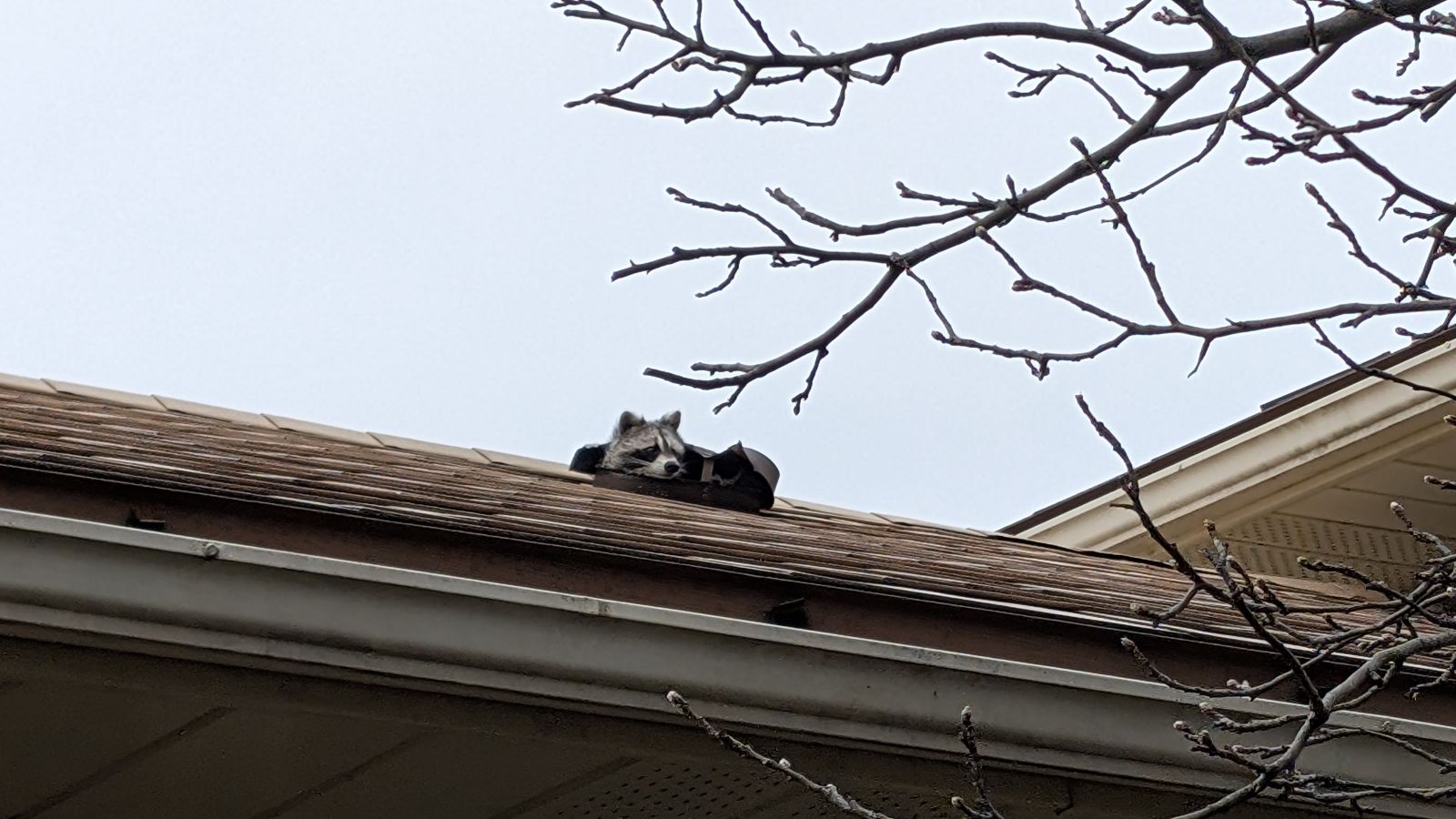
You want a clear answer right away: yes, science shows that raccoons remember your house. Research on raccoon memory and behavior confirms they have strong long-term memory. If they find food or shelter at your home, they can remember that location for years. That is why many homeowners ask:
- Do raccoons remember houses?
- Do raccoons come back after removal?
You may notice an animal returning to your attic, deck, or garbage area again and again. That is not random. Studies show raccoons can remember successful food spots and safe dens for up to three years or more. When you understand raccoon memory and behavior, you see why they return to places that worked before.
In this blog, we will break down whether raccoons remember your house, what science says, and explain why these animals come back. You will also see why professional removal matters. If you live in Maryland and have dealt with this issue, Skedaddle Humane Wildlife Control is here to help.
Do Raccoons Remember Houses?
Yes, they do. Science confirms that raccoons remember houses where they found food, warmth, or shelter. Their brains are wired to store this information for long periods of time. This strong memory helps them survive in busy neighbourhoods.
You might think they just wander, but that is not how raccoon memory and behavior works. They rely on memory to survive. When they solve a problem once, they remember the steps and use them again later. This means they can repeat the same actions months or even years after the first visit.
That is why many homeowners ask us, do raccoons come back after removal? If entry points are not sealed properly, the animal may return because it remembers your house as a safe place. Even if time passes, that memory can guide it right back to the same spot.
Exceptional Long-Term Memory
You may be surprised by how smart raccoons are. Studies going back over 100 years show that raccoons can remember solutions to tasks for several years. Researchers have tested their memory using simple puzzles and food rewards. The results show that raccoons do not forget easily. Their strong memory helps them survive in both forests and busy cities.
Here is what the science shows about their long-term memory:
- Three-Year Retention: They can remember food locations and den sites for over three years. This means if they once found shelter in your attic, that memory can last a long time. Even after seasons change, they may still recall the exact house. Their brain stores that location as a safe and useful place.
- Problem Recall: If they figure out how to open a lid or enter a roof vent, they remember the exact steps. They do not need to relearn the process each time. Their paws are very sensitive, almost like hands, which helps them repeat the same motions. Once they succeed, they can quickly do it again.
- Trial and Error Learning: Once they learn what works, they repeat it with confidence. They test different ways to reach food or shelter. When something works, they stick with that method. This makes them very persistent around homes.
- Failure Memory: They also remember failed attempts and adjust their strategy next time. If one entry point does not work, they may try another nearby. They do not simply give up after one mistake. Instead, they change their approach and keep trying.
You can see why this matters. If an animal once entered your attic successfully, it may try the same spot again months or even years later.

Recognition of Faces and Places
You may wonder if raccoons recognize you. Research suggests they can recognize human faces and remember interactions. They are very observant animals that watch people closely. Over time, they learn who ignores them and who tries to scare them away. This ability helps them decide where it is safe to return.
Here is how that connects to your home:
- Safe Spot Memory: If they feel safe near your property, they remember that feeling. They pay attention to quiet spaces and low activity. If no one disturbs them, they mark that place as secure. That memory can bring them back again.
- Food Association: If food was once available, they connect your house with reward. Even one easy meal can create a strong link in their mind. They remember the smell, the location, and how they accessed it. This makes your home stand out compared to others.
- Threat Recognition: If they were scared away, they may return later when it feels safe again. They remember loud noises or sudden movements. However, they also learn that humans are not always present. When things are calm, they may test the area again.
This explains raccoon memory and behavior in urban areas. They learn which houses are easy targets and which ones are not. Over time, they build a mental list of places worth revisiting.
Spatial Memory and Mental Mapping
You may think raccoons roam without direction, but they actually build mental maps of their territory. Their brains help them remember where things are and how to get there. This skill is called spatial memory. It allows them to move through neighbourhoods with purpose instead of wandering around.
Science shows that raccoons use spatial memory to track important locations. They remember multiple den sites where they can rest safely. They keep track of reliable food sources and safe travel routes between them. They also remember houses with known entry points, especially if they once found shelter inside.
You can picture it like a mental library stored in their mind. Your house may be labelled as “warm attic” or “easy food.” That map stays in their memory and guides their return again and again. This strong mapping ability helps them thrive in cities where attics, garages, sheds, and rooflines offer repeat opportunities.
Why Do Raccoons Come Back After Removal?
You might feel frustrated when an animal returns. Science explains why this happens. Raccoons rely heavily on memory to guide their actions. When something worked once, they trust it will work again. Their brains are built to store useful survival information.
Raccoons are skilled problem solvers. Their front paws have high nerve sensitivity, similar to primates. They can twist, pull, and unlatch objects with precision. They use touch almost like sight, feeling their way through gaps and openings. This makes them very good at repeating successful entry methods.
Here is why they return:
- Familiar Shelter: They remember your attic as warm and dry. If they once rested there safely, that memory stays strong. A secure den site is valuable to them. They will often check that same space again.
- High Reward Location: They associate your house with food or safety. Even one successful visit can mark your home as worth revisiting. They remember smells, sounds, and access points. That reward keeps your house on their mental map.
- Strong Problem-Solving Skills: They remember how to enter. If they lifted a vent cover or pushed through a weak soffit, they store that step-by-step process. They may test the same spot again first. If it still feels loose, they try harder.
- Territorial Habits: They often stay within known home ranges. They do not travel far if they do not have to. Familiar territory feels safer than new ground. Your home may sit right inside their regular route.
When homeowners ask, do raccoons remember houses, the answer connects directly to this behaviour. If the original entry point is not sealed professionally, they may try again.
What Science Says About Intelligence
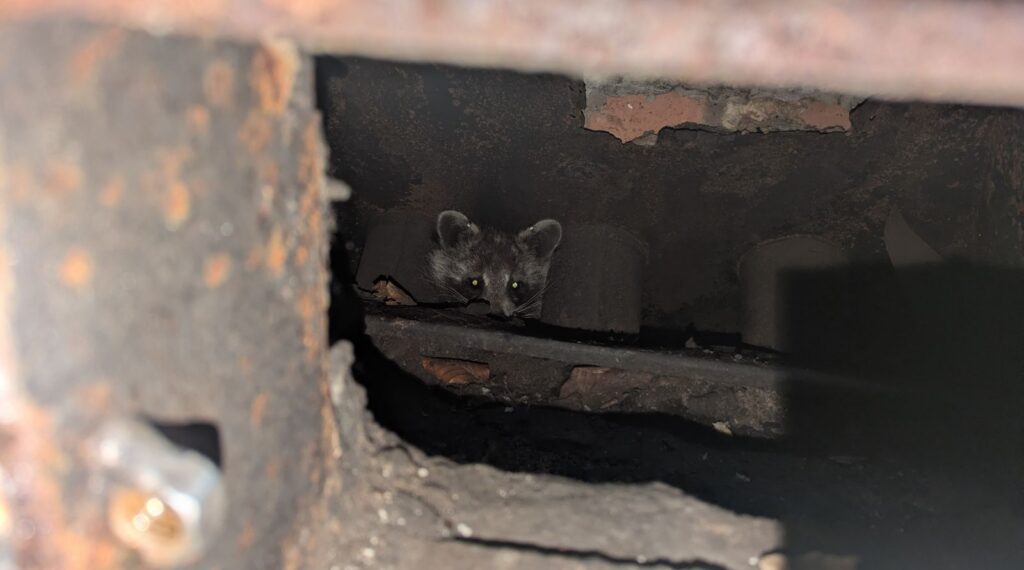
You may not expect it, but raccoons rank high in animal intelligence studies. Researchers have tested their problem-solving skills for over a century. The results show that they can think through challenges instead of acting on instinct alone. This helps explain why they do so well in busy neighbourhoods.
Research suggests they can solve multi-step puzzles and remember the order of actions needed to get a reward. They adapt quickly to urban environments, figuring out how to open containers or access new spaces. They also learn by watching, which means they can copy successful behaviours. Even more surprising, they retain knowledge for years after learning it.
You are not dealing with a simple scavenger. You are dealing with an animal that studies its surroundings and stores that information for later use. That is why raccoon memory and behavior plays such a big role when they enter homes. Understanding their intelligence helps explain why proper, professional exclusion is so important.
How We Handle Raccoon Removal
You want the problem solved properly. You do not want the animal to return weeks or months later. You want a clear plan that protects your home and respects the animal. That is exactly what we focus on.
We use humane removal methods built around one-way doors. These devices allow animals to leave your attic or roof space to find food, but they cannot get back inside. Once they have exited, we secure the entry points with durable, chew-proof materials. This closes off the access spots they remember.
You can feel confident knowing we address the root cause, not just the symptom. We look at how raccoon memory and behavior affects repeat visits. Because when homeowners ask, do raccoons come back after removal, the answer depends on whether the home was sealed correctly. When it is sealed the right way, they cannot return.
Frequently Asked Questions
How long can raccoons remember a house?
They can remember locations and solutions for up to three years or longer. Studies show they store information about food and shelter in long-term memory. If your home once offered warmth or easy access, that memory can stay with them for years. This is why old entry points often get revisited.
Do raccoons recognize the same attic year after year?
Yes. If it provided safety before, they may return during nesting season. A warm attic feels secure and protected from predators. Mother animals especially remember safe den sites. If nothing has changed, they may try to use the same space again.
Will raccoons forget my house if enough time passes?
Unlikely. Their memory allows them to store successful locations long-term. Even after a season or two, they may check back. If the area once offered food or shelter, it stays on their mental map. Time alone does not erase that memory.
Are raccoons smarter than other backyard animals?
Research shows they rank high in problem-solving and memory skills. They can solve multi-step tasks and remember how to repeat them. Their paws are sensitive and work almost like hands. This intelligence helps them survive in cities and suburbs.
Does proper sealing stop them from returning?
Yes. When entry points are secured professionally, they cannot re-enter even if they remember the location. Strong materials block chewing and pulling. Once access is removed, the memory no longer matters. The key is making sure every entry point is fully sealed.
You Deserve a Permanent Solution
You now have a clear, science-backed answer to do raccoons remember houses. Yes, they do. Their strong memory and sharp problem-solving skills explain why raccoons come back after removal is such a common concern for homeowners. When you understand raccoon memory and behavior, their persistence makes sense.
You should not have to worry about an animal returning to the same attic or roofline year after year. If a house once offered warmth or shelter, it can stay on that animal’s mental map for a long time. That is why a temporary fix is not enough. The real solution must address both removal and prevention.
At Skedaddle Humane Wildlife Control in Maryland, we focus on lasting protection. We use humane one-way doors that allow animals to leave safely, and we secure entry points with strong, durable materials. You do not have to live with repeat visits or ongoing stress. Request an estimate today and let us help you protect your home for good

 Loading...







