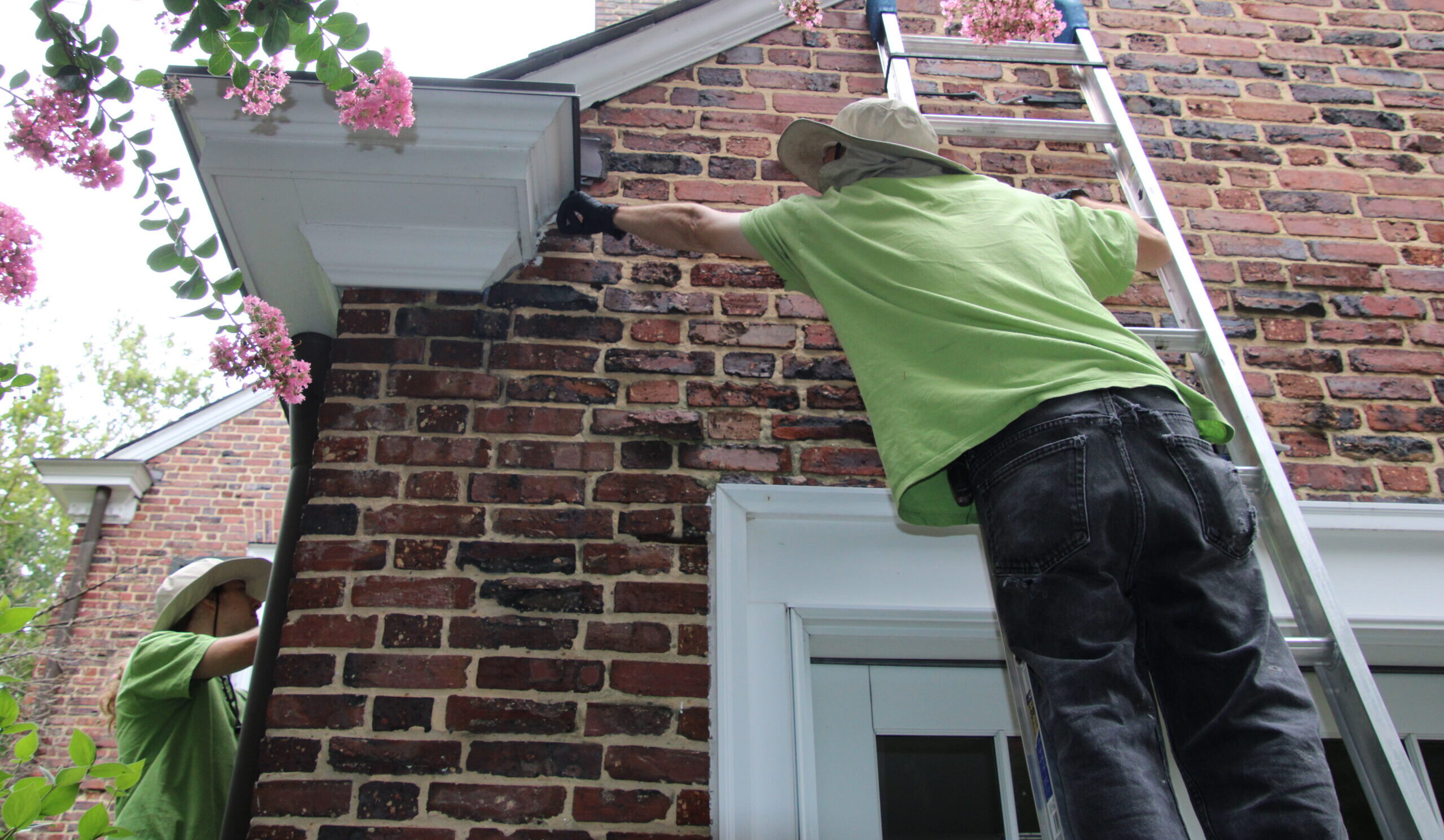
What do you need to know about climate change and urban wildlife?
Climate change is quietly transforming the way animals survive in cities. You may not notice it at first, but urban wildlife is adapting to the shifts in temperature, changing seasons, and unpredictable weather patterns. From raccoons and squirrels to birds and coyotes, these animals are learning how to thrive in environments that are warmer and more crowded than ever.
This means they are changing their behaviors—like when they forage for food, where they sleep, and even how they interact with humans. These adjustments are subtle but can impact you, your home, and your neighborhood.
You’ve probably seen signs of this change. Maybe birds seem to sing at unusual times of the day, or raccoons are boldly exploring areas they once avoided. These shifts are examples of how climate change affects animal behavior and forces urban wildlife to adapt more quickly than expected.
For homeowners, it’s more important than ever to protect your property in ways that are both effective and humane. At Skedaddle Humane Wildlife Control in Maryland, we help you manage these challenges without harming animals, so you can feel confident knowing your home is safe.
In this blog, we’ll explain why these behaviors are changing, how climate change is playing a role, and what you can do to protect your home. You’ll also learn how our team at Skedaddle uses proven humane methods to manage wildlife issues and keep both you and the animals safe. Together, we can face the challenges of urban wildlife behavior changes in a way that prioritizes the safety and well-being of everyone involved.
How Does Climate Change Impact Animals in Cities?
You can see the effects of climate change right in your own backyard. As cities get hotter and drier, animals are forced to change their daily habits to survive.
They are looking for water, cooler shelters, and reliable food sources that are disappearing from the wild. This often brings them closer to human homes. You might find that animals are becoming bolder as they try to cope with these environmental pressures.
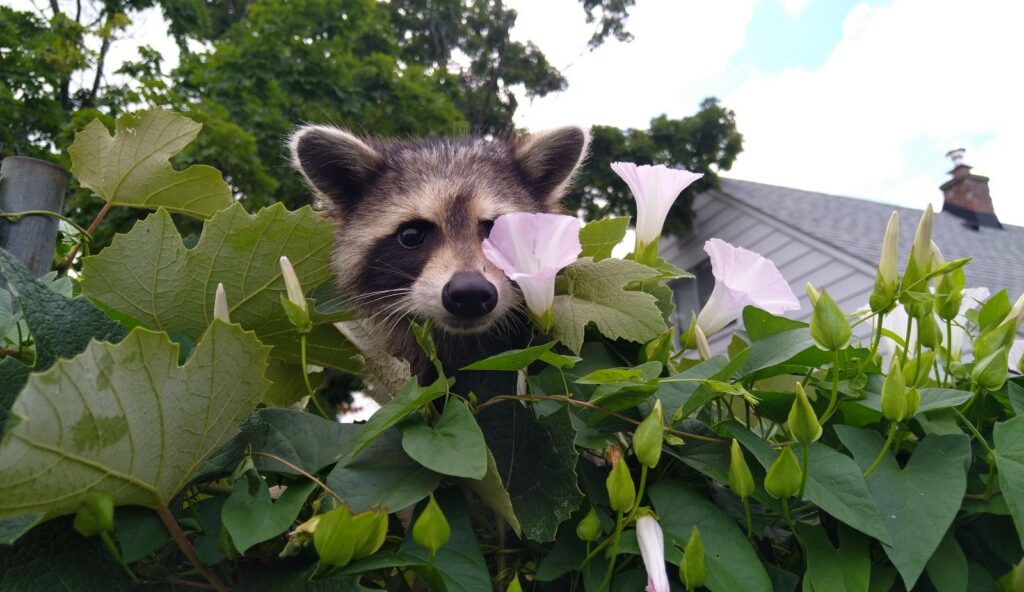
1. Shifting Activity to Nighttime Hours
You may have noticed that you rarely see certain animals during the day anymore. This is because many species are becoming nocturnal to escape the heat. Cities retain heat in pavement and concrete, making the daytime hours uncomfortably hot for furry animals. To stay cool, they sleep during the day and hunt at night.
You might experience more noise or activity in your yard after the sun goes down. This shift allows animals to avoid high temperatures and stay away from humans. However, it also means they are active when you are trying to sleep.
Here is how this shift affects your neighborhood:
- Avoiding the Heat: You will find that animals like coyotes and raccoons are now doing most of their hunting in the dark to avoid the scorching midday sun.
- Avoiding People: You might not see them, but animals are using the cover of darkness to move through your yard without being detected by humans or cars.
- Safety in Numbers: You may notice that prey animals, like rabbits, are active at night to avoid predators that might still be hunting at dawn or dusk.
- Noise Levels: You might hear more scratching, scurrying, or vocalizations at night as these animals go about their business while the city sleeps.
2. Moving into New Neighborhoods
You might be seeing animals that were never in your area before. Warmer winters are allowing species to move into regions that used to be too cold for them. This is often called range expansion. Animals that usually live in southern climates are slowly making their way north as the temperatures rise.
You can expect to see different types of wildlife as these ranges shift. For example, the Virginia opossum is sensitive to the cold and does not hibernate. As winters become milder in places like Maryland and even further north, opossums are able to survive and establish new populations.
This means you might encounter animals that your parents or grandparents never had to deal with. These “climate refugees” are looking for new homes, and your attic or deck might look like the perfect spot.
3. Changing What They Eat
You know that animals need to eat to survive, but their natural food sources are changing. Droughts and heatwaves can kill off the plants, berries, and insects that wildlife usually eat. When natural food becomes scarce, animals turn to the next best thing: human food.
You will find that animals are becoming less picky about their diets. They are learning to scavenge in garbage cans, compost bins, and even garden plots. This dietary switch brings them closer to houses and businesses.
Here are a few ways their dining habits are changing:
- Reliance on Trash: You might find your garbage cans tipped over more often as raccoons and opossums search for leftovers because their natural berries are dried up.
- Garden Raids: You may notice bites taken out of your vegetables or fruits as herbivores look for moisture and nutrients they cannot find in the wild.
- Pet Food: You should know that leaving pet food outside is a major attraction for hungry wildlife that cannot find food elsewhere.
- Seeking Water: You might see animals drinking from birdbaths, pet bowls, or even swimming pools because natural creeks and puddles have dried up from the heat.
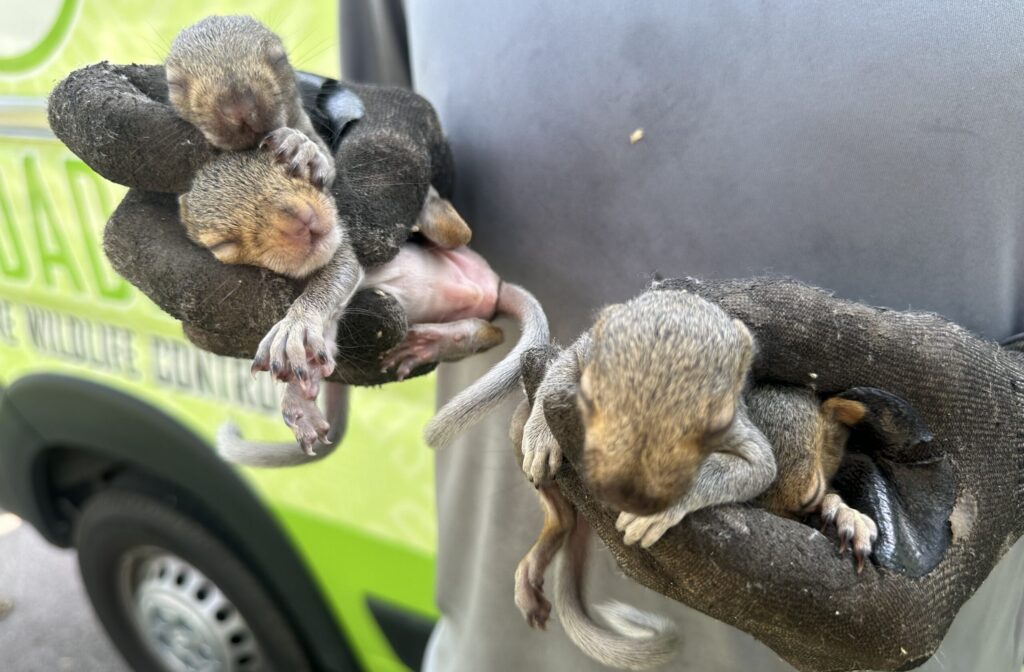
4. Altered Breeding and Migration Cycles
You might notice baby animals appearing at strange times of the year. Changes in temperature are disrupting the natural calendars that animals follow. Warmer springs can trick animals into breeding earlier than usual. This can be a problem if the food they need for their babies hasn’t grown yet.
You could see more generations of pests in a single year. Some animals, like rodents, can breed more often if the warm season lasts longer. This means a small mouse problem can turn into a big infestation very quickly.
Migration is also changing. Some birds that usually fly south for the winter are staying put because it stays warm enough for them to survive. This keeps them in the city year-round, leading to more permanent interactions with your home.
5. Rapid Physical Changes and Evolution
You might be surprised to learn that animals are actually changing physically to fit into city life. Evolution usually takes a long time, but urban wildlife behavior changes are happening fast. Animals are developing new physical traits to help them navigate concrete jungles.
Scientists have found that some species are evolving to handle higher temperatures and smoother surfaces. This helps them survive in an environment that is very different from a forest or a field.
Here are some examples of these rapid changes:
- Sticky Feet: You might see lizards or small animals climbing smooth walls or glass easily because they have developed larger toe pads to grip man-made surfaces.
- Heat Tolerance: You will find that some small water creatures, like water fleas, are evolving to withstand much hotter water temperatures than those found in rural lakes.
- Smaller Bodies: You might notice that some animals are getting smaller, which can help them shed heat faster in a warming city environment.
- Longer Limbs: You could see that some lizards have developed longer legs to run faster across open concrete spaces to avoid predators.
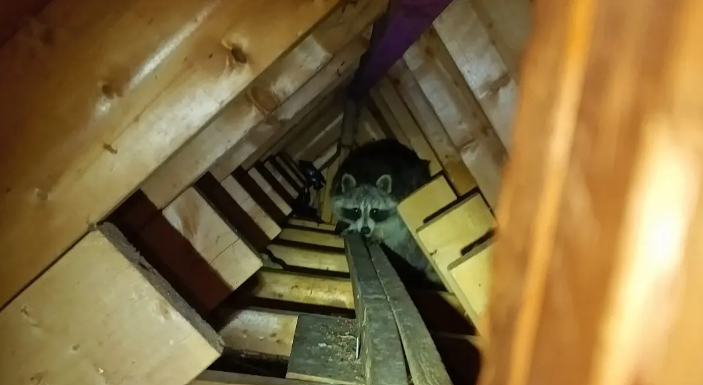
6. Increased Conflict with Humans
You are likely seeing more interactions between people and animals. As animals lose their natural habitats to heat and development, they move into ours. This leads to more conflicts. Animals are not trying to be mean; they are just trying to survive.
You might find animals using your home for shelter more often. Attics and basements provide a stable temperature that protects them from extreme heat or sudden storms.
When animals move in, they can cause damage to wiring, insulation, and dry wall. They are looking for a safe place to raise their families, but their presence can create health and safety risks for you. This is where professional help becomes necessary.
FAQ: Climate Change and Urban Wildlife
Why do animals want to get into my attic?
You will find that attics offer a stable temperature. In the summer, they can be hot, but they are safe from predators. In the winter, they are warm and dry. Your attic is like a luxury hotel for a mother raccoon or squirrel looking for a safe place to hide.
Can I just patch the hole myself?
You should never try to seal a hole on your own without checking for animals first. If you seal a hole while an animal is inside, you trap them there. This creates a panic, and they may cause more damage trying to escape or perish inside your walls.
Do milder winters mean more bugs and mice?
Yes, you are correct. Cold winters usually help reduce the population of insects and some rodents. When winters are warm, more of them survive to breed in the spring. This can lead to larger populations of pests around your home.
Is it safe to feed the wildlife?
You should avoid feeding wildlife. Giving them food teaches them to rely on humans and brings them closer to your home. This can lead to aggressive behavior and more conflicts. It is best to let them find their own food.
What should I do if an animal is acting sick?
You should keep your distance. Climate change and urbanization can spread disease. If an animal looks sick or is acting strangely, do not approach it. Call a professional service to handle the situation safely.
Keeping Your Home Safe in a Changing Climate
You can see that climate change and urban wildlife are deeply connected. As the environment shifts, animals will continue to adapt their behaviors to survive. They will keep looking for food and shelter in our cities, often inside our homes. Understanding these changes helps you know what to look out for.
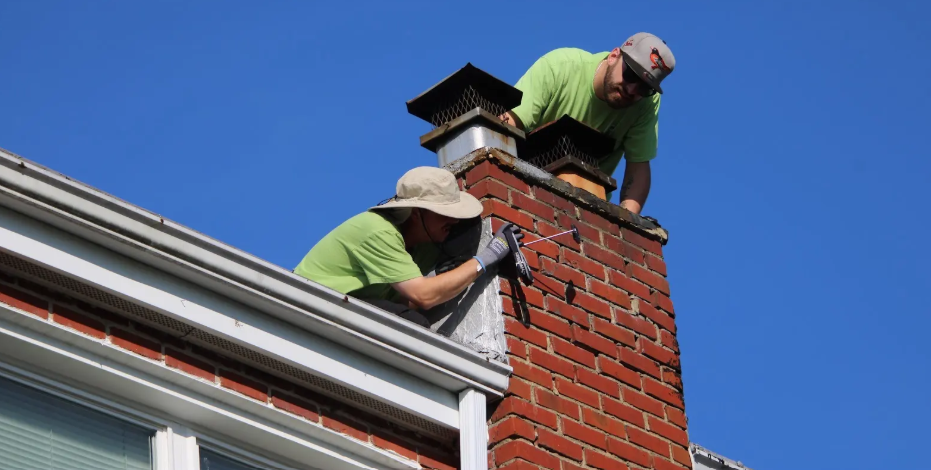
You do not have to handle these changes alone. At Skedaddle Humane Wildlife Control in Maryland, our team understands how to handle these evolving challenges. We use specialized hands-on techniques to remove animals safely. We also use one-way doors that allow wildlife to leave your home but prevent them from getting back in. This ensures the animals are treated humanely while your home stays protected.
If you suspect animals have moved in due to the changing weather, do not wait for the problem to get worse.
Contact us today to request an estimate and let our professionals secure your home.

 Loading...







