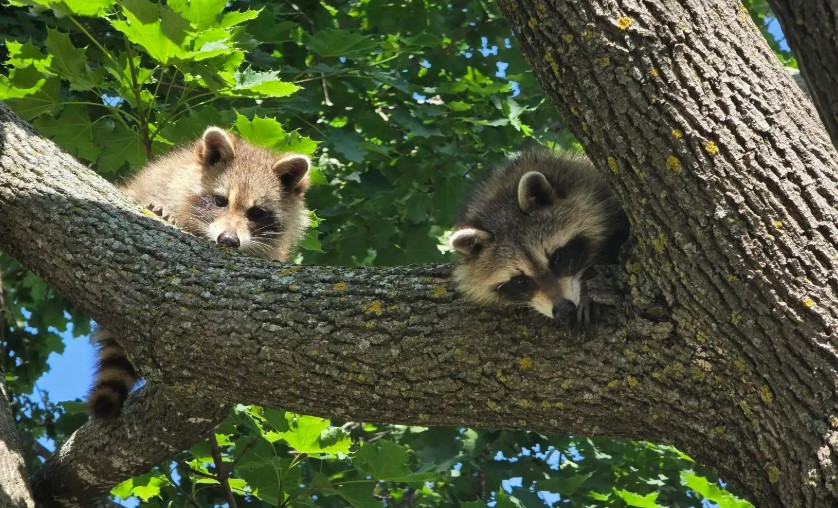
You’ve probably seen raccoons in your neighborhood, sneaking around trash cans or even finding their way into attics. They seem clever, tough, and full of energy. But have you ever wondered: how long do raccoons live?
The truth is that the raccoon lifespan depends on many things—where they live, what they eat, and what dangers they face. Some survive only a few years, while others live much longer. By learning more about raccoon life expectancy, you can better understand these animals and why they often end up so close to our homes.
At Skedaddle Humane Wildlife Control in Baltimore, we see raccoons up close every day. Our team studies their habits so we can keep families safe while treating animals with respect. In this article, we’ll explain raccoon lifespan, the challenges they face, and how you can prevent them from making a home in your house.
Average Raccoon Lifespan
So, how long do raccoons live? In the wild, most only live about two to three years. Life is tough outside, and there are plenty of dangers. Predators, cars, disease, and lack of food make survival hard.
But in safe, protected places—like captivity or rescue centers—raccoon life expectancy can reach 15–20 years. Without threats, they thrive much longer. This big difference shows how much the environment shapes their lives.
Why Wild Raccoons Have Shorter Lives
Wild raccoons rarely reach old age. Some of the biggest challenges they face include:
- Predators: Coyotes, owls, and even larger dogs may attack them.
- Food shortages: Winters are hard, and not every raccoon finds enough food.
- Cars and roads: Many are struck by vehicles while searching for meals.
- Diseases: Illnesses like distemper or rabies can spread through populations.
Even though raccoons are smart and resourceful, these risks add up quickly. That’s why the raccoon lifespan in the wild is much shorter compared to animals in care.
Life in Urban Areas
City raccoons live very differently from those in the wild. They don’t need to hunt as much because garbage bins, pet food bowls, and gardens give them meals year-round. Warm attics, sheds, and garages provide safe places to rest, especially during cold winters. This steady access to food and shelter can stretch raccoon life expectancy to five to seven years, which is longer than most wild raccoons.
But life in the city also has new risks. They face dangers from cars, poisons, and traps that homeowners sometimes use. Constant contact with people increases the chance of conflict, which can shorten their lives. The closer they live to us, the more likely they are to survive—but also the more likely they are to cause damage or spread disease. This trade-off shows why our professional help is often needed when they move too close to homes.
Raccoon Lifespan in Captivity
When raccoons are cared for in zoos or sanctuaries, their lives look very different. They get regular meals, medical care, and a safe place to live without predators or cars. In these controlled settings, raccoon life expectancy can reach up to 20 years, which is far longer than in the wild. This proves that their short wild lifespan isn’t due to weakness—it’s the result of tough environments and constant dangers.
In captivity, raccoons also show just how smart and adaptable they really are. They can learn routines, interact with keepers, and even solve puzzles when enrichment is provided. These long lives highlight their ability to thrive under the right conditions. It’s a clear reminder that environment plays the biggest role in how long raccoons live.
Factors That Affect Raccoon Life Expectancy
Not every raccoon faces the same risks. Their lifespan depends on many factors, including:
- Habitat: Forests, cities, or rural areas all have different challenges.
- Food Supply: Steady access to meals means better survival.
- Shelter: Safe dens protect them from predators and weather.
- Human Activity: Roads, pest control, and hunting shorten lifespans.
- Health: Diseases or parasites reduce life expectancy.
Each of these plays a role in how long raccoons live, whether in Baltimore, the countryside, or a zoo.
Raccoon Growth and Life Stages
To understand lifespan, you also need to know how raccoons grow.
- Baby (Kits): Born blind and helpless, they depend on their mothers for the first months.
- Juveniles: By a few months old, they start exploring and learning survival skills.
- Adults: At about one year, they can live on their own and reproduce.
- Older Adults: Few make it past five years in the wild, though some do.
This quick growth means raccoons must learn fast. Every year being alive is an accomplishment.

How Raccoons Survive Longer in Suburbs
Raccoons in suburban areas sometimes live longer than in deep forests. Why? Because people unintentionally provide food and shelter.
Common attractants include:
- Trash bins left uncovered
- Bird feeders spilling seed
- Pet food bowls outside
- Compost piles
When these are available, raccoons don’t need to struggle for meals. But this also means they’re more likely to end up in your home.
Why Raccoons End Up in Homes
You might wonder why these animals choose attics, chimneys, or crawl spaces. The answer is simple: they’re looking for shelter and safety.
- Attics feel warm and dry.
- Chimneys mimic hollow trees.
- Crawl spaces provide darkness and cover.
Unfortunately, once they settle inside, they cause damage with droppings, chewing, and scratching. That’s why prevention is so important.
Preventing Raccoon Problems with Professionals
If you want to keep raccoons out of your home, it starts with removing the things that attract them. At Skedaddle, we focus on safe, humane prevention instead of harmful methods.
Professional prevention may include:
- Sealing cracks or gaps around the roofline
- Securing vents and chimneys with covers
- Installing one-way doors so raccoons leave but can’t return
- Reducing outdoor food sources like open bins or pet bowls
By working with our professionals, you make sure the job is done right the first time.
Why Humane Removal Matters
Raccoons may be pests in homes, but they are still important to the ecosystem. They spread seeds, eat insects, and help balance local food chains. That’s why humane removal is the best option.
At Skedaddle, we use one-way doors that let animals leave safely while blocking re-entry. This keeps your family safe without harming the animals. Everyone wins when the solution is safe, effective, and long-term.
A Final Word on Raccoon Lifespan
So, how long do raccoons live? The answer depends on where they are. In the wild, raccoon lifespan is usually just two to three years, though some make it to five to seven. In captivity, raccoon life expectancy can stretch up to 20 years.
By protecting your home and using humane solutions, you respect both your family’s safety and the animals that live nearby.
Keep Homes Safe the Humane Way
Raccoons are fascinating, but they don’t belong in your attic. Learning about raccoon lifespan helps you see how their survival depends on environment, food, and safety. While raccoon life expectancy is often short in the wild, the damage they can cause inside a home lasts much longer.
At Skedaddle Humane Wildlife Control in Baltimore, we use humane methods that keep families safe and animals out for good. Our proven approach makes sure you don’t have to worry about how long raccoons live in your home.
Request an estimate today and let us help you protect your Baltimore property with long-term solutions.

 Loading...







