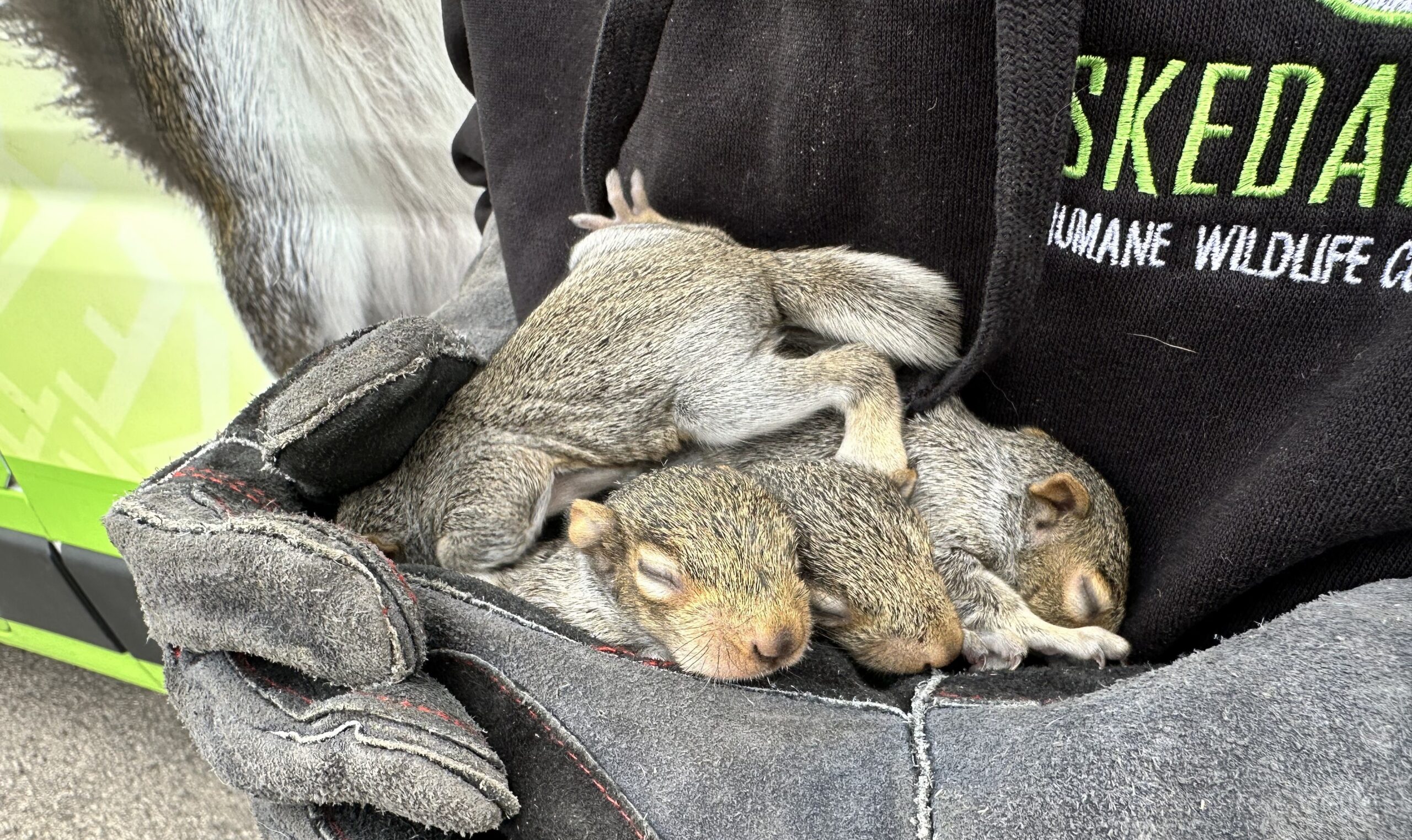
Squirrels can slowly destroy a home by chewing through structural components, electrical wiring, and insulation, creating hazards that escalate over time. Their constantly growing teeth require them to gnaw on hard surfaces to file them down. When they enter your house, they chew on soffits, roof vents, and electrical wires. This chewing can cause serious fire hazards, major water leaks, and structural rotting. Once inside, they also tear up insulation for nesting materials and leave behind unsanitary waste.
You might think these fluffy animals are harmless when they play in the yard. However, once they find a way into your attic or walls, the damage begins almost immediately. Homeowners often do not notice the destruction until it requires expensive repairs. It is important to catch the signs early and act fast.
In this guide, our team at Skedaddle Humane Wildlife Control in Baltimore will explain exactly how these creatures cause severe damage over time. You will learn about their chewing habits, the specific areas of your home they target, and why professional help is the only safe solution.
Why do squirrels chew all the time?
Squirrels chew all the time because their front teeth, called incisors, never stop growing. If they do not gnaw on hard objects, their teeth will grow too long for them to eat properly. Chewing is a basic survival instinct for these animals.
In nature, they file their teeth down by chewing on tree branches, nuts, and bark. When they move into your house, they use whatever is available. This means they will chew on wooden support beams, plastic pipes, and even metal fixtures. They do not eat these materials, but they use them to keep their teeth sharp and short.
This constant gnawing makes them incredibly destructive when they get inside a house. They will widen small gaps in your roof just to fit inside. Once they build a nest, they will continue to chew on the materials around them every single day.
Electrical Hazards and Chewed Wiring
Squirrels are known for their relentless gnawing habits, and unfortunately, this behavior extends to the electrical wiring within homes. They often chew on wires hidden in walls and attics to file their teeth down, posing significant risks to both property and safety. Below are some of the primary dangers associated with squirrel-chewed wiring:
- Exposed Wires: When the rubber coating is chewed away, live metal wires are left exposed. This creates a severe risk of an electrical short circuit. If the exposed wire comes into contact with a wooden beam or dry insulation, it can easily spark a devastating house fire. It is essential to leave the inspection and repair of chewed wires to our trained professionals.
- Power Outages: Persistent chewing can completely sever the wires that connect different parts of a house. This can result in unexplained power outages in certain rooms or cause lighting fixtures to stop working. Identifying the exact location of a break in the wiring is a difficult task that requires specialized expertise.
- Hidden Fire Risks: One of the most dangerous aspects of damaged wiring is that it occurs in hidden spaces, such as behind walls or in attics. Over time, as the damage worsens, the chances of a spark igniting increase. Our experienced team is equipped to identify these concealed hazards and take preventative action.
Structural Damage to Siding and Roofs
When these animals want to get inside, they use their sharp teeth to create an entry point. They usually target the weakest parts of your exterior, such as wooden fascia boards and plastic roof vents. Once they chew a hole large enough to squeeze through, your house is open to the elements.
This structural damage allows rainwater and melting snow to enter your attic and walls. Over time, this moisture causes the wood to rot and mold to grow. The structure of your house becomes weak, and the repairs can be very costly.
They also damage the exterior appearance of your property. You might notice holes in your siding or torn shingles on the roof. Fixing this requires professional knowledge to ensure the entry points are sealed correctly after the animals are gone.
Ripped Insulation and Ductwork Damage
Your attic plays a crucial role in maintaining your home’s energy efficiency and overall comfort by housing insulation and vital ductwork. Unfortunately, when squirrels invade, they can cause significant damage to these materials, leading to costly repairs and reduced functionality. Below are some common forms of damage caused by squirrels and the impact they can have on your home:
- Torn Insulation: Squirrels shred fiberglass or foam insulation to create nests, leaving large bare spots in your attic. This compromises your home’s energy efficiency, resulting in higher heating and cooling bills.
- Contaminated Materials: Over time, squirrels soil insulation with their urine and feces, rendering it unusable and creating a serious health hazard. Due to the risk of disease, this contaminated insulation should only be handled by our professionals.
- Crushed Air Ducts: The flexible ductwork in attics is often chewed or crushed by squirrels. Damaged ducts force HVAC systems to work much harder, increasing energy consumption and necessitating costly repairs or replacements.
Pest Infestations Following the Initial Breach
A hole chewed by one wildlife (e.g. the squirrel) is an open door for many others. Once the exterior of your house is breached, different types of pests will smell the opening and follow suit. Mice, rats, and bats often use the exact same entry points to get into your attic.
This creates a multi-species infestation that is very hard to control. The different animals will fight over territory, create multiple nests, and multiply quickly. The amount of damage inside your house will increase rapidly as more pests move in.
Dealing with multiple types of wildlife requires a comprehensive strategy. You cannot simply patch the hole and hope for the best. Our technicians understand how different animals interact and how to properly clear the house.
Odor and Waste Accumulation in Attics
When squirrel takes up residence in your attic, their waste can lead to major problems in your home. The build-up of urine, feces, and other debris left behind not only creates unpleasant conditions but also poses serious risks to your property and health. Below are some of the most common issues caused by squirrel waste in attics:
- Foul Smells: Over time, the buildup of urine and feces creates a terrible odor that can seep into your living space. This smell is incredibly difficult to get rid of, even after the animals are removed. It often requires professional sanitization to completely eliminate the odor.
- Structural Rot: Squirrel urine is highly acidic and will soak into the wooden beams and drywall. This causes the wood to rot and the drywall to stain and crumble. In severe cases, the ceiling below the attic can actually collapse from the moisture damage.
- Health Hazards: Squirrel waste grows dangerous mold and fungus that can spread through the air. Breathing in these spores can cause serious respiratory problems for your family. You should always call us to handle the cleanup safely.
Baltimore Wildlife Challenges: Local Climate Impact
The weather in Baltimore plays a big role in why these animals invade homes. Our hot, humid summers and freezing winters force squirrel to seek shelter. Your climate-controlled attic is the perfect safe haven for them to escape the harsh Maryland weather.
Local building styles in Baltimore also contribute to the problem. Many older homes have wooden soffits and gable vents that are very easy to chew through. Even newer homes use plastic vents that offer little resistance to sharp teeth.
Seasonal changes mean that we see a spike in activity during the fall and late winter. This is when they are preparing to have babies and need a warm, secure place to build a nest. Understanding these local patterns helps us provide the best service possible.
Squirrel Prevention for Your Home
Keeping squirrels out of your house requires proactive maintenance. You should regularly inspect your roof line for any missing shingles, cracked vents, or rotting wood. Trimming tree branches away from your roof is also important, as this removes their easiest path to your house.
However, if they have already made a home inside, you must avoid trying to remove them yourself. They can be aggressive when protecting their babies. We use special one-way doors that allow the animals to leave the house safely, but completely block them from getting back inside.
Our professional team at Skedaddle will evaluate your entire property to find every hidden entry point. We seal these gaps with heavy-duty materials that cannot be chewed through. This ensures your house remains safe and animal-free for years to come.
Frequently Asked Questions
What should I do if I hear scratching in the ceiling?
If you hear scratching, running, or chewing noises above your ceiling, you likely have squirrel in the attic. Do not try to investigate it yourself, as you could easily startle the squirrels. Call our professional team right away to perform a thorough and safe inspection of the space.
Can these squirrels bite or attack humans?
They generally avoid humans and will try to run away if confronted. However, if they feel trapped or are protecting their nest, they will bite and scratch to defend themselves. This is why you should never try to catch or handle them on your own.
Does homeowners insurance cover this kind of damage?
Most standard homeowners insurance policies do not cover damage caused by rodents or wildlife. This means you will have to pay for the repairs out of your own pocket. Catching the problem early and calling our professionals is the best way to keep your costs down.
How do they get on the roof in the first place?
They are excellent climbers and can scale brick walls, downspouts, and siding with ease. They also use nearby trees, power lines, and tall bushes to jump directly onto your roof. Keeping your landscaping trimmed is a good way to limit their access.
Secure Your Home From Squirrel Damage
Squirrels may seem harmless, but they can quickly create serious problems if they settle in your home. They chew through wood, wires, and other materials, putting your property at risk of fires or structural damage. Their nesting habits can also destroy insulation, leading to higher energy bills and additional repairs. Beyond the physical damage, their droppings can pose health hazards to your family. Acting swiftly when you notice signs of a squirrel problem is crucial to preventing these costly and dangerous issues from getting worse.
It’s important to remember that handling squirrels on your own can be risky. These squirrels may carry diseases, and improper removal methods can make the problem worse. That’s why it’s always best to trust our professionals who have the tools and expertise to address the situation safely and humanely.
At Skedaddle Humane Wildlife Control, we understand how stressful squirrel intrusions can be. Our team in Baltimore is here to help you protect your home and restore your peace of mind. From thorough inspections to effective removal and prevention solutions, we ensure your home stays secure. Contact us today for an estimate, and take the first step toward a squirrel-free home.

 Loading...