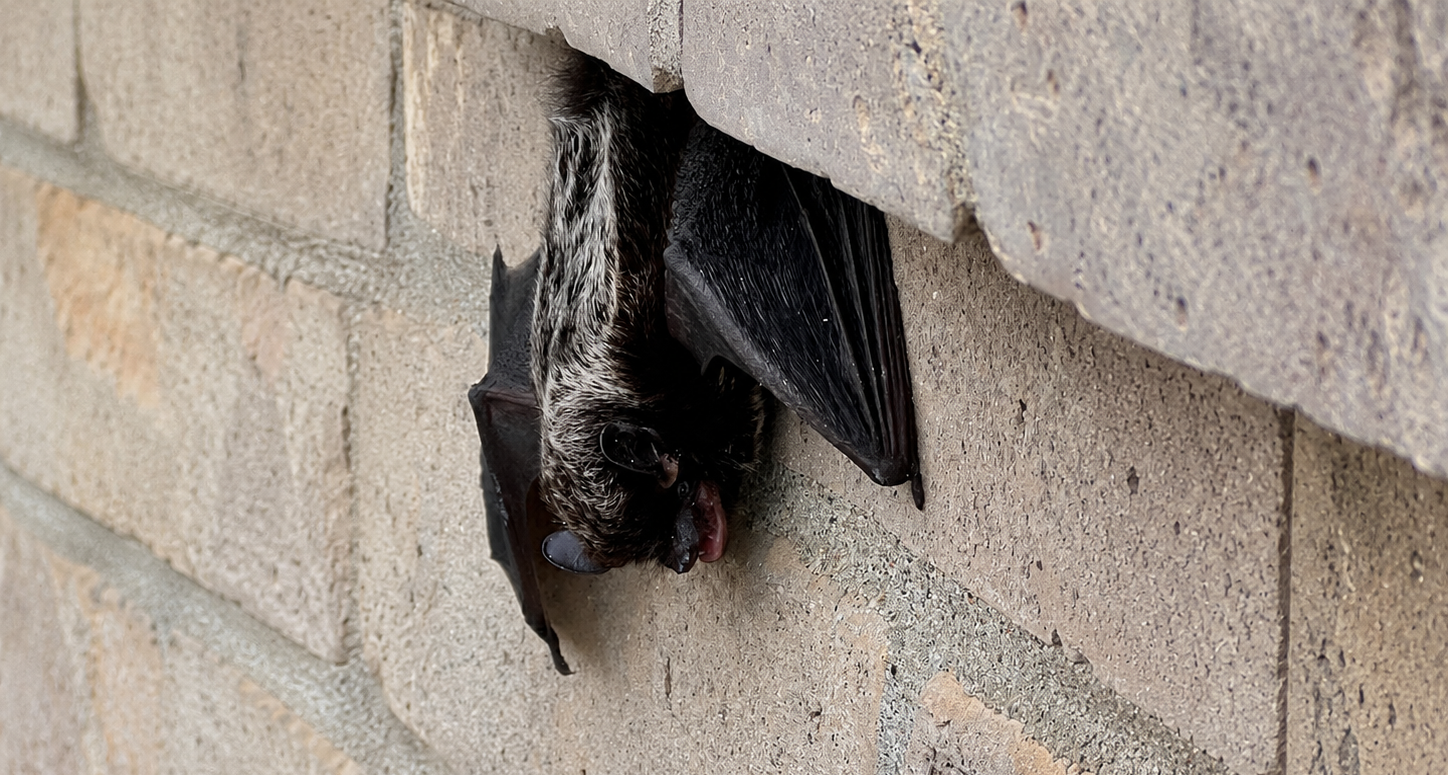
The most common summer signs of bats in your attic include seeing them fly out from your roofline at dusk, strong ammonia-like smells from droppings, dark greasy stains near gaps in your roof, piles of droppings below entry points, and squeaking or scratching sounds in your ceiling. A bat inside your living space is a big red flag too.
Summer is one of the busiest times for bats to move into attics across Columbus, Ohio. The warm months bring perfect conditions for them to settle in and raise their young. If you have heard odd noises at night or noticed a strange smell coming from above your ceiling, you may already have bats. The good news is that there are clear signs you can watch for.
In this blog, we will walk you through the most common summer signs that point to bats in your attic. You will learn what each sign means and why summer is such an active season. We will also share how our team at Skedaddle Humane Wildlife Control in Columbus, Ohio handles the problem from start to finish, so you never have to touch a thing.
This guide is for homeowners who want to catch the problem early. The sooner you spot the signs, the sooner we can step in and protect your home. Let’s take a look at what you should be watching for this summer.
How Can I Tell If I Have Bats in My Attic?
You can tell if you have bats in your attic by watching and listening for a few key signs. The clearest one is seeing them leave your roofline at dusk. Other signs include droppings, dark stains, strong smells, and odd noises in your ceiling.
Bats are quiet during the day and active at night. That makes them tricky to spot at first. Most homeowners notice something is wrong only after the signs build up over time. A smell gets stronger, or the noises start happening every night.
The sooner you notice these clues, the better. When you catch the problem early, we can step in and stop it from growing. Below, we break down each summer sign so you know exactly what to look for.
Seeing Bats Fly Out at Dusk
Watching your roofline at sunset is one of the best ways to spot bats. As the sky gets dark, these animals leave their roost to hunt for bugs. If your attic has become their home, you will see them slip out from the same spot each evening.
Here are the signs to watch for at dusk:
- Flying Out in Groups: Large groups of bats exiting a roof together can indicate the presence of a colony. During the summer months, many of these colonies consist of mother bats caring for their young. This activity is particularly visible at dusk as bats leave to hunt for insects. Observing the number of these animals departing can give insight into the colony’s size and activity.
- The Same Exit Spot Each Night: Bats are creatures of habit and prefer to use the same entry and exit points repeatedly. Gaps or cracks in a roofline serve as ideal access points for their movements. Watching these specific areas at sunset can pinpoint where their activity is concentrated. This consistency is a strong indicator of where to investigate further.
- Activity Around Your Soffits or Vents: Tight spaces, such as those near soffits or roof vents, are prime spots for roosts. These animals often seek these constricted areas for protection and shelter. Seeing these animals consistently swoop in and out of these locations signals they may be nesting nearby. These areas should be carefully inspected to confirm any signs of infestation.
- Circling at Dawn: Early morning provides another opportunity to confirm animal activity. Right before sunrise, bats conclude their nightly hunt and return to their roost. Watching closely during this time can validate observations made at dusk. Dawn activity can help identify their exact entry points and confirm the presence of a colony.
Finding Piles of Droppings
Droppings, also called guano, are one of the surest signs of bats in your attic. They build up below the spots where these animals rest. Over the summer, a colony can leave large piles behind.
You should never touch or clean up droppings on your own. They can carry harmful germs that make you sick. When you call us, our trained team handles the cleanup safely and the right way.
Here is what guano look like and where they show up:
- Small and Dark: Droppings are typically small, about the size of a grain of rice. Their color ranges from dark brown to almost black, making them noticeable on lighter surfaces. These tiny droppings are often mistaken for rodent waste but have distinct characteristics. Recognizing their size and color is an important step in identifying bats in your attic.
- Crumble into Powder: Unlike other types of animal waste, droppings crumble into a fine, powdery dust when touched. This distinct trait sets guano apart from droppings of other pests like rodents, which are harder. This powdery texture comes from the insects that bats consume, as their diet is primarily insect-based. Proper identification is important to determine whether bats are the source.
- Found in Piles: Guano typically accumulates in large piles beneath the areas where bats roost. These piles are often found on attic floors, insulation, or even along outside walls if there is a bat presence nearby. Over time, the droppings form noticeable mounds, especially during the active summer months when these animals are busy feeding and returning to rest.
- Below Entry Points: Droppings are often located directly below the openings where bats enter and exit your home. Common locations for these piles include the edges of attic vents, roof gaps, or other small crevices along the structure. Finding guano under these access points is a strong indication of animal activity and helps pinpoint their routes in and out.
Strong, Pungent Odors
A strong smell is one of the first things homeowners notice in summer. As the heat rises, trapped droppings and urine give off a sharp, bitter odor. Many people say it smells like ammonia.
This smell does not go away with fresh air or cleaning. It comes from waste that builds up over time in your attic. The more bats you have, the stronger the smell becomes.
Summer heat makes the problem worse. Warm air pushes the odor down through your ceiling and into your living space. If you notice a smell that keeps coming back and seems strongest near your attic, it is time to call us.
Dark Grease Stains Near Entry Points
Bats have oily fur. When they squeeze through tight gaps to get inside, their fur leaves dark, greasy marks behind. These stains show up on brick, siding, soffits, and around roof vents.
Here is why these stains matter:
- They Mark the Entry Point: The marks help identify the exact spots where these animals are entering. Knowing these entry points is critical for addressing the issue properly. By locating the stains, it becomes easier to seal the right areas and prevent further access. This allows for targeted solutions without unnecessary guesswork.
- They Grow Darker Over Time: As bats continue to use the same entry points, the stains gradually become darker and more noticeable. A darker smudge is often a clear sign that the spot has been used for an extended period. This provides valuable information about how long these animals have been in the area. Observing these changes can help indicate the severity of the problem.
- They Appear Near Small Gaps: The stains are commonly found around narrow openings like loose soffits, roof edges, and vents. These small gaps are ideal for bats to squeeze through and gain access. Inspection of these areas can reveal hidden entry points that might otherwise go unnoticed. Recognizing these patterns helps prioritize areas that need immediate attention.
- They Signal Repeated Activity: Grease stains are not left behind after a single entry; they show repeated bat movement through the same gap. This pattern indicates the spot is regularly in use, highlighting an active and ongoing problem. Identifying such activity helps focus efforts on high-priority areas to stop the issue from escalating further.
Hearing Noises in Your Ceiling
Bats are quiet during the day but become active at dusk and dawn. If you listen closely, you may hear them moving around in your walls, ceiling, or attic. These sounds are often the first warning sign for many homeowners.
Common sounds include high-pitched squeaking, light scratching, and soft fluttering. The noises usually come in short bursts rather than steady movement. You are most likely to hear them right at sunset or early in the morning.
If the same sounds come back night after night, something is using your attic. The noises often grow louder as a colony gets bigger over the summer. When you hear these signs, our team can come out and check things for you.
Why Summer Is a Busy Time for Bats
Summer is the season when female bats form colonies to give birth and raise their pups. They look for warm, safe spaces, and attics fit the bill perfectly. This is why so many homeowners in Columbus notice problems during the warm months.
During the hottest days, attics can get very hot. This heat can cause these animals to get confused and wander down into your living space. That is often the moment a homeowner realizes there is a bigger issue overhead.
Bats are also protected during their breeding season in many areas. This means the work must be timed and handled the right way. Our team knows the local rules and the right season to act, so the job is done safely and correctly.
How We Handle Bat Removal and Prevention
At Skedaddle Humane Wildlife Control in Columbus, Ohio, we take care of the whole job for you. You never have to go up into the attic or touch anything yourself. Our trained team handles each step from start to finish.
Here is how our process works:
- Full Inspection: The first step is a careful inspection of your home to locate all possible entry points. This includes examining your roofline, vents, soffits, and attic for signs of bat activity. Any holes, cracks, or weak areas that might provide access are identified during this process. By addressing every potential entry point, the solution is thorough and effective.
- One-Way Doors: To allow bats to leave safely, special one-way doors are installed at identified entry points. These devices are designed to enable these animals to exit the home but prevent them from re-entering. This humane method ensures that these animals can relocate without harm. Over time, the entry points are carefully monitored to confirm all bats have vacated the space.
- Safe Cleanup: Removing bats is only part of the process; proper cleanup is essential for health and safety. Areas affected by droppings and urine are cleaned and disinfected to eliminate waste and harmful germs. This step protects the property from lingering odors and reduces the risk of disease. Specialized equipment and cleaning agents are used to ensure thorough decontamination.
- Sealing and Prevention: Once the bats are gone, the entry points and weak spots are sealed to ensure they cannot return. Durable materials are used to close gaps and reinforce vulnerable areas around your home. This preventive measure protects your property against future infestations. With this approach, the home remains secure through future seasons.
Our goal is to solve the problem at its root, not just for today. By sealing your home the right way, we help keep it protected for the long run.
Frequently Asked Questions
Are bats in the attic dangerous?
Yes, bats can pose health risks. Their droppings can carry germs that affect your lungs, and these animals can also carry rabies. You should never handle these animals or their droppings on your own. Call our team to handle it safely.
Can bats be removed in the summer?
These animals can be removed in summer, but the timing must be handled carefully. Female bats raise their young during these months, so the work has to be done the right way. Our team knows the local rules and the safest way to act.
How do bats get into my attic?
These animals can squeeze through gaps as small as a quarter of an inch. They often enter through cracks near roof edges, vents, soffits, and loose siding. Our inspection finds every entry point so we can seal them properly.
What should I do if I see a bat inside my house?
A bat inside your living space often means there is a larger group in your attic. Stay calm, keep your distance, and do not try to catch it. Call our team right away so we can check your home and handle the problem.
How long does bat removal take?
The timeline depends on how they are using your home and how many entry points there are. One-way doors usually let bats out within a few days, but sealing and cleanup add more time. Our goal is a full, lasting solution, not just a quick fix.
Don’t Let Summer Bats In Your Attic
Bats in your attic can cause big problems if they are not removed quickly and safely. They won’t leave on their own, and the longer they stay, the more damage and mess they will create. Droppings can harm your health, and their presence can make your home less comfortable and safe. If you’ve seen bats flying around at dusk, noticed strange smells, found dark stains on your walls or ceiling, or heard noises from above, it’s time to take action. Catching the problem early is the best way to avoid costly repairs and keep your family safe.
At Skedaddle Humane Wildlife Control in Columbus, Ohio, we’re here to help. Our experienced team uses humane methods to remove bats from your home and ensure they don’t come back. We care about protecting wildlife and your home, so we make sure the process is as safe and effective as possible.
Don’t wait for the problem to get worse. Contact us today to request an estimate and take the first step to a wildlife-free home. We’re ready to give you peace of mind and a solution you can trust. Your home and family deserve nothing less.

 Loading...







