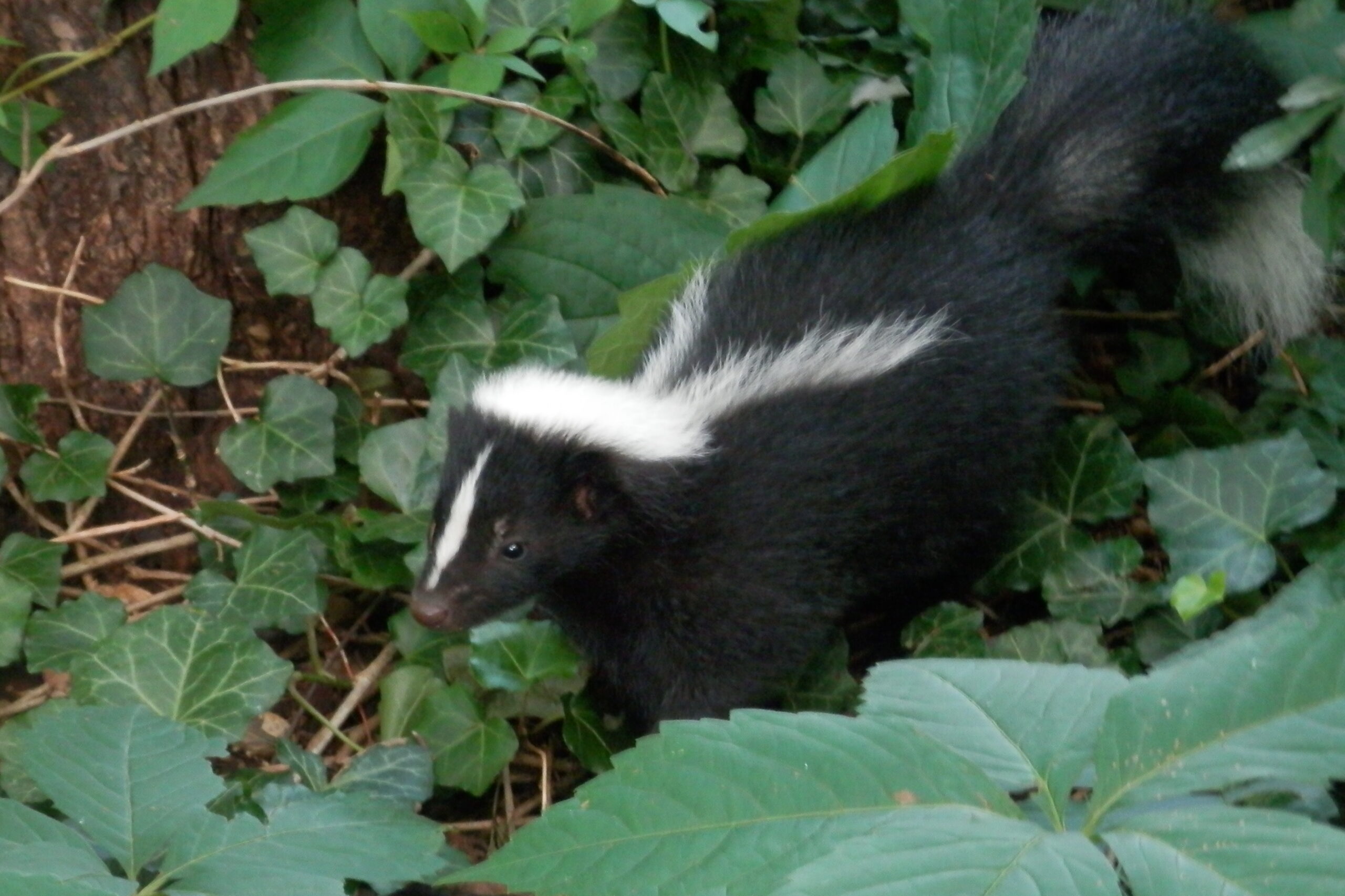
As fall arrives in Baltimore, the changing seasons bring vibrant colors to our gardens – but also new challenges for gardeners. Preventing wildlife in garden spaces becomes especially important during this transitional season. Whether you have a small vegetable patch near Patterson Park or an elaborate landscape surrounding your Baltimore home, wildlife intrusions can quickly damage your hard work and create frustrating setbacks. The cooling temperatures and decreasing natural food sources render your garden particularly attractive to local wildlife seeking sustenance and shelter before winter arrives.
At Skedaddle Humane Wildlife Control, we understand the delicate balance between enjoying nature and protecting your garden investments. Our approach focuses on creating harmony between wildlife and humans while ensuring your garden remains productive and beautiful throughout the fall season.
Wildlife Garden Activity in Fall
Fall brings significant changes to wildlife behavior patterns, directly impacting your garden’s vulnerability to unwanted visitors. Understanding these seasonal shifts is key to effective prevention.
During autumn, many animals begin preparing for winter by gathering food reserves and seeking shelter. This biological imperative makes your garden an attractive target as natural food sources become less abundant, temperatures drop encouraging wildlife to seek warmer microclimates, and animals search for winter denning locations. Additionally, migration patterns bring new wildlife species through your area.
Common fall garden visitors include squirrels actively collecting nuts and seeds, raccoons increasing their foraging activity, birds that may damage fruit trees during migration, deer browsing more aggressively, and mice and voles seeking garden debris for nesting materials.
Wildlife activity in fall gardens isn’t merely random—it’s purposeful and instinct-driven behavior. Recognizing these patterns allows you to implement more effective prevention strategies tailored to the specific challenges of autumn gardening.
Signs of Wildlife Intrusion in Your Fall Garden
Before implementing prevention strategies, it’s crucial to identify whether wildlife has already discovered your garden. Early detection allows for more timely and effective intervention.
Physical Evidence
Wildlife visitors typically leave behind telltale signs of their presence:
- Tracks and pathways: Look for small trails through grass or mulched areas.
- Droppings: Different animals leave distinctive fecal matter in various locations.
- Chew marks: Noticeable on vegetables, fruits, or plant stems.
- Digging activity: Look for soil disturbance or mulch beds that are dug up.
- Missing produce: Particularly ripening fruits and vegetables may be absent.
Nocturnal Activity Signs: Many animals visit gardens at night when human activity is minimal. Watch for disturbed plant containers that appeared fine the previous evening, new holes appearing overnight, partially eaten produce with fresh damage, and valuable insights from motion-activated security camera footage.
Identifying the specific wildlife causing damage helps target your prevention efforts more effectively. The better you understand what’s visiting your garden, the more successful your protection strategies will be.
Fall Garden Wildlife Protection Strategies
Protecting your garden from wildlife doesn’t require harsh methods. At Skedaddle, we advocate for prevention techniques that create barriers between wildlife and your garden while respecting the animals’ right to exist in their natural habitat.
Physical Barriers: Your First Line of Defense
The most effective approach to wildlife intrusion prevention starts with creating physical obstacles:
- Install proper fencing: Use mesh appropriate for target wildlife (smaller mesh for rabbits and rodents). Extend fencing 6-12 inches below ground to prevent digging, and ensure the height is sufficient for jumping animals (at least 8 feet for deer).
- Cover vulnerable plants using:
- Row covers for vegetable gardens
- Hardware cloth cages for young trees and shrubs
- Bird netting for fruit trees and berry bushes
- Protect soil and bulbs with:
- Wire mesh laid directly on soil surfaces
- Gravel mulch in bulb beds
- Chicken wire buried under planting areas
Strategic Implementation: Apply these barriers before wildlife establishes feeding patterns in your garden. Once animals discover your garden as a food source, they become more persistent in overcoming obstacles.
Habitat Modification for Long-Term Success
Beyond physical barriers, modifying your garden’s appeal to wildlife creates sustainable protection:
- Remove hiding places by keeping grass trimmed and reducing dense ground cover near vegetable gardens.
- Manage fallen fruit promptly to avoid attracting wildlife.
- Secure compost bins with animal-resistant designs.
- Reduce nighttime lighting that can attract insects and the animals that feed on them.
These habitat modifications work in harmony with natural ecological principles to gently discourage wildlife from targeting your garden without causing harm.
Sustainable Coexistence: Finding Balance in Your Fall Garden
While protecting your garden is important, we believe in approaches that recognize wildlife’s essential role in healthy ecosystems. Sometimes, the most effective strategy involves working with nature rather than against it.
Creating Wildlife-Friendly Zones
One effective approach is designating specific areas where wildlife is welcome:
Beneficial Wildlife Areas: Establish planted zones away from your primary garden that provide berry-producing native shrubs for birds, nectar plants for pollinators, brush piles for small mammals, and water sources like simple bird baths.
Strategic Planting Approaches: Consider implementing:
- Sacrificial plantings – Grow extra plants specifically for wildlife to consume.
- Companion planting – Integrate strongly-scented herbs that naturally deter certain wildlife.
- Buffer zones – Create transitional areas between wilderness and garden spaces.
By acknowledging wildlife needs while protecting your garden investments, you create a more balanced and resilient outdoor space. This approach reduces wildlife pressure on your main garden while supporting local biodiversity.
Wildlife-Resistant Plant Selection for Fall Gardens
One of the most effective yet overlooked wildlife intrusion prevention tips involves strategic plant selection. Certain plants naturally deter wildlife through scent, texture, or taste.
Plants That Naturally Deter Wildlife
Many common garden plants have developed natural defense mechanisms against being eaten:
- Strong-scented herbs like rosemary, sage, and mint repel many mammals.
- Prickly plants such as barberry and holly create physical barriers.
- Toxic or bitter plants such as daffodils and foxglove are avoided by most wildlife.
Fall-Specific Recommendations: These wildlife-resistant plants thrive in Baltimore’s fall climate:
- Ornamental grasses provide texture and movement with minimal wildlife appeal.
- Autumn-blooming sedums are drought-tolerant and typically avoided by deer.
- Russian sage offers aromatic foliage that deters most browsers.
- Asters and mums are fall bloomers rarely targeted by wildlife.
Strategic Placement: Position resistant plants as protective borders around more vulnerable species. This creates natural barriers that many wildlife species will avoid crossing.
Understanding Exceptions to Wildlife Resistance
It’s important to note that extreme hunger can override wildlife’s natural aversions. During periods of scarcity, animals may consume plants they would typically avoid. This is particularly relevant in fall when natural food sources diminish.
Adaptation Strategy: Layer your deterrents by combining resistant plants with physical barriers and habitat modifications. This multi-faceted approach provides redundant protection even when wildlife behavior becomes more desperate.
By selecting and positioning plants strategically, you work with nature’s own defense systems rather than fighting constantly against wildlife intrusions.
When to Seek Professional Wildlife Management Help
Despite your best prevention efforts, persistent wildlife may occasionally require professional intervention. Knowing when to call Skedaddle can save you time, frustration, and garden damage.
When wildlife exhibits behavior that’s more aggressive or destructive than what you can manage, it’s time to engage experts. Understanding complex wildlife behavior requires expertise and specialized skills to handle effectively.
Indicators That It’s Time for Professional Assistance:
- Persistent damage: Despite using preventative measures, your garden continues to suffer.
- Multiple intrusions: Various types of wildlife appear in your garden, overwhelming your strategies.
- High-value plants are under threat: If rare or important plants are at risk, professional help is crucial.
While these skilled technicians provide assurance, remember that proactive measures can protect your garden from unnecessary disruptions. If you’re striving for a garden that’s both welcoming to wildlife and protective of your investment, Skedaddle is ready to assist. Our team has the expertise to offer customized wildlife solutions, ensuring the safety and beauty of your beloved garden.
Contact Skedaddle today to explore humane and effective wildlife control measures that align with your values and gardening goals. With our help, you can enjoy the fall season knowing your garden is safeguarded and thriving.

 Loading...