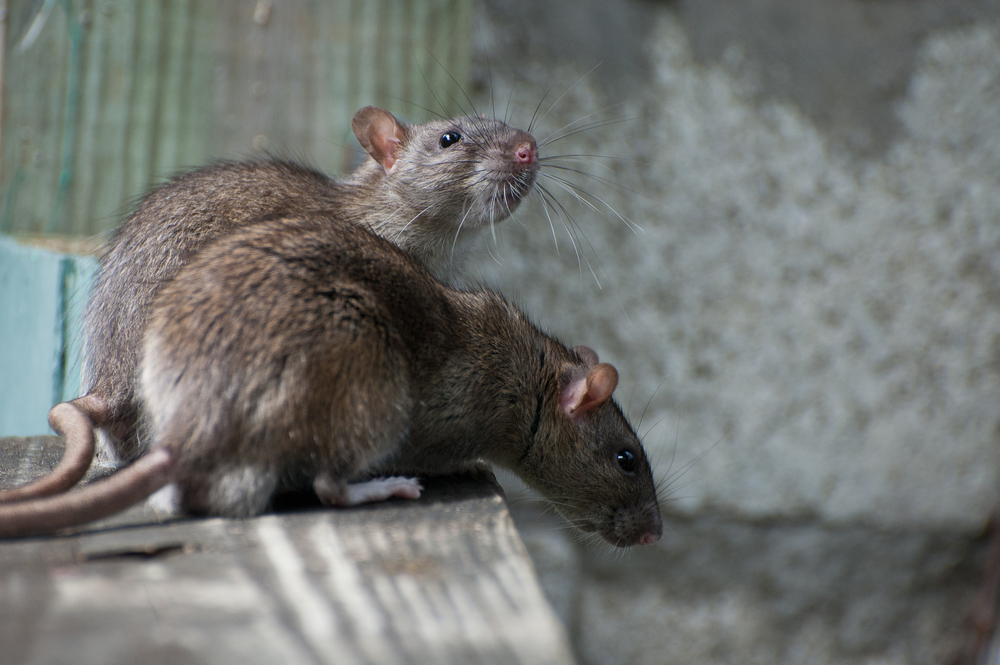
Rats can be an unwelcome surprise for homeowners, especially when these persistent rodents find their way into your property. As unwelcome as they are, you may still have questions about them, such as “What do rats eat?” The answer might surprise you. These omnivorous opportunists possess remarkably versatile diets that enable them to thrive in virtually any environment, from urban Guelph neighbourhoods to rural areas surrounding the city. Understanding their dietary preferences is crucial for effective prevention and control strategies, so today we will count down the top 5 favourite rat foods. These include protein, sweet vegetables, cereals and more.
At Skedaddle, we’ve been humanely removing these creatures from Canadian homes since 1989, and we’ve seen firsthand how they adapt their eating habits to exploit available food sources. Let’s take a closer look.
What Do Rats Eat? Understanding Their Diverse Diet
These rodents are true opportunistic feeders, capable of consuming nearly 10% of their body weight in food daily. Their dietary habits are extremely adaptable, which explains their success as a species throughout history.
Common rat diet components include:
- Grains and cereals
- Fruits and vegetables
- Meats and proteins
- Seeds and nuts
- Human food waste
- Pet food
- Insects and small animals
What makes them particularly successful is their ability to switch between food sources as availability changes. In urban environments, they primarily rely on human-associated food sources, while in rural areas, they may depend more on naturally occurring foods.
The Balanced Nutrition Needed
Despite their reputation as garbage-eaters, rats require a balanced diet to thrive—a fact that’s often overlooked in discussions about rodent control. In both wild and urban settings, they seek out foods that provide:
- Protein: Essential for growth and reproduction, they actively seek protein sources, which explains their attraction to pet food, nuts, and even smaller animals.
- Carbohydrates: A primary energy source, carbs from grains, fruits, and vegetables form the foundation of their diet.
- Fats: Important for energy storage and insulation, they are particularly attracted to high-fat foods like nuts, seeds, and leftovers containing oils.
- Water: Regular access to water is crucial; they can obtain it from foods with high moisture content if necessary.
This nutritional knowledge is key to understanding their behaviour. When they infest your home, they aren’t just looking for any food—they’re strategically seeking a balance of nutrients that supports survival and reproduction.
Rats’ Favourite Foods: Top 5 Preferred Items
Through our decades of wildlife control experience, we’ve identified the foods that these creatures consistently prefer when given choices. These favourite items often become the basis for successful baiting strategies in professional control efforts.
1. Proteins: Meat, Eggs, and Cheese
Rats show strong preferences for protein-rich foods, particularly:
- Raw or cooked meat
- Eggs (both raw and cooked)
- Cheese and dairy products
- Nuts (especially peanuts and almonds)
These high-protein foods attract them because they support rapid growth and reproduction. Female rats nursing their young are especially drawn to protein sources to sustain milk production for their litters, which can include up to 12 pups born every few weeks.
2. Sweet Fruits and Vegetables
They have a notable sweet tooth, making fruits particularly appealing:
- Apples and berries
- Bananas
- Melons
- Sweet corn
- Tomatoes
In homes with gardens or fruit trees, these foods can become significant attractants for nearby populations. Even compost piles containing fruit scraps can draw them to your property.
3. Grains and Cereals
As natural foragers, these rodents are highly attracted to grain-based foods:
- Wheat, barley, and oats
- Rice (both cooked and uncooked)
- Breakfast cereals
- Bread and pasta
- Birdseed
These carbohydrate-rich items provide essential energy and are often easily accessible in pantries, bird feeders, or pet food storage areas. A single improperly stored bag of birdseed in your garage can sustain a rat population for weeks.
4. Fatty and Oily Foods
They have a strong preference for foods high in fats and oils:
- Bacon and fatty meats
- Butters and margarines
- Oils and grease
- Nut butters (especially peanut butter)
This preference explains why greasy food waste and poorly maintained grease traps in restaurants frequently attract them. In homes, even the residue in an uncleaned barbecue grill can lure them to your yard.
5. Pet Food
Commercial pet foods are formulated to be nutritionally complete and highly palatable, making them ideal for these creatures:
- Dry dog and cat kibble
- Wet pet foods
- Fish food flakes
- Rodent foods (ironically, food meant for pet hamsters or gerbils)
Pet food is particularly problematic when left out overnight or stored in easily accessible containers. The combination of proteins, fats, and carbohydrates in pet food provides rats with an ideal nutritional profile.
How Rats’ Eating Habits Impact Your Property
Their dietary needs directly influence their behaviour in and around your home, creating various problems beyond the obvious health concerns.
Property Damage Related to Feeding
Rats cause significant property damage while searching for or accessing food:
- Chewing through packaging: They can gnaw through plastic, cardboard, and even thin metals to access food items in your pantry.
- Damaging structures: They’ll chew through walls, floors, and insulation to reach food sources or create nesting sites near reliable meals.
- Contaminating more than they eat: Rats typically contaminate 10 times more food than they actually consume through droppings, urine, and hair.
- Creating fire hazards: When they chew through electrical wiring while foraging (often attracted by food smells), they create serious fire risks.
Case in point: Our Skedaddle technicians recently helped a homeowner who couldn’t understand why these rodents were concentrated in their living room walls. Upon inspection, we discovered they were attracted to a forgotten stash of Halloween candy hidden by their child inside a wall vent!
Health Risks Associated with Feeding Behaviours
The way rats eat creates specific health hazards:
- Food contamination: They lack bladder control and continuously dribble urine while traveling and feeding, contaminating surfaces and food.
- Disease transmission: Through their feeding activities, they can spread over 35 diseases, including Hantavirus, Leptospirosis, and Salmonellosis.
- Allergen distribution: They spread allergens through saliva, urine, and dander while feeding, which can trigger asthma and allergic reactions.
- Secondary pest infestations: Food scraps left by rats can attract other pests like cockroaches and flies, worsening your pest problems.
Practical Steps to Prevent Attracting These Rodents
Understanding what rats eat allows us to develop effective prevention strategies. Here are practical steps you can take to make your home less attractive to these unwanted visitors:
1. Proper Food Storage Techniques
The foundation of effective prevention is eliminating easy access to food:
- Store all dry goods (grains, cereals, pet food) in heavy plastic, metal, or glass containers with tight-fitting lids.
- Keep fruits and vegetables refrigerated rather than in open bowls.
- Transfer pet food from bags to sealed containers.
- Clean up pet food immediately after feeding; never leave food out overnight.
2. Managing Outdoor Attractants
Many homeowners focus on indoor food sources but neglect outdoor attractants.
Call Skedaddle for Humane Rodent Control
By understanding the dietary preferences and habits of rats, you can take meaningful steps to protect your home. From ensuring that your home storage systems are rodent-resistant to managing outdoor spaces effectively, consistent prevention efforts are essential. But if rats have already made their presence known in your property, turning to a professional wildlife control service can offer peace of mind. Contact Skedaddle in Guelph today for comprehensive, humane solutions to keep your home safe and rodent-free!

 Loading...