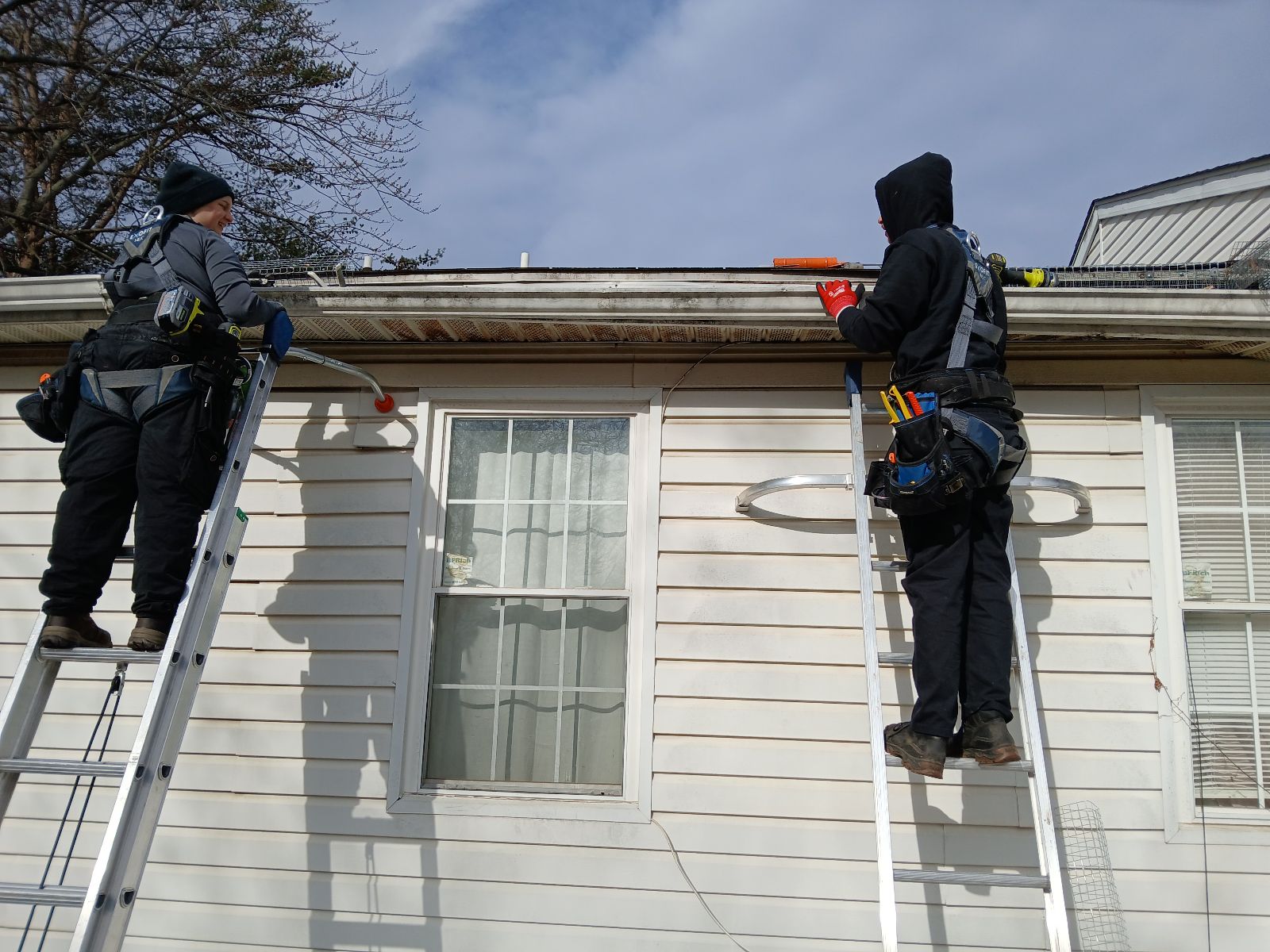

Winter in Baltimore can be beautiful, with frost-covered streets and cozy nights by the fire. But while we enjoy the warmth inside, wildlife outside is facing a very different reality. Cold temperatures, snow, and limited food sources drive animals to seek shelter wherever they can. Unfortunately, this often means wildlife in the chimney, creating potential hazards for homeowners.
At Skedaddle Humane Wildlife Control, we see this happen every winter. Animals like squirrels, raccoons, birds, and even bats are instinctively searching for safe, warm spaces to survive. Understanding why this happens and how to protect your home is the first step in keeping both your family and local wildlife safe.
Why Winter Weather Pushes Wildlife Into Chimneys
As winter sets in, natural resources become scarce. Temperatures in Baltimore can drop below 30°F in January, and snow can cover the ground for days. Wildlife responds by looking for areas that provide:
- Warmth away from the elements
- Safety from predators
- A quiet place to rest or nest
Some species, like raccoons, remain active all winter, while others, like squirrels, reduce activity but still need shelter. Birds may also seek out chimneys and vents as a temporary refuge from cold weather.
According to wildlife studies, nearly 30% of chimney-related wildlife calls in urban areas occur during winter months. This makes winter wildlife control in Baltimore especially important for homeowners.
Why Chimneys Are So Attractive
Chimneys and vents mimic the natural shelters animals seek. They are:
- Warm, especially when the fireplace is in use
- Dark and protected from predators
- Quiet and elevated above ground-level disturbances
For wildlife in the chimney, these features make chimneys an ideal winter home. Even when fireplaces are not in use, the structure itself provides a secure environment.
Signs of wildlife activity in chimneys may include:
- Scratching or scurrying noises, especially at night
- Droppings or debris at the base of the fireplace
- Unusual odors or soot disturbance
Recognizing these signs early can help prevent bigger problems and protect your home.
Risks of Wildlife in the Chimney
While it may seem harmless, wildlife in the chimney can create several risks for homeowners. These include:
- Fire hazards from nesting materials such as leaves, twigs, or other debris
- Health concerns from bacteria, mites, and other organisms that may affect indoor air quality
- Property damage from chewing, nesting, and droppings that can affect masonry, flues, and fireplace components
- Noise and stress caused by nighttime activity
Statistics show that homes with chimney wildlife issues have a 20% higher risk of experiencing property damage if the problem is not addressed promptly.

Common Winter Visitors in Baltimore Chimneys
Several types of wildlife are most likely to seek warmth in chimneys during winter. Understanding their habits can help homeowners be more aware:
- Squirrels: Active during the day and evening, squirrels are excellent climbers and often explore chimneys when searching for shelter
- Raccoons: Primarily nocturnal, raccoons may enter chimneys looking for a safe place to rest during the day
- Birds: Small birds like sparrows and starlings may enter chimneys to escape harsh weather
- Bats: Though less common, bats can occasionally roost in chimneys during winter if access is available
By knowing which animals are active in winter, homeowners can better understand the risks and signs of wildlife in the chimney.
Prevention and Safe Solutions
At Skedaddle, we focus on humane and effective ways to prevent wildlife from entering chimneys. Preventing entry is always safer and more efficient than dealing with problems after animals have made themselves at home.
Some safe prevention measures include:
- Professional chimney inspections to ensure your chimney is structurally sound and free from potential entry points
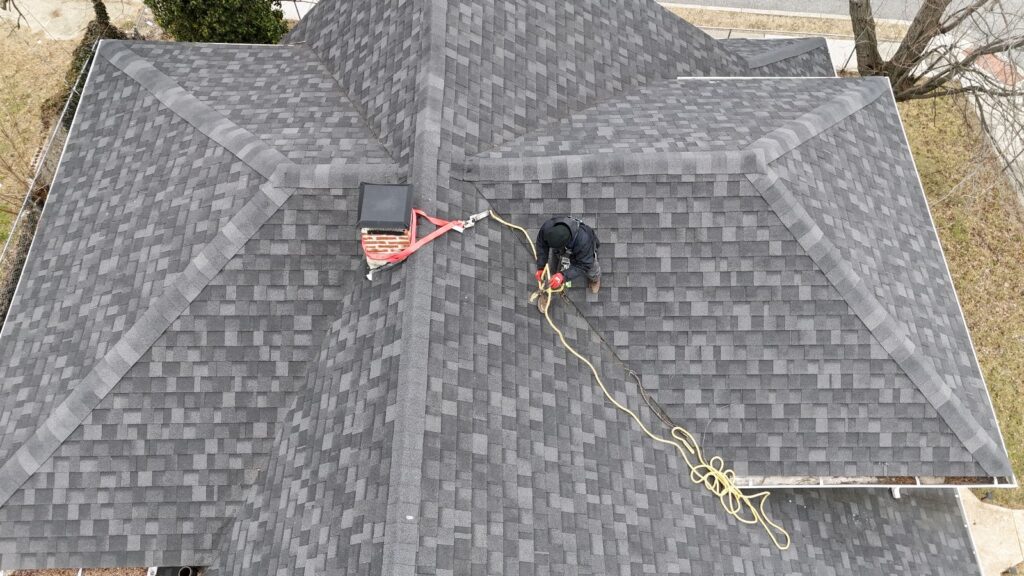
- Chimney caps and screens installed by professionals to prevent wildlife from entering while allowing smoke to exit safely
- Seasonal awareness, since winter months are peak times for wildlife activity
We emphasize that all prevention measures are handled safely by experts. Attempting to remove wildlife on your own is risky and can cause injury to both animals and homeowners.
The Role of Seasonal Behavior
Wildlife patterns change throughout the year. In winter, animals are motivated by cold temperatures and food scarcity, making chimneys particularly attractive. Some important seasonal patterns to know:
- Raccoons are nocturnal and increasingly active during cold snaps
- Squirrels remain alert during daylight and are likely to investigate chimneys when other shelters are scarce
- Birds seek out temporary shelter, especially during snowstorms or freezing rain
At Skedaddle, we monitor local wildlife trends in Baltimore to anticipate seasonal risks. By understanding behavior patterns, we can better advise homeowners on prevention strategies.
How Skedaddle Helps Homeowners
Our approach to winter wildlife control in Baltimore focuses on safety, prevention, and humane solutions. When we respond to wildlife in the chimney, we:
- Conduct professional inspections to assess risk
- Install protective barriers like chimney caps or screens
- Advise on maintenance and seasonal awareness to prevent future problems
- Educate homeowners on how to recognize early signs of wildlife activity
Our goal is always to protect homes while respecting wildlife. Homeowners can rest easy knowing their family and property are safe, and animals are treated humanely.
Studies show that professionally installed chimney caps can reduce wildlife entry by up to 90%, making them one of the most effective preventative measures available.
Staying Safe and Prepared This Winter
Winter in Baltimore brings beauty and warmth—but also challenges for local wildlife. Cold weather naturally drives animals to seek out chimneys, creating potential risks for homeowners. Understanding the signs of wildlife in the chimney and taking proactive measures is key to keeping your home safe.
At Skedaddle Humane Wildlife Control, we provide professional, humane solutions to prevent and manage wildlife in chimneys. From inspections to protective installations, our team ensures your home is secure while treating animals with respect. This winter, staying vigilant and proactive can help protect your home and keep local wildlife safe.

 Loading...