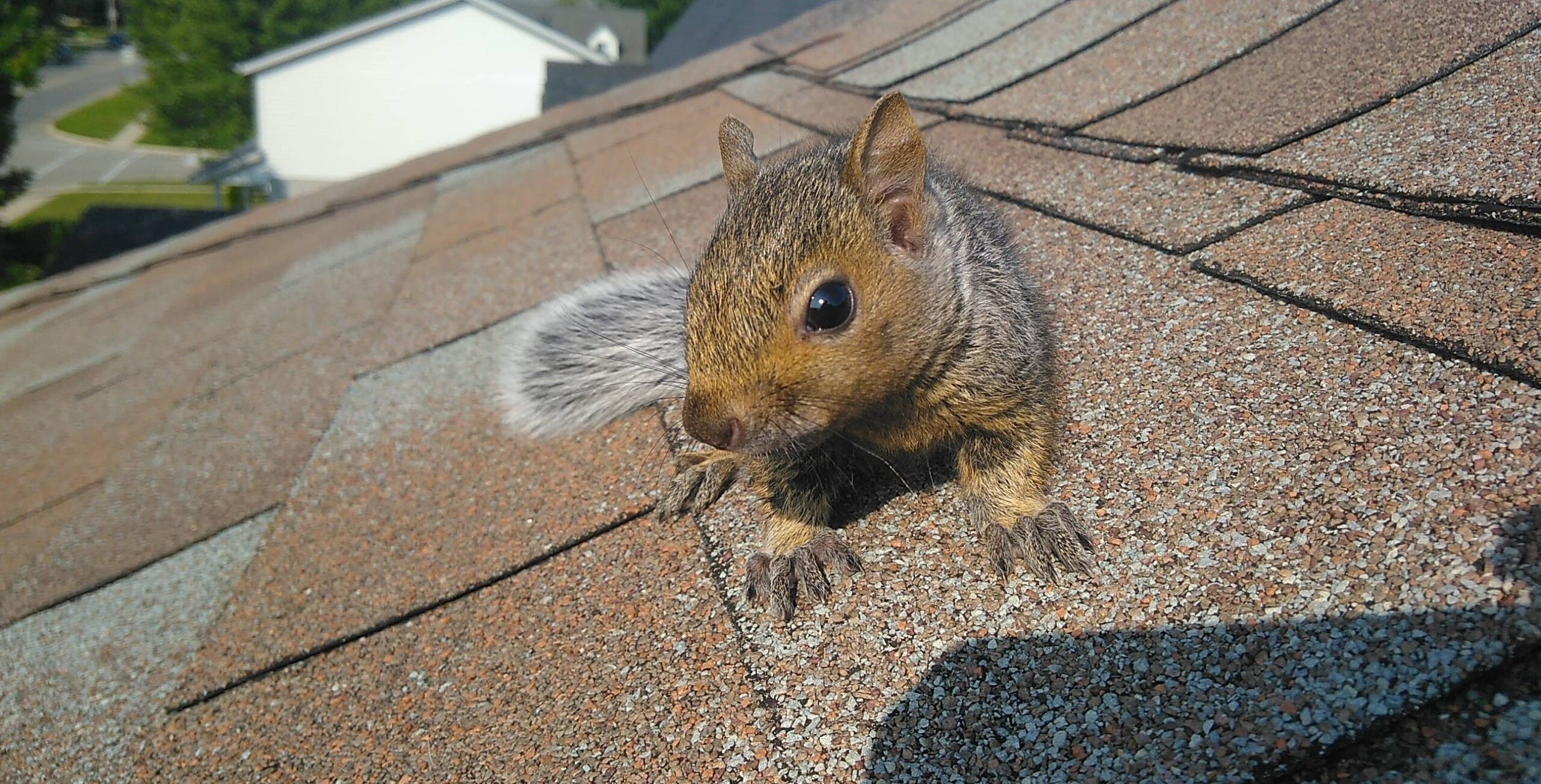

Ever wondered why squirrels in Baltimore seem to be in a constant state of motion, zipping up trees near the Washington Monument or darting across Patterson Park with seemingly boundless energy? As wildlife specialists at Skedaddle Humane Wildlife Control, we’ve observed the fascinating phenomenon of why these small mammals are active throughout Baltimore neighborhoods and across Maryland. Their perpetual motion isn’t just random—it’s a carefully orchestrated survival strategy that has evolved over thousands of years.
Squirrels are among nature’s most energetic creatures, moving with purpose and determination that can sometimes leave us wondering where they get all that energy. Whether they’re gathering acorns, building nests, or evading predators, these lively animals demonstrate remarkable stamina that serves critical roles in their daily survival. Let’s explore what drives this hyperactive squirrel energy behaviour and uncover the science behind their seemingly unlimited energy reserves.
The Biology Behind Squirrel Activity Explained
Squirrels’ impressive energy output is no accident—it’s the result of specialized biological adaptations that have evolved to support their active lifestyle.
Metabolic Marvels
Squirrels possess a metabolism uniquely designed for their energetic lifestyle:
- High-energy diet: These creatures consume a calorie-dense diet of nuts, seeds, fruits, and fungi that provides substantial energy in relatively small portions.
- Efficient digestion: Their digestive systems are optimized to extract maximum nutrients quickly, converting it to usable energy.
- Specialized muscle fibers: Their muscles contain a high percentage of fast-twitch fibers, enabling rapid bursts of speed and the quick reflexes needed for tree navigation.
- Body temperature regulation: Squirrels maintain a relatively high body temperature (around 101°F), supporting their active metabolism and quick movements.
- Heart rate adaptations: A squirrel’s heart can beat up to 500 times per minute during activity—several times faster than a human’s—allowing rapid oxygen and nutrient delivery to muscles.
These biological features create the perfect energy delivery system for a creature that must stay in constant motion to thrive. This energy behavior is particularly noticeable in urban environments like Baltimore, where resources may be more scattered and competition more intense.
Daily Rhythms: Understanding Squirrel Activity Patterns
If you’ve ever observed squirrels throughout a typical day, you’ve likely noticed distinct patterns in their activity levels. These patterns aren’t random but follow predictable rhythms that maximize their chances of survival.
Peak Activity Times
Squirrels typically follow a bimodal activity pattern with two main peaks:
- Morning rush hour: They are most active in the early morning hours, particularly the first few hours after sunrise, beginning their daily foraging after conserving energy overnight.
- Late afternoon surge: A second burst of activity occurs in the late afternoon as they prepare for the night, gathering last-minute food and returning to their nests.
- Mid-day lull: During the peak heat of the day, especially in summer, squirrel activity often decreases to conserve energy and avoid heat stress.
- Weather influences: Rainy days typically see reduced activity, while moderate temperatures increase movement and foraging behavior.
Location matters, too. Urban Baltimore squirrels have slightly adapted their schedules compared to rural counterparts. Research shows that urban squirrels may shift their activity to earlier mornings and later evenings to avoid human disturbances during busy daytime hours.
Understanding these patterns helps explain why squirrel activity detailed in scientific literature often emphasizes their crepuscular tendencies—being most active during twilight periods—though they remain primarily diurnal creatures overall.
The Urban Factor: How Baltimore’s Environment Shapes Squirrel Behavior
Baltimore’s unique urban landscape significantly influences local squirrel behavior. The city environment creates special challenges and opportunities that shape why squirrels are active in distinct ways compared to their rural cousins.
Urban Adaptation Strategies
Various factors are at play:
- Resource patchiness: In Baltimore’s neighborhoods, food resources are concentrated in specific areas—like parks, yards with bird feeders, or nut-bearing trees—requiring squirrels to travel more extensively between these patches.
- Human schedules: Local squirrels have learned to time their activities around human patterns, often becoming more active during quieter periods when fewer people are present.
- Predator dynamics: With fewer natural predators in the city but more human-related dangers (like traffic), urban squirrels exhibit different vigilance behaviors, sometimes appearing more frenetic as they navigate these novel threats.
- Temperature effects: The urban heat island effect means Baltimore can be several degrees warmer than surrounding areas, potentially extending squirrel activity seasons and altering their daily rhythms.
Competition intensity is another factor. Higher squirrel densities in urban parks lead to increased competition for resources, driving movement, territorial behavior, and food caching activity.
This urban influence on energy behavior is particularly evident in Baltimore’s popular green spaces like Druid Hill Park or the grounds around the Baltimore Museum of Art, where squirrel populations have adapted specifically to the rhythm of city life.
Seasonal Energy Shifts: How Weather Affects Squirrel Activity
One of the most fascinating aspects of squirrel behavior is how dramatically their activity levels shift with the changing seasons. In Baltimore’s variable climate, these seasonal adjustments are particularly pronounced.
The Seasonal Activity Calendar
- Spring energy surge: As temperatures warm in spring, squirrels experience a significant boost in activity with increased territorial behavior, mating pursuits, and nest building for the first litter of the year.
- Summer maintenance mode: Summer brings a steadier rhythm of foraging and caring for young, with activity often concentrated in early mornings and evenings to avoid midday heat.
- Fall hyperactivity: Autumn triggers perhaps the most remarkable energy display as squirrels enter a phase called “hyperphagia”—an intense period of food gathering and caching. During this time, a single squirrel might bury thousands of nuts, sometimes working 15+ hours a day.
- Winter conservation: While they don’t hibernate, winter sees reduced activity with most energy directed toward retrieving cached food and maintaining body heat.
Female squirrels experience energy spikes during their two breeding seasons, which in Baltimore typically occur in December-February and May-June.
These seasonal shifts explain why squirrel activity discussed by biologists often emphasizes their remarkable fall caching behavior—when squirrels appear frantic in their food-gathering efforts—and their surprising winter presence when many other creatures are dormant.
The Food-Energy Connection: Fueling All That Motion
The remarkable energy output of these creatures is directly connected to their specialized diet and unique feeding strategies. Understanding what powers these energetic mammals helps explain their seemingly perpetual motion.
Nutritional Powerhouses
High-quality fuel sources are key for squirrels:
- Nuts and seeds: Rich in fats, these provide concentrated energy that can be efficiently stored and utilized.
- Tree buds and flowers: Offer proteins and easily digestible sugars for quick energy.
- Fungi and insects: Supply essential proteins and micronutrients that support muscle function and energy production.
- Occasional fruits: Provide quick-release carbohydrates for immediate energy needs.
Squirrels also employ sophisticated energy management strategies:
- Body fat accumulation: They can increase their body weight by up to 25% in fall, providing energy reserves for leaner winter months.
- Food caching: By storing thousands of nuts, they create external energy reserves that can be accessed when needed—a strategy that requires significant memory capacity and spatial awareness.
- Selective digestion: Squirrels can adjust their digestive efficiency based on food quality and energy needs, extracting more nutrition from lower-quality food when necessary.
In addition, behavioral adaptations play a role. They make complex decisions about energy expenditure versus gain, often traveling farther for higher-quality food, balancing the risks of their energetic pursuits with the rewards of plentiful nourishment.
Keeping Squirrels Under Control with Skedaddle
Understanding the intricate relationship between food, energy, and survival strategies helps maintain the high activity levels that characterize squirrels in Baltimore and beyond. If keeping squirrels at bay is crucial for maintaining your property, contact Skedaddle Humane Wildlife Control. Our expert services ensure your home remains undisturbed by these vibrant creatures while respecting their natural behavior.

 Loading...

