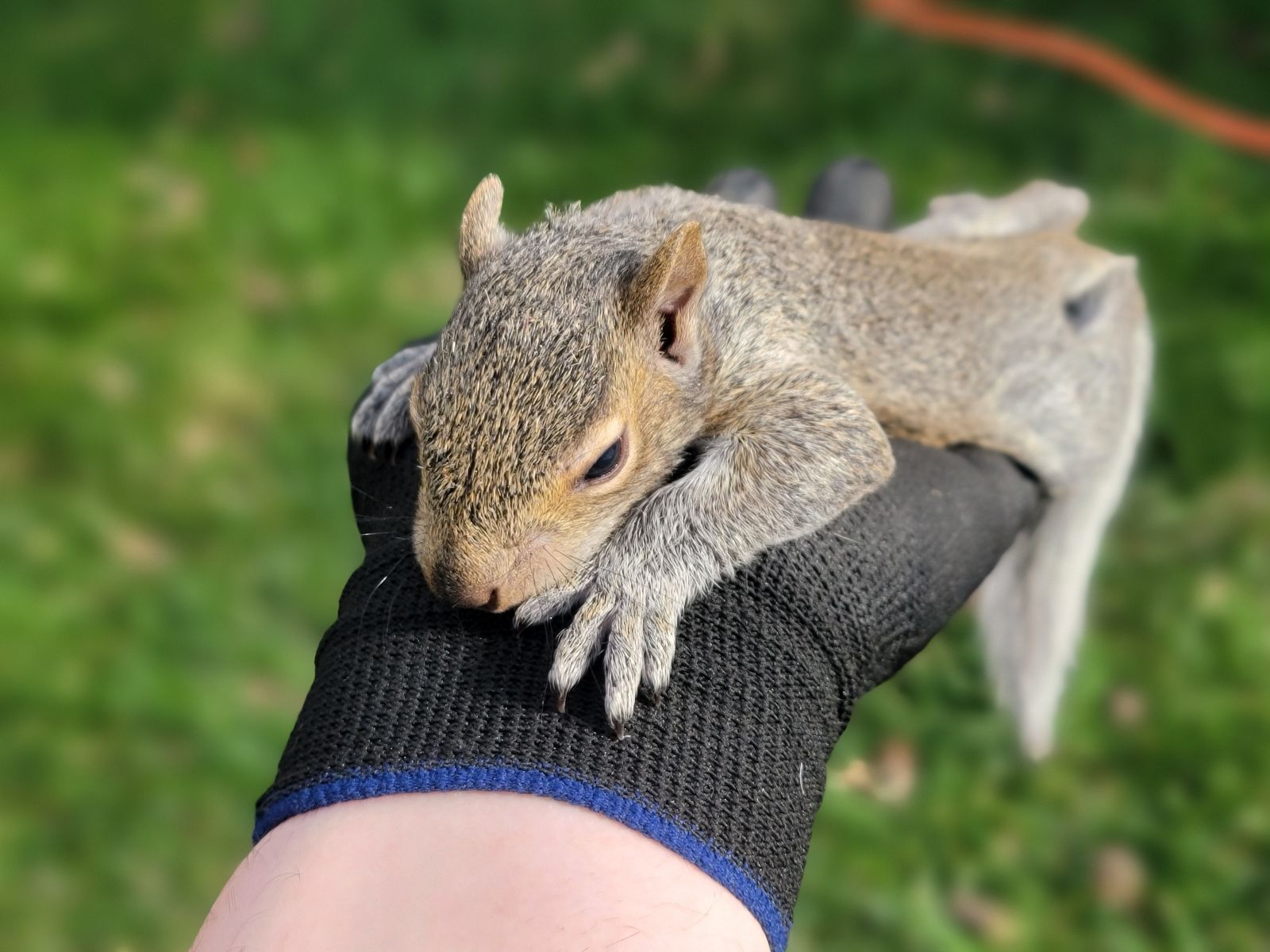
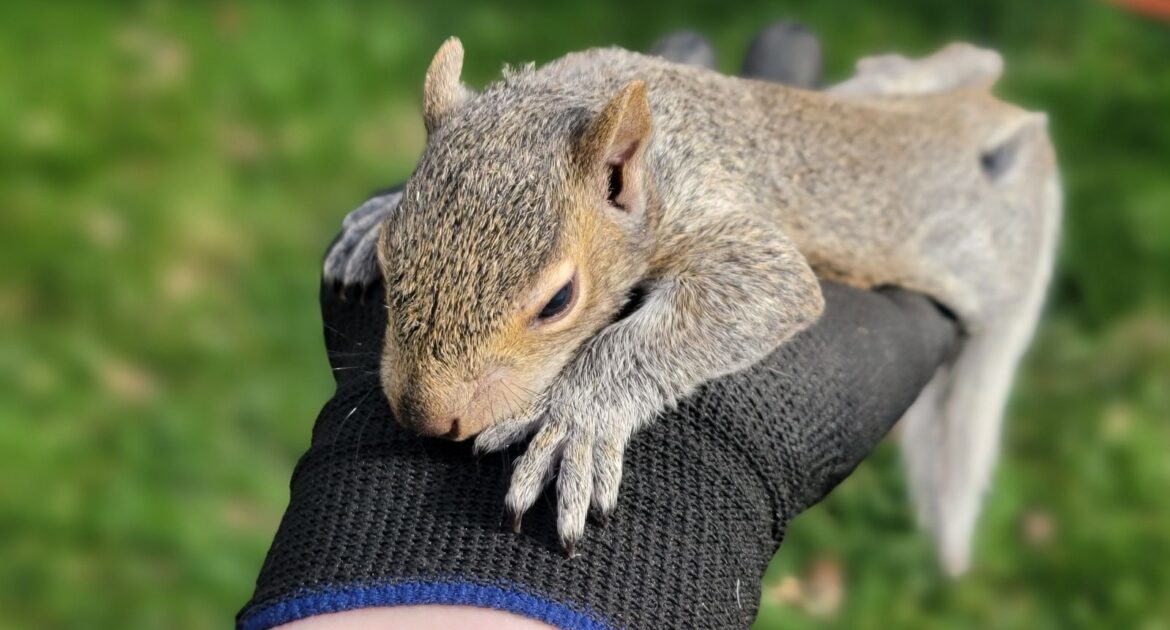
Squirrels chew constantly because their teeth grow continuously throughout their lives, requiring regular gnawing to keep them trimmed and functional. For Baltimore homeowners observing squirrels darting through Patterson Park or scampering along rowhouse roofs near the Inner Harbor, this behavior is a natural, survival-driven activity rather than random destruction. Understanding why squirrels chew is essential for protecting your property while respecting wildlife.
With over 30 years of experience in humane wildlife management, Skedaddle experts know the science behind squirrel chewing and how to mitigate its impact on homes and businesses.
The Science of Squirrel Teeth Growth
For all types of squirrels, from black and grey to red, their sharp teeth are not only essential for eating but for survival. What sets them apart is continuous growth — unlike many mammals, these rodents’ teeth never stop getting longer. To avoid dental issues, squirrels must manage this ongoing growth with constant gnawing, which prevents overgrown teeth from causing health problems or interfering with their ability to eat.
Rodent dental habits are driven by evolution and function. The front incisors feature exceptionally tough enamel on the outside and softer dentin on the inside, leading to a self-sharpening wedge shape as they chew. This unique structure, combined with a high metabolism, means they are compelled to keep gnawing.
Squirrel teeth can grow at an astonishing rate — research suggests their incisors can reach up to 6 inches per year if not regulated. Left unchecked, those teeth could curve into their mouths, causing injury, which is one reason why these rodents spend considerable time chewing nearly anything they discover.
As we explore why squirrels chew, it becomes clear that their need isn’t simply a habit or boredom but a built-in dental health practice that doubles as a survival tool.
Why Squirrels Chew: Natural Instincts and Necessities
While the sight of a squirrel gnawing on a tree branch or your attic’s wooden beams might seem random, every chew serves a critical purpose. The answer to why they chew so often starts with basic biology:
- Chewing keeps teeth from overgrowing and causing painful injuries.
- Gnawing sharpens their teeth, enabling them to more efficiently process tough foods such as nuts and seeds.
- This activity allows access to food, shelter, or nesting materials.
- Continuous chewing helps detect weaknesses in potential nest sites, including roof soffits and vents.
Their curious nature means they’ll test a variety of textures to assess what’s useful or edible.
The reason for such frequent chewing ties directly to their need for survival. By working their teeth on both natural and man-made materials, squirrels maintain their dental health, ensuring they can continue climbing, foraging, and defending their territory.
Next, we’ll look more closely at how unchecked teeth growth can affect not only squirrels but homes and businesses throughout Baltimore.
Unchecked Squirrel Teeth Growth and Its Effects
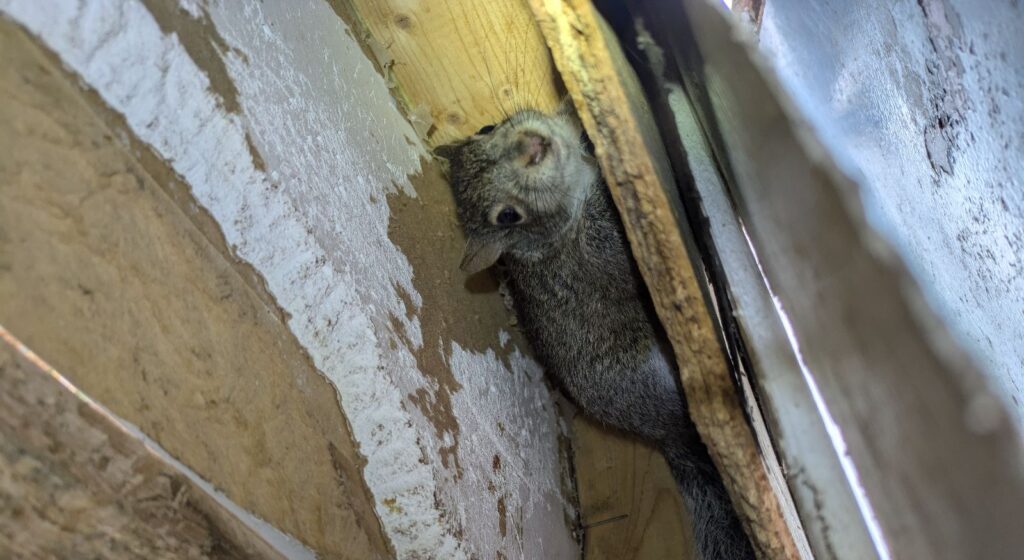
If a squirrel doesn’t have opportunities to chew, the results can be serious for both the animal and its surroundings. Overgrown incisors can curve into the palate, make eating impossible, or even puncture vital organs — all of which threaten their health. In nature, wild squirrels avoid these problems by chewing on wood, nuts, and tough seeds. However, in urban environments, where chewable items may be scarce or food access interrupted, unusual targets become common.
- Wooden structures: Beams, window frames, and other wooden elements are often gnawed.
- Plastic materials: Piping and siding may be chewed, leading to structural damage.
- Electrical hazards: Wires are targeted, creating potential fire risks.
- Other vulnerable areas: Attic insulation, aluminum flashing and vents, and vinyl siding or trim can also be damaged.
The side effect in neighborhoods such as those near Fort McHenry or Federal Hill isn’t just minor gnaw marks; squirrels can create extensive damage, opening holes that allow for further wildlife entry while increasing repair costs.
Regular chewing isn’t simply a rodent dental habit — it’s a powerful force that, if unchecked, can have major consequences. With this in mind, it’s important for property owners in Baltimore to recognize and address the risks through effective preventive strategies.
What Materials Do Squirrels Prefer to Chew?
Observing the behavior of these agile rodents leads to another popular question: What materials do squirrels prefer to chew? Their natural favorites include hard nuts, acorns, and tree bark. However, when living near people, these animals may choose from a broad range of materials, such as softwoods like pine or cedar, dried twigs and mulch, plastic vent covers, flexible roofing materials, foam and insulation inside attics, and electrical wiring jackets.
Squirrels are resourceful and will work on any material that provides the right resistance and helps keep their incisors under control. Their adaptability means nearly any structure on your property could become a target, particularly if they are creating a den or seeking nesting spots.
This need to test and gnaw emphasizes the importance of ongoing maintenance and targeted intervention, particularly for older properties or those near green spaces such as Druid Hill Park.
How Squirrels’ Chewing Habits Impact Human Environments
Living near the Inner Harbor or in bustling neighborhoods like Canton, residents and business owners alike encounter the realities of squirrels’ chewing. The same forces behind why they chew allow them to create gaps in soffits, invade attics, or gnaw through wiring. The impact of these actions includes structural damage to wooden trusses and roof beams, holes in siding, fascia, or eaves, increased risk of electrical fires from gnawed wires, and damaged insulation leading to increased heating or cooling expenses.
Moreover, contamination from droppings, urine, and nesting material can spread bacteria and parasites. Repeated entry and exit points allow more rodents and wildlife into buildings, magnifying the problem.
Squirrels may be tiny, but their need to file down teeth through gnawing, driven by relentless teeth growth, leads to consequences that cannot be overlooked.
Many animal lovers may not realize that continuous chewing serves as essential dental care for squirrels. Without appropriate materials to gnaw, dental disease and suffering can emerge, along with broader negative effects on the ecosystem and property structures.
Preventing and Managing Squirrel Damage
As local wildlife experts, we recognize that effective solutions require a focus on both animal welfare and exclusion strategies. Preventing squirrel damage starts with understanding how their behavior connects to biology — not malice — and acting proactively.
To help Baltimore homeowners and businesses protect their properties, here are the best practices:
- Schedule seasonal inspections, especially before fall, to identify potential weak points where squirrels could enter.
- Trim tree branches and vegetation at least six feet from rooflines to eliminate access points.
- Secure vents, soffits, and chimneys with heavy gauge screening material.
- Replace deteriorating wood or siding, as squirrels are likely to seek out weaker materials to chew through easily.
- Store food, bird seed, and garbage in sealed containers away from attics or crawlspaces.
- Listen for unusual sounds in ceilings or walls, especially at dawn and dusk.
Taking these measures can significantly reduce the risk of unwanted squirrel entry and consequent damage from their chewing habits.
Should you already suspect a squirrel intruder, professional assistance is essential. Do not attempt to resolve a wildlife issue independently, as improper handling can harm both the animals and your home.
How Skedaddle Can Help with Humane Squirrel Control
With over 30 years serving communities like Baltimore, we’ve witnessed firsthand the impact that squirrels and their chewing can have on local homes and businesses. Our experienced wildlife technicians begin every project with a thorough inspection, utilizing their knowledge of rodent dental habits and building structures to pinpoint every entry and potential hazard.
When you call us, here’s how we assist:
- Perform a comprehensive assessment of your property to discover all current and future access points.
- Develop a tailored removal and exclusion plan that suits your building’s age, architecture, and the nature of the squirrel activity.
- Remove squirrels (and any young ones) humanely, reuniting families outside and blocking their return with professional-grade materials.
- Repair and clean damaged areas — including soiled insulation and harmful nesting materials — to restore safety and integrity.
- Seal every entry with heavy-duty screens and products designed to withstand weather and squirrel teeth growth.
- Deodorize and sanitize affected spaces to deter further wildlife attention.
- Offer ongoing advice to minimize future squirrel encounters and damage.
Our hands-on, humane approach prioritizes wildlife safety and property values. We never recommend simply waiting for squirrels to leave or resorting to unsafe home remedies. Instead, our blend of scientific understanding and practical expertise ensures the issue is addressed correctly from start to finish.
Skedaddle’s team is always ready to answer questions or assist with urgent matters — whether you dwell in a historic rowhouse or manage a waterfront business.
Let’s help you understand your wildlife neighbors — and keep them where they belong. If you notice signs of chewing, hear scratching from the attic, or simply want peace of mind this winter, give us a call to arrange your personalized inspection.
Secure Your Property from Squirrel Chewing Hazards
Squirrels’ relentless chewing is more than a quirky habit—it’s a biological necessity, with their ever-growing teeth driving them to gnaw on everything from natural materials to your home’s structure. This behavior safeguards the animals’ dental health, but it can lead to trouble for homeowners, resulting in costly repairs and potential safety issues. With Baltimore’s unique urban landscape, the risk of squirrels finding—and damaging—entry points increases, particularly as colder months arrive when they seek shelter indoors.
Don’t let unnoticed squirrel activity compromise your property’s safety or value. Skedaddle’s skilled wildlife technicians combine an understanding of squirrel behavior with decades of practical experience to deliver humane, thorough, and lasting solutions. Contact us today to schedule your tailored inspection and protect your home from persistent chewers. Peace of mind starts with expert intervention—let us manage your wildlife issues so you can focus on enjoying your space, squirrel-free.

 Loading...







