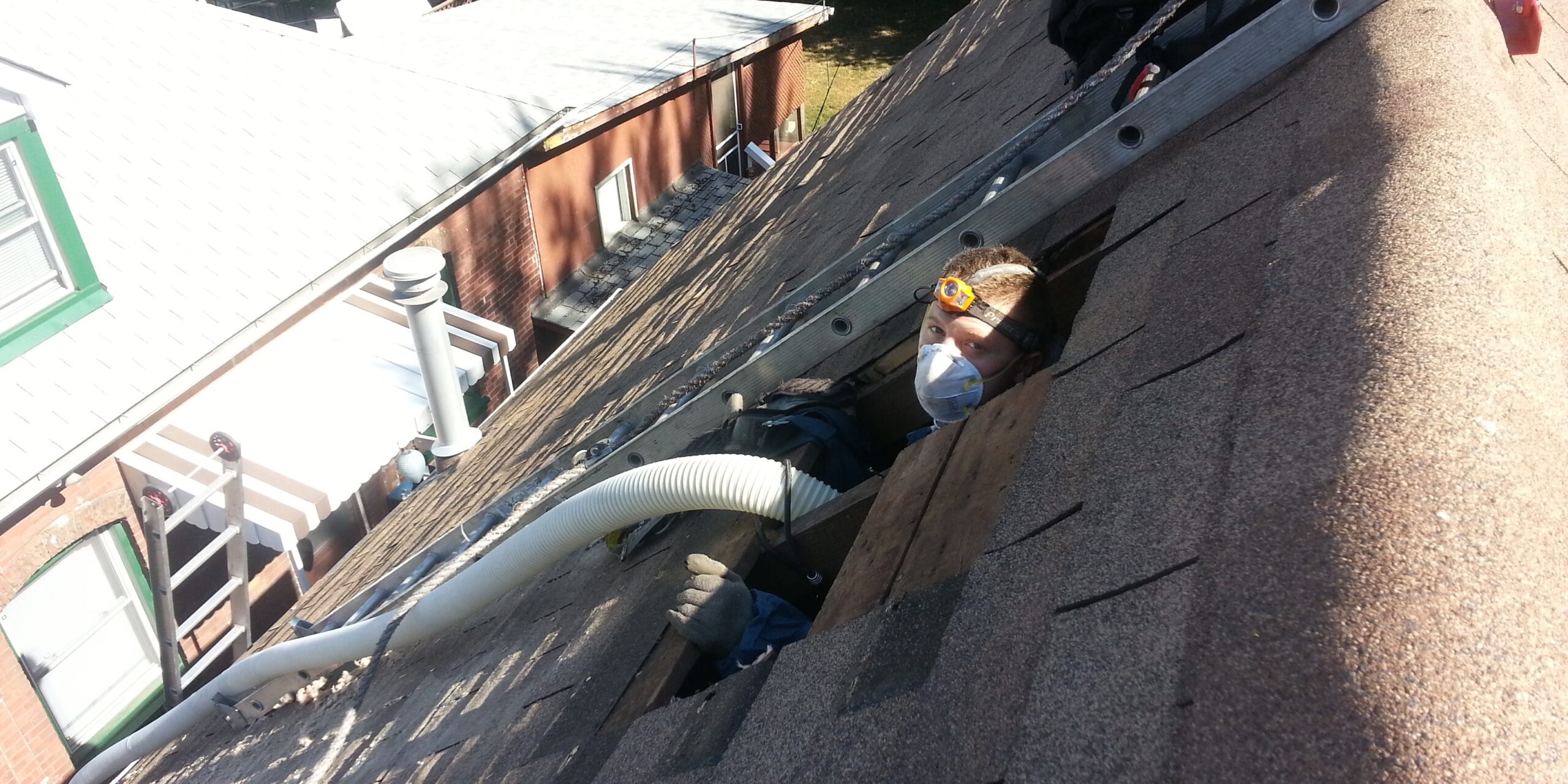
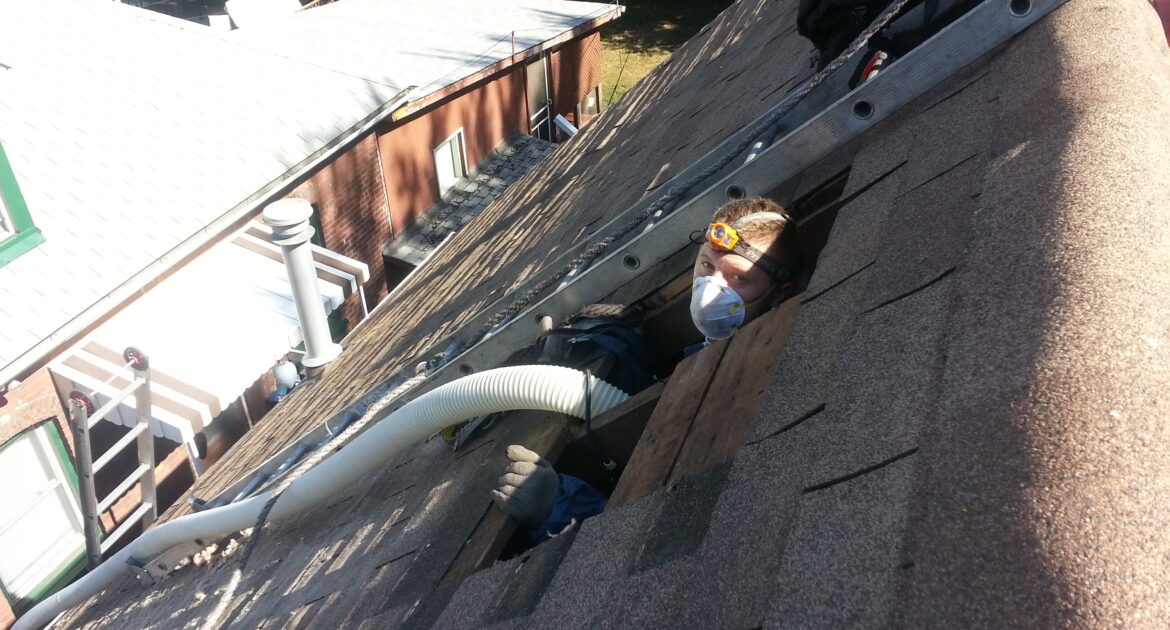
You might not think about what’s happening in your attic during the cold months, but some uninvited guests could be moving in. When temperatures drop in Barrie, raccoons in attic insulation become a big problem for many homeowners. These animals love warm, quiet spaces where they can hide from snow, wind, and freezing nights and your insulation provides the perfect setup.
You may hear light thumping or scratching overhead or notice odd smells coming from the ceiling. That’s because raccoons often tear up insulation to build cozy nests for winter shelter. Their winter raccoon nesting habits can lead to expensive repairs, unsafe conditions, and even fire hazards.
At Skedaddle Humane Wildlife Control in Barrie, we’ve seen how much damage raccoons can cause in just a few short weeks. The good news? You can stop the problem early. Here’s how these animals use your insulation to stay warm and why professional prevention is the key to protecting your home.
1. Warm Insulation Feels Like a Cozy Den
Raccoons look for warmth in the same way you do during the winter. Your attic offers a dry, insulated space protected from wind and snow. Once they squeeze through an opening, they pull apart the insulation to make it even softer and warmer.
They love:
- Insulation, which traps heat and feels cushioned
- Dark corners and tight spots that mimic hollow trees
- Areas near vents or chimneys that provide steady warmth
Unfortunately, this nesting behaviour can ruin your insulation’s effectiveness. When the material becomes compacted or soaked with waste, it can’t hold heat properly, driving up your energy costs.
2. Female Raccoons Prepare for Baby Season
You might not realize it, but winter raccoon nesting habits are all about preparation. Female raccoons often seek out attic spaces in late winter because baby season begins in early spring. They want a safe, hidden place to raise their young away from predators.
Once a female settles in, she’ll bring nesting materials like leaves and insulation fibres to create a warm den. You may hear gentle rustling or cooing sounds as she prepares for her litter.
By the time you notice these signs, she’s already made herself at home and removing her requires humane, professional help to avoid separating her from her babies later.
3. Insulation Damage Adds Up Fast
Even one raccoon can destroy large sections of attic insulation in a short time. They tear it up for nesting, push it aside to move around, and soil it with urine and feces. The longer they stay, the worse it gets.
Here’s what you might face:
- Flattened Insulation: reduces warmth and increases heating costs
- Contaminated Areas: can create strong odours and health risks
- Structural Damage: raccoons sometimes chew through wires or wooden beams
This kind of destruction can spread quickly. That’s why early detection and preventing raccoon attic damage is so important.
4. How They Get Into Your Attic
You might wonder how raccoons even get inside your home. These animals are strong climbers and problem-solvers. They can climb downspouts, jump from trees, or pull apart weak areas on your roof.
Common entry points include:
- Loose shingles or roof vents
- Torn soffits and fascia boards
- Chimneys without proper covers
- Gaps where siding meets the roofline
Once they find an entry, they return to it year after year unless it’s properly sealed. Skedaddle uses humane one-way doors that allow animals to leave safely while preventing re-entry, the most effective and ethical way to stop repeat intrusions.
5. You’ll Hear Them Before You See Them
Raccoons are nocturnal, which means they’re most active at night. You’ll likely hear movement before you ever see the damage.
You may notice:
- Thumping or dragging sounds in the ceiling
- Soft chittering noises (especially if babies are present)
- Scratching or clawing near vents or eaves
If you hear these sounds after dark, it’s a strong sign that raccoons in attic insulation may already be nesting. Don’t try to check yourself; our professionals should handle inspections safely to avoid contact or damage.
6. Droppings and Odours Signal a Serious Problem
When raccoons use your attic for nesting, they don’t leave for bathroom breaks. Over time, waste builds up in the insulation, creating strong smells that can drift through vents and walls.
Besides odour, droppings can carry harmful bacteria that shouldn’t be handled without protection. They can also attract insects or other animals looking for food or nesting space.
If your home starts to smell musty or strange, or you notice dark stains on ceilings, it’s likely from a raccoon infestation that’s been there for a while.
7. How Insulation Damage Affects Your Home
You might think raccoons only cause messes, but the damage runs deeper. Damaged insulation changes how your home traps heat, meaning your furnace must work harder to keep temperatures stable.
Over time, that leads to:
- Higher energy bills
- Cold spots in rooms under the attic
- Poor air quality from contaminated materials
Fixing insulation after a raccoon infestation often means replacing large sections of it. Prevention, on the other hand, keeps your home efficient and comfortable year-round.
Professional Prevention Makes the Difference
You might not see every weak spot in your home, but trained professionals know where to look. At Skedaddle, we inspect roofs, vents, and siding for any signs of tampering or wear. We then install exclusion barriers and seal vulnerable areas to prevent raccoon attic damage before it starts.
Our process also includes one-way doors, which let animals leave naturally but prevent them from returning. It’s humane, effective, and safe, especially during the cold months when mothers may be nearby.
When your attic is secure, you don’t just stop damage, you protect your home’s comfort and value.
Keep Your Home Warm and Protected This Winter
When it’s cold outside, your home should be a warm, peaceful place, not a nesting spot for unwanted guests. Acting early to stop raccoons in attic insulation helps you avoid costly repairs, health risks, and sleepless nights.
At Skedaddle Humane Wildlife Control in Barrie, we understand winter raccoon nesting habits and know exactly how to protect your home. Our humane one-way doors and long-term prevention methods make sure animals leave safely and stay out for good.
Request an estimate to learn more about how we can prevent raccoon attic damage this winter. You’ll enjoy peace of mind knowing your attic and your family are protected from the inside out.

 Loading...







