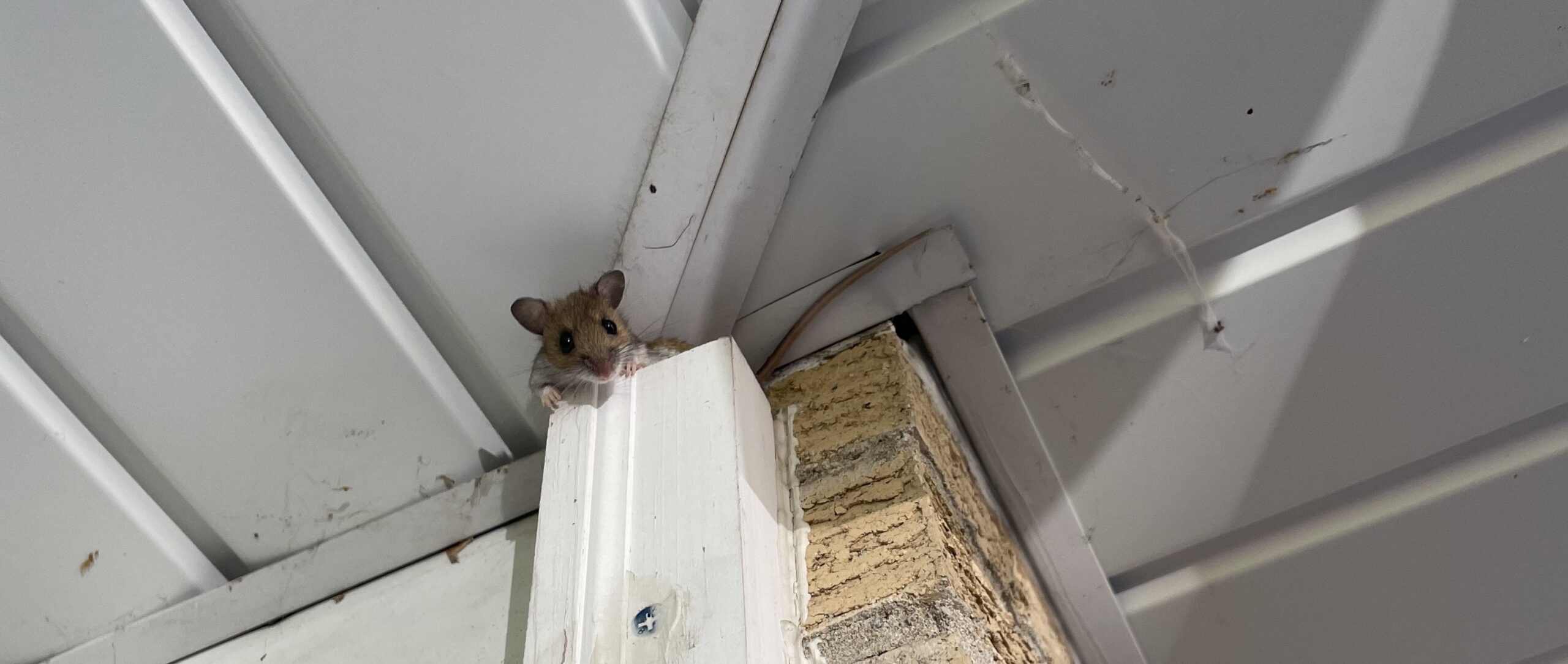
You may not see them right away, but there are clear signs when baby mice are in your walls. Yes, common signs include high-pitched squeaking, scratching sounds at night, nesting materials, and small droppings in hidden areas. These signs usually mean there is already a nest inside your home, not just one visitor passing through. In Barrie, this is a common issue, especially in homes with small gaps and quiet wall spaces.
You might first notice faint sounds coming from behind your walls or ceiling. These noises can become more frequent over time, especially at night. You may also notice smells or small bits of shredded material near hidden areas. These signs are not random. They point to active nesting and growing activity inside your home.
You need to act early because this type of problem can grow fast. At Skedaddle Humane Wildlife Control in Barrie, we deal with this every day using safe and complete methods. In this blog, you will learn the key signs to watch for, what they mean, and why our professional removal and prevention are the best way to protect your home.
Is it possible to have mice and not know?
Yes, it is very possible to have mice in your walls and not know right away. They often stay hidden in quiet spaces like walls, attics, and behind appliances. You may not see them directly, especially during the day when they are less active.
Many early signs are easy to miss or ignore at first. Small noises or faint smells may not seem serious. Over time, these signs become stronger and more noticeable. By the time they are obvious, activity may already be well established.
This is why early awareness matters. Paying attention to small changes in your home can help you catch the problem sooner. The earlier it is handled, the easier it is to control.
High-Pitched Squeaking and Sounds
You may first notice activity through sound. These noises often happen at night when your home is quiet. At first, they may seem faint or easy to ignore. The following signs help explain what you are hearing:
- High-Pitched Squeaking: Baby mice often make soft, quick squeaking sounds. These sounds are different from adult movement and can come from inside walls or ceilings. They are often heard when the nest is active. This is a strong sign of young mice nearby.
- Scratching and Movement: You may hear light scratching or scurrying behind walls. These sounds can increase as activity grows. Movement often follows patterns at night. This means the space is being used regularly.
- Consistent Timing: Sounds often happen at the same time each day. Nighttime and early morning are the most common. This repeated pattern shows ongoing activity. It is not a one-time event.
Nesting Materials in Hidden Areas
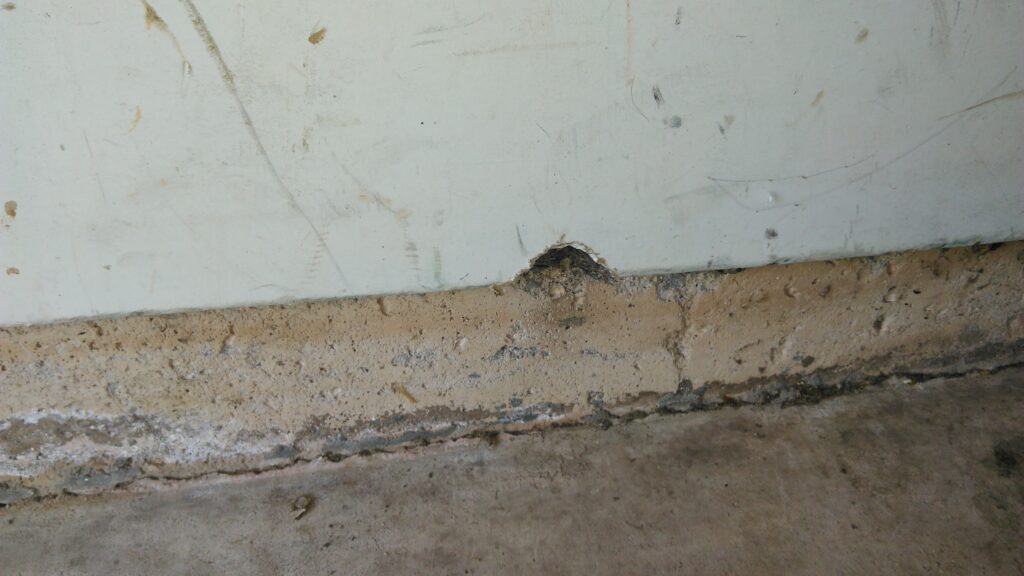
You may not see the nest itself, but you may find signs of it. Nesting materials are often hidden in quiet spaces. These areas provide warmth and safety. The following signs explain what to look for:
- Shredded Materials: You might find torn paper, insulation, or fabric. These materials are used to build nests. They are often found in corners or behind objects. This shows nesting is happening nearby.
- Hidden Placement: Nests are placed in hard-to-reach areas. Walls, attics, and behind appliances are common spots. These spaces stay quiet and protected. This makes them ideal for raising young.
- Growing Build-Up: Over time, nesting materials increase. What starts small can grow quickly. This shows ongoing use of the space. It often means more than one mouse is present.
Intense Nighttime Activity
You may notice that activity increases at night. This is when mice are most active. Sounds can become more frequent and louder. This pattern is a key sign of a nest nearby.
Nighttime activity often includes movement, scratching, and squeaking. These sounds may happen between late evening and early morning. The quiet of the night makes them easier to hear. Over time, the noise can spread to other areas.
This increase in activity means the space is being used often. It is not just a passing issue. Regular nighttime noise is a strong sign of an established problem. Early action helps prevent it from growing.
Small Droppings in Clusters
You may start to notice small droppings in certain areas. These are often found near baseboards or hidden corners. At first, the amount may seem small. Over time, it can increase quickly.
Droppings are usually dark and shaped like small grains of rice. They often appear in clusters rather than spread out. This shows regular movement through the same space. It can help identify high-traffic areas.
You need to take this as a clear warning sign. Clusters of droppings mean the space is being used often. It also means activity is ongoing. This type of buildup does not go away on its own.
Unusual Pet Behaviour
You may notice your pets acting differently around certain areas. Pets often sense activity before you do. This behaviour can point to hidden movement inside your walls. It is an early sign that should not be ignored.
Pets may scratch, sniff, or stare at one spot for long periods. They may focus on walls, floors, or baseboards. This often means they hear or smell something inside. Their reaction can help locate the problem.
You should pay attention to these changes. Repeated behaviour in the same area is important. It often means there is ongoing activity behind the surface. This can help identify where to look.
Musky Odour in the Home
You may notice a smell before seeing any clear signs. Odours often build slowly over time. At first, it may seem faint. Over time, it becomes stronger and harder to ignore.
The smell is often musty or sharp. It comes from waste and nesting areas. This can spread through walls, vents, and ceilings. It may reach living areas without a clear source.
You need to take these smells seriously. A strong odour usually means the issue has been there for a while. The longer it continues, the worse it can get. Early action helps prevent further problems.
Why These Signs Appear
You may wonder why these signs show up so clearly in your home. These signs are not random and usually point to a nest nearby. When baby mice are present, activity stays close to one area. This makes sounds, smells, and other signs easier to notice.
You may also notice that these signs grow stronger over time. This happens because activity increases as the group grows. What starts as a small issue can quickly become more noticeable. Understanding why this happens helps you take it seriously early.
The following points explain the main reasons these signs appear:
- Proximity to Nests: Baby mice stay very close to their nest during the first few weeks of life. This keeps all activity in one small area inside your walls. Because of this, you may hear constant squeaking or movement in the same spot. This is a strong sign that a nest is active inside your home.
- Rapid Breeding: Mice reproduce very quickly, which causes activity to increase fast. One group can grow into many in a short time. As numbers increase, so do sounds, droppings, and nesting materials. This is why a small problem can turn into a larger one quickly.
- Easy Access Through Small Openings: Mice can fit through very small gaps, sometimes as small as a dime. These openings can be found around walls, vents, and foundations. Once inside, they use these hidden spaces to build nests. This makes it easy for them to stay out of sight while activity continues.
Mice Prevention With Our Team
You do not need to handle this situation on your own. Our team at Skedaddle Humane Wildlife Control focuses on safe and complete solutions. We remove activity and prevent it from returning. Our goal is long-term protection.
We begin with a full inspection of your home. This helps us find entry points and areas of concern. Some problem spots are not easy to see without experience. Once identified, we create a clear plan.
We use one-way doors that allow wildlife to leave safely but not return. After the space is clear, we seal all entry points using strong materials. This keeps your home protected moving forward.
Barrie Homes and Mouse Activity
Barrie provides ideal conditions for mice activity throughout the year. Homes offer warmth, shelter, and quiet spaces. Older homes often have more gaps and weak areas. This increases the chance of entry.
Seasonal changes also play a role. Colder months drive activity indoors. Warmer months increase movement and nesting. This can lead to more noticeable signs.
Local home design also affects access. Foundations, vents, and wall spaces can create entry points. These areas may not seem important at first. Over time, they can become problem areas.
Frequently Asked Questions
Can baby mice live in walls?
Yes, baby mice often stay inside walls near their nest during early stages. These spaces provide warmth and protection. They remain hidden for weeks at a time. This is why signs are often heard before they are seen.
How do you know if there is a nest?
Signs like squeaking, nesting materials, and droppings point to a nest. These signs usually appear in the same area. Consistent activity is a strong indicator. Our professional inspection confirms the location.
Are baby mice a serious problem?
Yes, they can quickly become a larger issue if not addressed. Mice reproduce quickly and increase activity. Small problems can grow fast. Early action is important.
Why do mice stay in walls?
Walls provide safety, warmth, and quiet space. These conditions make it easy to nest and raise young. Hidden areas reduce risk. This makes walls an ideal place to stay.
Small Signs Now Can Become Bigger Problems
Baby mice in your walls can start as a small issue, but they rarely stay that way. What begins as light noise or a faint smell can grow into a larger problem over time. Activity can spread to new areas as the nest grows and movement increases. Acting early helps reduce damage, limit stress, and keep your home in better condition.
These problems do not fix themselves. Mice will return to the same spaces if they feel safe and undisturbed. Even if the noise stops for a short time, it does not mean the problem is gone. Without proper removal and sealing, the cycle continues and often becomes harder to control. Over time, the issue can affect more areas of your home and require more work to resolve.
A complete solution focuses on both removal and prevention. It is not enough to deal with what you hear or see right now. The goal is to stop the problem from coming back in the future. That is why a full inspection and proper sealing are so important for long-term protection.
We provide safe and reliable solutions at Skedaddle Humane Wildlife Control in Barrie. Our team focuses on removal, sealing entry points, and keeping your home protected moving forward. You can request an estimate today to keep your home secure, clean, and free from ongoing issues.

 Loading...







