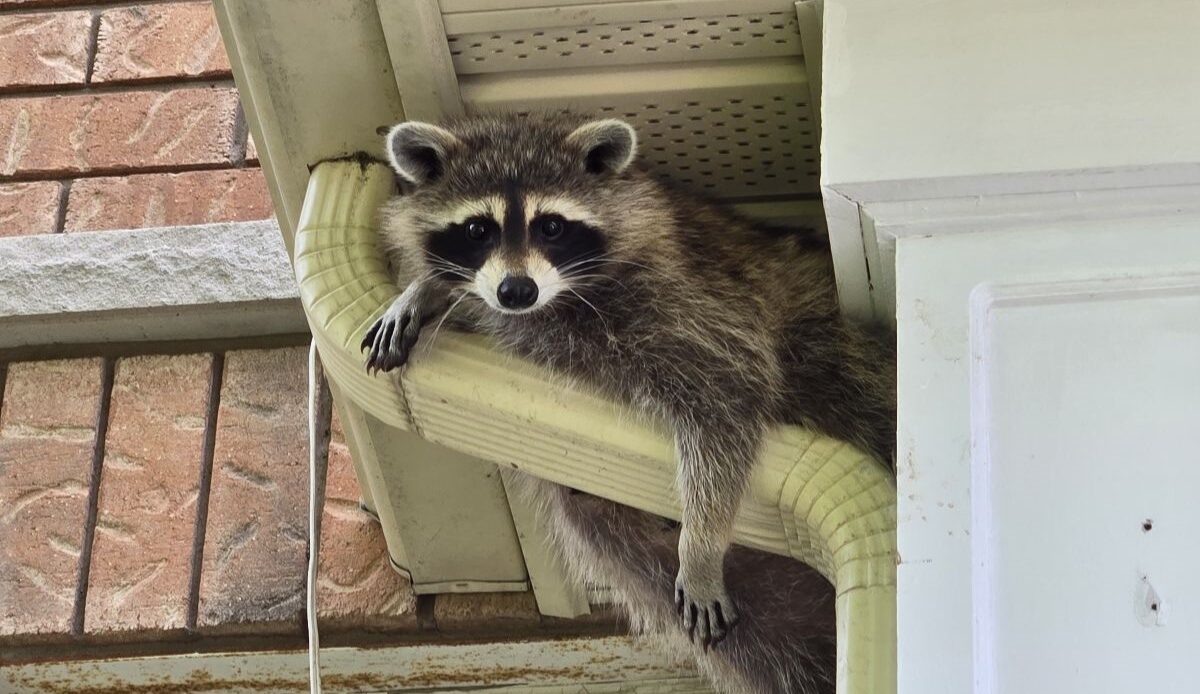
If you hear heavy thumping above your ceiling, you might be dealing with a serious problem. What type of damage can raccoons do to your attic? These animals can tear off roof shingles, shred your insulation, chew through electrical wires, and leave behind massive piles of hazardous waste. They use their strong hands to rip open vents and make themselves right at home.
Homeowners often do not realize how quickly this destruction happens. The longer these animals stay inside, the more money it will cost to fix the mess. That is why our team at Skedaddle Humane Wildlife Control in Hillard is here to help you solve the problem fast. We know exactly how to handle these unwanted guests safely and effectively.
In this blog, we will explain the specific destruction these animals cause and how we can protect your home. Read on as we look at what you need to watch out for.
How long will raccoons stay in the attic?
These animals will usually stay in your attic for about six to eight months if a mother is raising her babies. A female will look for a warm, safe place to give birth in the early spring. Once she moves in, she will not leave until her young are old enough to survive in the wild on their own.
During the cold winter months, they might also stay inside for weeks at a time to sleep and stay warm. They do not truly hibernate, but they do slow down and sleep deeply. Because they stay for such long periods, the mess they make can become incredibly severe. You should never wait for them to leave on their own, as the destruction will only get worse.
Roof and Exterior Structure
Raccoons are incredibly resourceful and strong, making them capable of causing significant damage to your roof and exterior structures. Their dexterous hands can pry, tear, and gnaw through materials, leaving your home vulnerable to further issues. Below are some common ways raccoons can damage your roof and exterior and steps to address the problem effectively.
- Shingles and Roofing Materials: Raccoons often target shingles as a starting point to gain access to your attic or other areas of the home. They are capable of tearing through shingles with surprising ease, especially if the roofing materials are old or damaged. Over time, this damage can lead to water leaks, mold growth, and structural deterioration. Repairing damaged shingles promptly and installing raccoon-proof barriers can help prevent these issues.
- Fascia Boards and Soffits: Fascia boards and soffits provide critical protection for your roof’s edge and attic space. Unfortunately, these components are another area prone to raccoon damage. Their sharp claws and strong teeth allow them to break or chew through wooden boards and plastic soffits. This can create entry points for not only raccoons but also other wildlife and pests. Regular inspections and reinforced materials provide added defense against their efforts.
- Roof Vents and Chimney Covers: Plastic roof vents and poorly secured chimney covers can be easily ripped apart by raccoons seeking shelter. Once these components are compromised, the openings offer a direct path into your home. This can lead to nesting inside your attic or chimney, resulting in extensive cleanup and repair costs. Upgrading to metal vent covers and properly installed chimney caps can help keep raccoons out and your home secure.
Ruined Attic Insulation
Once inside, your insulation becomes the personal playground for raccoons. They need soft materials to build a warm nest for their babies. To do this, they will trample, tear, and crush the fluffy insulation that keeps your house warm.
When insulation gets flattened, it loses its ability to trap heat. This means your heating and cooling system will have to work much harder. You will likely see a big spike in your monthly energy bills. The insulation also gets heavily soiled with dirt, food scraps, and waste.
Because the materials are so badly destroyed, patching it up does not work. The ruined insulation must be fully removed and replaced to make your home safe and energy-efficient again. Our team knows how to handle this safely so you do not have to worry about it.
Dangerous Electrical Hazards
Damaged electrical systems caused by a raccoon can create serious safety issues in your home. Raccoons often chew on electrical wiring, leaving dangerous sparks or broken connections that can lead to fires or other electrical problems. These hazards require immediate attention to protect your family and property. Below are some key electrical risks caused by wildlife interference:
- Frayed and Exposed Wires: When raccoons chew on electrical wiring, it often leaves wires frayed or exposed. This can create sparks that may ignite nearby insulation or debris, increasing the risk of fires. Frayed wires can also lead to electrical shorts, potentially damaging appliances or causing larger system failures over time. Regular inspections can help identify and address these problems early on.
- Overloaded Circuits and Power Failures: Chewed wiring can disrupt the electrical flow within your walls, leading to overloaded circuits. Overloaded circuits can cause power outages, tripped breakers, or even permanent damage to your home’s electrical system. Fixing wiring issues quickly ensures your electrical system operates smoothly without dangerous interruptions.
- Increased Fire Risks: Damaged wiring and sparking circuits caused by raccoon can significantly increase the risk of house fires. Sparks near flammable materials like wood framing or insulation can ignite flames quickly. Professional electrical repairs are essential to replace damaged wires and eliminate the threat before a fire occurs.
Contamination and Health Risks
These animals are very messy houseguests. They pick one specific spot to use as a bathroom, which creates a giant pile of waste. This pile will quickly soak through your insulation and seep right into your drywall.
The waste they leave behind is highly toxic. It carries dangerous parasites, like roundworm, that can make humans and pets very sick. As the waste dries out, the harmful particles can float into the air and travel through your home’s vents.
The smell is also impossible to ignore. A strong, nasty odor will spread into your bedrooms and hallways. Cleaning this up requires special safety gear and strong sanitizers. You should never touch this waste yourself. Our team safely handles the cleanup process to protect your family’s health.
Serious Structural Damage

Raccoons and their waste can cause significant structural damage to your home over time. They often tear through materials and create entry points for moisture, leading to issues like rotting wood and water-damaged ceilings. This type of harm can weaken your home’s foundation and increase repair costs significantly. Below are some key ways pests can impact the structure of your property:
- Damaged Insulation: Pests, such as rodents, frequently tear through insulation to use it for nesting. This destruction reduces the effectiveness of the insulation, making it harder to regulate your home’s temperature. Over time, this can lead to higher energy bills and an uncomfortable living environment. Replacing damaged insulation is costly and requires our professional help.
- Compromised Walls and Ceilings: Tiny pests often burrow into walls or ceilings, creating holes and weakening the structure. These entry points can allow moisture to seep in, resulting in warping, mold growth, and even long-term structural degradation. The damage may remain hidden until it becomes severe, underscoring the importance of regular inspections.
- Rotting Wood Framework: Wood-eating pests such as termites or carpenter ants can destroy the wooden framework of your home. By chewing through support beams and floor joists, they compromise the house’s overall stability. Left untreated, this can pose safety risks and require extensive, costly structural repairs.
Signs of Raccoon Damage
You can usually tell if you have raccoons before you ever see them. The first sign is usually the noise. You will hear loud, heavy thumping and scratching during the night since they are most active after dark. In the spring, you might even hear the high-pitched crying of babies.
You might also notice temperature changes in your house. If your bedrooms suddenly feel freezing in the winter, your insulation has likely been destroyed. Outside, you might find pieces of torn shingles sitting in your yard or see paw prints on your downspouts.
If you notice any of these signs, you must act fast. Letting the problem sit will only lead to bigger repair bills. Our professionals know exactly where to look to find the hidden damage they leave behind.
Local Prevention with Our Professional Team
Living in the Midwest means dealing with changing seasons. In Hillard, the cold winters make your warm house a prime target for raccoon. Once we get the animals out, keeping them out is the most important step.
We use special one-way doors that allow the animals to leave your house safely. Once they walk out, the door locks behind them, and they cannot get back inside. We do not use live traps or relocate them, as our one-way doors are the most humane and effective method.
After they are gone, we seal up every single hole on your roof and exterior. We use strong, heavy-duty materials that they cannot chew or rip through. This ensures your home stays safe from future invasions, no matter how harsh the Ohio winters get.
Frequently Asked Questions
What should I do if I find babies in the nest?
You should never touch or move the babies yourself. A mother is very protective and can become aggressive. Call our professional team so we can handle the family safely and humanely.
Will my homeowner's insurance cover the repairs?
Every insurance policy is different. Many policies do cover the physical damage to your home, like chewed wires and torn roofs. You will need to call your insurance agent to find out what your specific plan covers.
Why does my house smell so bad?
The bad smell comes from the large piles of waste they leave behind. Their urine and feces soak into the wood and insulation, creating a terrible odor that spreads through your air vents.
Can they break through my ceiling?
Yes, they can. If their waste sits on the drywall for a long time, the ceiling becomes weak and soggy. Because these animals are heavy, they can easily fall right through the weakened drywall into your living space.
Protect Your Attic from the Raccoon Invasion
Dealing with raccoon damage can feel overwhelming, but you don’t have to handle it alone. Raccoon intrusions can cause serious problems like torn roofs, fire risks, ruined insulation, and hazardous waste left behind in your home. These issues can disrupt your daily life and even jeopardize your family’s safety if left unresolved. Ignoring strange sounds in your walls or ceiling can quickly lead to bigger, more expensive problems.
At Skedaddle Humane Wildlife Control in Hillard, we are here to help. Our team specializes in safe, humane wildlife removal. Using our one-way doors, we ensure animals are removed without harm, while also securing your home to prevent them from coming back. With our trusted and proven methods, we take care of the problem so you can relax knowing your home is safe.
If you’re ready to take back your space and protect your home, contact Skedaddle today. We will provide you with an estimate and explain how we can solve your raccoon troubles for good. Don’t wait—acting fast helps prevent further damage and gives you peace of mind. Reach out now and trust the experts to make your home safe again.

 Loading...







